Tag: Butrint

Articles and practical travel tips about Butrint in Albania.

  • Saranda and Ksamil with Kids: Beaches, Butrint and Family Travel Tips

    Saranda and Ksamil with Kids: Beaches, Butrint and Family Travel Tips

    Saranda and Ksamil with kids can be an excellent southern Albania beach holiday, but the experience changes dramatically depending on when you travel, where you sleep and how much driving you add. The mistake I would avoid is assuming that clear water automatically makes every beach easy for every age. Summer crowds, steps, pebbles, sun exposure, paid beach setups and busy roads can matter just as much as the view.

    Use this guide together with the main Ksamil and Saranda guide and Albania with kids. Here the focus is on family logistics: choosing between Saranda and Ksamil, planning beach time, visiting Butrint and the Blue Eye without exhausting children, and deciding when a rental car is genuinely useful.

    Saranda or Ksamil: which base is easier for families?

    Saranda is the more urban option. It gives you a long waterfront, supermarkets, pharmacies, restaurants, a broader accommodation supply and easier access to services when the weather changes. Ksamil is closer to the famous beaches and islands, but it is more intensely beach-focused and can become very busy in peak summer. Families staying several nights often benefit from deciding what matters most: daily beach access or the practical convenience of a larger town.
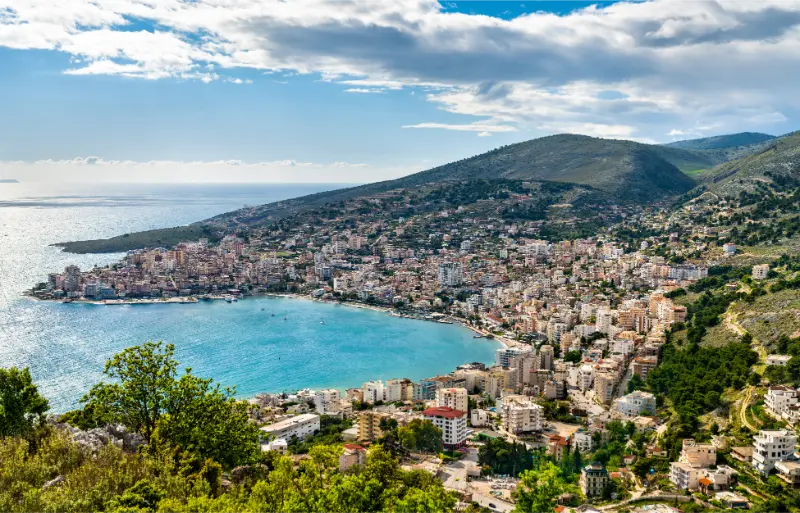
    Aerial View Of Saranda City And Bay Albania

    If you want evening walks, services and a wider choice of apartments, look at family accommodation in Saranda. If waking up close to the water is the priority, compare places to stay in Ksamil. Read recent summer reviews carefully because traffic, noise and beach access can change the real value of a property.

    Why Ksamil appeals to families — and what to check

    The official Albanian tourism portal describes Ksamil Beach as a clear-water destination suitable for families and notes the nearby small islands that can be reached by boat. That is a useful overview, but parents should still judge the exact beach section in front of them. Depth, boat traffic, entry surface and available shade vary from one bay to another. Check the official Ksamil Beach page for destination context, then make decisions on site.

    The Ksamil Islands guide explains the small-island experience in more detail. With children, I would choose a short, calm outing rather than turning a simple paddle or boat ride into a long excursion. Life jackets should fit properly, and adults should ask exactly where a boat stops, how passengers board and what happens if the sea becomes rougher.

    Saranda promenade: an easy evening

    The Saranda promenade is valuable for families because it gives the day a low-effort second act after the beach. You can walk, stop for ice cream, find dinner and let children move without committing to another major attraction. In July and August, the promenade can still be lively and busy, but it is easier to adapt than a fixed excursion.
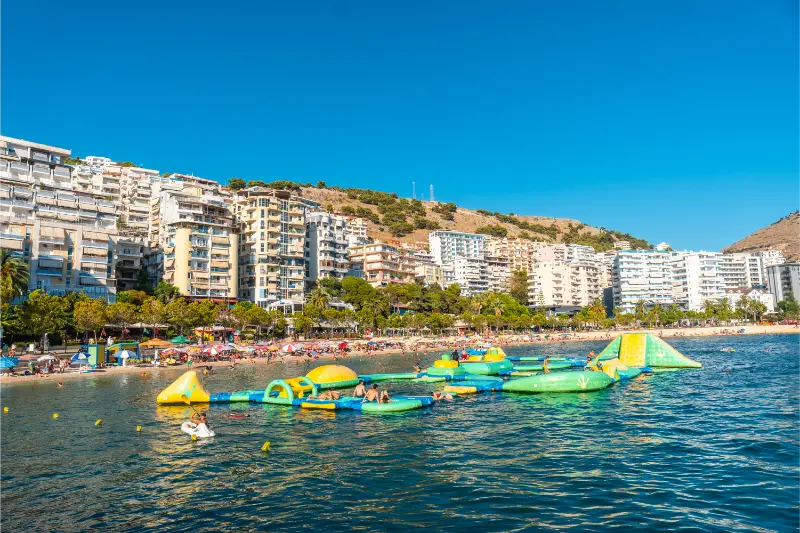
    Children Playing on Inflatable Water Park Saranda Beach Albania

    A central apartment can be especially useful with younger children because you can return for a nap or shower between the beach and evening. Check whether the route from your accommodation to the waterfront involves steep streets; Saranda rises quickly away from the coast, and a short distance on a map can feel very different with a stroller.

    Butrint with children: make the ruins a story

    Butrint is the cultural excursion I would prioritize from this area. The archaeological site combines ruins with a wooded setting and water around the Vivari Channel, which makes it more varied than a museum visit. The official tourism portal describes Butrint as a site with Greek, Roman, Byzantine and Venetian layers, and it has been on the UNESCO World Heritage List since 1992. See the official tourism page for Butrint for current destination information.

    With children, do not try to explain every period. Pick three or four features—the theatre, gates, baptistery area or fortress—and turn the walk into a search for how the city changed over time. Wear shoes suitable for uneven paths, bring water and use shade when available. In hot weather, an early visit is usually easier than arriving after a long beach morning.

    The Blue Eye: beautiful, but not a swimming stop

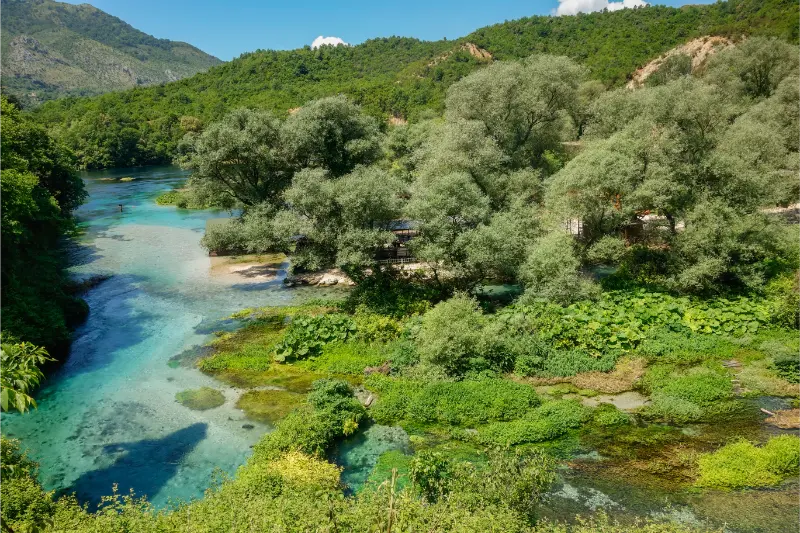
    The Blue Eye is another popular excursion. The official tourism portal identifies it as a protected natural monument near Muzinë, around 18 km from Saranda, and notes the depth and strong spring flow. Treat it as a nature visit rather than a child-swimming attraction. The official Blue Eye page gives useful background.

    Children may enjoy the color and forest setting, but the practical question is whether the transfer and walking are worth it in the heat. If your family already has a full day at Butrint, I would put the Blue Eye on a different day rather than stacking two excursions because they look close on a map.

    Beach timing matters more than beach ranking

    For families, the “best” beach is often the one you can reach early, leave easily and revisit without a difficult parking search. In peak summer, famous bays can be crowded by late morning. Start earlier, protect children from strong sun and use the middle of the day for lunch, rest or an indoor break. A quieter afternoon at a less famous beach can be more enjoyable than chasing a highly photographed spot at its busiest time.

    If you want alternatives, compare Mirror Beach, Pema e Thatë Beach and the quiet beaches guide. Access conditions can change, so never assume a beach road, parking area or footpath will be identical to what an old video shows.

    Do you need a car?

    A car adds flexibility for Butrint, the Blue Eye and less central beaches, but it also creates parking and traffic problems in the busiest weeks. Families planning mostly around Saranda and organized excursions can manage without one. Families staying outside the center or combining several southern stops may appreciate the freedom. The right answer depends on your accommodation, not on a general rule that “Albania requires a car.”

    If you are considering self-drive, read the Albania rental-car guide and the Riviera without a car guide before booking. Child-seat requirements and availability should be confirmed directly with the rental company in advance.

    Food, groceries and family routines

    Saranda and Ksamil have plenty of restaurants in season, but families often benefit from an apartment with a fridge and a simple breakfast setup. Fruit, yogurt, bread and familiar snacks can make mornings easier. At restaurants, grilled fish, pasta, pizza, potatoes, rice, salads and grilled meats give children several straightforward choices even when adults want seafood or regional dishes.

    For adults interested in local flavors, the Albanian seafood guide and Riviera food guide add more depth. With young children, I would keep lunch flexible and make dinner the relaxed social meal.

    A four-night family plan

    DayMain ideaWhy it works
    1Arrive, promenade and easy beachLow pressure after travel
    2Early Ksamil beach and short island outingBeach-first day without a long transfer
    3Butrint in the morning, rest in the afternoonCulture before the hottest hours
    4Blue Eye or a quieter beach, depending on energyFlexible final day

    This plan deliberately leaves space. Add Lekursi Castle, another beach or a boat trip only if the family is enjoying the pace. The southern coast can tempt you into collecting viewpoints and bays, but children usually remember the swimming, boat ride and evening ice cream more than the number of stops.

    Safety and comfort

    Use sun protection aggressively in summer, especially on boats and beaches where reflected light increases exposure. Never assume beach staff are supervising children in the water. Watch for boat traffic, changing depth and slippery rocks. Carry some cash, but do not bring valuables you will be anxious about leaving near the water.

    For babies and toddlers, ask the accommodation about cot availability, lift access and blackout conditions rather than relying on a generic “family-friendly” label. A compact stroller is useful on promenades, but a carrier can be easier at archaeological sites and beaches with steps.

    Final advice

    Choose Saranda and Ksamil for the trip you want, not because social media says you need to see every famous beach. Families who stay longer in one base, start beach days earlier and separate culture days from swimming days usually get more from southern Albania. If the children are rested, you can always add another stop; if the schedule is already too ambitious, the sea will not make the transfers feel shorter.

    Choosing accommodation by child age

    Families with a baby often need lift access, a cot, reliable air conditioning and enough room to feed or settle the child without sitting in darkness after bedtime. Families with preschool children may care more about a short walk to the beach and a kitchen. With older children, location near the promenade or activities may matter more than extra indoor space. Read property reviews from families travelling in the same season because a quiet street in May can be very different in August.

    In Ksamil, I would pay particular attention to uphill walks, road crossings and the distance to the specific beach you intend to use. In Saranda, a sea-view apartment can sit high above the waterfront, so check elevation and street layout rather than relying on the phrase “500 metres from the beach.”

    Bora Bora Beach Ksamil Albania

    What to pack for southern Albania with children

    Water shoes are useful for pebble or rocky sections, while a lightweight beach shoe that dries quickly can reduce complaints about hot surfaces. Bring a reusable sun hat, swim shirts if your family uses them and a dry bag for boat outings. I would avoid carrying a huge amount of beach equipment through airports unless the accommodation confirms that nothing is available locally.

    A compact first-aid kit, familiar children’s medicines, a power bank and offline copies of booking details are more useful than extra toys. For younger children, one familiar bedtime item can help when the trip involves several hotels.

    Rainy or very hot day alternatives

    A beach destination still needs a backup plan. On an extremely hot day, shorten the outdoor schedule and use the apartment, a long lunch or a shaded promenade period rather than forcing a midday excursion. On a rainy day, choose a café, short museum or simple drive only if conditions are safe. The point is to preserve the trip rather than rescue one specific day.

    Families who build every day around a non-refundable boat trip have less flexibility. I prefer to book only the activities that genuinely need advance reservation and leave ordinary beach days open. This makes it easier to respond to sea conditions, heat and children’s energy.

    Who should choose this area

    Saranda and Ksamil are particularly suitable for families who want warm-season swimming, easy restaurant access and one or two strong cultural excursions. They are less ideal for travellers who dislike summer crowds, want wide sandy beaches everywhere or expect a quiet village atmosphere in peak season. Knowing that in advance makes it easier to choose between southern Albania, Durrës, Pogradec or a mountain-focused route.

    Travelling with a baby or toddler

    For naps, strollers, carriers, baby supplies and a slower daily rhythm, see the Sarandë and Ksamil with a baby or toddler guide.

    Travelling with older children? See Sarandë & Ksamil with Teenagers: Beaches, Butrint, Blue Eye and Family Tips for teen-focused activities, independence, evenings and family pacing.
  • Butrint Travel Guide: How to Visit Albania’s UNESCO Archaeological Site

    Butrint Travel Guide: How to Visit Albania’s UNESCO Archaeological Site

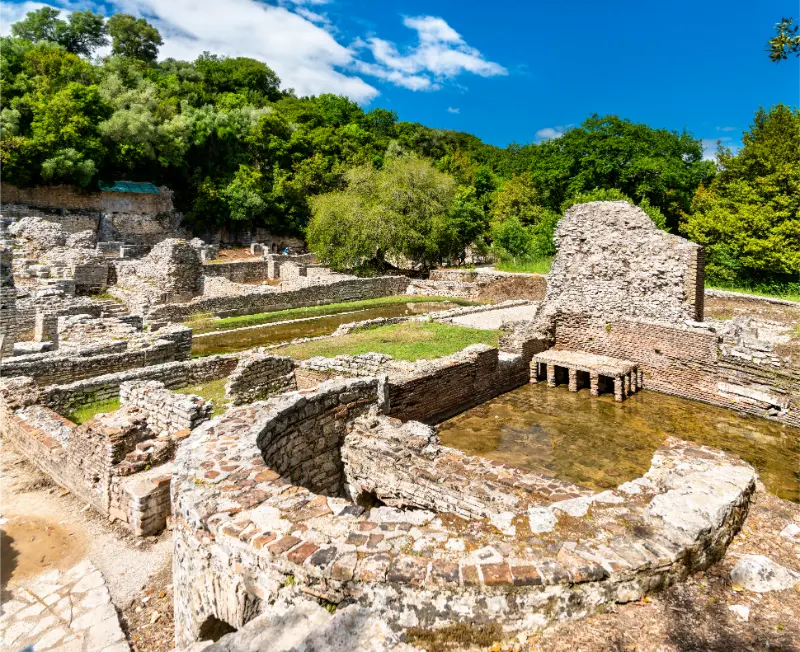
    Butrint is the archaeological site I would prioritise on a first trip to southern Albania. It sits within a green, watery landscape near Sarandë and Ksamil, and the experience is very different from walking through ruins exposed on a bare hill. Trees, lagoon views, fortifications, theatre remains and layers of Greek, Roman, Byzantine and Venetian history make the site feel like a landscape rather than a single monument.

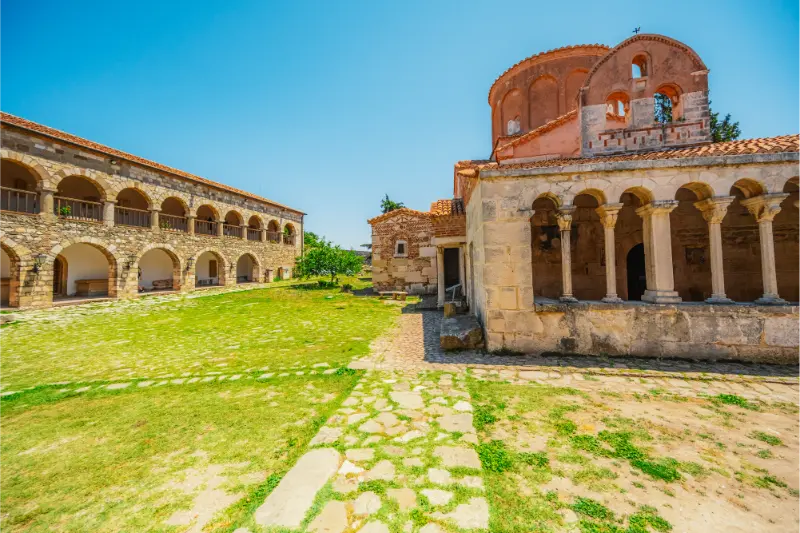
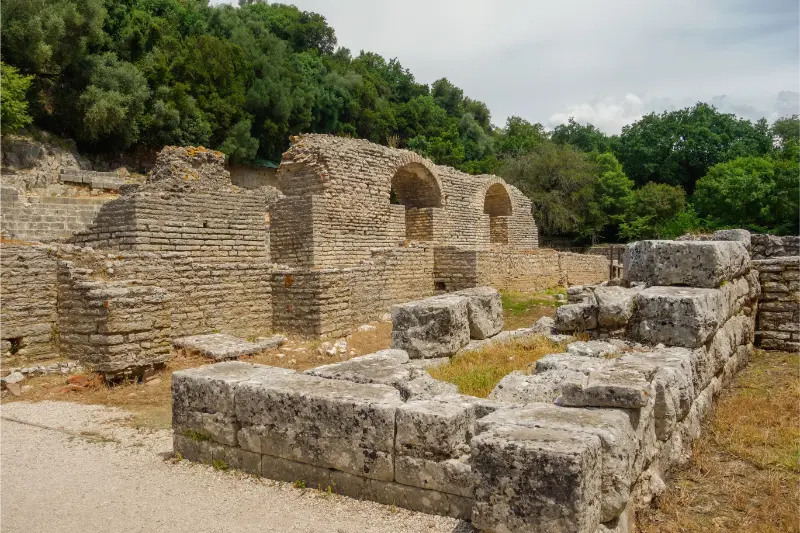
    Remains Ancient Baptistery 6th Century Butrint Albania This Archeological Site World Heritage Site UNESCO 4

    If you are staying in Ksamil or Saranda, set aside at least half a day. I would not combine Butrint with a full beach-hopping schedule and expect to appreciate both. The site deserves a slow walk, especially in warm weather.

    Why Butrint is important

    Butrint has been on the UNESCO World Heritage List since 1992, with later boundary changes. UNESCO describes a site with evidence ranging from prehistoric occupation through Greek, Roman, early Christian, Byzantine and Venetian periods. The official UNESCO page for Butrint is the best starting point for understanding why the landscape and archaeology are protected together.

    What makes Butrint special is continuity and layering. Instead of one reconstructed “Roman city,” you encounter structures from different periods sharing the same terrain. The environment also matters: water, vegetation and surrounding wetlands shaped both the history of settlement and the modern atmosphere of the visit.

    How much time do you need at Butrint?

    I would allow two to three hours inside the archaeological site for a normal first visit. History enthusiasts can easily spend longer, especially if they stop to read interpretation and visit the museum area. In hot weather, the shade makes the site more comfortable than many Mediterranean ruins, but humidity can still be tiring.

    Add transport time, parking or bus waiting, and a possible stop at the nearby channel. That is why I call Butrint a half-day excursion rather than a “quick attraction.”

    The ancient theatre

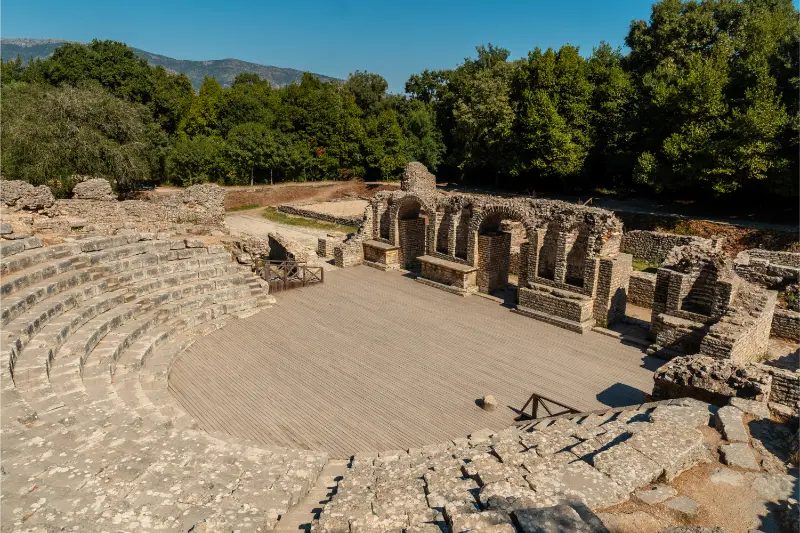
    The theatre is one of the most recognisable remains and a good point to slow down. Look at how later buildings and the surrounding landscape relate to the older structure. Instead of taking one photo and moving on, sit for a few minutes if conditions allow; the scale becomes easier to understand when you stop.

    The baptistery and early Christian remains

    Butrint’s early Christian archaeology is a major part of its significance. The baptistery is famous for its mosaic floor, although conservation needs can affect what is visible at any given time. This is a good example of why I avoid promising that a specific delicate feature will always be uncovered for visitors.

    The basilica

    The large basilica ruins are among the most atmospheric parts of the route. The surviving walls and openings combine with vegetation in a way that makes the passage of time very visible. If you visit early or outside peak season, this can be one of the quietest places to pause.

    Fortifications and the upper site

    As you climb, the defensive history of Butrint becomes more obvious. Gates, walls and later fortifications show how the strategic value of the site continued beyond antiquity. The higher sections also give useful views over the surrounding water and landscape.

    Museum and interpretation

    The on-site museum helps bring together finds and chronology that can otherwise feel confusing after several layers of ruins. If you normally skip small archaeological museums, I would make an exception here. Even a short visit can help you connect objects with the places you have just walked through.

    Best time of day to visit Butrint

    In summer, I prefer arriving near opening time or later in the afternoon, avoiding the strongest midday heat and the largest excursion groups. Morning also gives you a better chance of continuing to a beach afterward without feeling that the whole day disappeared in transit.

    In spring and autumn, timing is more flexible, but daylight still matters because the route is outdoor and the landscape is a major part of the visit. Check current opening information before making a late arrival.

    How to get to Butrint from Saranda

    Butrint lies south of Sarandë and can be reached by local road transport, taxi, rental car or organised excursion. Public transport is the cheapest, while a taxi is convenient for a small group if you want flexible timing. With a rental car, parking and peak-season traffic become the main practical considerations.

    How to get to Butrint from Ksamil

    Ksamil is much closer, so Butrint is an easy cultural break from beach days. I like visiting early, then returning to Ksamil for lunch and swimming. If you go at midday in July or August, you may experience both the hottest period and the busiest traffic at the same time.

    The Vivari Channel and ferry crossing

    Near Butrint, the channel and small ferry crossing toward the opposite side add another layer to the landscape. If your road-trip route continues into less visited southern areas, ask locally about current crossing and road conditions. Do not build a complicated onward route based only on an old map or travel forum.

    What to bring

    • Comfortable shoes for uneven archaeological paths.
    • Water, especially from late spring to early autumn.
    • Sun protection even though parts of the site are shaded.
    • Mosquito repellent when conditions are humid.
    • A downloaded map or guide if you want more context than the signs provide.
    • Cash as a backup for local transport or small purchases.

    Butrint with children

    Butrint can work very well for families because it feels more like an exploratory walk than a formal indoor museum. The key is not to lecture children at every ruin. Pick a few stories—the theatre, gates, mosaics, fortress—and let the landscape do some of the work. A carrier may be easier than a stroller on uneven sections.

    Butrint with limited mobility

    The archaeological terrain includes uneven surfaces and changes in elevation. Accessibility can vary by section and site management measures. If mobility is a concern, contact the site or a local operator for current information before arrival so you can plan the most suitable route.

    Where to stay for Butrint

    Ksamil is the closest popular base and works if beaches are the main priority. Sarandë has more urban services, transport options and evening variety. I choose between them based on the entire stay rather than on Butrint alone because the archaeological visit needs only part of one day.

    Remains Ancient Baptistery 6th Century Butrint Albania This Archeological Site World Heritage Site UNESCO 2

    You can compare accommodation in Ksamil on Booking.com or compare accommodation in Saranda on Booking.com. These are sponsored links. In July and August, location and parking can matter more than an extra hotel facility you may never use.

    Can you combine Butrint and the Blue Eye in one day?

    It is technically possible with a car or tour, but I do not love the combination unless time is very limited. The two attractions are in different directions from Sarandë, and the day can become mostly driving and parking. I would rather combine Butrint with Ksamil or a relaxed southern-coast afternoon.

    Butrint and UNESCO status

    Albania currently has four properties on the UNESCO World Heritage List. Butrint is one of the cultural properties, while Berat and Gjirokastër share another inscription. You can verify the current list on the official UNESCO page for Albania. UNESCO status is not just a badge for tourism; it reflects conservation responsibilities and the importance of protecting the wider setting.

    Remains Ancient Baptistery 6th Century Butrint Albania This Archeological Site World Heritage Site UNESCO 3

    Common mistakes

    • Arriving at the hottest part of a summer day with no water.
    • Giving the site only 45 minutes because the ruins look compact on a map.
    • Assuming every mosaic or delicate feature will be permanently exposed.
    • Trying to combine Butrint, several Ksamil beaches and the Blue Eye in one relaxed day.
    • Ignoring the natural landscape and treating the visit as only a list of ruins.

    Butrint is most memorable when you stop trying to identify every stone and start noticing how archaeology, water and forest share the same space.

    Plan the rest of the coast with my Ksamil and Saranda guide, compare other UNESCO cities in Berat and Gjirokastër, or return to the best things to do in Albania.

    Final planning checklist

    Before publishing a final itinerary around Butrint travel guide, I recheck three things: the weather, the transport for the next day and the exact location of my accommodation. These small checks prevent most avoidable problems in Albania, especially in summer when traffic is heavier and in mountain regions where conditions can change quickly.

    • Save accommodation addresses and phone numbers offline.
    • Carry some Albanian lek for small businesses and transport.
    • Confirm parking before driving into historic centres or beach resorts.
    • Download offline maps before mountain or rural days.
    • Leave margin between a long transfer and any fixed tour or ferry.

    I also avoid planning every meal, beach and café in advance. Albania is still a destination where local advice can improve the trip significantly. Guesthouse owners often know the current road condition, the best departure time or whether a supposedly quiet beach has become crowded that week.

    Is this destination suitable for a first trip to Albania?

    Yes if it fits the wider route and your interests. The mistake is not choosing the “wrong” destination; it is combining too many good destinations into too few days. Two or three well-planned bases usually create a better first trip than six rushed overnight stops.

    Do I need to book everything in advance?

    In July and August I book accommodation in popular coastal areas and any essential transport connection. Outside peak season I keep more flexibility, while still reserving special guesthouses or small properties that I would be disappointed to miss. Activities that depend on sea or mountain weather are often better confirmed closer to the day when cancellation terms allow it.

    Cash or card?

    Carry both. Cards are increasingly common in larger hotels, supermarkets and restaurants, but cash remains useful for buses, rural guesthouses, parking and small family businesses. Having a backup payment method is more important than trying to make the entire trip cashless.

    For the bigger picture, return to the Albania travel guide and use the travel-cost guide to check how this stop fits your time and budget.

    \n

    Parking and arriving by car

    \n

    If you are driving, see Butrint Parking Guide for current access strategy, parking advice and rental-car tips.

    Scenic drive: Sarandë–Butrint Scenic Drive adds a road-trip route with viewpoints, stops and practical driving advice.

  • Best Day Trips from Saranda: Butrint, Blue Eye, Gjirokaster and the Riviera

    Best Day Trips from Saranda: Butrint, Blue Eye, Gjirokaster and the Riviera

    Saranda is useful because it can be both a holiday destination and a base for southern Albania. Within day-trip range you have UNESCO archaeology, karst springs, beaches, mountain roads, historic towns and boat-access coves. The challenge is not finding places to visit; it is choosing trips that are realistic for the season and transport you have.

    Do not combine every famous name into one marathon excursion. Butrint and Ksamil pair naturally, as do the Blue Eye and Gjirokaster if you have a car or organised tour. A boat day belongs on its own schedule because sea conditions and return times should not compete with a fixed museum or driving plan.

    My top five day-trip choices

    • Butrint + Ksamil for archaeology and beach time.
    • Blue Eye + Gjirokaster for nature and history.
    • Himare/Porto Palermo for a Riviera road day.
    • Krorëz or another boat-access cove for a sea-focused excursion.
    • Corfu for an international ferry day only when schedules allow a comfortable return.

    1: Butrint Archaeological Park

    Butrint is the most important cultural day trip from Saranda and deserves several unhurried hours. The UNESCO-listed site layers Greek, Roman, Byzantine, Venetian and later history in a landscape of water and woodland. Its atmosphere comes from walking the whole archaeological route, not simply photographing the theatre.

    Go earlier in hot weather, carry water and wear shoes suitable for uneven paths. Combining Butrint with Ksamil makes geographical sense because they are in the same direction, but protect enough time for the ruins. Read our Butrint travel guide before visiting.

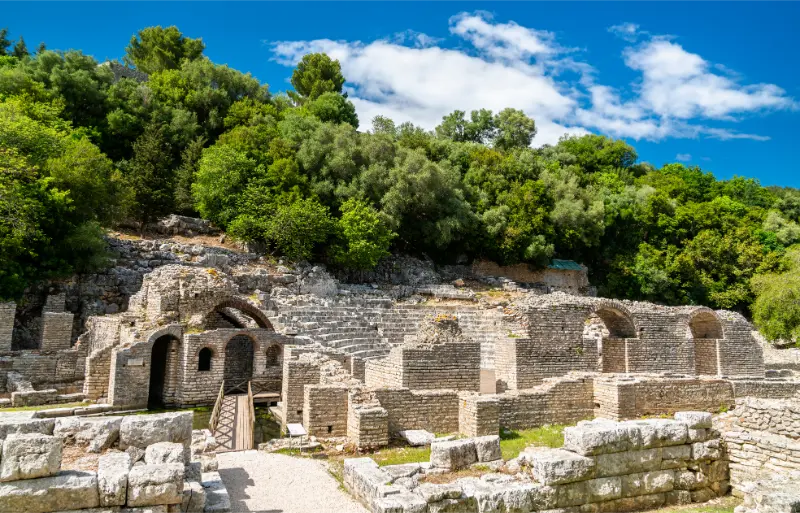
    Theater Amphitheater Archaeological Ruins Butrint Butrinto National Park Albania

    2: Ksamil

    Ksamil is close enough to Saranda for an easy beach day, but in peak summer it can be very busy. Its appeal is clear water, small bays and views toward the islands, while the drawback is concentration of visitors and beach businesses in a relatively small area.

    If you are staying in Saranda, arrive early and decide whether you want a full beach day or a shorter swim paired with Butrint. Do not spend half the day moving between tiny beaches simply because each has a different name. Our Ksamil and Saranda guide covers the differences.

    3: Blue Eye

    The Blue Eye is a karst spring near Muzinë, about 18 kilometres from Saranda according to the official tourism information. Its deep blue centre and surrounding forest make it one of southern Albania’s signature natural attractions. Popularity means it is no longer a hidden stop.

    Allow time for the approach and walk, especially in heat. Do not climb barriers or treat the water source as a swimming attraction. The Blue Eye works particularly well on a day that continues to Gjirokaster, creating a balance of nature and historic sightseeing.

    4: Gjirokaster

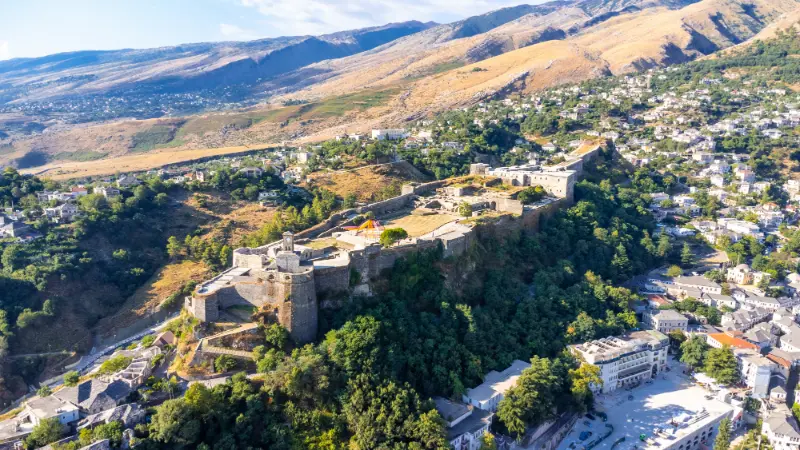
    Gjirokaster is far enough from Saranda to feel like a genuine excursion but close enough for a full day with an early start. The castle, old bazaar and stone houses provide a complete change of scene from the coast. It is one of Albania’s UNESCO historic centres and deserves more than a quick lunch.

    Aerial View Old Castle Fortress Gjirokaster Albania

    Wear good shoes for steep stone streets and plan the castle before the hottest part of a summer day. If you have flexibility, staying overnight is even better, but a day trip remains worthwhile. See our Gjirokaster travel guide.

    5: Blue Eye + Gjirokaster combined

    This is one of the most efficient pairings from Saranda because the two attractions lie on the same inland corridor. Start early, visit one before the midday peak and keep enough time for the other. Which comes first depends on heat, opening patterns, traffic and your preferred photography light.

    Avoid adding another major site after Gjirokaster. A combined day is already full once you include driving, parking, lunch and walking. If you enjoy slow travel, split them over two days instead; the purpose of a holiday is not to maximise the number of tickets used.

    6: Porto Palermo and Himare

    A northbound Riviera day gives you sweeping coastal views and a different atmosphere from Saranda. Porto Palermo offers a historic castle and sheltered bay, while Himare provides beaches, restaurants and access to the old town. The road itself is part of the experience.

    Driving times can expand in summer traffic, so do not build the day around exact minute-by-minute stops. Choose Porto Palermo plus one Himare-area beach rather than trying to reach Dhermi and Llogara as well. For a deeper visit, stay overnight using our Himare guide.

    7: Borsh and Qeparo

    Borsh and Qeparo make a calmer Riviera day than the best-known resort beaches. Borsh has a long coastline, while Qeparo adds an old hillside village and a more traditional sense of place. Together they work well for travellers who want scenery and lunch by the sea without a rigid attraction schedule.

    Go with a car or arranged driver so you can stop safely and adapt the route. In summer, use the beach during cooler morning or late-afternoon hours and explore villages between. Our Borsh guide adds practical detail.

    8: Boat trip to Krorëz or coastal coves

    Boat excursions from the Saranda area can reach beaches and coves that are difficult or impossible to access conveniently by road. Krorëz is one of the best-known remote options, with clear water and a dramatic natural setting. Different operators use different stops and boat types.

    Choose the operator based on safety, capacity, shade, trip length and clarity about what is included—not only on the most dramatic photo. Sea conditions can change the itinerary. Bring sun protection, water and a dry pouch, and respect instructions about boarding and swimming.

    9: Corfu

    Corfu sits directly opposite Saranda and international ferries make a day trip possible on suitable schedules. This is the only excursion on the list that involves leaving Albania, so passport or identity requirements, check-in times and Schengen or national entry rules for your documents matter.

    Do not book a tight same-day connection based on theoretical crossing time. Port procedures and weather add uncertainty. Verify the current ferry timetable and entry requirements close to travel, and keep enough margin for the return sailing.

    10: A slow local day can be the best “day trip”

    Not every spare day needs a long transfer. Lekuresi Castle viewpoints, beaches near Saranda, local restaurants and a relaxed promenade evening can be more enjoyable after several full excursions. This is especially true in July and August when heat and road traffic make ambitious itineraries tiring.

    Alternate high-effort and low-effort days. If Monday is Butrint and Ksamil, Tuesday can be Saranda; if Wednesday is Gjirokaster, Thursday can be a boat or beach day. A sustainable pace lets you enjoy the south instead of merely travelling through it.

    Aerial View Butrint Archaeological Site Albania

    Where to stay

    Accommodation changes quickly by season, so compare location, recent reviews, parking or transfer needs and cancellation terms before booking. Check current places to stay on Booking.com. If you are moving between several bases, reserving the hardest nights first usually gives you more flexibility for the rest of the route.

    A final planning note

    Before you travel, recheck the few details that can change close to departure: weather, road or trail conditions, seasonal transport, accommodation access and opening patterns for any attraction that is essential to your day. Albania is developing quickly as a destination, and a practical plan should allow local information to override an old screenshot or timetable.

    Keep important confirmations available offline and leave enough time between activities that one delay does not damage the rest of the itinerary. The strongest trips combine preparation with flexibility: know where you are sleeping and how you are moving between regions, but allow local advice to improve the details once you arrive.

    How to keep the trip realistic

    When several places look close together on a map, remember that parking, meals, viewpoints, check-in and walking time are part of the journey. Build days around one major experience plus smaller stops rather than three major attractions. This is especially important on the Riviera, in UNESCO old towns and in mountain regions, where access can be slower than a simple distance figure suggests.

    If you are travelling in July or August, start important sightseeing earlier and protect the middle of the day for lunch, swimming or rest. In spring and autumn, use the same flexibility for rain or changing mountain weather. A slower schedule is not wasted time; it is what lets you notice local food, small villages and landscapes between the famous places.

    Booking, timing and local flexibility

    Reserve the parts of the trip that are genuinely difficult to replace, then keep the rest flexible. In peak summer that usually means the most important accommodation, a rental car if supply is limited, and any boat trip or specialist activity that is central to your plans. Outside peak season, the bigger issue can be reduced frequency or seasonal opening, so confirming the next day with your host is often more useful than relying on an old timetable.

    Allow extra time for parking, finding a bus departure point, walking through steep historic streets and checking into small guesthouses. These details rarely appear in route planners but they determine whether a day feels relaxed or rushed. If local advice conflicts with an old blog post, use the current local information. Albania changes quickly, and flexibility is one of the most useful travel skills you can bring.

    Finally, keep one low-pressure period in every two or three days. It might be a long lunch, a beach afternoon, a café break or an early hotel check-in. That space gives you room to absorb delays without cancelling the experience you cared about most, and it usually creates better memories than adding one more distant stop simply because it looked close on the map.

    Which Saranda day trip should you choose?

    For a first visit, prioritise Butrint + Ksamil and Blue Eye + Gjirokaster. Add one Riviera or boat day if you have more time. That gives you archaeology, historic architecture, nature and the Ionian coast without spending every morning packing luggage and changing hotels.

  • Ksamil and Saranda Travel Guide: Beaches, Butrint, Where to Stay and What to Expect

    Ksamil and Saranda Travel Guide: Beaches, Butrint, Where to Stay and What to Expect

    Ksamil and Sarandë are close on the map but they solve different travel needs. Ksamil is the image many people have in mind when they dream about southern Albania: bright water, small bays and island views. Sarandë is the larger, busier and more practical coastal city, with far more restaurants, accommodation and transport connections. I enjoy both more when I stop expecting them to be the same destination.

    Albania Riviera Beach Coast Ionian Sea Ksamil Greece Island Corfu Shpella E Pellumbave Beach 2

    If you are arriving by road from the north, read my Albanian Riviera road-trip guide first. If this is part of a first trip around the country, the Albania travel guide explains when the south fits best into a broader itinerary.

    Ksamil or Sarandë: which is better?

    Choose Ksamil if beaches are the priority

    Ksamil is the better choice if your ideal day begins and ends at the water and you want to walk to several beach areas. It is compact and close to Butrint. The trade-off is intense seasonal demand: in July and August, popular beaches can feel crowded, organised sunbeds dominate many sections and prices can be higher than visitors expect from Albania.

    Choose Sarandë if you want convenience and evenings out

    Sarandë works better if you want restaurant choice, nightlife, a long seafront and easier transport. It is also a useful base for day trips. The city itself is urban and heavily developed along the coast, so do not book it expecting a tiny seaside village.

    Split the stay if you have four or more nights

    For a longer stay, two nights in each can work, but I usually prefer fewer hotel changes. An alternative is to stay in Sarandë and visit Ksamil early, or stay in Ksamil and use taxis or a car for evenings and day trips. The right answer depends on whether you value beach access or city convenience more.

    How many days do you need?

    Three nights are enough for one beach day, Butrint and a little time in Sarandë. Four or five nights are better if this is your main seaside break. If you are travelling in July or August, slower mornings and flexible beach choices make the experience much more enjoyable than trying to visit every famous bay.

    Ksamil beaches: what the photos do not show

    The water can be genuinely beautiful, but the experience depends heavily on the exact beach, season and time of day. Many sections are organised with sunbeds and umbrellas, and availability or pricing can change. I do not promise myself a specific “Instagram beach.” I walk around early, look at the sea, ask the price before settling in and choose the place that feels right that day.

    If you want quieter conditions, arrive early, travel outside peak summer, or explore farther from the most photographed central bays. Remember that “hidden” beach information ages quickly because access roads, development and beach management can change from one season to the next.

    The Ksamil islands

    The small islands offshore are part of the classic view. Depending on conditions and local services, visitors may reach them by small boat, kayak or other water transport. I always check wind, sea conditions and the return plan before heading out. Do not treat the short distance as proof that the crossing is safe in every condition.

    Butrint: the cultural stop you should not skip

    Butrint is one of Albania’s major archaeological sites and a UNESCO World Heritage property. It is close enough to Ksamil that I think it deserves a place even on a beach-focused holiday. The wider UNESCO World Heritage page for Albania lists Butrint among Albania’s World Heritage sites.

    I prefer to visit early or later in the day during hot months. The route includes exposed sections and uneven surfaces, so water, sun protection and comfortable shoes matter. Allow time to appreciate the setting around the lagoon instead of treating the ruins as a fast checklist.

    Sarandë seafront and evenings

    Sarandë comes alive in the evening. The promenade fills with people, restaurants stay busy and the waterfront becomes the social centre of town. If nightlife matters to you, staying within walking distance of the promenade is convenient. If you want quiet, look slightly away from the busiest strip and check recent reviews for street noise.

    Lekursi Castle viewpoint

    The hill above Sarandë gives a useful overview of the bay and Corfu across the water. Sunset is popular, which means traffic and tables can be in demand. I treat it as a viewpoint rather than a compulsory dinner reservation; if conditions look hazy, I am happy to keep the evening in town instead.

    The Blue Eye: beautiful, but plan the timing

    Syri i Kaltër, the Blue Eye, is a famous spring inland from Sarandë and Gjirokastër. It is easy to pair with a transfer between the coast and the interior, which I prefer to making a separate out-and-back drive. Summer midday can be busy and hot, so earlier or later timing is more comfortable.

    If you are continuing inland, combine the Blue Eye with Gjirokastër rather than returning to the coast twice. That creates a natural coastal-to-cultural route.

    Corfu and ferry connections

    Sarandë has seasonal and year-round ferry connections with Corfu depending on operator and period, making the Greek island a common gateway. Times, ports, luggage rules and check-in requirements vary by company. I always confirm the exact departure the day before and allow extra time for passport procedures, especially in summer.

    Getting around Ksamil and Sarandë

    A car gives you flexibility for Butrint, the Blue Eye and accommodation outside the centres, but parking can be frustrating in peak season. Local buses and taxis can be enough if you plan to stay mainly between Sarandë, Ksamil and Butrint. I would not rent a car solely for central beach days if it will spend most of the time parked.

    The broader options are explained in Getting Around Albania. If you are driving from Vlorë, do not underestimate how much longer the trip becomes once you start stopping along the coast.

    Where to stay

    Central Sarandë

    Choose the centre for restaurants, ferry access and evening walks. Higher floors can offer excellent views, but check whether the property has an elevator and whether parking is included if you have a car.

    Southern Sarandë

    Some hotels and apartments south of the centre offer sea views and beach access, but you may rely more on taxis or a car for the promenade. Check the walking route rather than only the straight-line distance.

    Ksamil centre

    Best for walking to beaches and restaurants. In high season, noise and parking vary block by block. Recent guest reviews are particularly useful here.

    You can compare accommodation in Ksamil on Booking.com or compare accommodation in Sarandë on Booking.com. These are sponsored links.

    Costs and beach-club expectations

    Southern Albania is not uniformly cheap. Beach sets, waterfront meals and peak-season rooms can add up quickly. Ask the price of sunbeds before choosing a spot, check whether there is a minimum spend, and carry some cash. A simple bakery breakfast and local lunch can balance a more expensive beach day.

    A 3-day plan I would use

    Day 1: Sarandë and the coast

    Arrive, settle in, walk the seafront and use the evening for dinner and the viewpoint if the weather is clear. Do not fill arrival day with a major excursion.

    Day 2: Ksamil beach day

    Go early, choose one beach area and stay long enough to enjoy it. In the late afternoon, walk through Ksamil or return to Sarandë before the dinner rush.

    Day 3: Butrint and inland transition

    Visit Butrint early. Then either have a final swim or continue toward the Blue Eye and Gjirokastër. This is one of the cleanest ways to connect the coast with southern Albania’s historic interior.

    Best time for Ksamil and Sarandë

    June and September are the months I prefer for a balance of warm weather, swimming and slightly more breathing room. July and August have the strongest summer atmosphere and the widest range of beach services, but they also bring the most traffic and demand. May can be lovely for sightseeing and the first coastal days, although the sea may feel cool and not every seasonal business will be operating at full pace.

    If I am travelling in peak summer, I change my schedule rather than complaining about crowds: early beach, long lunch or rest during the hottest hours, then an evening walk. That simple rhythm makes the south much more enjoyable.

    Ksamil and Sarandë with children

    Families often like Ksamil because many beach areas have relatively easy water access and everything is close together, but the practical details matter. I check shade, toilets, access from the road and whether the beach becomes noisy later in the day. A beautiful bay is not automatically the most comfortable place for a full family day.

    Sarandë can be easier for families who value supermarkets, pharmacies, a wider restaurant choice and evening promenades. If you have a stroller, examine the exact route to your accommodation: hills and steps can turn a short map distance into a difficult walk.

    Eating well without turning every meal into a waterfront splurge

    Seafood is an obvious choice in the south, but I also look for grilled vegetables, salads, byrek, local cheeses and simple meat dishes. Waterfront restaurants can be enjoyable for the setting; for better value, walk a little away from the first row and compare menus. In busy months I reserve only one or two special dinners and leave the rest flexible.

    My advice for enjoying Ksamil

    Go for the sea, not for the fantasy of having a famous beach to yourself in August. Choose your timing well and Ksamil can still be one of the most enjoyable coastal stops in Albania.

    For a longer coast route, go back to the Albanian Riviera road trip. For cultural contrast after the beach, continue to Gjirokastër or Berat.

    \n

    Related guide: Use Saranda as a base with our guide to the best day trips in southern Albania.

    Related guide: To understand the history behind Saranda’s name, visit the Monastery of the 40 Saints; our dedicated guide covers the medieval ruins, hilltop setting, terrain and how to combine it with Lëkurësi.

    Related guide: Saranda Synagogue Guide adds a focused layer to this destination, with historical context and practical visiting advice.

    \n\n

    Related guide: Pema e Thate Beach Guide: Clear Water near Ksamil and Saranda adds a focused stop to this destination and helps build a more detailed Albania itinerary.

    \n
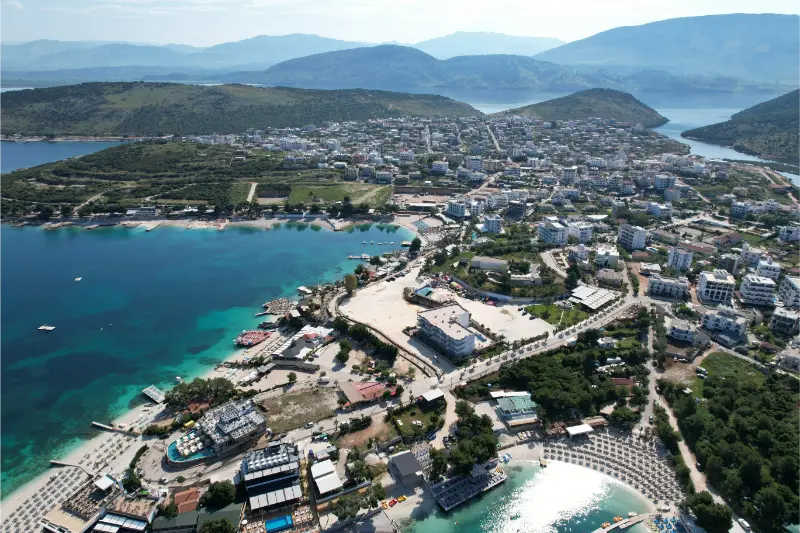
    Aerial View Saranda Coastal Resort Albania

    Related guide: Mirror Beach Albania Guide: Pasqyra Beach, Clear Water and How to Visit from Saranda adds a focused stop to this destination and helps build a more detailed Albania itinerary.

    Related guide: Ksamil Islands Guide: The Three Islands, Boats, Canoes and Clear Ionian Water adds a focused stop to this destination and helps build a more detailed Albania itinerary.

    Related guide: Saranda Promenade Guide: Sunset Walks, Cafes and Ionian Sea Views adds a focused stop to this destination and helps build a more detailed Albania itinerary.

    \n\n

    Related guide: Saint George Monastery Saranda Guide: Dema Hill, Ionian Views and Sacred Heritage adds a focused stop to this destination and helps build a more detailed Albania itinerary.

    \n

    Family planning: Saranda and Ksamil with Kids: Beaches, Butrint and Family Travel Tips.

    Choosing your base: Where to Stay in Saranda: Promenade, Port, Rruga Butrinti and Quieter Areas compares the most practical areas, access, parking and accommodation styles for this destination.

    Choosing your base: Where to Stay in Ksamil: Beachfront, Village Center and Quieter Areas compares the most practical areas, access, parking and accommodation styles for this destination.

    Suggested itinerary: 3 Days in Saranda and Ksamil: Beaches, Butrint, Blue Eye and a Smarter Riviera Itinerary gives you a realistic day-by-day plan with pacing, transport and optional stops.

    Explore beyond the city: Best Day Trips from Ksamil: Butrint, Blue Eye, Gjirokaster, Saranda and the Riviera compares the most useful excursions, transport options and realistic timing.

    Driving: Driving and Parking in Ksamil: Beach Parking, Butrint Road and Summer Traffic explains parking strategy, hotel access, traffic and when to leave the rental car parked.

    Only one day? 1 Day in Saranda and Ksamil: Butrint, Beach Time and a Sunset Promenade gives you a selective, realistic route with timing, transport and what to skip if you start late.

    When to go: Best Time to Visit Saranda and Ksamil: Beach Weather, Crowds and the Best Months compares every season, crowds, weather-sensitive activities and the best months for different travel styles.

    Arriving by air: Tirana Airport to Saranda: Bus Connection, Private Transfer, Rental Car and the South Route compares the airport bus/connection, official taxi, transfer and rental-car options.

    Beach planning: Best Beaches Near Sarandë: Mirror Beach, Pulebardha, Pema e Thatë and Wild Bays compares the best local beach options by access, families, transport and atmosphere.

    Beach planning: Best Beaches in Ksamil: Main Bays, Islands, Pema e Thatë and Quieter Alternatives compares the best local beach options by access, families, transport and atmosphere.

    Albania Ksamil Tourists Are Resting Beach Ionian Sea

    What to do: 15 Best Things to Do in Sarandë: Beaches, Butrint, Blue Eye and Sunset Views is the attraction-focused hub with priorities, free activities, family options and nearby experiences.

    Go beyond the highlights: Hidden Gems in Sarandë: 10 Lesser-Known Places Beyond Butrint and Ksamil focuses on lesser-known places, quiet neighborhoods and short regional detours.

    On a budget: Free Things to Do in Sarandë: 14 Seaside Walks, Beaches and Sunset Ideas shows what you can genuinely do without an admission ticket and where paid attractions are optional.

    Bad weather: Rainy Day in Sarandë: What to Do When Beach Plans Fail gives you a realistic museum, food and short-walk backup plan instead of forcing the normal outdoor itinerary.

    No car? Sarandë and Ksamil Without a Car: Buses, Taxis, Boats and Easy Day Trips explains walking, public transport, taxis and realistic excursions without renting a vehicle.

    Traveling alone? Solo Travel in Sarandë and Ksamil: Beaches, Safety, Nightlife and Day Trips covers accommodation, transport, evenings, day trips and practical solo safety.

    Traveling as a couple? Couples Travel in Sarandë and Ksamil: Beaches, Sunsets, Where to Stay and Day Trips covers where to stay, relaxed experiences, food, sunsets and a two-day plan.

    Easier-paced planning: Senior Travel in Sarandë and Ksamil: Beaches, Taxis, Butrint and an Easier Coastal Stay covers terrain, taxis, hotel access, rest breaks and a relaxed two-day plan.

    Budget planning: Sarandë & Ksamil Travel Costs: How Much to Budget Per Day in 2026 breaks down accommodation, food, transport, attractions and realistic daily spending.

    Photography: Best Viewpoints and Photo Spots in Sarandë and Ksamil: Ionian Sunsets and Island Views compares the best panoramas, street-photo locations and light for sunrise, sunset and blue hour.

    Shopping: Shopping in Sarandë: Souvenirs, Local Food, Olive Oil and What to Buy explains where to browse, what local products are worth buying, how to judge crafts and what is practical to take home.

    After dark: Nightlife in Sarandë: Promenade Bars, Sunset Drinks, Summer Clubs and Late Nights explains the best evening areas, seasonality, late transport, costs and what nightlife is realistically like.

    After dark: Nightlife in Ksamil: Beach Bars, Sunset Drinks, Summer Nights and What to Expect explains the best evening areas, seasonality, late transport, costs and what nightlife is realistically like.

    48-hour itinerary: 2 Days in Sarandë and Ksamil: Butrint, Beaches, Blue Eye and Sunset Views.

    Comparing bases? Sarandë vs Ksamil: Which Destination Should You Choose in Albania? explains the differences in atmosphere, sightseeing, transport, budget and ideal length of stay.

    Comparing bases? Sarandë vs Ksamil: Which Destination Should You Choose in Albania? explains the differences in atmosphere, sightseeing, transport, budget and ideal length of stay.

    Comparing bases? Ksamil vs Himarë: Which Destination Should You Choose in Albania? explains the differences in atmosphere, sightseeing, transport, budget and ideal length of stay.

    Comparing bases? Vlorë vs Sarandë: Which Destination Should You Choose in Albania? explains the differences in atmosphere, sightseeing, transport, budget and ideal length of stay.

    Accessibility planning: Accessible Travel in Sarandë and Ksamil: Promenades, Beaches, Butrint and Mobility explains terrain, hotel access, transport, easier routes and the main barriers to verify before travel.

    Route planning: Sarandë to Ksamil: Bus, Taxi, Rental Car and the Easiest Coastal Transfer explains bus/shuttle, car, transfer, luggage and seasonal logistics.

    Route planning: Sarandë to Gjirokastër: Bus, Car, Taxi and the Best Route Inland explains bus/shuttle, car, transfer, luggage and seasonal logistics.

    Route planning: Sarandë to Himarë: Bus, Car, Taxi and the Albanian Riviera Route explains bus/shuttle, car, transfer, luggage and seasonal logistics.

    First-time tips: Sarandë and Ksamil Travel Tips: 25 Things to Know Before Your First Visit covers practical mistakes, transport, where to stay, cash, timing and trip-planning details.

    Backpacking: Backpacking Sarandë and Ksamil: Budget Stays, Beaches, Butrint and Ferry Connections covers budget stays, buses, luggage, social travel and onward route planning for independent travelers.

    Continuing to Greece: Saranda to Corfu Ferry Guide explains tickets, passport control, luggage and day-trip versus overnight planning.

    Premium planning: Luxury Travel in Sarandë and Ksamil: Sea-View Stays, Private Boats and Butrint covers where to stay, private transfers, high-value splurges and premium experiences.

    Working remotely here? Digital Nomad in Sarandë: Remote Work, Sea-View Apartments, Wi-Fi and Seasonality covers neighborhoods, internet backup, long-stay apartments, transport and seasonality.

    Villages nearby: Best Villages and Small Towns Near Sarandë: Delvinë, Lukovë, Piqeras and More compares the best rural and small-town escapes from this base.

    Visiting Sarandë on a cruise

    Useful point-to-point transport guides

    Useful transport and border guides

    \n

    More local Albania guides

    \n

    More international routes into Albania

    Arriving and leaving by bus

    For exact departure points, tickets, luggage and onward connections, see the Sarandë bus station guide.

    \n

    Arriving and leaving by bus

    \n

    For current departure points, tickets, luggage and onward connections, see the Ksamil Bus Station Guide.

    \n

    Parking and arriving by car

    \n

    If you are driving, see the Parking in Ksamil for current parking strategy, hotel advice and local restrictions.

    Groceries and self-catering

    For apartment stays, family travel and day-trip supplies, see the Ksamil supermarkets and grocery-shopping guide.

    Health and pharmacies

    For emergency numbers, pharmacies, prescriptions, insurance and practical local medical planning, see Sarandë & Ksamil health and pharmacy guide.

    Accessibility and reduced-mobility planning

    If stairs, gradients, wheelchair access or reduced stamina affect your trip, see Accessible Sarandë and Ksamil: Promenades, Beaches, Ferries and Mobility Planning for practical local planning.

    SIM, eSIM and Wi-Fi

    For mobile data, roaming, hotel Wi-Fi and offline connectivity planning, see SIM Card, eSIM & Wi-Fi in Sarandë & Ksamil: Corfu Ferry, Beaches and Mobile Data.

    Travelling with a dog

    If you are bringing a dog, see Sarandë & Ksamil with a Dog: Beaches, Ferries, Hotels and Pet Travel Tips for accommodation, walks, heat, transport and pet-specific planning.

    Travelling with older children? See Sarandë & Ksamil with Teenagers: Beaches, Butrint, Blue Eye and Family Tips for teen-focused activities, independence, evenings and family pacing.

    Planning safety and avoiding common tourist problems? Read Is Sarandë & Ksamil Safe? Beaches, Ferry Port, Nightlife, Taxis and Scams for local advice on valuables, night travel, transport, roads and emergency planning.

    Prefer a slower, comfort-focused itinerary? Read Sarandë & Ksamil for Senior Travelers: Beaches, Hotels, Butrint, Taxis and Easy Pacing for hotel location, walking effort, taxis, heat, health preparation and realistic pacing.

    Travelling with a motorhome or campervan? Read Campervan & Camping in Sarandë & Ksamil: Summer Traffic, Butrint and Southern Albania Tips for overnight strategy, parking, road access, water/waste planning and protected-area camping rules.

    Muslim traveler? Read Muslim Travel in Sarandë & Ksamil: Mosques, Halal Food, Beaches and Practical Tips for prayer options, halal-food verification, Ramadan planning, accommodation areas and respectful mosque visits.

    Driving an EV? Read Electric Car in Sarandë & Ksamil: EV Charging, Butrint, Border Trips and Range for charging, range, hotel-power and backup planning.

    Travelling alone? Read Solo Female Travel in Sarandë & Ksamil: Ferry Arrival, Beaches, Nightlife and Safety for women-specific arrival, evening, transport and solo-planning advice.

    Winter trip: Sarandë in Winter: Quiet Seafront, Butrint, Ferries and What Stays Open explains what stays open, weather trade-offs, winter transport and a realistic low-season itinerary.

    Rainy-day plan: Sarandë & Ksamil on a Rainy Day: Cafés, History, Food and a Southern Albania Plan B explains the best indoor anchors, safe between-shower walks and what to postpone when the weather turns wet.

    Photography: Sarandë & Ksamil Photography Guide: Islands, Butrint, Blue Eye and Ionian Sunsets covers the best photo locations, light, street scenes, weather, gear and a realistic one-day shooting plan.

    Wellness & slow travel: Sarandë & Ksamil Wellness & Slow Travel Guide: Sea Views, Spa Time and Off-Season Calm covers easy pacing, spa and massage planning, gentle movement, nature, food and recovery days.

    Architecture guide: Sarandë & Butrint Architecture Guide: Ancient Urbanism, Byzantine Monuments, Ottoman Forts and a Modern Resort City explains the city’s architectural layers, landmark buildings, materials and a practical self-guided route.

  • Ardenica Monastery Guide: Byzantine Art, Skanderbeg History and a Stop near Fier

    Ardenica Monastery Guide: Byzantine Art, Skanderbeg History and a Stop near Fier

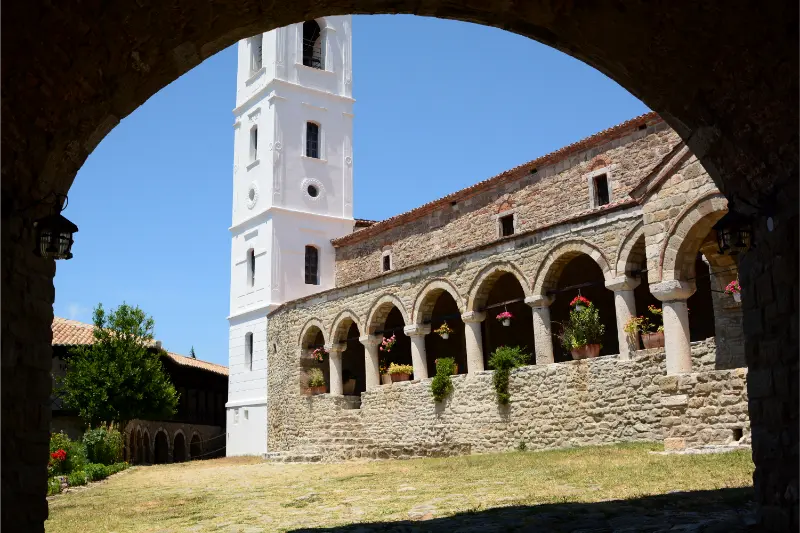
    Ardenica Monastery is one of the most rewarding cultural stops in the Fier region because it combines living religious heritage, hilltop scenery and a direct link with important moments in Albanian history. It is easy to overlook when planning around Apollonia or the coast, but the monastery adds a completely different layer to the day.

    Byzantine Abbey Pojan Orthodox Church Monastery Apollonia Archaeological Park Albania

    The official Albanian tourism portal places the monastery around 18 km south of Fier and dates its foundation to 1282 under Byzantine emperor Andronikos II; the tourism portal also notes the traditional association with Skanderbeg’s marriage in 1451 and the frescoes of the Zografi brothers.

    Why Ardenica Monastery deserves a place in an Albania itinerary

    The monastery is small enough to visit without fatigue but rich enough to reward attention. Unlike an archaeological ruin, it is a religious complex with architecture, painted decoration and a spiritual atmosphere that should shape how visitors behave.

    This is the kind of stop that works best when you understand its context. It fits naturally into a cultural route with Fier and Apollonia. I would not visit only to collect a photograph and leave. Give yourself enough time to notice the landscape, local rhythm and the practical details that connect the attraction to the wider region.

    What to see and what not to rush

    Spend time with the church architecture and frescoes rather than treating the complex as a quick exterior photo. Sacred art is easiest to appreciate when you slow down and look at composition, color and the relationship between painted surfaces and the building.

    The elevated setting gives broad views across the surrounding lowlands. The hilltop position also makes the monastery a pleasant pause between larger destinations, especially when the air is clear.

    The most rewarding visits in Albania often happen between the headline sights: a view from a quiet road, a conversation over coffee, a village lane, a local bakery or a few minutes watching the landscape change. Leave space for those moments instead of turning the day into a race between pins on a map.

    How much time to allow

    One to two hours is sufficient for most visitors. The value comes from a calm visit, not the size of the complex. Add lunch and Apollonia and you have a full cultural day around Fier.

    If you are driving, count parking, short detours and slower rural roads as part of the day. Distances in Albania can look small on a map while still requiring patience. I prefer one well-planned regional day to three attractions connected by constant driving.

    Getting there and moving around

    A car or taxi from Fier is the simplest approach. If relying on a taxi, agree on the return because the monastery is not a city-center attraction with constant passing transport.

    For a wider overview, use our getting around Albania guide and, if you are driving, our car-rental and driving guide. Download offline maps, keep some Albanian lek, and save the name of your accommodation or destination in Albanian spelling as well as English.

    Best time to visit

    Spring and autumn offer comfortable temperatures and clear countryside views. Summer works best in the morning or later afternoon, while winter can be peaceful provided roads and weather are normal.

    Weather matters differently depending on the setting. Archaeological sites and castles can feel exposed in summer, mountain roads can change quickly after storms, and beach destinations are much busier in July and August. Recheck current conditions near departure rather than assuming last year’s timetable or access arrangement is still valid.

    Where to stay

    Fier is the most practical base. Berat also works if Ardenica is part of a longer road trip through central and southern Albania rather than a dedicated overnight stop.

    Check current accommodation on Booking.com. Check the exact map location before booking because Albanian properties sometimes use the name of the nearest famous beach, lake or town even when they sit several kilometres away. Recent reviews are especially useful for parking, road access, noise and seasonal facilities.

    Food and local atmosphere

    Plan meals in Fier, around Apollonia or at a confirmed local restaurant. Religious sites should not be treated like entertainment complexes, so arrive prepared rather than expecting extensive tourist services inside.

    Byzantine Church St Mary Apollonia Temple Ruins Ancient Apollonia Albania

    I usually avoid building a rural day around one supposedly “must-visit” restaurant. Instead, I look for a place that is busy with local diners, read the menu and ask what is fresh. A slower lunch often adds more to the memory of a trip than squeezing in one extra viewpoint.

    Families, accessibility and comfort

    Families can manage the short visit well, particularly older children interested in history or art. Explain respectful behavior before entering the church and keep voices low during services or prayer.

    Travelers with reduced mobility should confirm the exact surface, steps, parking distance and toilet access directly with the attraction or accommodation. “Accessible by car” does not necessarily mean a historic ruin, castle, beach path or village street is step-free once you arrive.

    Safety and responsible travel

    Dress and behave respectfully, follow photography rules inside sacred spaces and do not touch frescoes or religious objects. Stone surfaces can be slippery in rain, so wear sensible shoes.

    Carry water, sun protection and a small first-aid kit. Do not climb unstable walls, remove stones, carve names into ruins or leave rubbish in natural areas. Where infrastructure is light, visitors have an even greater responsibility to protect the place rather than expecting the place to absorb every kind of visitor behavior.

    What to combine with this stop

    The strongest pairing is Apollonia. Travelers heading toward the coast can continue to Vlorë, while those moving inland can use Fier as a practical overnight stop.

    The best combinations are regional. Avoid pairing two places just because each looks attractive online if the transfer between them consumes half the day. A coherent route reduces driving, gives you more time outside the car and usually produces a more enjoyable trip.

    A simple way to plan the day

    Visit Apollonia early, have lunch, then continue to Ardenica when the strongest midday heat is easing. Spend an unhurried hour in the complex and finish the day in Fier or continue to your next base before dark.

    Byzantine Church St Mary Apollonia Temple Ruins Ancient Apollonia Albania 5

    Keep the final hour flexible. If the place is quieter than expected, stay longer. If access is busy, the weather changes or a road is slower than planned, use that margin for a café, a nearby village or an early dinner. Flexibility is one of the most useful travel skills in Albania.

    Is Ardenica Monastery worth visiting?

    Yes for culture, history and religious heritage. Ardenica is not a blockbuster attraction, but it is exactly the kind of layered, peaceful place that makes a road trip feel richer than a sequence of famous cities.

    I would include it for the experience it adds to the route, not because every traveler needs to see the same checklist. Albania rewards matching places to your interests: archaeology for history lovers, quiet villages for slow travelers, mountain landscapes for hikers, and beaches for people who want time by the water. That is the approach used throughout WonderfulAlbania.com.

    Practical details that make the visit easier

    A few small preparations make a disproportionate difference. Save an offline map before leaving your hotel, screenshot the exact parking or meeting point, and carry cash in smaller denominations. Mobile data coverage is generally useful in Albania, but valleys, rural roads and crowded summer areas are exactly where you do not want navigation to depend on a perfect signal.

    I also keep one flexible hour in the schedule. That margin absorbs traffic, roadworks, a longer lunch, a slower museum visit or a spontaneous viewpoint. Albania is compact enough to tempt travelers into overplanning, but the most enjoyable itineraries are usually the ones that leave room for the country to surprise you.

    Costs and booking strategy

    Prices vary sharply by season and by how close you are to a famous beach or attraction. Check current rates rather than copying an old budget from a forum. For accommodation, flexible cancellation can be worth paying slightly more during road trips because weather, transport and route changes are easier to manage when one reservation does not control the entire itinerary.

    For taxis, boat trips or private transfers, confirm what the quoted price includes and whether it is per person, per vehicle or for a round trip. A clear message before departure avoids most misunderstandings. Keep receipts or screenshots for important bookings and use official or well-reviewed providers for services where safety matters.

    Photography and the best light

    Early and late light is usually more flattering than midday, but the best moment depends on the landscape. Castles and ruins benefit from side light that reveals texture; lagoons and lakes can look cleaner when wind is low; mountain valleys often become hazy later in hot weather. Do not let photography push you onto unstable walls, cliff edges or private land.

    If you use a drone, check current national and local rules before flying. Protected nature, archaeological sites, religious buildings and populated beaches can all involve restrictions or ethical concerns. A drone shot is never more important than conservation, privacy or safety.

  • Albania UNESCO Itinerary: 7 Days Through Berat, Gjirokastër, Butrint and Lake Ohrid

    Albania UNESCO Itinerary: 7 Days Through Berat, Gjirokastër, Butrint and Lake Ohrid

    Albania has four properties on the UNESCO World Heritage List: Butrint; the Historic Centres of Berat and Gjirokastër; the Natural and Cultural Heritage of the Ohrid region; and component parts of the transnational Ancient and Primeval Beech Forests of the Carpathians and Other Regions of Europe. A one-week first trip cannot responsibly squeeze every component into a single loop, so this itinerary focuses on the three heritage areas that fit naturally into a cultural road trip.

    Remains Ancient Baptistery 6th Century Butrint Albania This Archeological Site World Heritage Site UNESCO 4

    The route begins with Berat, continues to Gjirokastër and Butrint, then crosses toward Pogradec and the Albanian side of Lake Ohrid. The beech-forest property is better treated as an extension for hikers and nature-focused travellers rather than a rushed detour merely to complete a list.

    UNESCO status is not a substitute for local context. Spend enough time to understand living neighbourhoods, archaeological layers and landscape, and remember that Berat and Gjirokastër together form one serial World Heritage property rather than two separate inscriptions.

    At a glance

    DaysUNESCO focusBase
    1–2Historic Centre of BeratBerat
    3Historic Centre of GjirokastërGjirokastër
    4–5Butrint and southern cultural landscapeSarandë
    6Albanian side of Lake OhridPogradec
    7Return / Tirana museum contextTirana

    Days 1–2: Berat

    Begin with two nights in Berat so the World Heritage area is more than a sunset photo stop. Explore Mangalem and Gorica at walking pace, cross the river repeatedly and notice how the city’s architecture changes with viewpoint. The next morning, go to Berat Castle when temperatures are comfortable and allow time for the churches, lanes and Onufri Museum rather than visiting only the panorama.

    UNESCO describes Berat and Gjirokastër as rare, well-preserved examples of Ottoman-period architectural character and vernacular urban traditions. In Berat, that story is visible in the relationship between the castle, Christian monuments, mosques and merchant neighbourhoods. Read Berat Travel Guide before arrival so the city does not become just “the thousand windows” photograph.

    Day 3: Gjirokastër

    Drive or take a transfer south to Gjirokastër. The steep old town rewards an overnight because the bazaar, castle and traditional houses feel different after day visitors leave. Visit at least one historic house to understand the domestic architecture; the exterior skyline makes far more sense once you see how rooms, defensive elements and family life were organized.

    Berat and Gjirokastër share one UNESCO listing, but they should not feel repetitive. Their terrain, house forms and urban atmosphere are distinct. Avoid treating the second city as a quick duplicate of the first.

    Days 4–5: Butrint from Sarandë

    Move to Sarandë and visit Butrint on a separate morning. UNESCO notes that the site preserves layers from prehistoric settlement through Greek, Roman, Byzantine and later periods within a Mediterranean cultural landscape. That combination of archaeology and wetland setting is why a rushed one-hour walk misses much of the experience.

    Start early in hot months, carry water and give yourself time to read the site rather than photographing each monument and moving on. Use the second southern day for Sarandë, Ksamil or another nearby cultural stop; do not add a distant attraction simply because the map looks compact.

    Day 6: Pogradec and the Albanian side of Lake Ohrid

    The Natural and Cultural Heritage of the Ohrid region is a transboundary UNESCO property shared by North Macedonia and Albania. On the Albanian side, base yourself in Pogradec and explore lakeside landscapes such as Lin, Drilon and Tushemisht according to your available time. The experience is quieter and more landscape-led than Berat or Butrint.

    This is a long cross-country move from the far south, so treat the road as part of the day and avoid scheduling a fixed late-afternoon museum ticket. If you want to understand the Ohrid property in depth, add a second night rather than racing back to Tirana.

    Day 7: return to Tirana and put the route in context

    Return to Tirana with enough daylight and use any remaining time for a museum that helps connect Albania’s archaeological, Ottoman and modern history. A heritage trip becomes more coherent when you can place Butrint, medieval churches and Ottoman towns on a broader timeline.

    Compare accommodation in Tirana on Booking.com if you are flying the next day.

    What about Albania’s UNESCO beech forests?

    The transnational Ancient and Primeval Beech Forests property includes Albanian components, but these are nature destinations that require different logistics from the cultural circuit above. Do not add a forest component solely to claim that you “did all UNESCO sites” in one week. Plan it as a hiking or nature extension with current access information.

    If wilderness is your priority, build a separate trip around Rrajca Beech Forest and nearby eastern Albania.

    How to visit heritage sites responsibly

    Stay on marked routes at archaeological sites, do not climb fragile walls for photographs and respect worship when churches or mosques are still active. In lived-in historic quarters, remember that balconies, courtyards and doorways may be private homes rather than open-air museum exhibits.

    Buy tickets from official points where required and use local guides when you want deeper historical interpretation. The value of the trip comes from understanding layers, not from collecting signs with UNESCO logos.

    Driving versus public transport

    A car makes the full seven-day loop easier, especially the southern-to-Ohrid transfer. Without a car, Berat, Gjirokastër and Sarandë are straightforward enough by bus, but Pogradec from the far south may require a less elegant connection. Consider splitting the route or using a private transfer for one difficult leg.

    If you are car-free, read Albania Without a Car before confirming hotels.

    Best season for the UNESCO route

    April to June and September to October are excellent because old towns and archaeological sites are easier to walk in cooler weather. July and August are possible, but plan Butrint and steep city sightseeing early, then use midday for lunch or rest.

    Winter can be atmospheric in Berat and Gjirokastër, but daylight is shorter and the cross-country drive to Pogradec needs more weather awareness.

    Why the route order matters

    Berat and Gjirokastër form the architectural core, Butrint adds deep archaeology and wetland landscape, and Lake Ohrid changes the trip again into a transboundary cultural-natural setting. This progression helps the week feel like a story rather than four UNESCO labels.

    Butrint Lake And Wetlands Albania

    If you reverse the route, keep the same principle: stay overnight near the heritage area, visit at a comfortable hour and avoid pairing a major site with an unnecessarily long transfer.

    Visiting heritage sites with more context

    Read a short introduction before entering each site, then put the phone away for the first ten minutes. In Berat and Gjirokastër, notice how streets, slopes, houses and fortifications fit together; at Butrint, follow the chronological layers rather than racing between monuments; around Ohrid, pay attention to the relationship between settlement and lake.

    A local guide can be especially worthwhile when the visible remains are only part of the story. If you prefer independent visits, use official interpretation panels and a reputable guidebook, and leave enough time for the museum or exhibition component where available.

    Where to stay

    Stay inside or beside the historic fabric when access is practical: a night in Berat or Gjirokastër after day-trippers leave adds more to the route than a rushed roadside visit. In Sarandë and Pogradec, choose convenience for the next day’s excursion.

    Compare accommodation in Berat on Booking.com for the first UNESCO base.

    Tours and activities

    Guides are especially valuable at Butrint and in the historic centres when you want architectural or archaeological context. Use tours to deepen interpretation rather than to compress three heritage places into one exhausting day.

    Aerial View Venetian Triangular Castle Vivari Channel Butrint Albania 2

    Official information to check before you go

    UNESCO currently lists four World Heritage properties for Albania; check UNESCO’s Albania page for the authoritative list and current conservation information.

    For destination logistics, consult the official Albania tourism portal as well as local site information.

    Useful related guides

    Common mistakes

    • Counting Berat and Gjirokastër as two separate UNESCO properties.
    • Trying to add remote beech-forest components to a one-week culture trip without hiking logistics.
    • Visiting Butrint in the hottest part of the day and rushing through it.
    • Treating lived-in historic neighbourhoods like unrestricted museum sets.
    • Scheduling the long south-to-Pogradec transfer too tightly.
    • Choosing only viewpoints and skipping the museums or houses that explain the architecture.

    Frequently asked questions

    How many UNESCO World Heritage properties does Albania have?

    UNESCO currently lists four properties associated with Albania: Butrint; Historic Centres of Berat and Gjirokastër; Natural and Cultural Heritage of the Ohrid region; and the transnational Ancient and Primeval Beech Forests property.

    Are Berat and Gjirokastër one UNESCO site?

    They are one serial World Heritage property called the Historic Centres of Berat and Gjirokastra.

    Is Lake Ohrid UNESCO only in North Macedonia?

    No. The World Heritage property is transboundary and includes territory in Albania as well as North Macedonia.

    Can I visit this route without a car?

    Yes, but the southern Albania to Pogradec leg is less convenient. A transfer or revised order may help.

    Is one week enough?

    It is enough for the cultural route above, but add time if you want the beech forests or deeper hiking and museum visits.

    Final recommendation

    Use UNESCO as a thread, not a checklist. Berat, Gjirokastër, Butrint and Lake Ohrid show very different relationships between people, architecture, archaeology and landscape. A week is enough to connect them meaningfully when you spend nights in the places rather than turning every heritage property into a drive-by stop.

  • Gjirokaster Travel Guide: Castle, Bazaar, Stone Houses and Southern Albania

    Gjirokaster Travel Guide: Castle, Bazaar, Stone Houses and Southern Albania

    Gjirokastër looks as if it has been built from the same stone as the mountain behind it. The streets are steep, roofs are heavy with grey slate and the castle sits above almost everything. After the brighter white façades of Berat or the blue coast near Sarandë, the city feels like a complete change of mood.

    Gjirokastër and Berat are jointly inscribed by UNESCO for their historic centres and well-preserved Ottoman-period architecture. The official UNESCO page for Berat and Gjirokastër describes Gjirokastër’s characteristic tower houses and long urban history. I recommend reading a little context before arriving because the architecture becomes much more meaningful once you know what you are looking at.

    How long do you need in Gjirokastër?

    One night is enough for the castle, bazaar and one historic house if you arrive early. Two nights let you slow down and fit the town naturally between the Blue Eye, Përmet or the southern coast. I strongly prefer an overnight stay to a fast stop between Sarandë and Tirana.

    Start with the old bazaar

    The bazaar area is the easiest place to orient yourself. Cobbled streets climb between shops, cafés, guesthouses and restaurants. It is also where the town can feel most visitor-focused, so I use it as a starting point and then walk into quieter residential lanes.

    Footwear matters here more than in many Albanian cities. The stone streets are beautiful but uneven and can be slippery. I leave smooth-soled sandals for the coast.

    Gjirokastër Castle

    The castle is the major landmark and one of the best places to understand the geography of the Drino valley. Because the site is large and exposed, I visit early in summer. The climb from the bazaar is manageable for many visitors but steep enough that a taxi can be worthwhile for travellers with limited mobility.

    Do not rush the ramparts and viewpoints. The fortress is not only a place to photograph the town below; it contains layers of military and political history. Exhibitions and access areas can change, so check current visitor information locally.

    Visit at least one historic house

    The traditional houses are what make Gjirokastër more than a fortress town. Their defensive appearance, internal organisation and decorative rooms reflect the lives of wealthy families in a very specific social and architectural setting. If time is limited, choose one carefully rather than sprinting through several.

    Skenduli House

    Skenduli House is frequently visited because it preserves many traditional architectural details. Guided explanations can make a major difference; without context, it is easy to see only a beautiful old interior and miss how spaces were used.

    Zekate House

    Zekate House is another impressive example, set higher on the slope. The uphill walk is part of the experience but can be tiring in heat. If you are already planning the castle and several steep streets, spread the climbs across the day.

    Cold War Tunnel and recent history

    Gjirokastër also has sites connected with Albania’s communist period, including an underground bunker complex. It offers a different layer from the Ottoman-era old town. I would pair it with the historic houses to avoid leaving with a one-period view of the city.

    Where to stay

    Old bazaar area

    The easiest option if you want atmosphere and restaurants on foot. The downside is that car access and parking may be complicated, and some rooms can hear evening activity.

    Residential slopes around the old town

    Potentially quieter and more scenic, but check the exact walking gradient. A property that looks only 500 metres away on a map can feel much farther when the route climbs sharply.

    Lower town

    More practical for parking and flatter access, though you lose some of the immersive old-town feeling. It can work well if you have a car and plan an early departure.

    You can compare hotels and guesthouses in Gjirokastër on Booking.com. This is a sponsored link. Read access instructions before driving to a historic-centre guesthouse.

    Parking and driving

    Gjirokastër is one of the places where I prefer to park once and walk. The old streets are not designed for visitors circling in search of a doorway. Ask your accommodation for the recommended parking point and do not assume the navigation app will choose a comfortable route.

    If you are using public transport, confirm the current station and departure time close to travel. My broader comparison of buses and rental cars is in the getting-around Albania guide.

    What to eat

    Southern Albanian food is one of the pleasures of staying overnight. Ask about qifqi, the rice-ball speciality associated with Gjirokastër, along with pies, stuffed vegetables, local cheeses, grilled dishes and seasonal produce. Guesthouses can be excellent places for a traditional breakfast.

    As in Berat, I like one meal with a view and another slightly away from the most obvious tourist street. The second is often where I find a quieter atmosphere and a more focused menu.

    Gjirokastër and the Blue Eye

    The Blue Eye spring lies on the route between Gjirokastër and the coast, which is why I prefer to visit it while changing bases. For example, leave Gjirokastër in the morning, stop at the spring, and continue to Sarandë or Ksamil. This avoids backtracking and turns a transfer day into a sightseeing day.

    Gjirokastër and Përmet

    If you have more than a week in Albania, heading toward Përmet creates a more inland southern route focused on mountains, thermal springs, villages and food. I would not squeeze it into a short itinerary that already includes the Riviera and Theth; save it for a slower second trip if necessary.

    Best time to visit

    Spring and autumn are ideal for steep walking. In summer, the old stone amplifies the heat, so I start with the castle or a historic house in the morning, rest over lunch and use the later afternoon for the bazaar. Winter brings a quieter atmosphere but also shorter daylight and more variable weather.

    A one-night Gjirokastër plan

    Arrival afternoon

    1. Check in and leave the car parked if possible.
    2. Walk through the bazaar and nearby lanes.
    3. Visit one historic house before closing time.
    4. Have dinner in the old town and enjoy the evening without another drive.

    Next morning

    1. Visit the castle early.
    2. Add the Cold War Tunnel or another historic house if time allows.
    3. Have an early lunch.
    4. Continue toward the Blue Eye and Sarandë, or north toward Berat.

    Berat or Gjirokastër?

    They share UNESCO status but offer different experiences. Berat is organised around the Osum River, Mangalem, Gorica and a hilltop castle district. Gjirokastër is steeper and more monochrome, with massive stone houses and a fortress that dominates the valley. If your route allows it, visiting both is not repetitive.

    Gjirokastër with children

    The fortress, tunnels and unusual stone houses can be fascinating for older children, but the steep streets require pacing. I would choose one historic house, the castle and plenty of breaks rather than trying to reproduce an adult sightseeing list. A child carrier can be more practical than a stroller on the steepest cobbles.

    Photography and viewpoints

    Gjirokastër is photogenic because the roofs, mountain backdrop and layered houses create depth from almost every slope. Morning light can be softer over the old town, while late afternoon often works well from the castle or higher residential streets. The best compositions are not always in the bazaar; walking ten minutes away from the main commercial lane often reveals quieter roofs and courtyards.

    Clock Tower Castle Gjirokaster Albania Souvenir Shops Old Town Gjirokaster

    Day trip or overnight stay?

    A day trip gives you the headline sights but misses the town after the busier middle hours. Staying overnight means you can see the bazaar early, visit the fortress before the heat and have dinner without another long drive. If your schedule is tight, I would cut a minor stop elsewhere before reducing Gjirokastër to a two-hour pause.

    Practical tips for the old town

    • Carry only what you need for the day; steep cobbles make heavy bags annoying.
    • Ask whether your guesthouse is reachable by car before following navigation blindly.
    • Use cash as a backup for small shops and family-run places.
    • In summer, put the fortress first and the bazaar later in the day.
    • If rain starts, slow down: the stone streets become noticeably more slippery.

    For travellers with an extra day, Gjirokastër also works as a base for nearby villages or a slower food-focused route through the south. I would rather add that depth than create a new one-night stop several hours away.

    I also keep the evening deliberately light. After a day of climbing, museums and stone streets, dinner and a slow walk are enough. The town has a stronger atmosphere after sunset when you are not rushing toward another destination or thinking about the next parking stop.

    My Gjirokastër takeaway

    The steep streets are not an inconvenience to work around; they are part of Gjirokastër’s identity. Plan fewer attractions, wear good shoes and let the old town reveal itself slowly.

    From here, the natural next steps are Sarandë and Ksamil on the coast or Berat farther north. Both connections appear in my 7-day Albania itinerary.

    Related guide: For ancient history beyond the old town, add our Antigonea Archaeological Park guide.

    Related guide: For a quieter historic town nearby, add Libohovë and its castle to your Gjirokastër stay.

    Related guide: To understand how a traditional Gjirokastër tower house worked from the inside, add our Skenduli House guide to your old-town planning.

    Related guide: For one of the city’s most impressive early-19th-century tower houses, see our dedicated Zekate House guide.

    Related guide: The fortress above the Stone City deserves more than a viewpoint stop; our Gjirokaster Castle guide covers the museums, prison history, military displays and Drino Valley panorama.

    Related guide: For a quieter walk beyond the bazaar, follow our Ali Pasha Bridge guide to the surviving aqueduct in Dunavat, with practical notes on terrain, history and the best way to combine it with the castle.

    Related guide: Gjirokaster Bazaar Mosque Guide adds a focused layer to this destination, with historical context and practical visiting advice.

    Related guide: Ismail Kadare House Gjirokaster Guide adds a focused layer to this destination, with historical context and practical visiting advice.

    Related guide: Gjirokaster Ethnographic Museum Guide adds a focused layer to this destination, with historical context and practical visiting advice.

    Related guide: Sotira Village Guide: Forests, Springs and Cultural Heritage in Dropull adds a focused stop to this destination and helps build a more detailed Albania itinerary.

    \n\n

    Related guide: Traditional Albanian Architecture: Stone Houses, Kullas, Bazaars and Historic Neighborhoods develops this subject as a dedicated cultural route.

    \n

    Related cultural guide: Albanian Folk Iso-Polyphony Guide: UNESCO Singing Traditions of Southern Albania.

    Related cultural guide: Gjirokaster National Folklore Festival Guide: Music, Dance, Costumes and Trip Planning.

    Choosing your base: Where to Stay in Gjirokaster: Old Bazaar, Palorto, Dunavat and Lower Town compares the most practical areas, access, parking and accommodation styles for this destination.

    Suggested itinerary: 1 Day in Gjirokaster: Castle, Bazaar, Stone Houses and a Realistic Route gives you a realistic day-by-day plan with pacing, transport and optional stops.

    Explore beyond the city: Best Day Trips from Gjirokaster: Blue Eye, Antigonea, Libohova, Permet and More compares the most useful excursions, transport options and realistic timing.

    Local food: Gjirokaster Food Guide: Qifqi, Oshaf, Traditional Dishes and What to Order explains regional dishes, food shopping, what to order and how to plan a food-focused day.

    Explore on foot: Gjirokaster Self-Guided Walking Tour: Bazaar, Stone Houses and the Castle gives you a practical stop-by-stop route, a shorter version and an easier alternative.

    Driving: Driving and Parking in Gjirokaster: Old Bazaar, Castle, Hills and Rental-Car Tips explains parking strategy, hotel access, traffic and when to leave the rental car parked.

    Getting here: Tirana to Gjirokaster: Bus, Car, Transfer and the Best Route South compares public transport, driving and private-transfer options with arrival advice.

    When to go: Best Time to Visit Gjirokaster: Weather, Crowds, Stone Streets and the Best Months compares every season, crowds, weather-sensitive activities and the best months for different travel styles.

    Arriving by air: Tirana Airport to Gjirokaster: Bus Connection, Transfer, Taxi and Rental Car compares the airport bus/connection, official taxi, transfer and rental-car options.

    What to do: 15 Best Things to Do in Gjirokastër: Castle, Bazaar, Stone Houses and Hidden Corners is the attraction-focused hub with priorities, free activities, family options and nearby experiences.

    Go beyond the highlights: Hidden Gems in Gjirokastër: 10 Lesser-Known Places in and Around the Stone City focuses on lesser-known places, quiet neighborhoods and short regional detours.

    On a budget: Free Things to Do in Gjirokastër: 14 Walks, Views and Stone-City Experiences shows what you can genuinely do without an admission ticket and where paid attractions are optional.

    Bad weather: Rainy Day in Gjirokastër: Museums, Stone Houses and What to Do When It Rains gives you a realistic museum, food and short-walk backup plan instead of forcing the normal outdoor itinerary.

    No car? Gjirokastër Without a Car: Walking, Taxis and Easy Southern Albania Excursions explains walking, public transport, taxis and realistic excursions without renting a vehicle.

    Traveling alone? Solo Travel in Gjirokastër: Old Bazaar, Safety, Hills and Southern Day Trips covers accommodation, transport, evenings, day trips and practical solo safety.

    Traveling as a couple? Couples Travel in Gjirokastër: Stone Houses, Castle Views, Food and Romantic Walks covers where to stay, relaxed experiences, food, sunsets and a two-day plan.

    Have three days? 3 Days in Gjirokaster: Castle, Stone Houses and Southern Day Trips gives you a slower city plan plus the most logical regional excursion.

    Easier-paced planning: Senior Travel in Gjirokastër: Steep Streets, Castle Access and a Comfortable Visit covers terrain, taxis, hotel access, rest breaks and a relaxed two-day plan.

    Budget planning: Gjirokastër Travel Costs: How Much to Budget Per Day in 2026 breaks down accommodation, food, transport, attractions and realistic daily spending.

    Photography: Best Viewpoints and Photo Spots in Gjirokastër: Castle, Stone Roofs and Drino Valley compares the best panoramas, street-photo locations and light for sunrise, sunset and blue hour.

    Shopping: Shopping in Gjirokastër: Old Bazaar Crafts, Textiles, Ceramics and Local Products explains where to browse, what local products are worth buying, how to judge crafts and what is practical to take home.

    48-hour itinerary: 2 Days in Gjirokastër: Castle, Bazaar, Historic Houses and the Drino Valley.

    Comparing bases? Berat vs Gjirokastër: Which Destination Should You Choose in Albania? explains the differences in atmosphere, sightseeing, transport, budget and ideal length of stay.

    Accessibility planning: Accessible Travel in Gjirokastër: Steep Streets, Cobblestones, Hotels and Mobility explains terrain, hotel access, transport, easier routes and the main barriers to verify before travel.

    Route planning: Sarandë to Gjirokastër: Bus, Car, Taxi and the Best Route Inland explains bus/shuttle, car, transfer, luggage and seasonal logistics.

    Route planning: Berat to Gjirokastër: Bus, Car, Transfer and the UNESCO-to-UNESCO Route explains bus/shuttle, car, transfer, luggage and seasonal logistics.

    First-time tips: Gjirokastër Travel Tips: 22 Things to Know Before Your First Visit covers practical mistakes, transport, where to stay, cash, timing and trip-planning details.

    Hiking: Best Hikes Near Gjirokastër: Ali Pasha Bridge, Antigonea, Villages and Mountain Walks compares the best local walks and mountain routes by difficulty, access, season and transport.

    Museums & culture: Best Museums and Historic Houses in Gjirokastër: Stone-City Culture Beyond the Castle compares the most useful collections, historic houses and cultural sites, with realistic visit planning.

    Backpacking: Backpacking Gjirokastër: Budget Stays, Old Bazaar, Buses and the Southern Albania Route covers budget stays, buses, luggage, social travel and onward route planning for independent travelers.

    Premium planning: Luxury Travel in Gjirokastër: Heritage Stays, Private Guides and Slow Southern Albania covers where to stay, private transfers, high-value splurges and premium experiences.

    Working remotely here? Digital Nomad in Gjirokastër: Remote Work, Old-Town Living, Wi-Fi and Long Stays covers neighborhoods, internet backup, long-stay apartments, transport and seasonality.

    How long should you stay? How Many Days in Gjirokastër? 1, 2 or 3 Days in Albania’s Stone City compares one, two and three days and explains when an extra night is actually useful.

    Villages nearby: Best Villages and Small Towns Near Gjirokastër: Libohovë, Nepravishtë, Dropull and More compares the best rural and small-town escapes from this base.

    Useful point-to-point transport guides

    Useful transport and border guides

    \n

    More specialist Albania guides

    \n\n

    More local Albania guides

    \n\n

    More local Albania guides

    \n\n

    More local Albania guides

    \n\n

    More local Albania guides

    \n

    More local Albania guides

    More international routes into Albania

    Arriving and leaving by bus

    For exact departure points, tickets, luggage and onward connections, see the Gjirokastër bus station guide.

    \n

    Parking and arriving by car

    \n

    If you are driving, see the Parking in Gjirokastër for current parking strategy, hotel advice and local restrictions.

    Exploring without a car

    For local buses, walking, taxis and day-trip planning, see Gjirokastër Without a Car.

    Taxi and private transfers

    For local taxi booking, luggage transfers, longer private rides and practical fare advice, see Gjirokastër Taxi Guide.

    Luggage storage and laundry

    If you have an early arrival, late departure or need to wash clothes during a longer stay, see Gjirokastër luggage storage and laundry guide for practical local options and travel-day planning.

    Health and pharmacies

    For emergency numbers, pharmacies, prescriptions, insurance and practical local medical planning, see Gjirokastër health and pharmacy guide.

    Accessibility and reduced-mobility planning

    If stairs, gradients, wheelchair access or reduced stamina affect your trip, see Accessible Gjirokastër: Steep Streets, Bazaar, Castle and Mobility-Friendly Planning for practical local planning.

    Gjirokaster Castle Clock Tower And Old Town Albania

    SIM, eSIM and Wi-Fi

    For mobile data, roaming, hotel Wi-Fi and offline connectivity planning, see SIM Card, eSIM & Wi-Fi in Gjirokastër: Hills, Old Bazaar and Mobile Connectivity.

    Travelling with a dog

    If you are bringing a dog, see Gjirokastër with a Dog: Steep Streets, Bazaar, Castle and Pet Travel Tips for accommodation, walks, heat, transport and pet-specific planning.

    Travelling with older children? See Gjirokastër with Teenagers: Castle, Bazaar, Stone Houses and Family Adventure Tips for teen-focused activities, independence, evenings and family pacing.
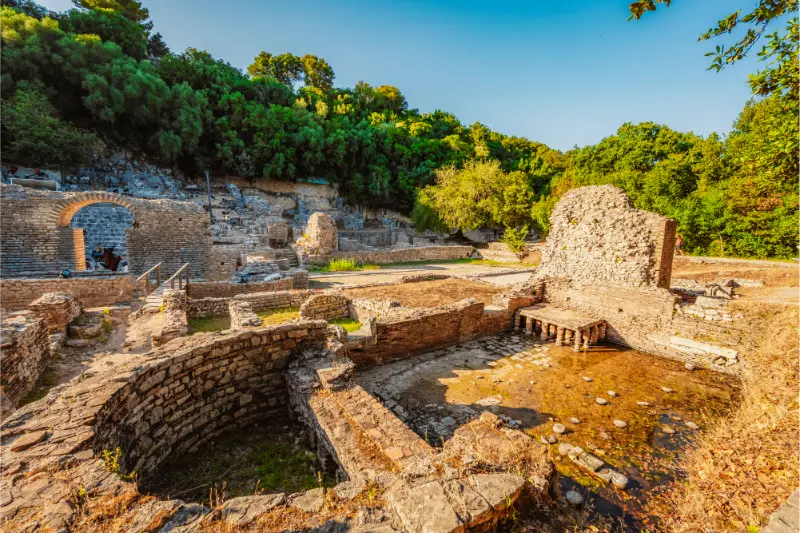
    Planning safety and avoiding common tourist problems? Read Is Gjirokastër Safe? Steep Streets, Bazaar, Driving and Night Safety Tips for local advice on valuables, night travel, transport, roads and emergency planning.

    Prefer a slower, comfort-focused itinerary? Read Gjirokastër for Senior Travelers: Bazaar Hills, Castle Access, Hotels and Easy Pacing for hotel location, walking effort, taxis, heat, health preparation and realistic pacing.

    Travelling with a motorhome or campervan? Read Campervan & Camping in Gjirokastër: Old Bazaar Hills, Parking, Vjosa and Road-Trip Planning for overnight strategy, parking, road access, water/waste planning and protected-area camping rules.

    Muslim traveler? Read Muslim Travel in Gjirokastër: Bazaar Mosque, Halal Food, Prayer and Heritage Tips for prayer options, halal-food verification, Ramadan planning, accommodation areas and respectful mosque visits.

    Driving an EV? Read Electric Car in Gjirokastër: EV Charging, Hills, Blue Eye and South Albania Range for charging, range, hotel-power and backup planning.

    Travelling alone? Read Solo Female Travel in Gjirokastër: Bazaar, Hills, Transport, Night Safety and Day Trips for women-specific arrival, evening, transport and solo-planning advice.

    Winter trip: Gjirokastër in Winter: Stone Streets, Museums, Castle Views and Low-Season Tips explains what stays open, weather trade-offs, winter transport and a realistic low-season itinerary.

    Rainy-day plan: Gjirokastër on a Rainy Day: Museums, Historic Houses, Bazaar and Wet-Stone Tips explains the best indoor anchors, safe between-shower walks and what to postpone when the weather turns wet.

    Photography: Gjirokastër Photography Guide: Stone Roofs, Bazaar, Castle and Drino Valley Light covers the best photo locations, light, street scenes, weather, gear and a realistic one-day shooting plan.

    Wellness & slow travel: Gjirokastër Wellness & Slow Travel Guide: Stone-City Pacing, Food and Easy Days covers easy pacing, spa and massage planning, gentle movement, nature, food and recovery days.

    Architecture guide: Gjirokastër Architecture Guide: Stone Roofs, Tower Houses, Bazaar Streets and the UNESCO City explains the city’s architectural layers, landmark buildings, materials and a practical self-guided route.

    Clock Tower Castle Gjirokaster Albania Souvenir Shops Old Town Gjirokaster 2

    Responsible travel: Sustainable Travel in Gjirokastër: UNESCO Houses, Local Culture, Walking and Responsible Day Trips covers transport, waste, water, local spending and lower-impact choices for this destination.

    Cycling guide: Cycling in Gjirokastër: Drino Valley, Old Bazaar Hills and E-Bike Route Planning covers local routes, traffic, e-bikes and bike-day planning.

    Running guide: Running in Gjirokastër: Drino Valley, Viroi Lake, Old Bazaar Hills and Training Tips covers safe local routes, traffic, heat, surfaces and practical training plans.

    Coffee guide: Gjirokastër Coffee & Café Guide: Old Bazaar, Stone Streets, Espresso Stops and Slow City Views covers local café areas, ordering, breakfast, prices, Wi-Fi and coffee etiquette.

    \n

    Rural experience: Agrotourism in Gjirokastër and Dropull: Stone Villages, Farm Food and Drino Valley Stays adds farm stays, local food and practical countryside planning.

  • UNESCO World Heritage Sites in Albania: Butrint, Berat, Gjirokaster and Ohrid

    UNESCO World Heritage Sites in Albania: Butrint, Berat, Gjirokaster and Ohrid

    Albania’s UNESCO World Heritage story is unusually varied for a small country. It includes an ancient archaeological city, two historic Ottoman-era urban centers grouped in one property, a transboundary lake landscape and components of a vast European beech-forest property. That mix means a UNESCO-focused trip is not only about monuments: it can move from stone houses and ruins to lakes and protected forest.

    According to UNESCO’s official Albania page, Albania currently has four properties inscribed on the World Heritage List. Two are cultural, one is natural and one is mixed. UNESCO also lists four Albanian sites on the Tentative List, which means they are being considered for possible future nomination but are not currently World Heritage properties.

    Butrint

    Butrint is Albania’s best-known archaeological World Heritage site and one of the easiest places to combine culture with a coastal holiday. Layers of Greek, Roman, Byzantine and later history occupy a green peninsula near Ksamil. The theater, baptistery, city walls and surrounding wetland landscape make the site much richer than a collection of isolated ruins.

    Remains Ancient Baptistery 6th Century Butrint Albania This Archeological Site World Heritage Site UNESCO 2

    Use our Butrint guide for practical visiting advice. I would arrive early in summer, carry water and allow enough time to walk beyond the first monuments. Treat the site as archaeology in a natural setting rather than a quick photo stop on the way back from Ksamil.

    Historic Centres of Berat and Gjirokastra

    Berat and Gjirokastër share one UNESCO property but should not be treated as interchangeable towns. Berat climbs around the Osum River with Mangalem, Gorica and a still-inhabited castle quarter. Gjirokastër is steeper and more monumental, with slate-roofed houses, a powerful castle and an old bazaar spread across the hillside.

    Read the dedicated Berat guide and Gjirokastër guide. If your schedule allows, sleep in both. Evening and early morning reveal residential details that disappear when you visit only at the busiest middle of the day.

    Natural and Cultural Heritage of the Ohrid region

    The Lake Ohrid property is shared with North Macedonia and includes Albania’s side of one of Europe’s oldest lakes together with cultural heritage. Pogradec is the practical Albanian base, while Lin gives the route a smaller-village character and archaeological interest. The landscape is especially appealing if you want a slower contrast to the Riviera.

    Our Pogradec and Lake Ohrid guide and Lin guide help plan the Albanian side. Remember that a World Heritage boundary can cover a wider cultural and natural landscape than one ticketed attraction.

    Ancient and Primeval Beech Forests

    Albania also contributes components to the transnational UNESCO property protecting ancient and primeval beech forests across Europe. This is fundamentally a conservation property, not a conventional city sight. Visitors should approach forest areas with low-impact expectations: stay on appropriate routes, respect protected-area rules and avoid interpreting UNESCO status as permission for unrestricted access.

    Albania’s Tentative List

    UNESCO’s current Albania page also names the Lower Selca tombs, Durrës amphitheatre, the ancient city of Apollonia and Bashtova Castle on the Tentative List. “Tentative” does not mean second-rate, but it is important to use the terminology accurately. Apollonia and Durrës are already excellent visits even without inscription.

    For more archaeology, see our best archaeological sites in Albania and Apollonia guide. These give useful context for how much ancient heritage exists beyond Butrint.

    Remains Ancient Baptistery 6th Century Butrint Albania This Archeological Site World Heritage Site UNESCO 3

    A realistic UNESCO itinerary

    With one week, combine Tirana, Berat, Gjirokastër, Butrint and the Lake Ohrid area only if you are comfortable with significant driving. With ten to fourteen days, the route becomes far more enjoyable. A logical sequence is Tirana–Pogradec–Berat–Gjirokastër–Sarandë/Butrint, then continue along the Riviera or return north.

    How long to spend around Albania’s UNESCO World Heritage sites

    I would plan Albania’s UNESCO World Heritage sites as part of a coherent regional route rather than as an isolated pin. A UNESCO-focused journey deserves several nights across different regions; Berat, Gjirokastër and the Lake Ohrid area are all better experienced overnight. A rushed visit can show you the headline view, but a slower plan gives you time for weather changes, a proper meal and the small local details that make travel in Albania more memorable. If your wider route includes Berat, Gjirokaster, Butrint, Pogradec and Lin, keep transfer days realistic and avoid stacking several distant stops simply because the country looks compact on a map.

    Road and boat travel in Albania often takes longer than a straight-line distance suggests. Parking, mountain bends, seasonal traffic, fuel stops and informal departure arrangements all add time. I leave at least one flexible block in the day rather than planning every hour. That extra margin is especially valuable when a destination depends on a boat, trail conditions or a narrow coastal road.

    Getting there and moving around

    A rental car or combination of intercity transport and local taxis makes the multi-site route easiest. Do not try to cover the UNESCO properties as one compressed day-trip circuit. Download offline maps before leaving a major town and save the accommodation or operator phone number. When a road becomes rough, do not assume a navigation app knows whether it is suitable for an ordinary rental car. When a trip depends on a boat, confirm the meeting point and return plan directly with the operator rather than relying on an old screenshot or social-media post.

    If you rent a car, photograph the vehicle before departure, check fuel and tire condition, and drive conservatively around pedestrians, livestock and cyclists. Our car-rental guide covers insurance, road conditions and practical driving details, while the Albania transport guide is useful if you are combining buses, taxis and private transfers.

    Where to stay

    Albania is the most practical base for the plan described here. Always check the exact map position because a hotel can use the name of a beach, valley or town while sitting several kilometers away. Prioritize recent reviews, parking if you drive, realistic luggage access, and the facilities that matter for your season. Check current accommodation on Booking.com.

    For one-night stops I value easy check-in and parking more than decorative extras. For two or more nights I look harder at breakfast, shade, outdoor space, noise and whether I can walk to dinner. Those details save time and reduce unnecessary driving, especially in summer when coastal parking can be the most tiring part of the day.

    Best time to visit

    Spring and autumn are excellent for archaeology and historic towns, summer works well when UNESCO visits are combined with the Riviera, and winter gives quieter cities but shorter daylight. Shoulder months often give the best compromise between weather, traffic and availability, but mountain and marine destinations can operate on very different seasonal rhythms. Recheck conditions shortly before departure instead of treating a yearly timetable as permanent.

    Families, accessibility and comfort

    Families can enjoy the castles, ruins and lake, but cobbles, stairs and summer heat can be tiring. Build each day around one major heritage visit and add breaks. Historic paths, pebble beaches, steep viewpoints and boat landings can be much less accessible than a city attraction. Travelers with reduced mobility should confirm the exact walking surface, number of steps and distance from parking directly with the property, boat operator or attraction.

    Safety and responsible travel

    World Heritage status is a conservation responsibility. Do not climb fragile ruins, scratch surfaces, remove stones or treat protected natural areas as unrestricted recreation zones. Carry water, sun protection and a small amount of Albanian lek. Keep rubbish with you when bins are absent, avoid loud music in natural areas and do not carve names into rocks, ruins or trees. Albania’s most attractive landscapes are often precisely the places where visitor infrastructure is light, so responsible behavior matters more.

    What makes this stop worth it

    The UNESCO properties reveal how Albania’s identity has been shaped by archaeology, Ottoman towns, lake culture and protected European ecosystems. I would rather spend an unhurried half-day here than force the destination into an overfilled checklist. A good Albania itinerary mixes famous places with pauses: coffee, a viewpoint, a swim, a village meal or simply time to watch the landscape change. That rhythm is what turns a technically efficient route into a trip that actually feels enjoyable.

    How to visit UNESCO places responsibly

    World Heritage sites are living places as well as attractions. In Berat and Gjirokastër, residents still use narrow lanes and historic houses; in Butrint, vegetation and archaeology share the same protected landscape; around Ohrid, water quality and shoreline development affect the heritage value. Spend locally, follow marked routes and avoid treating residential architecture as an open-air film set.

    Remains Ancient Baptistery 6th Century Butrint Albania This Archeological Site World Heritage Site UNESCO

    A guided visit can add depth, especially at Butrint and in historic houses, but choose interpretation that distinguishes documented history from legend. UNESCO status is a useful starting point, not a guarantee that every story repeated by a guide or social-media post is historically settled.

    Small details that improve the trip

    Before leaving your base, save the destination name in Albanian as well as English, take a screenshot of the route and carry enough water for delays. Ask your host about current road, trail or boat conditions because local information can be more useful than an old timetable. I also keep a light layer in the daypack even in summer: wind on a boat, a mountain viewpoint or an air-conditioned transfer can feel surprisingly cool after strong sun.

    Related guide: For one of Albania’s Tentative List fortifications, see our Bashtova Castle and Spille guide.

    Related guide: For the Rrajca ancient beech forest and wild eastern mountains, read our Shebenik-Jabllanice guide.

    \n\n

    More targeted Albania trip planning

    \n\n\n\n
  • Best Archaeological Sites in Albania: Butrint, Apollonia, Bylis and Ancient Ruins

    Best Archaeological Sites in Albania: Butrint, Apollonia, Bylis and Ancient Ruins

    Albania’s archaeological sites reveal a much deeper history than a beach road trip alone can show. Greek colonies, Illyrian settlements, Roman infrastructure, early Christian monuments and medieval layers appear across the country, often in landscapes where vineyards, lakes or mountains are visible beyond the ruins. Butrint and Apollonia are the best-known names, but Bylis, Antigonea, Finiq, Orikum, Durrës and Lin can make a cultural itinerary far richer.

    The key is not trying to visit every ruin. Choose sites that fit your existing route, allow enough time to walk them properly and add a museum or local guide when interpretation is limited on the ground.

    Butrint: the essential southern site

    Butrint near Saranda combines archaeology and protected landscape in one of Albania’s most important cultural destinations. The official tourism portal describes Greek, Roman, Byzantine and Venetian layers, while UNESCO status gives the site international significance. Use our dedicated Butrint guide for a full visit plan.

    Visit early or later in the day in peak summer, carry water and allow enough time for the full walking circuit rather than stopping only at the theatre.

    Apollonia near Fier

    Apollonia lies near Fier and works well between central Albania and the south. The official tourism portal highlights the Odeon, portico, villas, monastery complex and the city’s connection with the Via Egnatia. Read our Apollonia guide for logistics.

    Byzantine Church St Mary Apollonia Temple Ruins Ancient Apollonia Albania 2

    The official Apollonia page is useful for historical context. Combine the site with Berat, Fier or a coastal transfer day rather than making a long out-and-back trip from the far south.

    Bylis: hilltop ruins and big views

    Bylis is one of the most impressive lesser-known archaeological parks. Official tourism information describes a major ancient Illyrian urban centre with a large theatre, stadium, streets and civic structures on a hilltop with broad views. See the official Bylis page.

    The site is more exposed than a city museum, so bring sun protection and water. Because it receives fewer visitors than Butrint, confirm current opening arrangements before making a special journey.

    Antigonea near Gjirokaster

    Antigonea can add an archaeological day to a Gjirokaster stay. It is associated with the Hellenistic ruler Pyrrhus of Epirus and occupies a high landscape outside the city.

    A car or arranged transfer is usually more practical than treating it as a casual walk from Gjirokaster. Combine the ruins with a slower countryside day rather than another major city transfer.

    Finiq and the Saranda hinterland

    The archaeological park of Finiq lies inland from Saranda and can be interesting for travellers who have already seen Butrint and want another ancient site without crossing the country.

    It pairs naturally with Saranda, the Blue Eye or a drive toward Gjirokaster. Check current access and on-site interpretation before departure.

    Orikum and the Vlore region

    Orikum is an archaeological site near the Pashaliman and Vlore area, making it a potential cultural stop on a trip focused on the coast. Combine it with our Vlore guide rather than visiting as a stand-alone destination from Tirana.

    Military and access arrangements in the wider area can matter, so verify current visiting conditions locally.

    Durres: archaeology inside a living city

    Durrës offers a different experience because the ancient layers sit inside a modern port city. The Roman amphitheatre and archaeological museum help explain Durrës as a major Adriatic centre rather than a beach resort with a few old stones.

    This is a good choice for travellers without a car because the main sights are integrated into the urban area and can be combined with the waterfront.

    Lin and Lake Ohrid

    Lin on Lake Ohrid combines a traditional lakeside village with early Christian archaeology. The official tourism portal notes the Paleochristian basilica and mosaics on the peninsula. Read our Pogradec and Lake Ohrid guide for the wider region.

    The official Lin page also describes a nature trail around the peninsula, making the visit a blend of archaeology and landscape.

    Museums make the ruins easier to understand

    When a site has an archaeological museum or nearby regional museum, include it. Objects, inscriptions and reconstructions can explain buildings that appear abstract in the landscape.

    A licensed guide can be especially worthwhile at Butrint or Apollonia if history is a major reason for your trip.

    A seven-day archaeology-focused route

    A practical route could be Durrës, Apollonia and Berat, then Gjirokaster with Antigonea, followed by Saranda and Butrint. Add Bylis if you have a car and time. Use our 14-day itinerary if you want to integrate archaeology into a broader first trip.

    Avoid scheduling two large archaeological parks in the hottest part of the same summer day. Shade can be limited and the experience improves when you are not rushing.

    Final planning tips

    The official tourism portal maintains an archaeological-site directory covering major and lesser-known sites.

    Use archaeology to connect the route: Durrës for the Adriatic world, Apollonia and Bylis for ancient urban centres, Gjirokaster’s hinterland for Epirus, and Butrint for the layered Mediterranean south.

    Byzantine Church St Mary Apollonia Temple Ruins Ancient Apollonia Albania 4

    Extra practical advice

    If archaeology is a major interest, leave room for museums and interpretation. Ancient walls become more meaningful when you understand which period you are looking at and how the site changed through Greek, Illyrian, Roman, Byzantine or later phases.

    Keep the itinerary flexible enough to respond to weather, transport changes and local advice. Confirm any service that would materially affect the day, carry offline directions and avoid adding another major stop simply because the map distance looks short. Albania rewards travellers who leave time for the road, the landscape and unplanned discoveries between headline attractions.

    Keep the itinerary flexible enough to respond to weather, transport changes and local advice. Confirm any service that would materially affect the day, carry offline directions and avoid adding another major stop simply because the map distance looks short. Albania rewards travellers who leave time for the road, the landscape and unplanned discoveries between headline attractions.

    Keep the itinerary flexible enough to respond to weather, transport changes and local advice. Confirm any service that would materially affect the day, carry offline directions and avoid adding another major stop simply because the map distance looks short. Albania rewards travellers who leave time for the road, the landscape and unplanned discoveries between headline attractions.

    Keep the itinerary flexible enough to respond to weather, transport changes and local advice. Confirm any service that would materially affect the day, carry offline directions and avoid adding another major stop simply because the map distance looks short. Albania rewards travellers who leave time for the road, the landscape and unplanned discoveries between headline attractions.

    Keep the itinerary flexible enough to respond to weather, transport changes and local advice. Confirm any service that would materially affect the day, carry offline directions and avoid adding another major stop simply because the map distance looks short. Albania rewards travellers who leave time for the road, the landscape and unplanned discoveries between headline attractions.

    Keep the itinerary flexible enough to respond to weather, transport changes and local advice. Confirm any service that would materially affect the day, carry offline directions and avoid adding another major stop simply because the map distance looks short. Albania rewards travellers who leave time for the road, the landscape and unplanned discoveries between headline attractions.

    Keep the itinerary flexible enough to respond to weather, transport changes and local advice. Confirm any service that would materially affect the day, carry offline directions and avoid adding another major stop simply because the map distance looks short. Albania rewards travellers who leave time for the road, the landscape and unplanned discoveries between headline attractions.

    Keep the itinerary flexible enough to respond to weather, transport changes and local advice. Confirm any service that would materially affect the day, carry offline directions and avoid adding another major stop simply because the map distance looks short. Albania rewards travellers who leave time for the road, the landscape and unplanned discoveries between headline attractions.

    Keep the itinerary flexible enough to respond to weather, transport changes and local advice. Confirm any service that would materially affect the day, carry offline directions and avoid adding another major stop simply because the map distance looks short. Albania rewards travellers who leave time for the road, the landscape and unplanned discoveries between headline attractions.

    Keep the itinerary flexible enough to respond to weather, transport changes and local advice. Confirm any service that would materially affect the day, carry offline directions and avoid adding another major stop simply because the map distance looks short. Albania rewards travellers who leave time for the road, the landscape and unplanned discoveries between headline attractions.

    Keep the itinerary flexible enough to respond to weather, transport changes and local advice. Confirm any service that would materially affect the day, carry offline directions and avoid adding another major stop simply because the map distance looks short. Albania rewards travellers who leave time for the road, the landscape and unplanned discoveries between headline attractions.

    Keep the itinerary flexible enough to respond to weather, transport changes and local advice. Confirm any service that would materially affect the day, carry offline directions and avoid adding another major stop simply because the map distance looks short. Albania rewards travellers who leave time for the road, the landscape and unplanned discoveries between headline attractions.

    Related guide: For the bigger heritage picture, read our guide to Albania’s UNESCO World Heritage sites.

    Related guide: For a major Illyrian hilltop city near Fier, read our dedicated Byllis Archaeological Park guide.

    Byzantine Church St Mary Apollonia Temple Ruins Ancient Apollonia Albania 6

    Related guide: For a quieter archaeological site above the Saranda hinterland, see our dedicated Finiq/Phoenice guide.

    Related guide: For a quieter Illyrian site with a remarkable ancient stadium, see our dedicated Amantia Archaeological Park guide.

    \n\n

    More targeted Albania trip planning

    \n\n\n\n

    New archaeology theme guides