Tag: Rental Car

Articles and practical travel tips about Rental Car in Albania.

  • Albanian Riviera Road Trip: Vlorë to Himarë, Dhërmi and the Southern Coast

    Albanian Riviera Road Trip: Vlorë to Himarë, Dhërmi and the Southern Coast

    The Albanian Riviera is the part of the country where I most strongly recommend resisting the urge to rush. On a map, Vlorë, Dhërmi, Himarë, Borsh and Sarandë look close enough to connect in a single day. You can drive the route, but doing so misses the reason to come: the changing light, mountain viewpoints, small beaches and villages that make the coast feel like a journey rather than a transfer.
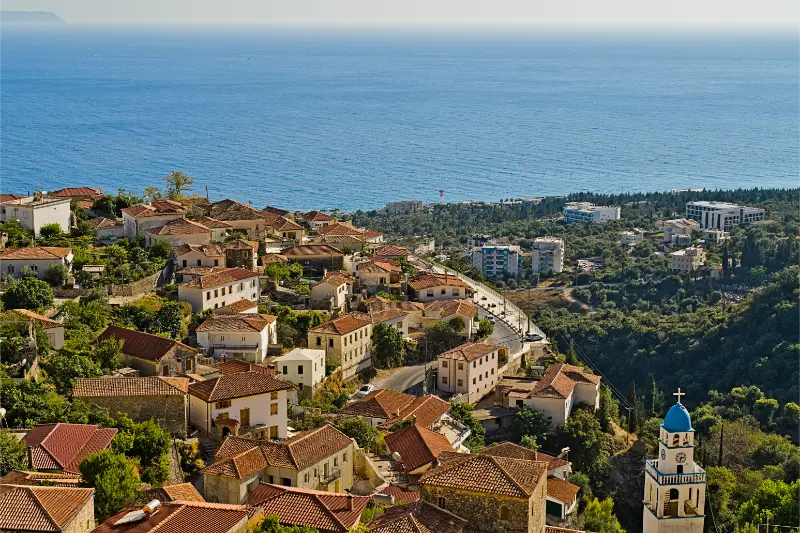
    Greek Style Village Dhermi Coastal Road Albania 2

    This guide follows the coast from Vlorë south toward Sarandë and Ksamil. It pairs naturally with my Ksamil and Sarandë guide and with the wider 7-day Albania itinerary. If you are unsure about driving, read the Albania transport guide first.

    How many days for the Albanian Riviera?

    Three nights is the minimum I would choose for a road trip that includes stops rather than only beach time. Four or five nights are much better in summer because you can sleep in two different bases and avoid daily packing. A full week lets you combine classic towns with quieter coves and still keep a weather or rest day.

    For a first trip, I like the rhythm of one night around Vlorë or Llogara, two nights near Himarë, and two nights in Sarandë or Ksamil. If you already have a night in Vlorë before starting, shift that extra night to Himarë or the far south.

    Vlorë: where the Riviera road trip begins

    Vlorë is a large coastal city rather than a small Riviera village, and that makes it practical. You have supermarkets, services, restaurants and a broad range of accommodation before the road becomes more scenic. I do not necessarily spend several beach days here on a short trip, but it is a sensible first or last night if your driving schedule would otherwise become too long.

    Before leaving Vlorë, fill the tank, buy water and check your accommodation instructions. On popular summer weekends, parking and traffic can add much more time than expected around beach towns.

    Llogara: the dramatic transition to the Ionian coast

    The climb through Llogara is one of the defining parts of the drive. The road takes you into a mountain landscape and then opens toward the Ionian Sea. I stop for the view only where it is safe and legal to do so; spontaneous roadside parking is not worth creating a hazard.

    Weather matters here. Cloud or wind can completely change the experience, which is why I avoid tying the entire day to a specific viewpoint. If visibility is poor, continue south and treat any later opening in the clouds as a bonus.

    Dhërmi: beautiful, popular and best approached with a plan

    Dhërmi combines a hillside village with a developed coastal strip below. In peak season, the area can feel much busier and more expensive than older descriptions of “undiscovered Albania” suggest. I would book accommodation early if Dhërmi is a priority, especially if you need parking.

    The advantage of staying here is access to beaches and evening atmosphere without needing to drive after dinner. The disadvantage is that beach clubs, music and summer crowds may not suit travellers looking for silence. Read recent reviews carefully because the character of a specific hotel can depend heavily on its immediate surroundings.

    Drymades and nearby coves

    The coast around Dhërmi has several beach areas that can feel different from one another. I do not recommend chasing every named cove in a single day. Pick one based on sea conditions, access and the style you want—organised sunbeds, a quieter stretch, or somewhere with restaurants—and stay long enough to enjoy it.

    Himarë: my favourite practical base on the Riviera

    Himarë is often the place I recommend to travellers who want a balance between beach time and normal town life. You have a walkable waterfront, restaurants, accommodation and access to several beaches, while the old town above the coast adds history and views.

    Two or three nights work very well here. One day can be simple beach time; another can include Himarë Castle, nearby villages or a short drive to a different bay. This is also where I would build a slower day into the trip after several hours of driving.

    Himarë Old Town and castle

    The historic settlement sits above the modern seafront and gives the area a sense of depth. I prefer late afternoon, when the light is softer and the temperature is usually kinder. Wear proper shoes: old stone and uneven paths are not ideal for beach sandals.

    Porto Palermo: one of the best short stops

    Porto Palermo is visually striking because of the bay and fortress setting. It works well as a stop between Himarë and Borsh rather than as a rushed detour from much farther away. Allow time for heat and parking in summer, and check current access conditions if you are travelling outside the main season.

    Borsh: a long beach and a slower rhythm

    Borsh is a useful contrast to smaller, more intensely developed beach pockets. The beach is long, which can make it easier to find your own rhythm. The village itself climbs away from the shore, so check exactly where your accommodation is before assuming everything will be walkable.

    Qeparo and smaller villages

    One of the pleasures of a Riviera road trip is stopping in places that are not the headline destination. Qeparo and other villages give you a chance to see the coast from a different angle, often with older settlement patterns above the sea. I would choose one or two rather than collecting village names.

    Approaching Sarandë

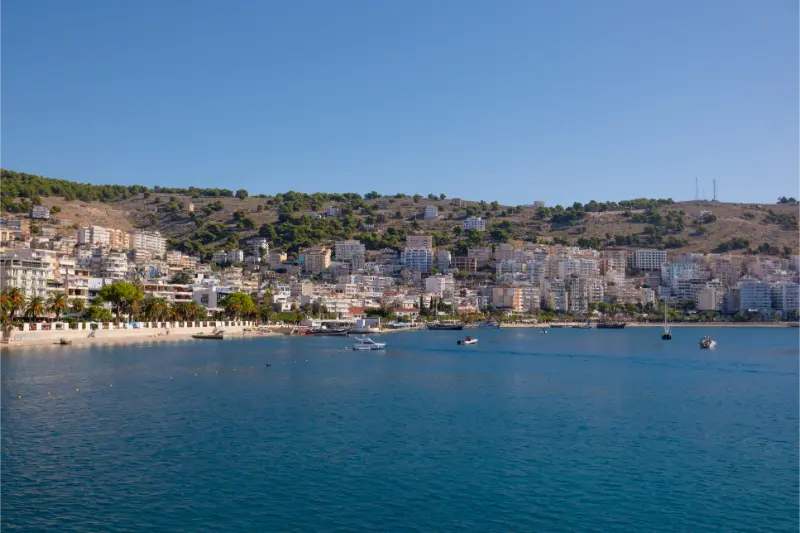
    The road becomes more urban as you approach Sarandë. After several quieter coastal stops, the city can feel intense, especially in summer, but it is extremely practical for restaurants, accommodation, Butrint, Ksamil and onward transport. I often treat it as the logistical end of the Riviera drive rather than expecting the same atmosphere as Himarë.

    Should you stay in Sarandë or Ksamil?

    Stay in Sarandë if you want more restaurants, nightlife, services and transport. Stay in Ksamil if beach access is the main priority and you accept heavier seasonal tourism. I compare them in detail in the Ksamil and Sarandë travel guide.

    Driving the Riviera: what I would know before renting a car

    • Do not trust map times blindly. Summer traffic, parking, roadworks and scenic stops can all add time.
    • A smaller car is easier. Tight hotel parking and village streets can make a large vehicle inconvenient.
    • Check the fuel level before long scenic sections. I prefer not to wait until the warning light comes on.
    • Avoid unnecessary night driving. Unfamiliar curves, pedestrians and variable lighting make daylight simpler.
    • Photograph the rental car. Record existing damage, wheels and fuel level at pickup and return.
    • Ask about cross-border rules. Never assume your rental contract includes neighbouring countries or ferries.

    A rental car gives the Riviera much more flexibility, but it is not essential if you are happy to base yourself in one or two towns and use buses, taxis or organised excursions. The car is most valuable for travellers who want small beaches, viewpoints and accommodation outside town centres.

    Best time for a Riviera road trip

    June and September are my favourite months for combining driving and swimming. July and August give you the hottest, liveliest beach conditions but also the heaviest demand. May can be excellent for scenery and walking, though sea temperatures and seasonal businesses are less predictable. October can still be beautiful, but I would build more flexibility around weather.

    What to budget for

    The Riviera is usually one of the more expensive parts of an Albania trip, especially for sea-view rooms, organised beaches and summer dining in the most popular areas. Add parking, fuel, sunbeds and occasional taxis to the accommodation cost. If you want to save, stay slightly inland, choose guesthouses and travel outside the peak weeks.

    For overnight planning, you can compare accommodation along the Albanian Riviera on Booking.com. This is a sponsored link. I would book refundable rates when possible because the exact balance between Dhërmi, Himarë and Sarandë often changes as the trip takes shape.

    Greek Style Village Dhermi Coastal Road Albania

    A 4-night Riviera route I would actually use

    1. Night 1 – Vlorë or near Llogara: arrive without rushing and start the scenic drive the next morning.
    2. Nights 2 and 3 – Himarë: stop at Dhërmi on the way, then use Himarë as a base for beaches, Porto Palermo and nearby villages.
    3. Night 4 – Sarandë: drive through Borsh and Qeparo, then finish with an evening on the Sarandë waterfront.

    If you have a fifth night, add it to Himarë for a real rest day or to Ksamil if swimming and Butrint are priorities. I would not use the extra night to create another one-night hotel change.

    My Riviera rule

    The coast is most rewarding when the drive is part of the holiday. If you are checking the clock all day, remove a stop rather than driving faster.

    From Sarandë, continue with the Ksamil and Sarandë guide, or turn inland toward Gjirokastër. For a full country route that connects the coast with Tirana and historic towns, use my 7-day itinerary.

    \n

    Related guide: For a premium version of the journey, see our luxury travel in Albania guide.

    \n

    Related guide: For a longer route starting farther north, see our complete Albania coastal road-trip guide.

    Related guide: Not renting a car? Use our separate guide to travelling the Albanian Riviera by bus, taxi and boat.

    \n\n

    Related guide: Shen Vasil Beach Guide: Clear Water and a Quieter Riviera Stop between Himare and Saranda adds a focused stop to this destination and helps build a more detailed Albania itinerary.

    \n\n\n

    Related guide: Albanian Riviera by Boat: Best Bays, Islands, Caves and Planning Tips expands this topic with a broader route and practical planning advice.

    \n

    Related food guide: Albanian Seafood Guide: Fish, Mussels, Squid and Coastal Dining Tips.

    Related food guide: Albanian Riviera Food Guide: Seafood, Olive Oil, Wild Herbs and Regional Flavours.

    Family planning: Albanian Riviera with Kids: Best Bases, Family Beaches and Road-Trip Tips.

    Adriatic Sea Coast Beach Lukove Komuna Albania View Mountain Pass People Unrecognizable
  • Durrës Port Guide: Ferry Terminal, Italy Routes, Check-In and Getting to the City

    Durrës Port Guide: Ferry Terminal, Italy Routes, Check-In and Getting to the City

    Durrës Port is Albania’s major Adriatic passenger gateway and the place many travelers first see when arriving by ferry from Italy. It is especially important for road-trippers because the ferry lets you bring a car, motorcycle or camper directly into Albania, but port check-in is more demanding than a short passenger-only crossing.

    For 2026, operators continue to serve the Bari–Durrës route and Adria Ferries also lists Ancona–Durrës services. GNV’s current Durrës port guidance tells international passengers to report well before departure and identifies its local check-in location. Exact sailing times, check-in rules and gates vary by operator, so always follow the instructions on your own ticket.

    Current source for details that can change: current GNV Durrës port information.

    Quick answer

    • Durrës is the main ferry gateway between Albania and Italy.
    • Bari–Durrës is a core route; Ancona services are also operated seasonally/regularly by relevant companies.
    • Vehicle passengers should arrive much earlier than they would for a short domestic ferry.
    • Keep passports, vehicle documents and ticket confirmation ready before entering the port area.
    • After arrival, decide whether you are staying in Durrës or driving directly toward Tirana or another region.

    Which ferry routes use Durrës?

    Bari is the best-known year-round connection and is served by major ferry operators. Adria Ferries also publishes Ancona–Durrës services and other Italy connections can vary by season. The route network changes more than the city itself, so I search by exact travel date rather than assuming last year’s pattern.

    An overnight ferry can save a hotel night and lets you wake up in Albania, but only if you choose the cabin/seat option that suits your sleep expectations. Deck travel may be cheap, while a private cabin can make the first driving day much safer and more enjoyable.

    Check-in with a vehicle

    Vehicle boarding needs time. The operator may inspect documents, direct you through a specific gate and stage cars before loading. GNV currently recommends reporting several hours before international departures from Durrës; other companies may set different rules. Follow your ticket, not a generic article.

    Before entering the port, remove anything you need during the sailing from the car. Vehicle decks are normally inaccessible or restricted during the crossing. I keep passports, medicine, chargers, warm layer, toiletries and valuables in one small overnight bag.

    Documents and customs

    Bring the passports required for every passenger, plus registration and insurance for the vehicle. If the vehicle is rented, verify that the rental company allows the ferry and international travel. A cross-border road-trip permission problem is much easier to solve before you reach the port.

    For customs limits and declarations, use the Albania customs allowances guide and official customs information for anything unusual or high-value.

    Arriving in Durrës

    The port is close to the city but road access, gates and port traffic mean you should follow signs rather than improvising. If Durrës is your first overnight stop, I like having the hotel pin and parking instructions saved before the ship docks.

    Durres Seafront And Modern Pier Albania

    If you are continuing to the capital, use the Tirana–Durrës transport guide in reverse as a planning reference and allow for traffic around both cities.

    Staying in Durrës after the ferry

    Durrës deserves more than being treated only as a port. The amphitheater, waterfront and old center make an easy first or last night. Read the Durrës travel guide if you have time before or after the crossing.

    For an early sailing, sleeping in Durrës is often smarter than driving from a distant part of Albania before dawn. A hotel near the port or with reliable taxi access reduces the risk of missing check-in.

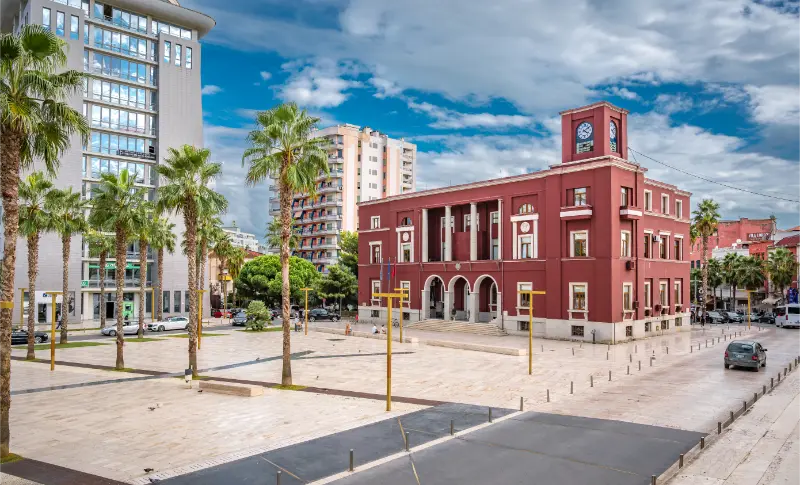
    Main Square Sheshi Liria Town Hall Background Durres Albania

    How I plan around a transport hub

    I treat a terminal or port as part of the journey rather than a pin on the map. Before travel I save the exact entrance, not only the name of the city, because a large station can have separate arrival bays, departure areas, ticket offices or vehicle gates. I also keep the next destination, hotel address and one backup transport option offline on my phone.

    For a fixed connection I build a margin for traffic, queues and finding the correct bay. The more important the onward connection, the less I rely on the shortest theoretical transfer. Albania is easy to travel independently, but the system works best when you know where your next vehicle actually leaves from and when you need to be there.

    Tickets, cash and confirmation

    I keep some Albanian lek even when the main ticket can be bought online. Small local buses, taxis, coffee stops and last-mile transfers do not always behave like a fully cashless network. For a prepaid service I save the ticket or confirmation as a screenshot, because mobile data and email access are exactly the things that can fail when you are rushing.

    If a timetable is critical, I check it twice: once while building the itinerary and again 24–48 hours before travel. Public schedules, seasonal services and operator details can change. A current official source or the operator’s own booking page is more useful than an old screenshot from a forum.

    Luggage and the last kilometer

    The cheapest long-distance ticket can stop being the easiest option when you add two suitcases, a child, a steep hotel street or a terminal several kilometers from the old town. I therefore compare the whole door-to-door journey. Sometimes a local taxi at one end turns a budget bus into a very comfortable solution; sometimes a private transfer becomes reasonable once several people share it.

    Keep passports, medicine, electronics, keys and money in a small bag that stays with you. Large luggage may be stored in a hold, vehicle deck or separate compartment depending on the service. I label the main bag with a phone number and avoid packing anything essential where I cannot reach it during the journey.

    Families, accessibility and slower travel

    Families and travelers with limited mobility should ask one more question than everyone else: what happens between the vehicle and the actual entrance? Kerbs, uneven paving, stairs, crowded boarding areas and long walks can matter more than the scheduled journey time. When assistance is important, contact the operator or accommodation in advance rather than assuming a standard level of accessibility.

    With children I prefer fewer transfers and more buffer. A direct bus, ferry or taxi that costs slightly more can be better value than a chain of cheap connections with no recovery time. I also keep water, snacks, wipes and a light layer in the day bag, especially on ferry and border days when queues can be unpredictable.

    Common mistakes to avoid

    The most common mistake is using the city name as if it were the exact station. The second is planning a connection with no margin. The third is assuming that every ticket, timetable and platform rule works exactly like it does at home. Albania’s transport network is improving quickly, but independent travel still rewards people who verify the final details locally.

    I also avoid scheduling a non-refundable tour immediately after a long transfer. If the transport day is important, let the arrival itself be the main task. You can always add a walk, dinner or viewpoint later if everything runs early.

    Where to stay for an easier travel day

    in Durres on Booking.com can be planned around the transport day as much as the sightseeing. Compare accommodation in Durres on Booking.com. I prefer a location that reduces the number of early-morning transfers, especially before a ferry, border crossing or long-distance bus.

    If the next departure is early, the cheapest room on the opposite side of town may create an expensive taxi or unnecessary stress. I compare the total logistics, not only the nightly room rate.

    Tours and activities: keep the transport day flexible

    I avoid putting a non-refundable activity immediately after a long transfer. Transport hubs, border checks and road traffic have enough moving parts without adding a hard tour deadline. Once you have arrived and checked in, use the activity widget below to compare experiences for a separate day.

    Practical packing checklist

    • Passport or accepted travel document in your day bag
    • Ticket or booking confirmation saved offline
    • Small amount of Albanian lek plus a bank card
    • Phone charger or power bank
    • Water and a light snack for queues or delays
    • Medication and valuables kept with you
    • Accommodation address and next transport pin saved offline

    Related Wonderful Albania guides

    Continue planning with ferries to Albania, Durrës travel guide, driving and parking in Durrës, Albania customs allowances.

    Durres City And Adriatic Coast Albania

    Frequently asked questions

    Which Italian port is most commonly connected with Durrës?

    Bari is the main route and has regular services. Operators also publish connections such as Ancona–Durrës; check the live timetable for your exact date.

    How early should I arrive with a car?

    Follow the operator’s instructions. Major operators currently request several hours for international vehicle check-in, so this is not a last-minute ferry.

    Can I access my car during the crossing?

    Do not assume so. Pack an overnight/day bag with everything you need because vehicle-deck access is typically restricted once the ship is underway.

    Is Durrës Port close to hotels?

    Yes, the port is close to the urban area, but the exact gate and road layout matter. Save your hotel pin and parking instructions before arrival.

    My practical approach

    I treat a transport hub as the start of the next journey, not the end of the previous one. Saving the exact entrance, current ticket instructions and last-mile plan usually matters more than memorizing a timetable. That small amount of preparation is what makes independent travel in Albania feel easy rather than improvised.

  • Renting a Car in Albania: Driving Tips, Insurance and Road-Trip Advice

    Renting a Car in Albania: Driving Tips, Insurance and Road-Trip Advice

    Renting a car in Albania can transform a trip because many beaches, mountain villages and nature stops are much easier to reach on your own schedule. It can also create unnecessary stress if you book the cheapest headline price without understanding insurance, deposits and the road conditions your route actually requires. I would treat the rental contract as part of the itinerary, not an administrative detail.

    A car is most valuable when your trip includes places such as the Riviera, Blue Eye, Permet, Llogara or rural southeastern Albania. If you are staying only in central Tirana and making a few organised day trips, you may not need one. The goal is flexibility, not simply having a vehicle for every day of the holiday.

    Choose the car for the route, not for appearance

    A small hatchback is easier to park and usually sufficient for paved main routes. Extra ground clearance can be useful for rural accommodation access, but an SUV does not make an unsuitable road safe. Rental contracts may exclude damage on unpaved roads regardless of vehicle type.

    Automatic cars can be limited or more expensive, so reserve early if you are not comfortable driving manual. Confirm luggage space as well as passenger count; four people plus large suitcases can overwhelm a compact car.

    Read the insurance terms carefully

    Understand the collision-damage excess, theft cover, glass and tyre exclusions, roadside assistance and any conditions that void protection. “Full insurance” can mean different things depending on whether it is provided by the rental company or reimbursed by a third party.

    Ask how damage is assessed and what documentation is required if there is an incident. Save the emergency and assistance numbers offline.

    Photograph the car before leaving

    Take clear photos or video of every panel, bumper, wheel, windscreen and interior mark. Include the fuel gauge and mileage. Do the same when returning the car, ideally in good light.

    Report damage that is not on the rental sheet before you drive away. Five extra minutes at collection can prevent an argument later.

    Deposit and payment card

    Many rental companies place a security deposit on a card. Check the amount, card type and name requirements before booking. A low rental price can be irrelevant if the deposit exceeds your available credit limit.

    If you use a debit card, confirm explicitly that the company accepts it for the deposit. Do not assume online payment means the desk will waive local card requirements.

    Driving style and road conditions

    Albania’s main highways have improved, but local driving can still feel assertive to visitors. Expect overtaking, scooters, pedestrians, livestock and vehicles entering from side roads. Defensive driving is more useful than trying to match the pace of an impatient driver.

    Mountain and coastal roads demand concentration. Reduce speed before bends, leave room for oncoming vehicles and do not drive long winding routes when exhausted.

    Parking

    In cities, use marked spaces, official car parks or accommodation parking where possible. Ask your hotel how local zones work instead of leaving the vehicle because other cars are already there.

    Historic centres such as Berat and Gjirokaster can have narrow streets unsuitable for casual driving. Park lower down and walk rather than forcing the car into the old town.

    Fuel and rural travel

    Do not run the tank close to empty before a mountain or rural section. Fill up when convenient and learn whether your vehicle requires petrol or diesel before leaving the rental desk.

    Keep cash as a backup and download offline maps. Navigation apps are useful, but they can occasionally suggest minor roads that are technically connected yet unpleasant for an ordinary rental car.

    Cross-border travel

    If you plan to enter Montenegro, Kosovo, North Macedonia or Greece, obtain written rental-company permission before booking. Insurance and documentation requirements can differ, and some companies prohibit particular borders or vehicle classes.

    Government border rules and rental-company rules are separate. A border may be legally open to you while your contract still forbids taking that car across it.

    Airport or city-centre collection?

    Tirana Airport is convenient if you want to start a road trip immediately. City collection can be better if you plan to spend two or three car-free days in Tirana first.

    Compare total cost including airport surcharges, parking and unused rental days. The cheapest daily rate is not always the cheapest itinerary.

    Road trips where a car really helps

    A car is particularly useful for the Albanian Riviera, Blue Eye, the Vjosa valley and multi-stop southeast routes.

    Greek Style Village Dhermi Coastal Road Albania 2

    For Theth and Valbona, think more carefully. Read the Lake Koman and Valbona guide because boats, mountain transfers and point-to-point hiking can make a continuous rental less efficient.

    Returning the vehicle

    Refuel according to the contract, remove all belongings and photograph the vehicle in its return location. Allow more time at an airport return than the map suggests because finding the correct lane or office can take a few minutes.

    If the desk is closed, understand the key-drop procedure and who remains responsible for the car until it is inspected. Keep final documents and photos until the deposit is released.

    Final planning tips

    Use this guide together with the general Albania transport guide rather than assuming a rental car is automatically the best option for every segment.

    Choose a reputable supplier, understand the deposit and insurance before paying, and build realistic driving days. Albania is rewarding by car when the vehicle supports the trip instead of dominating it.

    Extra practical advice

    One final way to improve a trip focused on renting a car in Albania is to leave deliberate margin in the day. Albania often looks compact on a map, but mountain roads, seasonal traffic, weather and informal stops can make travel times variable. I prefer to choose one important objective for the day and treat smaller viewpoints, cafés or short walks as optional. That prevents the itinerary from becoming a race and gives you room to follow useful local advice. Keep essential addresses, reservation numbers and route notes available offline. Confirm any service that would cause a major problem if it were unavailable, but avoid over-booking ordinary experiences. Carry water, some cash, a charged phone and a basic layer for changing weather. These small preparations are more valuable than trying to predict every detail weeks in advance. When conditions differ from what an old guide promised, trust current signs, local staff and official information. Protected areas, transport services and seasonal businesses evolve. A flexible traveller usually sees more because a changed plan becomes an alternative experience rather than a failed day.

    Build extra time into transfers, check current conditions locally, and keep the day simple enough that weather or traffic does not force you to rush. Albania rewards travellers who combine planning with flexibility, especially outside major cities and on mountain or coastal roads.

    Build extra time into transfers, check current conditions locally, and keep the day simple enough that weather or traffic does not force you to rush. Albania rewards travellers who combine planning with flexibility, especially outside major cities and on mountain or coastal roads.

    Build extra time into transfers, check current conditions locally, and keep the day simple enough that weather or traffic does not force you to rush. Albania rewards travellers who combine planning with flexibility, especially outside major cities and on mountain or coastal roads.

    Build extra time into transfers, check current conditions locally, and keep the day simple enough that weather or traffic does not force you to rush. Albania rewards travellers who combine planning with flexibility, especially outside major cities and on mountain or coastal roads.

    Build extra time into transfers, check current conditions locally, and keep the day simple enough that weather or traffic does not force you to rush. Albania rewards travellers who combine planning with flexibility, especially outside major cities and on mountain or coastal roads.

    Build extra time into transfers, check current conditions locally, and keep the day simple enough that weather or traffic does not force you to rush. Albania rewards travellers who combine planning with flexibility, especially outside major cities and on mountain or coastal roads.

    Build extra time into transfers, check current conditions locally, and keep the day simple enough that weather or traffic does not force you to rush. Albania rewards travellers who combine planning with flexibility, especially outside major cities and on mountain or coastal roads.

    Build extra time into transfers, check current conditions locally, and keep the day simple enough that weather or traffic does not force you to rush. Albania rewards travellers who combine planning with flexibility, especially outside major cities and on mountain or coastal roads.

    Build extra time into transfers, check current conditions locally, and keep the day simple enough that weather or traffic does not force you to rush. Albania rewards travellers who combine planning with flexibility, especially outside major cities and on mountain or coastal roads.

    Build extra time into transfers, check current conditions locally, and keep the day simple enough that weather or traffic does not force you to rush. Albania rewards travellers who combine planning with flexibility, especially outside major cities and on mountain or coastal roads.

    Driving and parking guides by destination

    Parking pressure, old-town access and the value of a rental car change substantially between Tirana, UNESCO cities and the Riviera. These destination guides focus on practical arrival and parking strategy.

    Driving and parking guides by destination

    These local guides cover road approach, hotel parking, historic centers, beaches, mountain logistics and when leaving the car parked is the smarter choice.

    Greek Style Village Dhermi Coastal Road Albania

    Road-trip routes from Tirana

    These guides compare rental-car practicality with public transport for destinations where the final hotel location or wider region can make a car much more useful.

    Driving beyond Albania: the border-crossings guide and the new international route guides explain why written rental-company permission and country-specific insurance paperwork should be confirmed before departure.

    Special road-trip planning

    Practical Albania travel logistics

    More practical Albania travel planning

    \n

    More specialist Albania guides

    \n

    Scenic drive: Best Scenic Drives in Albania adds a road-trip route with viewpoints, stops and practical driving advice.

  • Driving and Parking in Tirana: Paid Zones, Traffic, Rental Cars and Where to Leave the Car

    Driving and Parking in Tirana: Paid Zones, Traffic, Rental Cars and Where to Leave the Car

    Tirana is the Albanian city where a rental car is most useful before and after the visit rather than during it. Central sights cluster around Skanderbeg Square, Blloku and the Grand Park, while traffic, one-way streets and paid parking make repeated short drives more work than walking.

    Illuminated Skanderbeg Square Tirana Albania Night

    The city has an organized municipal parking system, including managed surface and underground facilities. Tirana Parking also operates an official app and publishes information about its parking areas. I would use that current source rather than memorizing a price from an old travel article.

    Quick answer

    QuestionMy answerWhy
    Do you need a car in the center?NoWalk, taxi and public transport are easier
    Parking systemMunicipal paid parking + private/hotel parkingCheck current signs and Tirana Parking
    Hardest timeWeekday traffic and busy eveningsAvoid unnecessary central driving
    Best strategyPark once, explore on footCollect/drop rental car outside sightseeing hours when possible
    Road-trip valueHigh outside TiranaUseful for Kruje, Berat, Riviera and mountain routes

    My basic rule

    A rental car should remove friction from an Albania trip, not create a new task every thirty minutes. In cities and resort centers, I prefer to secure one legal parking space and explore on foot. I move the car only when the next activity is genuinely outside the walkable area.

    For the national picture—insurance, deposits, fuel, road conditions, mountain driving and cross-border rules—read Renting a Car in Albania before building the route. I also keep Getting Around Albania open when deciding whether a particular city really needs the car.

    Should you drive in central Tirana?

    For ordinary sightseeing, no. Once you are inside the central area, leave the car and walk. Skanderbeg Square, Bunk’Art 2, Pazari i Ri, the Pyramid and Blloku all fit into a practical pedestrian day. Driving between them usually creates more parking decisions than it saves time. A car becomes useful when you are leaving Tirana for Krujë, Berat, Dajti’s wider surroundings or a national road trip.

    How paid parking works

    Tirana has municipally managed paid-parking areas and organized parking facilities. The system has multiple zones and dedicated municipal parking infrastructure, so do not assume every street follows the same rule. Look for current signage, payment instructions and time restrictions where you park. The official Tirana Parking website is the place I would check for current municipal information before arrival. I deliberately do not hard-code hourly prices here because tariffs and managed areas can change.

    Et Hem Bey Mosque Tirana Albania

    Skanderbeg Square and central garages

    The most useful mental model is to aim for a legitimate central garage or your hotel’s confirmed parking, then stop driving. Underground parking associated with major central squares can be more predictable than circling side streets. The advantage is not only finding a space: you also avoid leaving a rental car where signage is unclear. If you are staying centrally for two nights, paying for reliable parking can be better value than repeatedly moving the car.

    Blloku and evening driving

    Blloku is exactly where I would avoid casual parking searches in the evening. Streets are busy with pedestrians, taxis, deliveries and nightlife traffic. Stay within walking distance if Blloku matters to you, or park elsewhere and arrive on foot. A hotel advertising parking should still be asked whether the space is on-site, reserved and suitable for your car size.

    Airport rental-car strategy

    If Tirana is the first stop of a longer road trip, consider whether you really need to collect the car immediately at the airport. For two central nights, an airport bus or taxi into the city followed by rental-car collection when you leave can remove parking costs and city-driving stress. The reverse works at the end of the trip: return the car before a final central night if the rental conditions and flight schedule make that practical.

    Driving style and intersections

    Tirana traffic requires attention rather than aggression. Lanes can feel busy, scooters and pedestrians may appear quickly, and navigation apps can suggest turns that are legal but inconvenient. Keep more following distance than local traffic seems to invite, avoid last-second lane changes and let a missed turn become a short detour rather than a dangerous maneuver.

    Day trips and when the car earns its keep

    A car is excellent once you leave the center. Krujë, Petrela, Berat and other destinations become easier to combine on your own schedule. Dajti itself can be reached by cable car from the city side, so even that famous excursion does not automatically require a rental car. The car earns its cost when it changes your regional route, not when it moves you six blocks.

    Where to stay if you have a car

    In Tirana I would prioritize a hotel with either confirmed on-site parking or a clear relationship with a nearby garage if you are arriving by car. If you will collect the car only after the city stay, choose the neighborhood for walkability instead. Where to Stay in Tirana explains the neighborhood trade-offs.

    Compare current accommodation in Tirana on Booking.com. When comparing properties, read the parking description rather than relying only on the parking icon.

    Arrival-day strategy

    On arrival, navigate to the parking facility or hotel instructions—not simply to the hotel’s street address. In dense central blocks, that difference can save twenty minutes of circling. If the property has a loading point but parking elsewhere, unload first only where stopping is legal and safe.

    I also take a screenshot of the final approach before entering dense traffic. If the accommodation has a separate garage entrance, save that pin independently. A five-minute preparation stop outside the center is better than trying to read messages while driving.

    Peak-season or weather-specific advice

    Summer reduces commuter pressure at some times but does not make the center empty. Heat also makes repeated walks from a distant improvised parking space unpleasant. In high temperatures, a legitimate garage near your accommodation is even more valuable.

    Parking rules I would follow everywhere

    • Trust signs over old blog posts. Paid-parking zones, one-way streets and temporary restrictions can change. Read the signs where you actually park.
    • Do not block pavements, gates or access roads. A space used by other cars is not automatically a legal parking space.
    • Remove visible valuables. Keep luggage out of sight and avoid using the parked car as long-term storage.
    • Photograph the car when collecting it. Record existing damage, wheels and fuel level before leaving a rental desk.
    • Save your hotel’s arrival instructions offline. Old towns and beach areas can have narrow or confusing final approaches.
    • Leave extra time before ferries, flights and fixed tours. Summer coastal traffic can turn an easy transfer into the most stressful part of the day.

    If you have a rental car

    Keep the rental agreement, emergency contact and insurance information accessible rather than buried in luggage. Before leaving the pickup point, photograph every side of the car, wheels, windscreen, fuel gauge and odometer. If the vehicle develops a warning light or damage, contact the rental company before authorizing repairs unless an immediate emergency makes that impossible.

    For narrow historic or beach roads, a compact car is usually easier than a large SUV. Choose a larger vehicle only when passenger space, luggage, ground clearance or a specific mountain route genuinely requires it.

    Manual versus automatic rental cars

    If you normally drive an automatic, do not choose a manual only to save a small amount of money. Hill starts, dense city traffic and coastal hairpins are not the place to relearn clutch control. Reserve the transmission you are comfortable with and verify it on the confirmation. The same principle applies to vehicle size: familiarity and easy maneuvering are more useful than renting the largest model available.

    Fuel, navigation and phone coverage

    I refuel before mountain or remote coastal excursions rather than waiting for the tank to become low. Navigation apps are useful, but I keep the route downloaded offline and compare any surprising shortcut with the visible road. If an app sends you toward an extremely narrow lane, a rough track or a pedestrian-looking street, stop safely and reassess instead of assuming the algorithm knows your rental-car limitations.

    Parking overnight

    For overnight parking, I prefer a hotel space, staffed garage or clearly legal public area over an improvised roadside gap. Ask reception whether there are street-cleaning, market or event restrictions the next morning. If the car will remain still for several days, check it periodically and keep the rental company contact details available. A legal space that does not inconvenience residents is better than parking a few meters closer to the hotel.

    Driving with children

    Families should solve child seats before leaving the rental desk and check that they are installed correctly. A hotel space close to reception becomes more valuable when unloading a sleeping child, stroller and luggage. For beach days, keep the car shaded when possible and never leave a child or pet inside, even for a short stop. Carry water in the cabin rather than in a hot boot.

    What not to leave in the car

    Do not leave passports, cash, cameras, laptops or visible luggage in a parked vehicle. Even in a destination where serious tourist crime is uncommon, a visible bag creates an unnecessary opportunity. Use hotel storage, keep valuables with you and leave the cabin looking empty. If luggage must remain in the car during a transfer day, put it out of sight before you arrive at the parking location rather than visibly rearranging valuables after parking.

    Current local information

    For current municipal parking information, use Tirana Parking. Its current site lists managed parking services and facilities; always follow the signage at the actual space.

    Useful related guides

    Frequently asked questions

    Do I need a rental car in Tirana?

    Not for central sightseeing. Rent one when you are ready to leave the city if Tirana is the start of a road trip.

    Interior Orthodox Cathedral Resurrection Christ Skanderbeg Square Tirana Albania

    Is parking in Tirana free?

    Some parking may be free, while municipal paid zones and private facilities also exist. Read current signs rather than assuming.

    Where should I park for Skanderbeg Square?

    Use a legitimate central garage or confirmed hotel parking instead of circling the streets immediately around the square.

    Should I stay in Blloku with a car?

    You can, but parking arrangements matter. Ask the hotel exactly where the car will be kept.

    Is Tirana difficult to drive?

    It is manageable for confident drivers, but dense traffic and parking make the car unnecessary for most central sightseeing.

    Final advice

    Do not judge the success of a road trip by how close you parked to every attraction. The best parking space is often the one you can find legally once and forget about. Use the car for the distances and landscapes Albania makes difficult without one, then enjoy cities and waterfronts on foot.

    Driving an EV? Read Electric Car in Tirana: EV Charging, Parking, Hotels and Day-Trip Range for charging, range, hotel-power and backup planning.

  • Electric Car Road Trip in Albania: EV Charging, Routes, Hotels and Range Planning

    Electric Car Road Trip in Albania: EV Charging, Routes, Hotels and Range Planning

    An electric-car road trip in Albania is increasingly realistic in 2026, especially along the main urban and coastal corridors, but it still rewards conservative range planning. Public charging is concentrated in and around cities, hotels and major roads, while mountain areas and the most remote Riviera stretches require more thought than Tirana or Durrës.

    Aerial View Saranda Coastal Resort Albania

    The right mindset is to treat every overnight as a charging opportunity and every remote excursion as a range calculation. Current charging directories show strong growth in Tirana, Vlorë and Durrës, but charger status, connector availability and payment methods can change quickly. Pair this guide with our rental-car guide, road-trip itinerary and a live charging app.

    Quick answer

    QuestionPractical answer
    Can you road-trip Albania in an EV?Yes, particularly on the main city and coastal circuit, if you check live charger status and keep a reserve.
    Where is charging easiest?Tirana and larger cities; current public directories also show growing networks in Vlorë, Durrës, Fier, Shkodër and other regional centers.
    What is harder?Remote mountain valleys, long detours, summer traffic and accommodation without reliable overnight charging.
    Should you trust one app?No. Cross-check at least two sources and call a hotel when a charger is essential to the itinerary.
    Best range habitArrive at remote areas with a larger battery reserve than you would use in a dense charging network.

    The 2026 charging picture

    Albania’s charging network is expanding quickly. Current PlugShare data lists hundreds of public points nationally, with the largest concentrations in Tirana, Vlorë and Durrës, while local networks are adding AC and DC stations in other cities. The exact count matters less than the pattern: urban charging is increasingly practical, but coverage is uneven once you leave the main corridors.

    Do not build a route from a screenshot taken months before travel. A new station can open, an old unit can fail or a private charger can become restricted. Use a live directory on the travel day and read recent check-ins. When a specific DC charger is the only reason your route works, phone the site or operator if possible.

    Rental EV or your own car?

    Bringing your own EV gives you a familiar battery, charging curve and apps, while renting avoids the international drive or ferry. If you rent, ask which connector the car uses, what charging cable is included, whether the rental company provides network cards or apps and what battery level is expected at return.

    Do not accept “electric car” as enough information. A small-battery city EV and a long-range crossover produce very different road-trip plans. Ask the exact model or at least usable battery size and typical motorway range. Our car-rental guide covers insurance and road issues that still apply to EVs.

    Tirana, Durrës and the central corridor

    Tirana is the easiest place to begin because it has the deepest charging choice and the largest number of hotels and commercial locations. Durrës is also well supplied compared with more remote regions. That makes the capital–coast axis a sensible first day for learning how local chargers, parking and payment work before you commit to the mountains.

    If you fly into Tirana and collect an EV, do not immediately plan a late-night drive to a remote village with a low state of charge. Start with a known charger or hotel, confirm the car’s real consumption and download the required apps while you still have good connectivity and multiple alternatives.

    Driving the Albanian Riviera in an EV

    The Riviera is possible, but climbing, heat, air conditioning, summer traffic and detours can make consumption less predictable than a flat motorway estimate. Vlorë is a useful charging anchor before the southern coast, and Sarandë has charging options, but the distance between reliable alternatives matters more than the total number of pins on a map.

    Charge higher before crossing the Llogara area or taking a remote beach detour, and do not count on a charger at every small resort. An overnight property with a confirmed charger can transform the route because the car is ready each morning. Read our coastal road trip for the sightseeing sequence, then overlay charging stops rather than creating a separate EV-only itinerary.

    Dhermi Beach Resort At Dawn Albania

    Mountains: Theth, Valbona and inland detours

    Mountain roads require the biggest margin because elevation, cold weather, slow speeds and a lack of alternative chargers can combine. Regenerative braking can recover energy on descents, but it should never be used to justify arriving at the top with an unsafe reserve. Weather or a road closure may force a detour.

    For Theth or other alpine stays, contact the accommodation before departure and ask whether charging is actually available, what power level it provides, whether it is reserved for guests and whether you need your own cable. A household socket may be useful overnight but should only be used when the property confirms it is suitable and safe.

    Aerial Drone View Rustic Homes Hotels Theth National Park Albania Albanian Alps 2

    Hotel charging: verify, do not assume

    A hotel listing that says “EV charging” may refer to one socket, one AC charger shared by several rooms or a charger in a nearby public car park. Ask for connector type, power, access hours, cost and whether a space can be reserved. Also ask whether the parking area is locked or accessible overnight.

    When charging is critical, get the answer in writing through the booking platform or email. If the hotel cannot confirm details, treat the charger as a bonus rather than the foundation of your route. Staying near a known public charger gives you a backup if the hotel unit is occupied.

    Payment, apps and connectors

    Public networks can use QR codes, apps, RFID cards, bank cards or staff-assisted activation. Keep mobile data active and do not rely on a single payment method. Install relevant charging apps before you arrive at the charger, because account registration is much easier in a hotel than on the roadside with weak signal and a nearly empty battery.

    Carry the cables and adapters appropriate to your vehicle, but never improvise unsafe electrical connections. Check the plug shown in the live app against your car. If a directory lists a charger under a hotel or restaurant, read recent comments to see whether public access is still allowed.

    Build a backup plan into every charging stop

    For each essential charge, identify a second option within reachable distance. That backup can be another DC station, an AC charger near a restaurant or an overnight hotel with confirmed charging. Arriving with 3% battery because the map showed one fast charger is unnecessary risk in a network that is still developing.

    Keep enough battery to leave the charger site and reach the backup, and remember that summer queues can matter at popular locations. A longer lunch at a slower reliable charger is sometimes a better holiday decision than chasing a faster unit that is occupied or offline.

    Where to stay

    Compare hotels and apartments in Tirana on Booking.com. When EV charging is important, use the property filter only as a first step, then message the hotel for connector, power, cost and access details. On the Riviera, an overnight charger can be worth more than a slightly cheaper room farther from the route.

    Tours and activities

    With an EV, guided activities can be strategically useful because the car can charge while you spend several hours on a city tour, boat trip or attraction. Choose parking or charging near the meeting point and confirm that the vehicle can remain connected for the required time.

    Useful related guides

    Before you go: a practical checklist

    Before departure, save at least two charging apps, create accounts, add a payment card and download offline maps. Record the vehicle’s connector type, usable battery and realistic motorway range. For every remote overnight, contact the property about charging and keep the reply. A portable cable is useful only when the socket and installation are appropriate.

    On the road, make the first charging stop earlier than necessary so you learn the network without pressure. Recalculate after a mountain climb, strong headwind or long air-conditioned traffic jam. If the next section has poor coverage, top up even when you technically have enough range. A fifteen-minute preventive charge can save hours of recovery.

    Current rules and official information

    For live station discovery, PlugShare’s Albania directory provides recent user check-ins, while AlbMove lists stations on its network. These are operational resources rather than guarantees: always cross-check the charger closest to your travel date.

    Common mistakes

    • Using an old charging map instead of live status.
    • Assuming a hotel charger is fast, public or reservable.
    • Planning mountain arrivals with the same battery reserve used in Tirana.
    • Accepting an EV rental without knowing connector type and battery size.
    • Depending on one app or one payment method.
    • Chasing a remote beach with low battery when a reliable charge was available earlier on the route.

    Frequently asked questions

    Are there fast chargers in Albania?

    Yes, especially in larger urban areas, but the number and availability vary. Use live directories rather than a fixed list.

    Can I drive an EV down the Albanian Riviera?

    Yes with planning. Vlorë and Sarandë are useful anchors, but keep a larger reserve for the Llogara and remote-coast sections.

    Can I charge at hotels?

    Some hotels offer charging, but connector, power and access differ. Confirm directly before making it an essential stop.

    Is an EV practical for Theth?

    It can be, but the route requires more reserve and accommodation charging should be verified in advance. Do not assume remote fast charging.

    What is the best charging app?

    Use more than one. PlugShare is useful for community status, and local network apps can be needed for activation or payment.

    Final recommendation

    An EV does not require a completely different Albania itinerary; it requires a more disciplined version of the same road trip. Charge in cities, verify overnight options, keep a larger reserve before mountains and use live data on travel day. The network is growing quickly, so flexibility is an advantage: the car should shape where you pause, not prevent you from seeing the country.

    EV destination guides

  • Camping and Campervan Travel in Albania: What to Know Before a Road Trip

    Camping and Campervan Travel in Albania: What to Know Before a Road Trip

    Albania has become increasingly popular with campervan and camping travellers because the country combines mountains, lakes and a long coastline within manageable distances. The freedom is real, but the old idea that you can simply park anywhere and call it camping is too simplistic. Rules vary by municipality, land ownership and protected-area status, and responsible travellers need to distinguish between a legal campsite, tolerated overnight parking and camping in a place where it is prohibited.

    The official Albanian tourism portal says camping facilities exist across the country and specifically warns that some areas prohibit camping, advising travellers to consult the National Agency of Protected Areas or the relevant municipality. That matches 2026 information from the protected-areas agency, which states that within protected areas camping may be allowed only in designated zones. Start with the official camping tourism page rather than assuming social-media advice is universal.

    Campsite versus overnight parking

    A campsite provides an established place to sleep and may offer toilets, showers, electricity, water, waste disposal and local advice. Overnight parking means you are simply stopping in a vehicle, ideally without putting out tables, awnings or other equipment. Wild camping adds tents or a camp setup outside formal facilities and can be subject to stricter rules.

    The distinction matters because behaviour that looks harmless in an ordinary parking area may count as unauthorised camping in a protected landscape or beach zone.

    Protected areas require extra care

    In national parks and other protected areas, use designated camping zones and follow local authority instructions. A 2026 response published by Albania’s National Agency of Protected Areas states that camping inside protected areas is permitted only in dedicated zones and can be subject to fees.

    This is particularly relevant if your road trip includes mountain landscapes around Theth, Valbona or protected river and coastal areas. Do not interpret the absence of a “no camping” sign as permission.

    Greek Style Village Dhermi Coastal Road Albania

    Choose established campsites when possible

    Formal campsites reduce the biggest practical problems: fresh water, toilets, waste, security and finding a legal overnight location. They also support local businesses. Farm stays and agrotourism properties increasingly cater to campervans; the official tourism portal, for example, notes that Sotira Farm has space for camper vans.

    On the coast in July and August, reserving or calling ahead can prevent a long evening of driving between full sites.

    Road conditions and vehicle size

    Albania’s main roads have improved greatly, but a large camper behaves differently from a compact rental car. Narrow village streets, steep access roads and tight beach parking can become stressful. Use the Albania transport guide and ask campsites about the final approach if your vehicle is long or high.

    Never follow a navigation app blindly onto a shortcut simply because it saves five kilometres. Satellite view and recent reviews can reveal whether a road is actually suitable for a motorhome.

    The Albanian Riviera by camper

    The Albanian Riviera is spectacular but can be the most challenging region in peak season because of traffic, steep roads and scarce parking near famous beaches. Base at a campsite and explore locally rather than moving the camper to a different cove every few hours.

    Greek Style Village Dhermi Coastal Road Albania 2

    Arrive earlier in the day, avoid blocking narrow access roads and never empty wastewater near beaches or drainage channels.

    Northern Albania by camper

    Shkoder is a good staging point for the north. For Theth and other mountain areas, check road conditions, vehicle dimensions and campsite access before committing. A shuttle or guesthouse transfer can sometimes be smarter than taking a large vehicle into a tight valley.

    If Lake Koman and Valbona are part of your plan, read the Lake Koman and Valbona guide because ferry and transfer logistics require more preparation than a normal road day.

    Tourist Walking Road Valbona Valley Enjoying Freedom Theth National Park Albanian Alps Valbona Albania

    Water and waste

    Fill fresh-water tanks at legitimate sources and campsites rather than assuming every roadside tap is potable. Carry enough capacity for rural nights but avoid unnecessary weight. For grey and black water, use designated disposal points and ask campsite staff when unsure.

    Leave-no-trace principles are not just environmental etiquette; they protect access for future camper travellers in communities that may already feel pressure from tourism.

    Electricity, gas and supplies

    Electric hookups vary, so bring the adapters your vehicle system requires and confirm voltage compatibility. Gas-cylinder exchange can be complicated across borders because fittings and brands differ. If you enter Albania from Italy by ferry, start with sufficient legal supplies and research refill options for your exact system.

    For ferry planning with a camper, see the ferries to Albania guide. Operators often have vehicle-specific booking fields, so enter accurate length and height.

    Security

    Normal travel precautions apply: lock the vehicle, keep passports and electronics out of sight and avoid isolated overnight stops that feel uncomfortable. Formal campsites are especially valuable when you want to leave the vehicle and spend a full day sightseeing.

    Do not publish your exact remote overnight location publicly in real time. This is sensible privacy practice anywhere, not a warning unique to Albania.

    Camping with children

    Families benefit from established sites with shade, toilets, safe play space and easy food access. A dramatic cliffside parking spot may look beautiful online but create unnecessary stress with small children. The family travel guide gives broader advice on heat and pacing.

    Plan shorter drive days and choose two-night campsite stays so every morning does not begin with packing the entire setup.

    A practical camper route

    A straightforward two-week route could be Durres/Tirana → Shkoder → northern base → Berat → Gjirokaster → Saranda → Himare/Riviera → Vlore → Durres. Skip roads or beaches that require questionable access and use ordinary parking or public transport for city centres.

    Budget travellers should still compare campsite fees, fuel, tolls abroad, ferry costs and vehicle rental against a small car plus guesthouses. See the travel cost guide before assuming a camper is automatically cheaper.

    Final planning notes

    Responsible camper travel means asking when you are unsure. Municipalities, campsite owners and protected-area administrations have better local knowledge than a map pin uploaded years ago.

    The freedom of a camper is most valuable when you do not spend every evening searching for a free place to sleep. A mix of proper campsites and flexible daytime exploration usually produces the best trip.

    Extra practical advice

    A basic recovery kit—warning triangle, reflective vest, tyre tools, torch and first-aid supplies—should be easy to reach rather than buried under camping equipment. If renting a camper, check what roadside-assistance service is included and how to contact it from Albania.

    Open fires deserve particular caution in hot, dry months. Follow local bans and campsite rules, use designated cooking areas and never assume a beach or forest clearing is a safe place for a fire simply because someone used it previously.

    When planning camping in Albania, I would also keep the wider route in mind. Albania rewards travellers who leave realistic margins between stops, confirm seasonal services directly and avoid basing an entire day on one old timetable or price. Save addresses and confirmations offline, carry some cash as a backup, and ask accommodation hosts for current local conditions when roads, weather or opening times could affect the plan. The most useful approach is to separate fixed decisions from flexible ones: book transport or accommodation that would be difficult to replace, but leave ordinary meals, viewpoints and minor stops open. That balance keeps the trip organised without making it rigid. It also allows you to change direction when a beach is crowded, a mountain road is slow or a local recommendation sounds better than the original plan.

    When planning camping in Albania, I would also keep the wider route in mind. Albania rewards travellers who leave realistic margins between stops, confirm seasonal services directly and avoid basing an entire day on one old timetable or price. Save addresses and confirmations offline, carry some cash as a backup, and ask accommodation hosts for current local conditions when roads, weather or opening times could affect the plan. The most useful approach is to separate fixed decisions from flexible ones: book transport or accommodation that would be difficult to replace, but leave ordinary meals, viewpoints and minor stops open. That balance keeps the trip organised without making it rigid. It also allows you to change direction when a beach is crowded, a mountain road is slow or a local recommendation sounds better than the original plan.

    When planning camping in Albania, I would also keep the wider route in mind. Albania rewards travellers who leave realistic margins between stops, confirm seasonal services directly and avoid basing an entire day on one old timetable or price. Save addresses and confirmations offline, carry some cash as a backup, and ask accommodation hosts for current local conditions when roads, weather or opening times could affect the plan. The most useful approach is to separate fixed decisions from flexible ones: book transport or accommodation that would be difficult to replace, but leave ordinary meals, viewpoints and minor stops open. That balance keeps the trip organised without making it rigid. It also allows you to change direction when a beach is crowded, a mountain road is slow or a local recommendation sounds better than the original plan.

    \n\n

    More targeted Albania trip planning

    \n\n\n\n\n

    More specialist Albania guides

    \n\n

    More Albania planning guides

    \n

    Campervan guides by destination

    These destination guides explain where a motorhome is useful, where it creates friction, and how to separate legal overnight camping from ordinary sightseeing parking.

  • Tirana Airport to Korce: Southeast Terminal, Taxi, Transfer and Rental Car

    Tirana Airport to Korce: Southeast Terminal, Taxi, Transfer and Rental Car

    Getting from Tirana International Airport (TIA) to Korce is easiest when you choose the transport based on your arrival time, luggage and what happens after check-in. As a rough road reference, allow roughly 2 hours 30 minutes to 3 hours 15 minutes in normal conditions, but treat that as planning time rather than a guaranteed transfer.

    The most important distinction is whether the airport currently lists a direct bus for your destination. TIA publishes direct airport services only for selected cities, while other routes require a change through Tirana’s intercity network. I would always check the current airport transport page again shortly before the flight.

    Quick comparison

    OptionBest forMain trade-off
    Airport/intercity busSolo travelers and lower budgetsCheapest, but schedules and final hotel transfer matter
    Official taxi / private transferLate arrivals, families and luggageSimplest door-to-door option, higher cost
    Rental carRoad trips and multi-stop itinerariesMaximum flexibility, plus parking/driving responsibility
    Overnight near Tirana/airportVery late flights before a long onward routeAdds a hotel night but avoids unsafe or stressful late travel

    What the airport officially provides

    Tirana International Airport publishes its current public-transport information on the Tirana International Airport bus page. For intercity timetables beyond the airport-specific services, use e-Transport Albania. TIA also publishes official Tirana Airport taxi information and a list of official Tirana Airport car-rental list.

    The official taxi information says branded airport taxis operate 24 hours a day and can provide transfers to cities throughout Albania. That makes taxi/private transfer the fallback when a flight lands after the last useful bus or when a connection would otherwise require several vehicles.

    By public transport

    TIA does not currently list a direct airport–Korçë bus. Korçë uses Tirana’s Southeast intercity terminal rather than the North–South terminal. That means the airport’s North–South-terminal shuttle is not the final connection you need. For the public-transport route, check the current Korçë departure on e-Transport and use taxi/local transport from the airport to the Southeast terminal.

    Skanderbeg Square And Ethem Bey Mosque Tirana

    For any bus journey, I save the departure point as a map pin and screenshot the current timetable. If the journey requires two separate services, I treat them as two independent tickets: a delay on the first leg does not guarantee the second vehicle will wait.

    By official taxi or private transfer

    A direct private transfer removes the terminal cross-city problem and can be particularly attractive in winter or for families. Confirm that the quoted fare is all the way to your Korçë hotel, not just to the city entrance.

    Before accepting or booking a long transfer, confirm the total price, exact hotel/village, luggage allowance and whether the service is private or shared. For a flight pickup, provide the flight number so the operator can see a delay. Use licensed services rather than accepting an unsolicited ride from someone approaching you in arrivals.

    By rental car

    A rental car is an excellent choice if you will continue to Voskopoje, Dardhë, Pogradec or Prespa. The airport has multiple rental companies listed around arrivals. In winter, ask the rental company what tires/equipment the vehicle has before planning higher-village drives.

    At the rental desk, photograph the car, fuel level, wheels and existing damage before departure. Save the destination’s hotel-parking instructions offline and avoid putting the old-town reception address into navigation if the property has a separate vehicle entrance.

    Arriving at the destination

    Central Korçë is compact once you arrive. Park at the hotel or use a taxi from the intercity arrival point, then walk the cathedral, pedestrian streets and Old Bazaar.

    I always compare the transport stop with the accommodation before buying the ticket. A route can look very cheap until you discover that the final hotel requires another long taxi ride, while a slightly more expensive transfer may deliver everyone and their luggage directly to reception.

    What if your flight lands late?

    Late arrival makes the bus chain awkward because you must reach a separate southeast terminal and still catch the intercity departure. A transfer or an overnight near Tirana is much more realistic.

    Flight arrival time is not the same as terminal-exit time. Passport control, baggage reclaim, SIM cards, ATM use and rental paperwork can easily add time after landing. Never book the last realistic connection of the day with only a few minutes of margin.

    If you are traveling with children

    Families should compare the entire chain, not only ticket price. A direct transfer can become good value when it removes a terminal change, multiple suitcases and a tired child from the equation. If renting a car, request the correct child seat in advance and check the installation before leaving TIA.

    If you have large luggage

    Keep passports, medication, electronics and money in a smaller bag that stays with you. On buses and shuttles, large suitcases may go in the luggage compartment. On arrival in a historic town, a taxi can be worth paying for even when the hotel looks close on a map.

    Where to stay after arrival

    Compare current accommodation in Korce on Booking.com. For a first night after flying, I prioritize simple access over a room that looks marginally prettier but requires a difficult final transfer.

    See the local Where to Stay guide for the most practical base.

    Driving and parking after the airport

    If you collect a rental car, read the destination driving and parking guide before arrival. The best airport road trip is one where the car becomes useful between destinations and then stays parked while you explore compact centers on foot.

    Special route advice

    If you are also visiting Pogradec, the two destinations fit naturally into the same southeast road trip. A rental car makes that pairing much easier than returning to Tirana between them.

    Skanderbeg Square Tirana Albania 2

    Returning to Tirana Airport

    For an early airport departure, private transfer or a previous-night stay near Tirana is safer than relying on a very early multi-leg intercity connection.

    For an international flight I would rather reach TIA early than discover that summer traffic, a missed bus or a wrong terminal has consumed the buffer. Re-check the airport’s current passenger guidance and your airline’s check-in requirement the day before departure.

    Common mistakes

    • Assuming every major Albanian city has a direct airport bus.
    • Using an old timetable screenshot instead of checking TIA/e-Transport again.
    • Booking the final intercity departure with almost no buffer after landing.
    • Confusing the city name with a distant beach strip, village or lower town.
    • Renting a car for a city stay where it will remain parked for several days.
    • Driving a long unfamiliar route late at night immediately after a flight.
    • Ignoring the final taxi from the intercity stop to the accommodation.
    • Planning the return to the airport using the minimum Google Maps driving time.

    Useful related guides

    If you are starting from Tirana city rather than the airport, use the dedicated point-to-point route guide.

    Frequently asked questions

    Is there a direct bus from Tirana Airport to Korce?

    TIA does not currently list one.

    Which Tirana terminal serves Korce?

    The Southeast intercity terminal, so verify its current location and departure on e-Transport.

    Should I take the airport bus to the North-South terminal?

    Not as the final connection to Korce; you would still need to reach the Southeast terminal.

    Is a rental car useful?

    Very useful if you are exploring Voskopoje, Dardhe, Prespa or Pogradec.

    What about winter?

    The main city route is generally manageable, but higher-village road conditions and vehicle equipment need checking.

    Final recommendation

    Choose the option that keeps the arrival day simple. Public transport is excellent value when the direct service or terminal connection fits naturally; a private transfer earns its cost when it removes a bad late-night connection; and a rental car makes sense when the vehicle immediately becomes part of a wider Albania itinerary. The cheapest first ticket is not always the cheapest or easiest complete journey to the hotel.

    How I would decide in 60 seconds after booking the flight

    First I check the landing time against the current TIA bus page. Second, I look at the hotel’s exact map position. Third, I decide whether I need a car after arrival. Those three facts usually make the answer obvious. If the direct bus exists and lands near the hotel, I use it. If the trip requires a complicated late connection, I book a transfer or sleep near Tirana. If the destination is the first stage of a road trip, I compare airport car rental with the cost and inconvenience of collecting a vehicle later.

    Skanderbeg Square Tirana Albania 3

    I then revisit the plan a day or two before departure. Transport schedules change, flights move and seasonal traffic can alter the sensible choice. That final check is more valuable than memorizing an exact bus time months in advance.

    Should you spend the first night in Tirana instead?

    An airport-to-destination transfer is not automatically the smartest first night just because it avoids changing hotels. If the flight arrives late, you are tired, or the onward trip is long, sleeping in Tirana or near the airport can turn the next morning into a safer and more enjoyable journey. I would especially consider this when the public-transport connection is no longer running or when a rental-car drive would continue for several hours after dark.

    On the other hand, an early arrival can make the direct onward journey very efficient. Reaching the first destination by mid-afternoon lets you check in, walk, eat and begin the itinerary without spending a night in the capital only for logistics. The decision should follow the flight time, not a fixed rule that every Albania trip must start in Tirana.

    Airport practicalities before you leave

    Before leaving TIA, I make sure I have mobile data, access to my accommodation message, the transport pin and enough payment flexibility for the first leg. If I need cash, I obtain only what I expect to use initially rather than turning the arrivals hall into a long list of errands. The goal is to leave the airport with the route solved, not to complete every Albania travel task before the first bus or car ride.

  • Tirana Airport to Saranda: Bus Connection, Private Transfer, Rental Car and the South Route

    Tirana Airport to Saranda: Bus Connection, Private Transfer, Rental Car and the South Route

    Getting from Tirana International Airport (TIA) to Sarande is easiest when you choose the transport based on your arrival time, luggage and what happens after check-in. As a rough road reference, allow roughly 3 hours 45 minutes to 4 hours 45 minutes depending on the route, traffic and stops, but treat that as planning time rather than a guaranteed transfer.

    The most important distinction is whether the airport currently lists a direct bus for your destination. TIA publishes direct airport services only for selected cities, while other routes require a change through Tirana’s intercity network. I would always check the current airport transport page again shortly before the flight.

    Quick comparison

    OptionBest forMain trade-off
    Airport/intercity busSolo travelers and lower budgetsCheapest, but schedules and final hotel transfer matter
    Official taxi / private transferLate arrivals, families and luggageSimplest door-to-door option, higher cost
    Rental carRoad trips and multi-stop itinerariesMaximum flexibility, plus parking/driving responsibility
    Overnight near Tirana/airportVery late flights before a long onward routeAdds a hotel night but avoids unsafe or stressful late travel

    What the airport officially provides

    Tirana International Airport publishes its current public-transport information on the Tirana International Airport bus page. For intercity timetables beyond the airport-specific services, use e-Transport Albania. TIA also publishes official Tirana Airport taxi information and a list of official Tirana Airport car-rental list.

    The official taxi information says branded airport taxis operate 24 hours a day and can provide transfers to cities throughout Albania. That makes taxi/private transfer the fallback when a flight lands after the last useful bus or when a connection would otherwise require several vehicles.

    By public transport

    TIA does not currently list a direct airport–Sarandë bus. The public-transport strategy is airport to Tirana’s North–South intercity terminal, then an onward southbound bus to Sarandë. Because this is a long self-made connection, check the airport-terminal shuttle and Sarandë departure separately before assuming they fit the same day.

    Et Hem Bey Mosque Tirana Albania

    For any bus journey, I save the departure point as a map pin and screenshot the current timetable. If the journey requires two separate services, I treat them as two independent tickets: a delay on the first leg does not guarantee the second vehicle will wait.

    By official taxi or private transfer

    A direct private transfer is expensive but dramatically simpler after a flight: no terminal change, no luggage reload and no final central-Sarandë taxi. For three or four travelers, compare the group price rather than dismissing it automatically.

    Before accepting or booking a long transfer, confirm the total price, exact hotel/village, luggage allowance and whether the service is private or shared. For a flight pickup, provide the flight number so the operator can see a delay. Use licensed services rather than accepting an unsolicited ride from someone approaching you in arrivals.

    By rental car

    A rental car makes sense if Sarandë starts a longer southern road trip and you want Gjirokastër, the Blue Eye, Ksamil or the Riviera under your own schedule. The downside is that after a flight you still face a long drive, and summer parking in Sarandë/Ksamil requires planning.

    At the rental desk, photograph the car, fuel level, wheels and existing damage before departure. Save the destination’s hotel-parking instructions offline and avoid putting the old-town reception address into navigation if the property has a separate vehicle entrance.

    Arriving at the destination

    Stay in central Sarandë if you want the easiest arrival without a car. Rruga Butrinti hotels can require another taxi from the intercity stop. If your real destination is Ksamil, consider whether a direct transfer all the way there is better than stopping in Sarandë first.

    I always compare the transport stop with the accommodation before buying the ticket. A route can look very cheap until you discover that the final hotel requires another long taxi ride, while a slightly more expensive transfer may deliver everyone and their luggage directly to reception.

    What if your flight lands late?

    A late flight and public transport are a poor combination for Sarandë. I would sleep near Tirana or the airport and travel in the morning, unless a private transfer is worth the cost. Driving a rental car for four-plus hours after a late flight is not a plan I recommend.

    Flight arrival time is not the same as terminal-exit time. Passport control, baggage reclaim, SIM cards, ATM use and rental paperwork can easily add time after landing. Never book the last realistic connection of the day with only a few minutes of margin.

    If you are traveling with children

    Families should compare the entire chain, not only ticket price. A direct transfer can become good value when it removes a terminal change, multiple suitcases and a tired child from the equation. If renting a car, request the correct child seat in advance and check the installation before leaving TIA.

    If you have large luggage

    Keep passports, medication, electronics and money in a smaller bag that stays with you. On buses and shuttles, large suitcases may go in the luggage compartment. On arrival in a historic town, a taxi can be worth paying for even when the hotel looks close on a map.

    Aerial View Of Saranda City And Bay Albania

    Where to stay after arrival

    Compare current accommodation in Sarande on Booking.com. For a first night after flying, I prioritize simple access over a room that looks marginally prettier but requires a difficult final transfer.

    See the local Where to Stay guide for the most practical base.

    Driving and parking after the airport

    If you collect a rental car, read the destination driving and parking guide before arrival. The best airport road trip is one where the car becomes useful between destinations and then stays parked while you explore compact centers on foot.

    Special route advice

    If you rent a car, the route through Gjirokastër can become part of the trip, but only when you have time for an overnight or proper stop. A flight-arrival day should not be loaded with Blue Eye, Gjirokastër and Riviera sightseeing.

    Returning to Tirana Airport

    For the return to TIA, many travelers underestimate how much buffer the south-to-airport journey needs. Use a transfer or travel to Tirana the previous day for an early international flight rather than depending on a perfect four-hour drive.

    For an international flight I would rather reach TIA early than discover that summer traffic, a missed bus or a wrong terminal has consumed the buffer. Re-check the airport’s current passenger guidance and your airline’s check-in requirement the day before departure.

    Common mistakes

    • Assuming every major Albanian city has a direct airport bus.
    • Using an old timetable screenshot instead of checking TIA/e-Transport again.
    • Booking the final intercity departure with almost no buffer after landing.
    • Confusing the city name with a distant beach strip, village or lower town.
    • Renting a car for a city stay where it will remain parked for several days.
    • Driving a long unfamiliar route late at night immediately after a flight.
    • Ignoring the final taxi from the intercity stop to the accommodation.
    • Planning the return to the airport using the minimum Google Maps driving time.

    Useful related guides

    If you are starting from Tirana city rather than the airport, use the dedicated point-to-point route guide.

    Frequently asked questions

    Is there a direct bus from Tirana Airport to Saranda?

    TIA does not currently list a direct airport–Saranda service.

    What is the cheapest public-transport route?

    Airport to Tirana’s North–South terminal, then an intercity bus to Saranda.

    Aerial View Lekuresi Castle Saranda South Albania

    How long is the drive?

    Usually around four hours or more once traffic and stops are included.

    Should I rent a car?

    Yes for a wider southern road trip, but avoid a long late-night drive after flying.

    What if my flight arrives late?

    Stay near Tirana/airport or pre-book a direct transfer.

    Final recommendation

    Choose the option that keeps the arrival day simple. Public transport is excellent value when the direct service or terminal connection fits naturally; a private transfer earns its cost when it removes a bad late-night connection; and a rental car makes sense when the vehicle immediately becomes part of a wider Albania itinerary. The cheapest first ticket is not always the cheapest or easiest complete journey to the hotel.

    How I would decide in 60 seconds after booking the flight

    First I check the landing time against the current TIA bus page. Second, I look at the hotel’s exact map position. Third, I decide whether I need a car after arrival. Those three facts usually make the answer obvious. If the direct bus exists and lands near the hotel, I use it. If the trip requires a complicated late connection, I book a transfer or sleep near Tirana. If the destination is the first stage of a road trip, I compare airport car rental with the cost and inconvenience of collecting a vehicle later.

    I then revisit the plan a day or two before departure. Transport schedules change, flights move and seasonal traffic can alter the sensible choice. That final check is more valuable than memorizing an exact bus time months in advance.

  • Driving and Parking in Berat: Old Town, Castle, Gorica and Hotel Parking

    Driving and Parking in Berat: Old Town, Castle, Gorica and Hotel Parking

    Berat is a city where arriving by car is convenient and using the car inside the UNESCO core is usually not. Mangalem, Gorica and the castle are best understood on foot, while steep, narrow or historic streets make improvised parking a poor strategy.

    Berat Old Town And Osumi River Albania

    Municipal documents identify organized parking capacity in central Berat, including an underground facility below Teodor Muzaka Square and public parking in Gorica. Exact fees and rules can evolve, so I use those facts to plan the area and then follow current signs on arrival.

    Quick answer

    QuestionMy answerWhy
    Do you need the car inside the old town?NoPark and walk
    Municipal parkingOrganized public parking existsGorica and central facilities are documented by the municipality
    Hardest accessSteep historic lanes / castle areaDo not follow navigation blindly
    Best strategyLeave car below historic slopesTaxi to castle if needed
    Road-trip valueExcellentNatural stop between Tirana, Gjirokaster and the south

    My basic rule

    A rental car should remove friction from an Albania trip, not create a new task every thirty minutes. In cities and resort centers, I prefer to secure one legal parking space and explore on foot. I move the car only when the next activity is genuinely outside the walkable area.

    For the national picture—insurance, deposits, fuel, road conditions, mountain driving and cross-border rules—read Renting a Car in Albania before building the route. I also keep Getting Around Albania open when deciding whether a particular city really needs the car.

    The basic strategy: park low, walk high

    The simplest Berat plan is to park in an organized lower-city or Gorica facility, check in, and leave the car until departure. Mangalem and Gorica are pedestrian experiences. If the castle climb is too demanding, take a taxi uphill and walk back down. Driving as close as possible to every attraction makes the day harder and adds little value.

    Aerial View Of Berat Old Town

    Parking for Mangalem

    Mangalem rises directly from the Osum River, and many attractive guesthouses sit on or above narrow historic lanes. Before booking, ask whether parking is at the property or at a separate public area. If the answer is “nearby,” ask how far, whether the walk is uphill and whether you can unload luggage closer to reception.

    Parking for Gorica

    Gorica is a useful arrival side for drivers because public parking has been developed to serve the museum areas. From there, cross the Gorica Bridge and explore both river neighborhoods on foot. It is a much better use of the car than attempting to squeeze into lanes that were never designed for modern tourist traffic.

    Driving to Berat Castle

    Some drivers try to reach the castle directly. Whether that makes sense depends on your accommodation, traffic and confidence on steep roads. I prefer a taxi for visitors who need to avoid the climb. If you do drive up, follow local signs and parking instructions rather than assuming you can stop beside the castle gate.

    Hotels inside historic areas

    A guesthouse in Mangalem or the castle can be one of the best stays in Berat, but atmospheric location and easy parking rarely peak in the same place. Ask about luggage transfer, stairs and the final approach before arrival. If you have a large rental car, a modern-town hotel with private parking may be easier while still keeping the old town walkable.

    Albanian Old Berat View Berat Castle Walls Tiled Roofs Houses 5

    Leaving Berat on a road trip

    Berat works well between Tirana and Gjirokastër or as a base for Osum Canyon and Mount Tomorr. Fill fuel before a remote mountain excursion rather than waiting for the last village. For Tomorr, vehicle suitability and road conditions matter much more than ordinary city parking.

    Night driving

    Berat itself is manageable after dark, but I avoid making a remote mountain or canyon road the final section of a long day. Return with daylight margin, park once and enjoy the old town evening on foot.

    Where to stay if you have a car

    For drivers, modern Berat or a property with clearly confirmed parking can be easier than the most atmospheric historic lane. If atmosphere matters more, accept a short luggage walk. Compare the choices in Where to Stay in Berat.

    Compare current accommodation in Berat on Booking.com. When comparing properties, read the parking description rather than relying only on the parking icon.

    Arrival-day strategy

    Approach using the parking location supplied by your accommodation, not only the guesthouse pin. Historic addresses can place navigation on a lane where vehicle access is impractical.

    I also take a screenshot of the final approach before entering dense traffic. If the accommodation has a separate garage entrance, save that pin independently. A five-minute preparation stop outside the center is better than trying to read messages while driving.

    Peak-season or weather-specific advice

    Summer heat makes the “park once” strategy even more important. Arrive, secure the car, do the castle early or late and use the river area at a slower pace.

    Parking rules I would follow everywhere

    • Trust signs over old blog posts. Paid-parking zones, one-way streets and temporary restrictions can change. Read the signs where you actually park.
    • Do not block pavements, gates or access roads. A space used by other cars is not automatically a legal parking space.
    • Remove visible valuables. Keep luggage out of sight and avoid using the parked car as long-term storage.
    • Photograph the car when collecting it. Record existing damage, wheels and fuel level before leaving a rental desk.
    • Save your hotel’s arrival instructions offline. Old towns and beach areas can have narrow or confusing final approaches.
    • Leave extra time before ferries, flights and fixed tours. Summer coastal traffic can turn an easy transfer into the most stressful part of the day.

    If you have a rental car

    Keep the rental agreement, emergency contact and insurance information accessible rather than buried in luggage. Before leaving the pickup point, photograph every side of the car, wheels, windscreen, fuel gauge and odometer. If the vehicle develops a warning light or damage, contact the rental company before authorizing repairs unless an immediate emergency makes that impossible.

    For narrow historic or beach roads, a compact car is usually easier than a large SUV. Choose a larger vehicle only when passenger space, luggage, ground clearance or a specific mountain route genuinely requires it.

    Manual versus automatic rental cars

    If you normally drive an automatic, do not choose a manual only to save a small amount of money. Hill starts, dense city traffic and coastal hairpins are not the place to relearn clutch control. Reserve the transmission you are comfortable with and verify it on the confirmation. The same principle applies to vehicle size: familiarity and easy maneuvering are more useful than renting the largest model available.

    Fuel, navigation and phone coverage

    I refuel before mountain or remote coastal excursions rather than waiting for the tank to become low. Navigation apps are useful, but I keep the route downloaded offline and compare any surprising shortcut with the visible road. If an app sends you toward an extremely narrow lane, a rough track or a pedestrian-looking street, stop safely and reassess instead of assuming the algorithm knows your rental-car limitations.

    Parking overnight

    For overnight parking, I prefer a hotel space, staffed garage or clearly legal public area over an improvised roadside gap. Ask reception whether there are street-cleaning, market or event restrictions the next morning. If the car will remain still for several days, check it periodically and keep the rental company contact details available. A legal space that does not inconvenience residents is better than parking a few meters closer to the hotel.

    Driving with children

    Families should solve child seats before leaving the rental desk and check that they are installed correctly. A hotel space close to reception becomes more valuable when unloading a sleeping child, stroller and luggage. For beach days, keep the car shaded when possible and never leave a child or pet inside, even for a short stop. Carry water in the cabin rather than in a hot boot.

    What not to leave in the car

    Do not leave passports, cash, cameras, laptops or visible luggage in a parked vehicle. Even in a destination where serious tourist crime is uncommon, a visible bag creates an unnecessary opportunity. Use hotel storage, keep valuables with you and leave the cabin looking empty. If luggage must remain in the car during a transfer day, put it out of sight before you arrive at the parking location rather than visibly rearranging valuables after parking.

    Current local information

    Berat Municipality has published parking information and documents describing central and Gorica parking capacity. Check the municipality’s parking page and current local signs for up-to-date rules.

    Useful related guides

    Frequently asked questions

    Where should I park for Berat Old Town?

    Use an organized lower-city or Gorica parking area and explore Mangalem and Gorica on foot.

    Can I drive to Berat Castle?

    It may be possible depending on access, but a taxi is often easier and avoids a steep drive/parking search.

    Should I book a hotel with parking?

    Yes if you are road-tripping. Ask whether the parking is truly on-site or a separate public facility.

    Is Berat hard to drive?

    The modern city is manageable; historic slopes and narrow lanes are where driving becomes inconvenient.

    Do I need a car for Berat?

    No inside the city. A car is useful for arriving and for regional trips such as Osum Canyon.

    Final advice

    Do not judge the success of a road trip by how close you parked to every attraction. The best parking space is often the one you can find legally once and forget about. Use the car for the distances and landscapes Albania makes difficult without one, then enjoy cities and waterfronts on foot.

    Driving an EV? Read Electric Car in Berat: EV Charging, Castle Parking, Tomorr and Osum Range for charging, range, hotel-power and backup planning.

  • Tirana to Orikum: Bus via Vlorë, Car, Transfer and Llogara Gateway Tips

    Tirana to Orikum: Bus via Vlorë, Car, Transfer and Llogara Gateway Tips

    Traveling from Tirana to Orikum is easy once you plan the correct terminal, the final hotel drop-off and whether the journey is part of a wider road trip. As a rough road reference, allow about 2 hours to 2 hours 40 minutes depending on Tirana/Vlorë traffic and your final hotel.

    The important point is that Albania’s intercity network is practical but not one unified railway-style system. Exact departure points, seasonal coastal services and final stops can change. I use current official transport information close to the travel date rather than saving a timetable months in advance.

    Quick comparison

    OptionBest forMain trade-off
    Bus / minibusSolo travelers and lower budgetsCheapest, but you must confirm the current stop and final connection
    Rental carRoad trips and regional explorationMost flexible, but parking and summer traffic become your responsibility
    Taxi / private transferFamilies, luggage, late arrivalsDoor-to-door convenience at a higher cost
    Mixed routeDestinations without a strong direct serviceOften the most realistic public-transport solution

    Which Tirana terminal should you use?

    Orikum is south of Vlorë and is not a major Tirana intercity terminal destination in the same way as Vlorë itself. Check e-Transport for a current through/coastal service; otherwise plan Tirana–Vlorë first and continue locally.

    Tirana Municipality currently lists the North–South terminal at Kthesa e Kamzës and the Southeast/International terminal near TEG, and it directs passengers to e-Transport Albania for detailed routes, stops and timetables. See Tirana Municipality transport information before leaving your accommodation.

    Do not tell a taxi driver only ‘the bus station’—Tirana has more than one intercity terminal. Show the destination and the map pin for the correct terminal.

    By bus or minibus

    The reliable no-car planning method is Tirana to Vlorë, then a local/seasonal bus, minibus or taxi south to Orikum. Ask where the Vlorë connection departs because a long transfer across the city can erase the benefit of a theoretically frequent service.

    Tirana Albania Bunkart Museo Bunker

    I arrive 20–30 minutes before the planned departure when possible. That gives enough time to find the correct vehicle, ask where luggage goes and confirm the destination with the driver. Keep passport, money, medication and electronics in a small bag that stays with you.

    If your route uses two separate vehicles, leave a real buffer between them. A local bus, coastal shuttle and intercity coach do not normally form one protected ticket. If the first leg is delayed, the next driver may leave on time.

    By rental car

    Driving is easy for a coastal road trip: reach Vlorë, use the bypass/southern coastal road and continue toward Orikum. The rebuilt Orikum–Dukat axis connects onward to the Llogara Tunnel, making Orikum a particularly strategic overnight before Dhërmi/Himarë.

    A rental car is worth paying for when it creates value after arrival: beaches spread along the coast, mountain villages, nature areas or a multi-stop itinerary. If the vehicle will sit in the same hotel car park for four days, public transport plus an occasional taxi may be cheaper and less stressful.

    Before leaving Tirana, photograph the car, fuel level, wheels and existing damage. Save offline maps and the hotel parking instructions. On coastal routes, the last few kilometers can matter more than the motorway because entrances, one-way streets and beach parking fill quickly.

    By taxi or private transfer

    A private transfer removes the terminal and luggage problem completely. It makes the most sense for several travelers, families with children, very early/late journeys or accommodation located far from the public-transport stop.

    Confirm the total price, pickup address, exact destination, luggage allowance and whether waiting is included. If the trip begins at a Tirana hotel, send the property name and map pin rather than relying on a similar street name.

    Arrival: do not stop planning at the town name

    Orikum has town accommodation, beach areas, marina access and properties spread toward the lagoon/coast. Check the pin before assuming the central stop is within comfortable walking distance with luggage.

    This is one of the most common Albania transport mistakes: travelers compare Tirana-to-town prices but ignore the final 3–10 km to the actual accommodation. Check that last leg before you decide which option is cheapest.

    What if you arrive late?

    After a late arrival, a private transfer from Tirana or taxi from Vlorë is simpler than depending on a final local bus. If your next morning includes a boat or marina appointment, staying close to the exact departure point matters more than staying in the nominal town center.

    For late journeys I value simplicity more than saving a few euros. A missed last connection can turn into a more expensive taxi anyway, while a pre-booked transfer gives you one price and one arrival.

    Can you do it as a day trip from Tirana?

    Orikum can be a long Tirana day trip, but Vlorë is better for that. Orikum becomes worthwhile when you stay overnight, want a quieter beach base, visit the archaeological area or continue through Llogara.

    Best stop on the way

    Vlorë old town or Zvërnec can be added, but not both on a transfer day. If the main goal is Llogara/Riviera, use the saved time to arrive in Orikum early and settle in.

    Season and traffic

    Spring and autumn are easier for road travel because beach traffic is lower. July and August can add substantial time around Tirana, Durrës, Vlorë and resort access roads. Winter usually reduces coastal traffic, but daylight is shorter and some seasonal services run less often.

    For southern Riviera routes, the modern road network has improved significantly. The Llogara Tunnel opened in July 2024 and shortened the Dukat–Palasë section, but the coast south of the tunnel is still a winding road with village traffic and beach access points. See official Llogara Tunnel information.

    Traveling with luggage

    • Keep valuables and medication in hand luggage.
    • Ask your accommodation for the best bus/taxi drop-off before departure.
    • Do not assume an old-village guesthouse is on the same level as the beach.
    • Use a taxi for the final uphill or long coastal section when carrying heavy bags.
    • If you drive, do not leave visible luggage in the parked car during sightseeing stops.

    Traveling with children

    With children, compare the whole journey rather than only the bus fare. A direct transfer can be good value when it removes a terminal change, long wait and final taxi. If renting a car, reserve the correct child seat and check it before leaving Tirana.

    Tourist Points Interest Skanderbeg Square Tirana Albania

    Where to stay after arrival

    Compare current accommodation in Orikum on Booking.com.

    Use the dedicated Where to Stay guide before booking. On linear beaches and hill villages, choosing the right area can save more travel time than choosing the fastest bus.

    Useful related guides

    Common mistakes

    • Using an old blog timetable as if it were permanent.
    • Going to the wrong Tirana terminal.
    • Assuming a bus marked for a nearby city stops at your exact resort or village.
    • Ignoring the final taxi from the bus stop to the hotel.
    • Driving a long coastal route immediately after a late flight when tired.
    • Planning multiple sightseeing stops on what should be a transfer day.
    • Booking an old-town or hillside property without asking about vehicle access.
    • Using the minimum map driving time for a fixed onward connection.

    The return journey to Tirana

    For the return, connect through Vlorë unless a current direct service is confirmed. With a car, allow peak-summer time through the Vlorë corridor and do not schedule a tight airport connection from Orikum.

    If you have a flight on the same day, I prefer a large buffer or an overnight in Tirana. A coastal bus plus city transfer plus airport bus creates several independent links, and one delay can affect the whole chain.

    Tirana City Skyline Albania

    A useful route-specific detail

    The official tourism agency describes Orikum as a coastal town between the Bay of Vlorë and the entrance to the Riviera, with a port, ancient Orikum, lagoon and proximity to Llogara. That combination explains why it works better as a road-trip base than as a simple beach suburb.

    Frequently asked questions

    Is there a direct bus from Tirana to Orikum?

    A through/coastal service may operate, but the safest public-transport plan is to verify e-Transport and use Vlore as the fallback connection.

    How long is the drive?

    Usually around 2–2½ hours.

    Is Orikum on the way to Dhermi?

    Yes. It sits before Dukat and the Llogara Tunnel on the Riviera route.

    Do I need a car?

    Not for a simple beach stay, but a car is very useful for Llogara, Radhime and wider Riviera travel.

    Can I visit ancient Orikum without a car?

    Potentially by local taxi/arrangement; verify current access because the archaeological zone is separate from the everyday town center.

    Final recommendation

    Use public transport when the route and final hotel location line up naturally. Choose a rental car when it unlocks the region after arrival, not simply because the road looks easy. Choose a private transfer when late timing, luggage, children or an awkward final drop-off would otherwise create two or three separate connections.

    The best decision is usually visible once you compare the entire door-to-door journey rather than only the first ticket. Check the current service on e-Transport shortly before departure, save the hotel pin offline and keep enough flexibility for seasonal traffic.