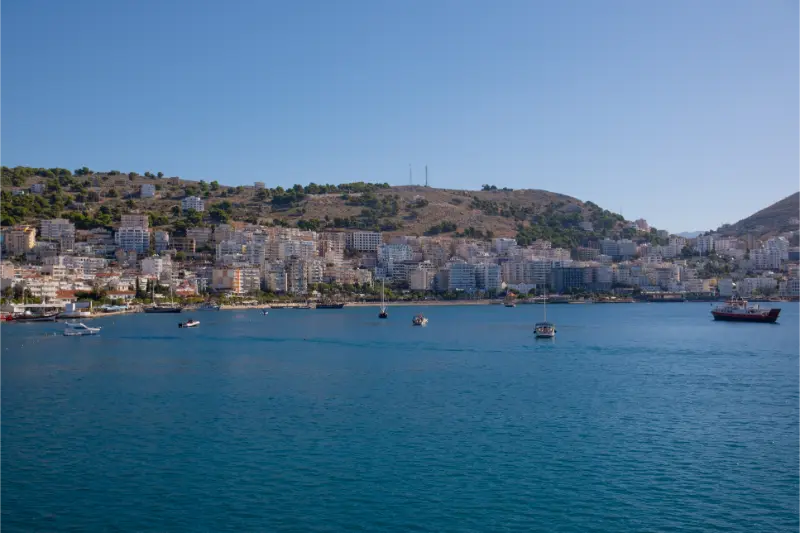
Sarandë is the southern city where a rental car can be both extremely useful and extremely annoying. It opens the Blue Eye, Gjirokastër and the Riviera, but once you return to the waterfront in high summer, finding a convenient space can erase the time you saved on the road.
My rule is simple: if you are sleeping in central Sarandë, parking quality should be part of the hotel decision. Once the car is secured, use your feet for the promenade and dinner.
Quick answer
| Question | My answer | Why |
|---|---|---|
| Do you need a car in central Saranda? | No | Promenade and restaurants are walkable |
| Main challenge | Summer traffic + limited convenient parking | Hotel parking has high value |
| Port area | Busy around ferry times | Do not improvise long stops |
| Rruga Butrinti | Long hotel corridor | Location can reduce daily driving |
| Road-trip value | High outside center | Ksamil, Butrint, Blue Eye, Riviera |
My basic rule
A rental car should remove friction from an Albania trip, not create a new task every thirty minutes. In cities and resort centers, I prefer to secure one legal parking space and explore on foot. I move the car only when the next activity is genuinely outside the walkable area.
For the national picture—insurance, deposits, fuel, road conditions, mountain driving and cross-border rules—read Renting a Car in Albania before building the route. I also keep Getting Around Albania open when deciding whether a particular city really needs the car.
Central Saranda: park once
The promenade, port and central restaurant area are compact enough to walk. Moving the car for dinner or a short swim makes little sense. A central hotel with a guaranteed space is therefore worth more than a slightly cheaper room that sends you searching every evening.
Ferry-port traffic
The ferry terminal creates pulses of taxis, buses, pedestrians and cars around sailing times. If you are taking a ferry to Corfu, arrive according to the operator’s check-in requirements and do not count on finding a casual long-term space beside the terminal. If the rental car is staying in Albania, solve parking before walking into the port.
Rruga Butrinti accommodation
Many apartments and hotels extend east along Rruga Butrinti. This can be a good car-based location because you are already on the road toward Ksamil, but not every property has easy on-site parking. Ask whether access requires a steep side street and whether the space is reserved during peak season.
Day trips to Ksamil and Butrint
The road south is straightforward in distance and difficult in August traffic. Leave early for Butrint, use one planned beach rather than five parking searches, and return outside the most obvious beach-departure wave when possible. The car is useful only if you do not spend the day continuously looking for spaces.
Blue Eye and Gjirokaster
These are better uses of a rental car. Start with a full tank, keep the day geographically coherent and return to the same Sarandë parking space. If Gjirokastër is a major part of the trip, consider staying there overnight instead of doing a late drive back after dinner.
Hotel parking versus street parking
In high season I strongly prefer confirmed hotel or apartment parking. “Free parking nearby” is not the same thing as a reserved space. Ask the property what happens if you arrive at 20:00 in August—this question reveals much more than the parking icon on a booking site.
Driving the promenade
Do not use the waterfront roads as a sightseeing loop when you could walk. Summer pedestrians, taxis and deliveries make central driving slow. If you miss a turn, continue safely and reroute rather than stopping in the lane.
Where to stay if you have a car
For road-trippers, prioritize central accommodation with confirmed parking or a well-located Rruga Butrinti property that makes southbound departures easy. Compare areas in Where to Stay in Saranda.
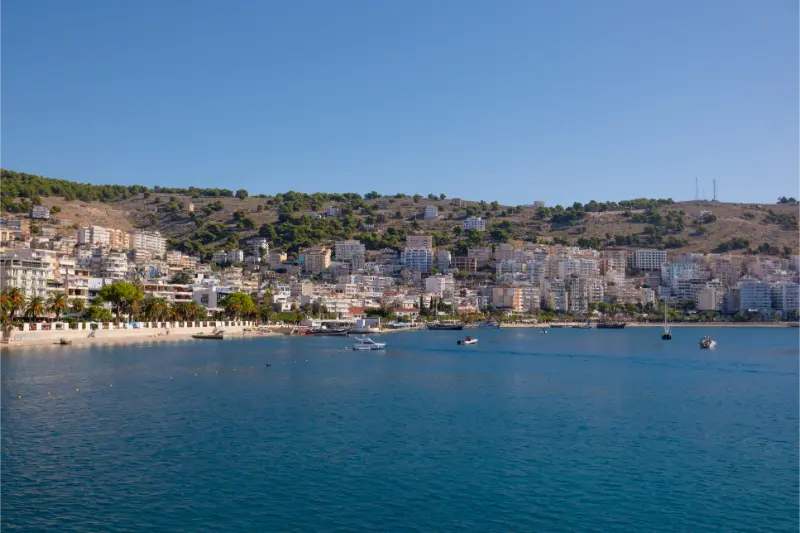
Compare current accommodation in Sarande on Booking.com. When comparing properties, read the parking description rather than relying only on the parking icon.
Arrival-day strategy
Arrive with the property’s parking instructions already saved. If the host needs to open a gate or show you a private space, message before you reach the busiest central streets.
I also take a screenshot of the final approach before entering dense traffic. If the accommodation has a separate garage entrance, save that pin independently. A five-minute preparation stop outside the center is better than trying to read messages while driving.
Peak-season or weather-specific advice
July and August are where the parking plan matters most. An early check-in, a reserved space and a walking evening routine can transform the stay.
Parking rules I would follow everywhere
- Trust signs over old blog posts. Paid-parking zones, one-way streets and temporary restrictions can change. Read the signs where you actually park.
- Do not block pavements, gates or access roads. A space used by other cars is not automatically a legal parking space.
- Remove visible valuables. Keep luggage out of sight and avoid using the parked car as long-term storage.
- Photograph the car when collecting it. Record existing damage, wheels and fuel level before leaving a rental desk.
- Save your hotel’s arrival instructions offline. Old towns and beach areas can have narrow or confusing final approaches.
- Leave extra time before ferries, flights and fixed tours. Summer coastal traffic can turn an easy transfer into the most stressful part of the day.
If you have a rental car
Keep the rental agreement, emergency contact and insurance information accessible rather than buried in luggage. Before leaving the pickup point, photograph every side of the car, wheels, windscreen, fuel gauge and odometer. If the vehicle develops a warning light or damage, contact the rental company before authorizing repairs unless an immediate emergency makes that impossible.
For narrow historic or beach roads, a compact car is usually easier than a large SUV. Choose a larger vehicle only when passenger space, luggage, ground clearance or a specific mountain route genuinely requires it.
Manual versus automatic rental cars
If you normally drive an automatic, do not choose a manual only to save a small amount of money. Hill starts, dense city traffic and coastal hairpins are not the place to relearn clutch control. Reserve the transmission you are comfortable with and verify it on the confirmation. The same principle applies to vehicle size: familiarity and easy maneuvering are more useful than renting the largest model available.
Fuel, navigation and phone coverage
I refuel before mountain or remote coastal excursions rather than waiting for the tank to become low. Navigation apps are useful, but I keep the route downloaded offline and compare any surprising shortcut with the visible road. If an app sends you toward an extremely narrow lane, a rough track or a pedestrian-looking street, stop safely and reassess instead of assuming the algorithm knows your rental-car limitations.
Parking overnight
For overnight parking, I prefer a hotel space, staffed garage or clearly legal public area over an improvised roadside gap. Ask reception whether there are street-cleaning, market or event restrictions the next morning. If the car will remain still for several days, check it periodically and keep the rental company contact details available. A legal space that does not inconvenience residents is better than parking a few meters closer to the hotel.
Driving with children
Families should solve child seats before leaving the rental desk and check that they are installed correctly. A hotel space close to reception becomes more valuable when unloading a sleeping child, stroller and luggage. For beach days, keep the car shaded when possible and never leave a child or pet inside, even for a short stop. Carry water in the cabin rather than in a hot boot.

What not to leave in the car
Do not leave passports, cash, cameras, laptops or visible luggage in a parked vehicle. Even in a destination where serious tourist crime is uncommon, a visible bag creates an unnecessary opportunity. Use hotel storage, keep valuables with you and leave the cabin looking empty. If luggage must remain in the car during a transfer day, put it out of sight before you arrive at the parking location rather than visibly rearranging valuables after parking.
Current local information
Sarandë parking and traffic management can be seasonal. Follow current local signs and municipal restrictions, especially near the port and promenade.
Useful related guides
- Main destination travel guide
- Where to Stay guide
- Renting a Car in Albania
- Albania Safety and Road-Safety Guide
- Getting Around Albania
Frequently asked questions
Do I need a car in Saranda?
No for the center. A car is very useful for Blue Eye, Gjirokaster and Riviera excursions.
Is parking difficult in summer?
It can be, especially near the waterfront and popular accommodation areas. Confirmed hotel parking is valuable.
Can I park at the ferry port all day?
Do not assume so. Check current parking rules and solve long-term parking before ferry check-in.

Where should I stay with a car?
Central with reserved parking, or along Rruga Butrinti if the property has clear access and you plan southbound day trips.
Should I drive to Ksamil every day?
You can, but repeated peak-season traffic and parking searches may make staying in Ksamil for beach-focused days more efficient.
Final advice
Do not judge the success of a road trip by how close you parked to every attraction. The best parking space is often the one you can find legally once and forget about. Use the car for the distances and landscapes Albania makes difficult without one, then enjoy cities and waterfronts on foot.
Driving an EV? Read Electric Car in Sarandë & Ksamil: EV Charging, Butrint, Border Trips and Range for charging, range, hotel-power and backup planning.
Leave a Reply