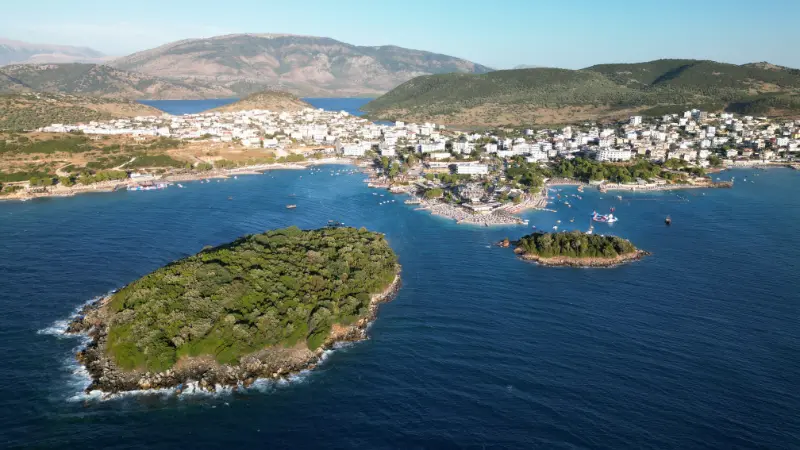
The Albanian Riviera looks different from the water. Roads reveal villages, passes and viewpoints, while a boat exposes limestone cliffs, caves and beaches that are difficult or impossible to reach comfortably by land. The most useful way to plan is not to search for one “best boat tour” but to choose a base that matches the stretch of coast you want to see.

Albania’s official Riviera itinerary specifically includes boat excursions around Sazan, Karaburun and hidden bays from Vlore. Farther south, Himare gives practical access to Gjipe, Grama and smaller coves, while Saranda and Ksamil focus more on the southern Ionian coast. Sea state, wind and operator quality matter more than a fixed schedule copied from social media.
Official references used for the location-specific and activity-specific facts in this guide include official Albania tourism Riviera itinerary. Conditions, access, opening patterns and seasonal services can change, so verify practical details close to travel.
Why this theme is worth building into an Albania trip
Coastal travel depends on weather and season more than the map suggests. Summer brings the widest range of services but also traffic and crowds; shoulder season can be calmer but boat operations and beach facilities become less predictable. Keep one flexible day if an important sea trip is central to the itinerary.
A themed trip also prevents a common planning problem: collecting famous places without understanding what connects them. When you organize part of the route around Albanian Riviera by boat, the country’s regional differences become easier to notice. The goal is not to turn the entire holiday into one activity, but to use the theme as a thread between cities, villages and landscapes.
Key facts before you plan
- Vlore is the main base for boat trips toward Karaburun, Haxhi Ali Cave and Sazan Island.
- Himare is well positioned for coastal trips to bays such as Gjipe and, on suitable days, more remote stretches such as Grama.
- Saranda and Ksamil provide boat access to southern coves and island scenery.
- Wind and sea conditions can change quickly, and a route that operates one day may be altered or cancelled the next.
- Protected areas and sensitive coastal sites may have rules on landing, anchoring or access, so operators should follow current local regulations.
These facts are a starting framework, not a substitute for current local information. In Albania, small operators, protected areas, mountain roads and seasonal businesses can change faster than guidebooks. Save official sources, confirm anything time-sensitive and keep enough flexibility to change a stop without damaging the whole itinerary.
The best experiences and places to focus on
Vlore: Karaburun, Haxhi Ali Cave and Sazan
Choose Vlore if your priority is the marine-park landscape. Full-day trips often combine cave, bay and island stops, but exact routes depend on conditions and permissions. Ask how long is actually spent swimming versus in transit, how much shade the boat has and whether lifejackets are available for every passenger.
Do not rush this part of the trip. Give yourself time to notice how the experience changes with weather, season, local routines and geography. A slower stop usually creates better photographs, better conversations and fewer mistakes than trying to squeeze several similar places into one day.
Himare: Gjipe, hidden coves and a smaller-scale coast
Himare works well for travelers who want shorter access to nearby bays. Gjipe can be reached by land, but arriving from the sea gives a different perspective on the canyon mouth. Small boats may also visit quieter coves, yet comfort decreases quickly if the sea becomes choppy.
Do not rush this part of the trip. Give yourself time to notice how the experience changes with weather, season, local routines and geography. A slower stop usually creates better photographs, better conversations and fewer mistakes than trying to squeeze several similar places into one day.
Grama: remote scenery that needs the right day
Grama Bay is one of the most dramatic boat destinations on the Riviera, but its remoteness is exactly why planning matters. A longer trip needs stable weather, enough fuel, water, shade and an operator prepared to change course. Do not pressure a captain to continue simply because you booked a specific photo stop.
Do not rush this part of the trip. Give yourself time to notice how the experience changes with weather, season, local routines and geography. A slower stop usually creates better photographs, better conversations and fewer mistakes than trying to squeeze several similar places into one day.
Saranda and Ksamil: southern boat days
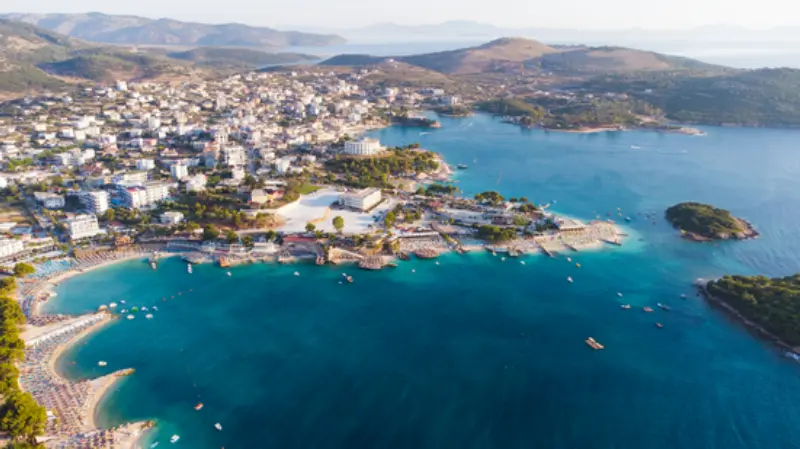
The southern coast has a different character: shorter hops, island scenery and beaches around the Ksamil-Saranda area. Peak summer boat traffic can be heavy, so an early departure may improve both water conditions and the atmosphere at small coves.
Do not rush this part of the trip. Give yourself time to notice how the experience changes with weather, season, local routines and geography. A slower stop usually creates better photographs, better conversations and fewer mistakes than trying to squeeze several similar places into one day.
Questions to ask before paying
Confirm departure point, duration, passenger capacity, shade, toilet availability, included drinks or food, swimming stops and cancellation policy. Most importantly, ask what happens if wind or sea state changes. A professional answer that includes the possibility of changing the route is more reassuring than a promise that the itinerary always runs exactly as advertised.
Do not rush this part of the trip. Give yourself time to notice how the experience changes with weather, season, local routines and geography. A slower stop usually creates better photographs, better conversations and fewer mistakes than trying to squeeze several similar places into one day.
When to go
Late spring through early autumn offers the most reliable range of coastal services, but July and August bring the highest demand. June and September often provide a good compromise between warm water and a less compressed schedule. Boat trips should always be treated as weather-dependent, even in peak summer.
Time of day also matters. Early starts reduce heat and traffic and can improve wildlife or water conditions. Late afternoon offers softer light, but remote drives, boat returns and unfamiliar trails should not be pushed into darkness simply for sunset.
Transport and route design
A car gives the most flexibility for linking small destinations, but it is not essential for every version of this theme. Major cities are connected by buses, while taxis, transfers, ferries and local operators can bridge the final section. Build the route around a few strong bases rather than changing accommodation every night.
Map distance is a poor predictor of travel time on mountain roads, coastal approaches and rural lanes. Add margin for traffic, roadworks, photo stops and finding parking. If a route involves a ferry, guided activity or timed departure, put that fixed element first and keep the rest of the day deliberately light.
Safety and responsible travel
Match the activity to your experience and equipment. Use qualified local operators for technical water, mountain or remote activities; carry drinking water and offline navigation; and tell someone your plan when leaving normal tourist routes. Never treat lack of barriers as proof that a cliff, riverbank, ruin or shoreline is safe.
Responsible travel is especially important in smaller communities and protected landscapes. Stay on established access where requested, do not disturb wildlife, respect worship and private property, take rubbish away and avoid moving stones, plants or archaeological material. Spend money locally when possible, but do not turn homes, farms or working harbors into photo sets without permission.
Budget and booking strategy
The cheapest day is not always the best-value day. A knowledgeable guide, safe boat, good transfer or well-located guesthouse can remove hours of logistical uncertainty. Compare what is included, read recent reviews and ask specific questions before paying. For seasonal activities, a clear cancellation or weather policy matters more than a small price difference.
Keep cash for small businesses and rural stops, but avoid carrying all of your money in one place. Card acceptance is improving in Albania but remains inconsistent outside larger towns. If you are visiting producers or family-run properties, confirm in advance whether they accept cards and whether a tasting or visit requires a reservation.
Useful related guides on Wonderful Albania
Related guide: Karaburun Peninsula Guide. Use it to turn this theme into a realistic route rather than a disconnected list of stops.
Related guide: Sazan Island Guide. Use it to turn this theme into a realistic route rather than a disconnected list of stops.
Related guide: Gjipe Canyon and Beach Guide. Use it to turn this theme into a realistic route rather than a disconnected list of stops.
Choosing a base
For one of the most useful bases for this theme, you can compare accommodation around Himare, Albania on Booking.com. Prioritize location, parking or transport access and recent reviews over star rating alone. A good base should reduce driving and make it easy to change the plan if weather or conditions shift.
Common mistakes to avoid
- Trying to cover every famous stop instead of choosing a few places that show genuine contrast.
- Treating seasonal opening hours, water levels, road conditions or boat routes as permanent facts.
- Relying on mobile signal instead of saving offline maps and essential contact details.
- Planning the longest transfer for late afternoon and then arriving after dark on an unfamiliar road.
- Choosing an operator only by price without checking equipment, passenger numbers, route changes or safety practice.
The simplest correction is to make one experience the anchor of the day and let everything else remain optional. Albania rewards flexible travelers because the most memorable stop may be a market, a roadside view, a quiet village lunch or a change of plan suggested by someone who knows the area.
A practical way to use this guide
Choose two or three anchor regions, then match each with one major experience and one easier backup. Keep the first day in a region simple so you can learn road conditions, parking and local rhythms before attempting the longest excursion. If you are traveling in peak summer, start early and use midday for lunch, museums or shade rather than forcing every outdoor stop into the hottest hours.
For a trip longer than a week, alternate intense days with lighter ones. A boat day followed by a long drive, or a mountain excursion immediately after a late arrival, creates fatigue that makes the itinerary less enjoyable and less safe. Building recovery time is not wasted travel; it is what allows you to notice the country rather than merely transit through it.
Final thoughts
Albanian riviera by boat is a strong way to see beyond Albania’s headline attractions because it connects landscapes, communities and practical travel choices. Use official information for time-sensitive details, ask locally when conditions matter and keep enough room in the itinerary for the unexpected.

Wonderful Albania is designed around that kind of travel: specific enough to be useful, but flexible enough to respect how places actually work. The best result is not completing a checklist. It is leaving with a clearer understanding of why different parts of Albania look, taste and feel the way they do.
Related activity guide: Sailing in Albania: Riviera Bays, Karaburun-Sazan and Coastal Trip Planning.
Boat safety: Boat Trip Safety in Albania: Weather, Life Jackets, Children, Swimming and Booking Checks adds detailed route, booking and safety advice for this water experience.
Leave a Reply