Tag: First Trip

Articles and practical travel tips about First Trip in Albania.

  • Solo Travel in Himarë: Beaches, Boats, Safety and Riviera Day Trips

    Solo Travel in Himarë: Beaches, Boats, Safety and Riviera Day Trips

    Himarë suits solo travelers who want a slower coast experience rather than resort nightlife every night. Spile gives you a walkable beach, restaurants and enough evening activity to avoid feeling isolated, while boats and taxis make it possible to reach Porto Palermo, Livadhi and other Riviera stops without renting a car.

    I would plan a solo stay around three questions: Can I walk back to my accommodation after dinner? Can I reach the next destination without a complicated late connection? and Which one paid activity would be more enjoyable in a group? Once those are solved, the rest of the trip becomes very easy.

    Quick solo-travel verdict

    QuestionPractical answer
    Good for first-time solo travelers?Yes, if the destination matches your travel style
    Car required?No for the core stay; use transport selectively
    Best accommodation priorityWalkable location and simple evening return
    Best social optionOne group activity, tour, boat trip or central hostel/café scene
    Biggest solo mistakeOvercomplicating transport or staying too far from the center

    Is it safe to travel here alone?

    Albania requires the same basic solo-travel habits you would use elsewhere in Europe: keep valuables controlled in busy areas, use licensed transport, tell someone where you are going on a remote excursion and avoid unnecessary late-night risks. Current UK travel advice says reports of crime targeting foreigners are rare but recommends sensible precautions, particularly in larger cities and late at night, and vigilance against pickpockets in tourist areas and transport hubs. For the latest official wording, check current UK travel advice for Albania.

    Safety is situational, not a label attached permanently to a neighborhood. A busy central street can feel straightforward at 21:00 and a remote beach road can feel uncomfortable at the same hour even when both are generally used by visitors. I plan around lighting, transport, distance and how easily I can change plans if something feels wrong.

    Best area to stay when traveling solo

    Spile is the best solo base because everything is close. Potam is a good second choice if you prefer a quieter beach but still want to walk into town. Livadhi is excellent for a beach-first stay but more dependent on transport for evenings. Old Himarë is atmospheric but inconvenient if you want repeated beach access.

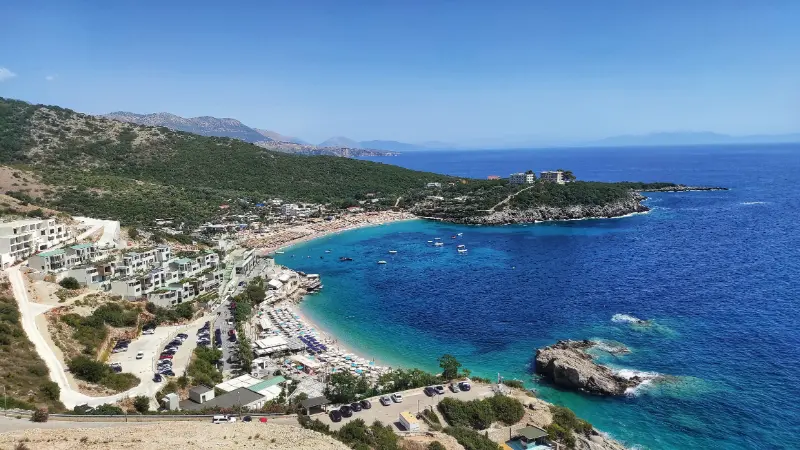
    Marachi Beach Himare Albania

    For solo travel I pay for location before room size. A room five minutes from dinner, the bus stop and the morning route usually gives me more value than a larger apartment that requires two taxis a day.

    Compare current accommodation in Himare on Booking.com.

    Use the local Where to Stay guide to compare areas in more detail.

    Getting around without depending on other people

    Walk between central Himarë and nearby beaches where practical, use taxis for Porto Palermo/old village and boats for coves where sea access is the point. A car adds freedom, but in peak summer a solo traveler pays the full rental and parking cost for a vehicle that may sit unused during beach days.

    Himare Rocky Beach and Turquoise Ionian Sea Albania

    The full car-free strategy is in the destination Without a Car guide. I always save the accommodation pin offline and screenshot the departure point for the next intercity leg before leaving Wi-Fi.

    Eating alone

    Himarë is easy for solo dining because seafood taverns, bakeries and casual restaurants dominate. A long lunch between swims can become the social center of the day. If you want to meet people, a shared boat trip is more reliable than choosing a specific bar and hoping it is busy.

    If I want a table with atmosphere, I go slightly earlier than the peak dinner rush and choose a counter, terrace or small table rather than waiting for the most formal sea-view setup. Lunch is also the easiest meal for trying a traditional restaurant alone because the atmosphere is more casual.

    Evenings and nightlife

    The promenade and Spile area are the natural evening zone. It is quieter than Sarandë and not dependent on nightlife, so dinner alone feels relaxed rather than conspicuous. If you stay outside town, prearrange the return or keep a taxi contact instead of expecting constant late-night availability.

    I decide how I am getting back before I order the final drink. If the return depends on a taxi, I keep a known number/app or ask the restaurant/hotel to call one. Walking back is great when the route is central and active; it is not a badge of independence when the alternative is a short, inexpensive ride.

    Solo female travel

    Solo women can make the trip simpler by staying in Spile or Potam, avoiding isolated beach approaches after dark and using known taxis for hill villages. Himarë’s relaxed evening rhythm is an advantage because you do not need to travel far for food or atmosphere.

    Street harassment experiences vary from person to person, so I do not promise that a destination will feel identical to everyone. The useful planning advice is concrete: central accommodation, control of your drink and belongings, licensed transport, and permission to leave any interaction that feels uncomfortable without being polite about it.

    Meeting other travelers without forcing it

    Traveling alone does not mean you need to turn every day into a social event. I choose one or two deliberate opportunities to meet people—hostel common spaces, a food tour, a boat trip, a walking tour or a small-group excursion—and leave the rest of the itinerary independent. That balance is usually better than booking group activities every day simply because you are solo.

    Best day trips for solo travelers

    Porto Palermo is the easiest cultural excursion. Qeparo/Borsh make a good southbound day; Gjipe/Jalë work northbound with more access planning. Do one direction per day instead of spending the entire solo trip moving along the coastal road.

    For remote nature, mountain or boat trips, the calculation changes. Going alone is not automatically unsafe, but you need better logistics: current weather, a charged phone, offline maps where useful, enough water, an agreed return plan and someone who knows your route. If conditions are uncertain or the route is difficult to reverse, joining a guide or group is a practical decision rather than a failure of independent travel.

    Solo travel budget

    The biggest solo cost is accommodation in peak summer because there is no one to split the room. Book early or choose June/September. Staying central reduces taxi costs, and using boats as one purposeful excursion is often better value than multiple private transfers.

    Solo travelers pay the full room and taxi cost, so I save money where sharing adds the least value: walking, city buses, bakeries, public beaches and free viewpoints. I spend more where sharing improves the experience: a boat, a difficult transfer, a food tour or a guide for a remote route.

    A simple first-day plan

    Swim in Spile/Potam in the morning, visit Porto Palermo around late morning, return for lunch and rest, then see Old Himarë near sunset. It gives you beach, history and village atmosphere without constant transport.
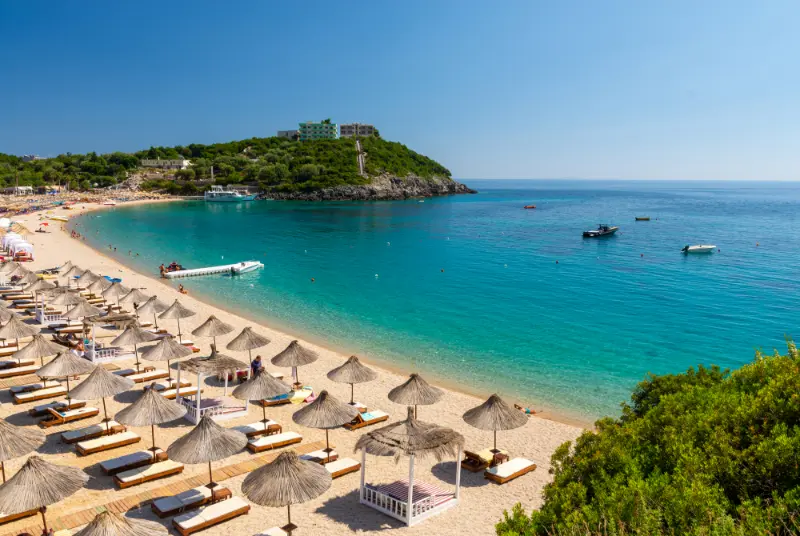
    Jale Beach Between Himare And Dhermi Albania

    The purpose of the first day is orientation. I want to know where the center is, where I will eat, how I get back to the room and where tomorrow’s bus or excursion starts. Once those four things are clear, solo travel stops feeling like a logistical project.

    What I would pack differently when traveling alone

    • A small power bank so maps and transport messages remain available all day.
    • Offline maps plus screenshots of the hotel and next transport departure point.
    • A compact day bag that keeps phone, wallet and passport organized rather than loose.
    • A light layer or rain shell so weather does not force an unnecessary taxi back to the room.
    • A small amount of Albanian lek for buses, cafés and situations where cards are not convenient.
    • For nature days: more water and a stronger return-time plan than you might use in a city.

    Common solo-travel mistakes

    • Choosing the cheapest accommodation without checking the nighttime walk back.
    • Arriving at an intercity terminal after dark without knowing the final hotel connection.
    • Renting a car for a destination where it will stay parked most of the time.
    • Trying to save every taxi fare by walking isolated roads late at night.
    • Booking too many group activities because you are worried about being alone.
    • Leaving a remote hike, boat return or mountain transfer to same-day improvisation.
    • Keeping valuables visible on a café table or in an unattended beach bag.
    • Treating a quiet evening as a failed travel day instead of part of the destination.

    Useful guides for planning the stay

    Frequently asked questions

    Is Himare good for solo travel?

    Yes, especially if you prefer a relaxed beach base over intense nightlife.

    Where should I stay?

    Spile is the easiest all-round solo base.

    Do I need a car?

    No. Taxis and boats can cover the main excursions.

    How do I meet people?

    Shared boat trips, small tours and central cafés are easier than isolated beach stays.

    When should I visit?

    June and September are the easiest balance for solo travelers.

    Final advice

    Solo travel works best here when you simplify the day instead of trying to prove complete independence. Stay somewhere walkable, use a taxi when it genuinely improves the evening, join a group when the activity is better shared, and keep enough unplanned time to follow your own pace. That freedom—not doing everything alone—is the real advantage of traveling solo.

    For official destination context and current national tourism information, see Albania National Tourism Agency. For changing safety conditions, transport disruption or local restrictions, check official sources again close to your travel date rather than relying only on a static guide.
  • Tirana with Kids: Parks, Dajti, Easy Sightseeing and Family Travel Tips

    Tirana with Kids: Parks, Dajti, Easy Sightseeing and Family Travel Tips

    Tirana with kids works better than many parents expect because the capital gives you something that long Albanian road trips often lack: flexibility. You can mix a museum or historic square with a large park, stop for food whenever children need it, return to the hotel for a rest, and still have enough options for the evening. I would not treat Tirana as a city where a family has to “complete” a long sightseeing list. The best family day here is usually a combination of one cultural stop, one outdoor break and plenty of unplanned time.

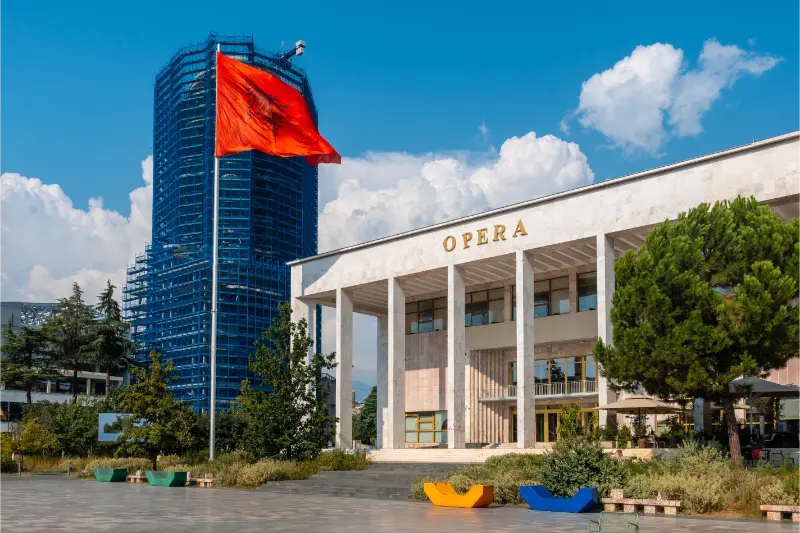
    Palace Culture Opera Skanderbeg Square Tirana Flag Albania Moving Wind

    For the wider context, start with the main Tirana travel guide and the Albania with kids guide. This article is specifically about pacing the capital for families, including younger children, school-age kids and teenagers who may not want a full day of museums.

    Why Tirana can be a good family base

    Tirana is useful at the beginning or end of a trip because it is easy to reorganize a day when somebody is tired, the weather changes or a flight schedule leaves you with only a few usable hours. Restaurants, supermarkets, pharmacies and accommodation are concentrated in the city, so families do not need to plan every meal or carry supplies for an entire day. That practical convenience is especially valuable after several nights in mountain guesthouses or smaller coastal villages.

    The city is also relatively compact in the central areas. Skanderbeg Square, the New Bazaar, the Pyramid, Blloku and the Grand Park can be combined without constantly getting back into a car. That does not mean every route is stroller-perfect—pavements and crossings vary—but you can build a day with shorter walking segments than in many historic Albanian towns with steep cobbles.

    Start with the Grand Park, not with a museum marathon

    The easiest family win is Tirana Grand Park. The official Albanian tourism portal describes it as one of the capital’s major green spaces, with walking and cycling areas, playgrounds, picnic areas and broad promenades. That makes it a useful reset point when children have already spent time in traffic, airports or museums. You can check the official tourism description of Tirana Grand Park before your visit.

    Football Stadium Tirana Air Albania Stadium

    I would use the park strategically rather than saving it for the end of the day. In warm weather, an outdoor break in the morning or late afternoon can keep the rest of the itinerary manageable. Families with toddlers can let the park be the main activity and treat the city center as the secondary stop. Families with older children can use it between the center and Blloku.

    Skanderbeg Square and the center: keep it visual

    Skanderbeg Square works well with children because it does not require a long explanation to make sense. The open space, surrounding architecture, statue, mosque and clock tower create an easy introduction to the city. From here, you can decide whether the family still has energy for Et’hem Bey Mosque, the clock tower area or a short walk toward the New Bazaar.

    For school-age children, I prefer giving the square a simple story: this is the symbolic center of the capital, and many layers of modern Albanian history sit around it. Teenagers may be more interested in how Tirana has changed since the communist period than in a conventional monument-by-monument tour. If the group is not engaged, move on. Family travel improves when adults stop measuring success by the number of sights entered.

    Modern Buildings Center Skanderbeg Square Tirana Albania

    The Pyramid of Tirana for older children and teenagers

    The Pyramid of Tirana is one of the city’s easiest places to discuss recent history and contemporary change in the same stop. The building began as a museum associated with Enver Hoxha and has since been reimagined as a modern public and educational space. With children, the value is not a long history lecture; it is the contrast between what the building represented and how the city uses it now.

    Supervise younger children carefully around steps, edges and busy public areas. The point of visiting is not to encourage risky climbing or turn architecture into a playground. Families can appreciate the exterior, take photographs and continue along the boulevard without spending a long time there.

    Dajti: the family day that changes the rhythm of the trip

    If everyone needs a break from traffic and central-city sightseeing, combine Tirana with Mount Dajti. The mountain gives families a very different perspective on the capital and can work as a half-day outing rather than a strenuous hike. The Dajti Ekspres cable car guide explains the practical side in more detail.

    Before setting out, check current operating information directly with the cable-car operator because schedules, maintenance closures and ticket conditions can change. If visibility is poor or the weather is unstable, do not force the excursion simply because it was booked into the plan. Tirana has enough alternatives to switch days.

    Museums: choose one according to age and interest

    Tirana has several strong museums, but families rarely benefit from stacking them. Bunk’Art 1, Bunk’Art 2 and the House of Leaves deal with difficult themes connected to dictatorship, surveillance and repression. They can be meaningful for teenagers, but parents should decide whether the subject matter and presentation are appropriate for their children.

    With younger children, I would favor shorter cultural stops and spend more time in public spaces. A museum does not become family-friendly just because children are allowed inside. Think about darkness, confined spaces, graphic descriptions, attention span and whether the visit will make sense without a long historical explanation.

    Where to stay in Tirana with children

    For most families, central Tirana is easier than staying far outside the city to save a small amount of money. Being able to walk back for a nap, change clothes or collect something forgotten can be worth more than a larger room on the edge of town. Compare family accommodation in Tirana and read recent reviews for street noise, lifts, parking and actual bed configuration.

    If you have a rental car, confirm parking before arrival. A property described as having parking may use a nearby garage, limited spaces or street parking rather than a private bay. If you do not have a car, prioritize walking distance to the center or an area where taxis are easy to arrange.

    Eating with kids in Tirana

    Tirana is one of the easiest places in Albania for a flexible family meal because you can choose between bakeries, casual restaurants, pizza, grilled dishes, cafés and more traditional Albanian food. The Tirana food guide is useful if adults want local specialties, while children who prefer simple food can usually find bread, pasta, rice, potatoes, yogurt, cheese, fruit and grilled meat without turning every meal into a negotiation.

    Do not wait until everybody is exhausted before looking for dinner. In summer, a late local dining rhythm can conflict with younger children’s routines. An early meal or substantial afternoon snack often produces a much calmer evening walk. Carry water, but avoid loading the day bag with food you can easily buy in the center.

    Strollers, crossings and taxis

    A stroller is more useful in Tirana than in Berat or Gjirokastër, but it will not glide smoothly everywhere. Curbs, parked vehicles, uneven paving and road crossings can interrupt an otherwise simple route. A compact stroller is easier than a large travel system, and a baby carrier remains useful if you are combining Tirana with hill towns later in the trip.

    For taxis, use clearly identified vehicles or have your hotel or restaurant arrange one when you want to reduce uncertainty. If you are travelling with a child who needs a specific car seat, do not assume every taxi will have the right restraint. Arrange this in advance or travel with an appropriate portable solution that meets your own safety requirements.

    A realistic two-day Tirana plan with children

    DayMorningAfternoonEvening
    1Skanderbeg Square and one short cultural stopGrand Park and downtimeEarly dinner, Blloku or central stroll
    2Dajti or another outdoor excursionHotel rest or New BazaarPyramid/boulevard walk if everyone still has energy

    This is intentionally light. You could add more, but a family plan should have space for delays, snacks, heat and spontaneous stops. If you only have one day, choose the city center plus the Grand Park, or Dajti plus a short evening walk. Trying to combine every major attraction usually creates more transport than enjoyment.

    Best time for a family visit

    Spring and autumn are often comfortable for urban walking, while summer can be hot enough that a midday break becomes important. Winter can work well for a city break because you are not depending on beach weather, but rain changes the value of parks and outdoor time. The broader best time to visit Albania guide explains how the seasons affect a longer trip.

    What I would skip with limited family time

    I would skip attractions that only interest the adults, long cross-city detours for a single photo and any museum that requires children to stay quiet and attentive for hours. Tirana’s advantage is variety. Use that variety to build a day around the family you actually have, not around an adult sightseeing checklist.

    Final family planning tips

    Keep one outdoor option and one indoor option saved for each day. Carry water, sun protection and a small snack, but buy most supplies locally. Confirm special requirements such as cots, parking and car seats rather than assuming the word “family” in a listing covers them. Most importantly, let Tirana be a place to recover between more demanding parts of Albania. A relaxed capital stay can make the mountains, Riviera and historic towns feel much easier afterwards.

    Travelling with a baby or toddler

    For naps, strollers, carriers, baby supplies and a slower daily rhythm, see the Tirana with a baby or toddler guide.
    Travelling with older children? See Tirana with Teenagers: Dajti, Museums, Food, Street Life and Family Travel Tips for teen-focused activities, independence, evenings and family pacing.

  • 15 Best Things to Do in Gjirokastër: Castle, Bazaar, Stone Houses and Hidden Corners

    15 Best Things to Do in Gjirokastër: Castle, Bazaar, Stone Houses and Hidden Corners

    Gjirokastër rewards travelers who understand one simple fact: the city is steep. The attractions are close together on a map, but repeated climbs between the bazaar, traditional houses and castle can make an overpacked itinerary exhausting.

    The best visit uses one logical loop, chooses one or two house museums rather than all of them, and leaves enough time to experience the Old Bazaar after the day-trippers have started to leave.

    Top things to do at a glance

    ExperienceBest for
    Explore Gjirokastër CastleBest essential attraction
    Walk the Old BazaarBest place for atmosphere
    Visit Skenduli HouseBest traditional-house experience
    Visit the Ethnographic MuseumBest for domestic culture and context
    See the Ismail Kadare HouseBest literary stop
    Go underground in the Cold War TunnelBest twentieth-century contrast
    Stop at the Bazaar MosqueBest compact religious landmark
    Walk to Ali Pasha BridgeBest active local walk
    Follow the self-guided city loopBest way to reduce unnecessary climbing
    Eat qifqi and southern dishesBest local-food activity

    How I would prioritize the list

    For a first visit, choose one landmark that explains the destination, one neighborhood or public-space experience, one food or cultural activity, and one nature or regional excursion if time allows. That gives the trip variety without turning the day into a checklist.

    I also separate “things to do in the destination” from genuine day trips. A place one hour away may be worth visiting, but it should not displace the city or town you actually came to see.

    Explore Gjirokastër Castle

    Best essential attraction. The Gjirokastër Castle dominates the city and gives the best overview of the Drino Valley. Allow enough time for the ramparts, museum areas and viewpoints instead of treating it as a quick sunset platform.

    Walk the Old Bazaar

    Best place for atmosphere. The bazaar is the social and visual center of the old town. Walk once without shopping, notice the branching stone streets, then return later for crafts, coffee and dinner.

    Visit Skenduli House

    Best traditional-house experience. Skenduli House is one of the clearest ways to understand the defensive, social and decorative logic of a wealthy Gjirokastër home. I would choose one house in depth rather than several rushed interiors.

    Visit the Ethnographic Museum

    Best for domestic culture and context. The Ethnographic Museum adds another perspective on traditional life. Decide whether it complements or duplicates the house you already toured before buying every possible ticket.

    See the Ismail Kadare House

    Best literary stop. The Ismail Kadare House is especially worthwhile for readers interested in Albania’s most internationally known novelist and the relationship between the stone city and his work.

    Go underground in the Cold War Tunnel

    Best twentieth-century contrast. The Cold War Tunnel shifts the story from Ottoman-era stone houses to the communist period. It is a useful contrast if you have already seen the castle and one historic home.

    Stop at the Bazaar Mosque

    Best compact religious landmark. The Bazaar Mosque sits directly inside the commercial district and fits naturally into a walking route. Visit respectfully and avoid treating an active religious site like a museum set.

    Walk to Ali Pasha Bridge

    Best active local walk. The Ali Pasha Bridge gives you a quieter route outside the most touristed streets. It is a walking experience rather than a drive-up monument, so use good footwear and avoid the hottest part of the day.

    Follow the self-guided city loop

    Best way to reduce unnecessary climbing. The Gjirokastër Self-Guided Walking Tour connects the bazaar, a traditional house and the castle in a sequence designed to avoid repeated uphill/downhill movement.

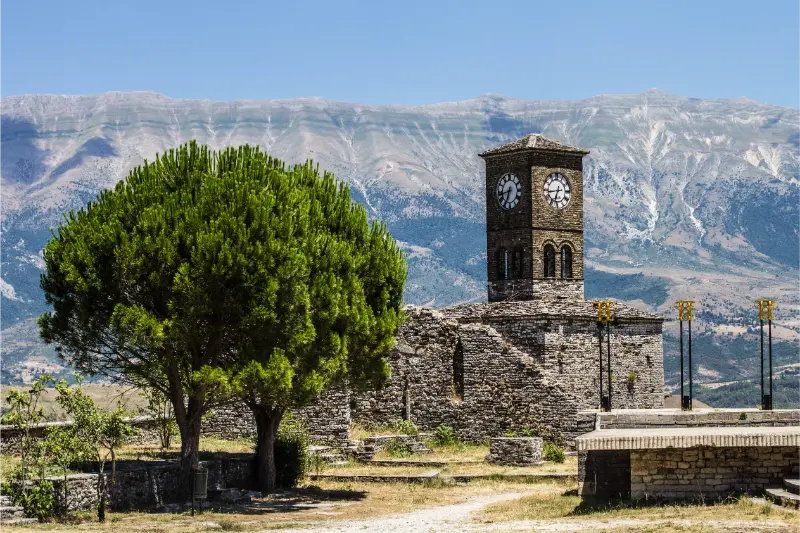
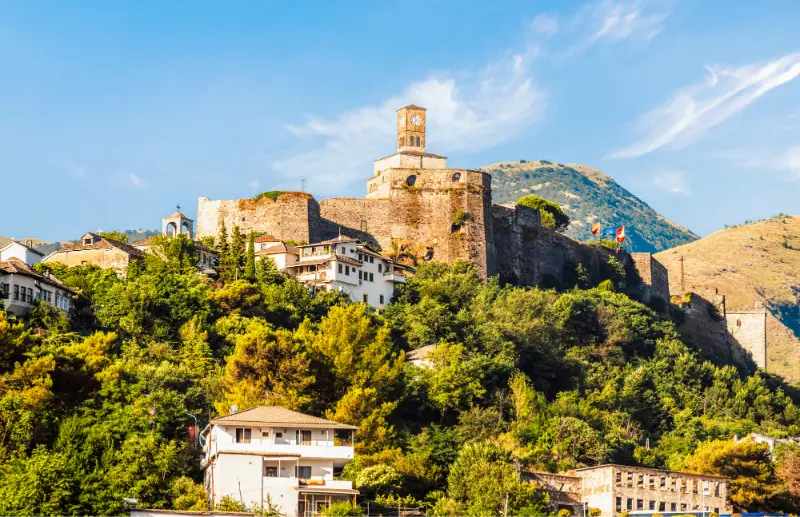
    Gjirokaster Castle Clock Tower UNESCO Site Albania

    Eat qifqi and southern dishes

    Best local-food activity. The Gjirokastër Food Guide explains qifqi, oshaf and regional cooking. Lunch in the bazaar is also the best place to insert a long break between steep walking blocks.

    Shop for real local crafts

    Best souvenir experience. The Old Bazaar still has a strong craft identity. Compare several shops, ask where textiles or metalwork were made and buy fewer pieces with a clear connection to the region instead of generic souvenirs.

    Visit Antigonea

    Best archaeology day trip. Antigonea Archaeological Park sits in the wider Drino Valley and gives you a completely different historical scale from the Ottoman old town. A car or taxi makes it much easier.

    Visit Libohovë

    Best quiet small-town excursion. Libohovë offers castle ruins, old streets and a slower atmosphere close to Gjirokastër. It is a good alternative to another famous attraction if you prefer local places.

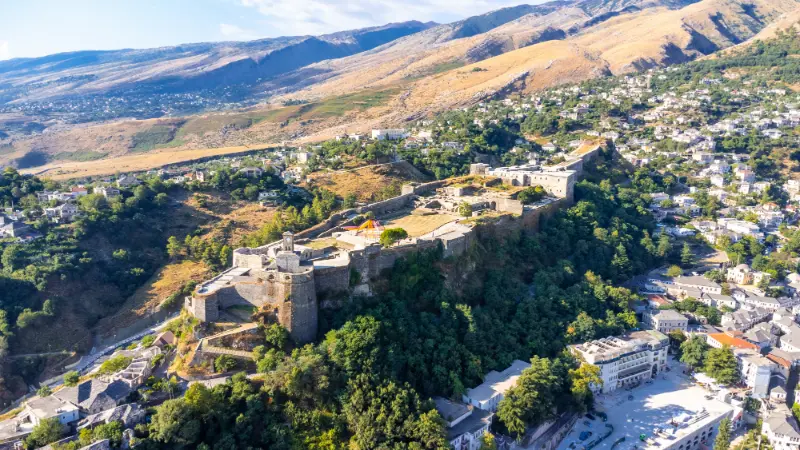
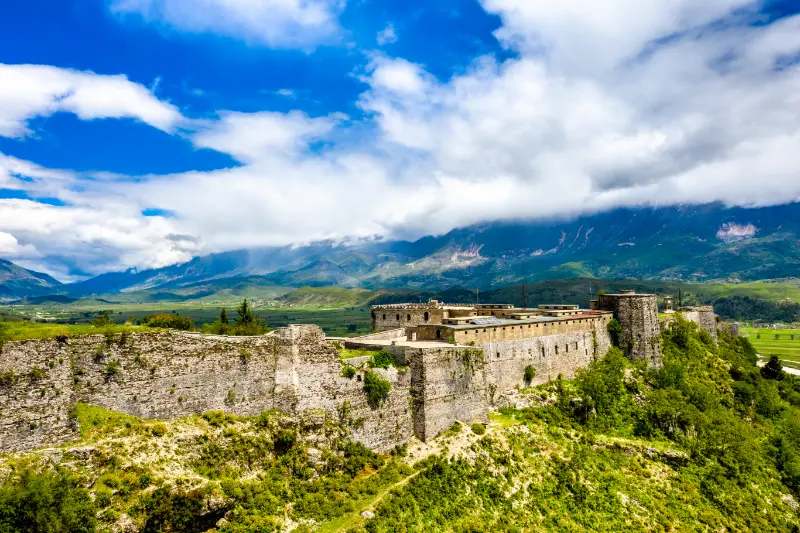
    Aerial View Old Castle Fortress Gjirokaster Albania

    See the Blue Eye on a travel day

    Best nature stop between regions. The Blue Eye is easier to combine when moving between Gjirokastër and Sarandë than as a random out-and-back trip on a short city stay.

    Choose one regional excursion

    Best use of a third day. The Best Day Trips from Gjirokastër compares Blue Eye, Antigonea, Libohovë, Përmet and other options so you can match the excursion to your route.

    Best free things to do

    The Old Bazaar, Palorto/Dunavat streets and viewpoints provide much of Gjirokastër’s atmosphere for free. The city itself is the attraction; do not feel you must enter every house museum.

    Best things to do with children

    Families should choose the castle plus one house museum and use taxis to reduce steep climbing. See Gjirokastër with Kids.

    Clock Tower Castle Gjirokaster Albania View Old 2

    What to do if it rains

    Rain makes the stone paving slippery. Use the Cold War Tunnel and house museums for indoor time, and save Ali Pasha Bridge or long old-town loops for drier conditions.

    How many days do you need?

    One day covers the essentials. Two days gives you slower house-museum visits and evening atmosphere. Three days adds Antigonea, Libohovë or a route toward Përmet.

    Where to stay

    Compare current accommodation in Gjirokaster on Booking.com.

    Use the main destination guide for transport, neighborhoods, seasonal planning and the wider trip structure.

    One-day planning

    If you only have one day, start with the dedicated one-day itinerary. It removes the weaker optional stops and keeps the route realistic instead of trying to compress this entire list into one schedule.

    Practical planning tips

    • Start exposed castles, archaeological sites and long outdoor walks earlier in summer.
    • Do not enter every museum simply because it appears on a list; choose the collections that match your interests.
    • Keep one meal long enough to be part of the experience rather than a rushed refueling stop.
    • Use taxis strategically when they remove an unpleasant uphill road or protect energy for walking where it matters.
    • Check current opening information for the one ticketed attraction you would be disappointed to miss.
    • For weather-sensitive hikes, boats and mountain roads, verify conditions close to the actual day.

    Official destination information

    For current official destination context, see the Albania National Tourism Agency page. I use official sources for stable attraction and regional information, then verify opening hours, transport or weather-sensitive access again near the visit.

    Frequently asked questions

    What are the top things to do in Gjirokaster?

    The castle, Old Bazaar, one traditional house and the Cold War Tunnel make a strong core visit.

    How many days do I need?

    One full day is enough for highlights; two is better for a relaxed stay.

    Is the city difficult to walk?

    It is compact but steep, with polished stone streets.

    Which house should I visit?

    Skenduli House is an excellent first choice; add another only if traditional architecture is a major interest.

    What is the best nearby excursion?

    Antigonea for archaeology, Libohove for a quieter town, or Blue Eye when traveling toward Saranda.

    Final advice

    The best itinerary is not the one that includes the most entries from this list. Choose the experiences that are genuinely different from one another, keep the route geographically sensible and leave room for the street, waterfront, market, café or view that makes you want to stay longer than planned.

    A simple way to build your own itinerary

    For one day, pick four anchors: one major sight, one walkable neighborhood or public space, one food stop and one final activity that becomes better in late afternoon. For two days, add a second museum or cultural site plus one nature excursion. With three days, use the extra time for a real day trip rather than extending the city checklist indefinitely.

    This structure also protects the trip from weather changes. If rain removes an outdoor activity, replace that block with a museum or long meal. If a museum is unexpectedly closed, use the saved time for the walking route or nearby public space instead of rebuilding the entire day.

    What I would skip on a first visit

    I would skip any attraction that requires a long transfer but gives you essentially the same experience as something already on the route. The goal of a first visit is contrast: history, everyday life, food and one natural setting. Repetition is what makes a busy itinerary feel shallow.

    Morning versus evening strategy

    Use mornings for the attraction most affected by heat, queues or crowds. Use late afternoon for promenades, old streets, viewpoints and social districts. This simple timing rule usually improves the trip more than adding another minor attraction.

    Looking for less-obvious places? Continue with the local hidden-gems guide after the main attractions.

    Free options: the free things to do guide separates no-ticket experiences from paid attractions and services.

    If it rains: use the dedicated rainy-day plan to choose indoor attractions and decide what to postpone.

    Best views: use the local viewpoints and photo-spots guide to plan the best light and access for the most photogenic locations.

    Before you go: read the first-time travel tips for practical planning beyond the attraction list.

  • 1 Day in Shkoder: Rozafa Castle, Marubi, Old Town and Lake Shkodra

    1 Day in Shkoder: Rozafa Castle, Marubi, Old Town and Lake Shkodra

    Shkodër can give you a surprisingly complete Albania day: fortress history in the morning, one of the country’s most distinctive museums at midday, a relaxed pedestrian center in the afternoon and Lake Shkodra at sunset. The main planning trick is to separate Rozafa from the city walk rather than pretending everything is in one pedestrian loop.

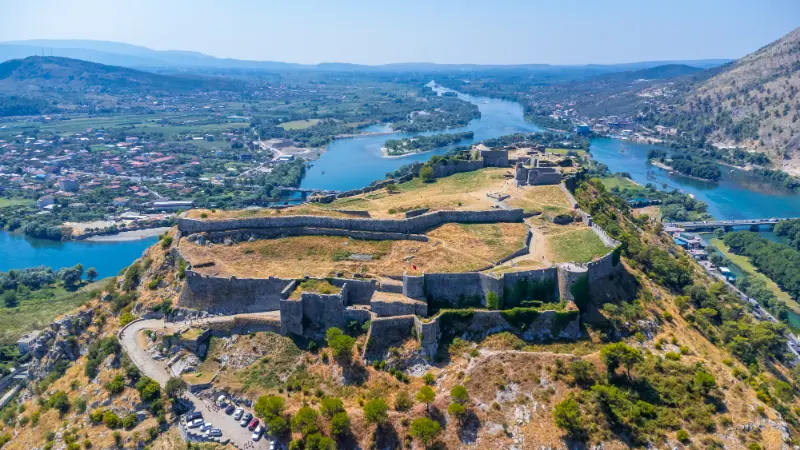
    Aerial Drone View Rozafa Castle Shkoder Walls Albania 2

    I would begin at Rozafa Castle, then park or return to the hotel and explore the center on foot. Late afternoon belongs to Shirokë because the lake is better when you have stopped trying to fit in monuments.

    A one-day itinerary works only when the route is selective. I would rather see four places properly than spend the day moving between eight map pins. The plan below is built around geography, heat and energy: the most demanding or time-sensitive stop comes first, lunch is used as a real break, and the late afternoon is reserved for the part of the destination that becomes better when the light softens.

    The times are a planning framework, not fixed opening hours. Museum schedules, archaeological-site access, ferries, seasonal services and weather can change. Check the current opening information for the one attraction you care about most the evening before, then keep the rest of the day flexible.

    One-day itinerary at a glance

    TimeStopWhy it fits
    08:30Rozafa CastleDo the hill before the hottest hours
    10:30Lead Mosque / return to centerShort heritage stop if desired
    11:30Pedestrian centerCoffee and city orientation
    12:00Marubi MuseumMain cultural museum
    13:30Lunch in ShkoderKeep the lake meal for evening if preferred
    15:00Gjuhadol + religious landmarksEasy city walking
    17:00ShirokeLake walk and dinner
    20:00Return to ShkoderFinish without another attraction

    Step-by-step itinerary

    08:30–10:30 — Rozafa Castle

    Start at Rozafa Castle and Shkodër before the day becomes hot or busy. The fortress sits above the confluence of the Buna and Drin river systems and offers the broadest geographical view of the city, lake and surrounding mountains. Give it at least ninety minutes; the walls and interior ruins are extensive enough that a ten-minute viewpoint stop misses the point.

    Rozafa Castle Shkoder Albania

    10:30–11:15 — Lead Mosque or straight to the center

    If religious architecture interests you, stop near the Lead Mosque area below the castle. Otherwise use this time to return to the center, park and reset. The one-day itinerary is better when you protect time for Marubi rather than forcing every landmark into the morning.

    11:30–13:15 — Pedestrian center and Marubi Museum

    Walk the central pedestrian streets and visit the Marubi National Museum of Photography. The archive gives you faces, clothing, landscapes and historical images that make the city outside feel more specific. If you enter only one museum in Shkodër, this is the one I would choose. The Shkoder Self-Guided Walking Tour covers the central route in more detail.

    13:15–14:30 — Lunch

    Eat in or near the pedestrian center. Keep lunch substantial enough to carry you through the afternoon but not so heavy that the lake becomes a recovery exercise. If you want the region’s most characteristic fish experience, save tavë krapi for Shirokë and use the Shkoder Food Guide.

    14:30–16:30 — Gjuhadol and religious heritage

    Spend the middle afternoon in Gjuhadol and the surrounding historic center. Shkodër’s identity includes Catholic and Muslim heritage, café culture and a strong tradition of cycling. This is a city to observe at street level, not a place where you need another museum every forty minutes.

    Shkoder Town Aerial Panoramic View Albania

    17:00–19:30 — Shiroke and Lake Shkodra

    Take a taxi, bike or car to Shirokë. Walk the lakefront, watch the light change and have an early dinner or long coffee. The official tourism agency highlights Lake Shkodra for walking, water activities and wildlife, and the villages around it are the natural way to finish a city day rather than another indoor stop.

    19:30 onward — Return to Shkoder

    Return to the city after dinner or stay by the lake if your accommodation is there. I would not add another viewpoint or nightlife stop unless you genuinely want it; the day is already complete.

    If you start late

    If you start late, do not skip Rozafa. Cut the Lead Mosque stop and shorten the city-center loop. Rozafa, Marubi and Shirokë are the three experiences that make the day feel different.

    Can you do this without a car?

    This itinerary works without a car. Use a taxi for Rozafa and Shirokë, then walk the center. A car is more valuable when Shkodër becomes the base for Mesi Bridge, Lake Koman or mountain routes.

    If you are traveling with children

    Families can reduce Marubi time and spend longer by the lake. Rozafa’s uneven surfaces require supervision for young children. The Shkoder with Kids gives a slower family version.

    With children, I protect one anchor activity and remove the weakest secondary stop. A successful family day is one where everyone still has energy for dinner, not one where every attraction was technically completed.

    If the weather changes

    If rain is heavy, move Marubi earlier, add another central museum or café, and treat Rozafa as conditional because the stone surfaces and exposed viewpoints are less pleasant in poor weather.

    What to pack for the day

    • Comfortable shoes appropriate to the terrain described in the itinerary.
    • Water and sun protection from late spring through early autumn.
    • A light layer outside midsummer or for lake, mountain and evening sections.
    • Some Albanian lek for small purchases, cafés, parking or local transport.
    • Offline maps plus a screenshot of your accommodation address.
    • Swimwear only when the itinerary genuinely includes the beach, lake or thermal water.
    • A compact day bag rather than carrying your full luggage between stops.

    Where to stay for a one-day visit

    For a one-day itinerary, location matters more than room size. Stay close enough to begin the first stop without a long transfer and finish dinner without another complicated drive. Compare current accommodation in Shkoder on Booking.com.

    Common one-day mistakes

    • Adding a famous excursion simply because it appears close on a map.
    • Scheduling the hardest outdoor stop in the middle of a hot summer day.
    • Entering every museum instead of choosing the one that best matches your interests.
    • Changing parking spaces repeatedly in a compact city or beach resort.
    • Booking a fixed evening activity immediately after a long road transfer.
    • Skipping lunch and then losing the late afternoon to fatigue.
    • Treating travel time as wasted time instead of keeping the route geographically tidy.

    If you have more time

    With two days, add a longer lake/cycling block or another regional excursion. Use 2 Days in Shkoder for the fuller plan.

    An extra day should create a different experience rather than a longer version of the same route. Use it for a mountain, lake, boat, village or museum block that did not fit naturally into the first day.

    Useful planning guides

    Frequently asked questions

    Is one day enough for Shkoder?

    Yes for Rozafa, the central city and a short Lake Shkodra visit.

    Can I walk to Rozafa Castle?

    You can, but a taxi saves time and energy on a one-day itinerary.

    Should I visit the lake or another museum?

    For a first visit I would choose the lake because it adds a completely different environment.

    Do I need a car?

    No. Taxis plus walking work very well for this route.

    Where should I eat?

    Central Shkoder is easiest for lunch; Shiroke is the most natural setting for a lake-fish dinner.

    Final advice

    A good one-day itinerary should leave you with a clear memory of the destination rather than a list of places you hurried through. Protect the first major stop, keep the route compact and let the late afternoon become slower. If something takes longer because you are enjoying it, remove the next optional stop instead of rushing the experience you are already having.

    How I would pace the day

    I divide the day into three energy levels. Morning is for the demanding or important attraction, midday is for food and the easiest sightseeing, and late afternoon is for the place that benefits from softer light or local evening activity. This simple structure is more reliable than assigning a new attraction to every hour.

    I also keep at least thirty minutes unassigned. That buffer absorbs a slow breakfast, parking search, queue, coffee break or a place that turns out to be more interesting than expected. Without a buffer, one small delay forces the rest of the itinerary into a permanent rush.

    One more planning detail: the first and last hour

    The first hour should never depend on an uncertain transfer if you can avoid it. Sleep close to the first stop, or resolve the taxi, parking or bus plan the night before. The last hour should be even simpler: dinner, a promenade, a café or the walk back to the hotel. Ending a full day with another complicated transfer usually adds stress without adding much travel value.

    If you are continuing to another city that evening, remove the last sightseeing block and leave in daylight whenever the route is unfamiliar. A one-day visit remains successful even when you depart an hour earlier than the theoretical maximum.

    Want more options? See the complete things-to-do guide for attractions and activities that do not fit this one-day route.

    Staying longer? The 3-day Shkoder itinerary adds a deeper local day and a regional excursion without rushing.

    Not sure how long to stay? Compare 1, 2 and 3 days before choosing this itinerary length.

  • Albania for Couples: Romantic Places, Beach Stays and a Relaxed Two-Person Itinerary

    Albania for Couples: Romantic Places, Beach Stays and a Relaxed Two-Person Itinerary

    Albania for couples works especially well if you like trips that mix coast, culture and a little adventure rather than staying inside one resort for a week. You can spend a morning inside a UNESCO-listed old town, drive through mountain scenery in the afternoon and end the day beside the Ionian Sea.

    A romantic trip does not need constant “couples activities.” The best moments are often a quiet hotel with a view, a long dinner, a sunset walk or simply having enough time in the schedule to stop somewhere unexpected. Build the route around shared interests and reduce hotel changes wherever possible.

    Choose two or three strong bases

    For a one-week trip, avoid sleeping in a different town every night. Tirana plus one historic inland stop and one Riviera base creates more relaxation than six one-night stays.

    Use our seven-day itinerary as a framework, then slow it down by removing one destination.

    Berat for atmosphere

    Berat is an easy romantic choice because evening light, river views and historic guesthouses create atmosphere without needing a special event. Stay overnight rather than visiting only at midday.

    Compare places to stay in Berat and consider a traditional property if you are comfortable with stairs and cobbled access.

    Gjirokaster for stone-city character

    Gjirokaster feels more dramatic, with steep lanes, castle views and old houses. It pairs well with a southern road trip and the Blue Eye.

    Choose accommodation based on access as well as charm; hauling luggage up a steep lane can be less romantic than the booking photos suggest.

    Himare for a relaxed coast stay

    Himare is one of my preferred couple bases because it gives you restaurants, beaches and easy coastal excursions without forcing a hotel change every day.

    Book enough nights to have one day with no plan beyond swimming and dinner. A romantic itinerary improves when not every day has an objective.

    Dhërmi if nightlife matters

    Choose Dhërmi if you both enjoy a livelier summer atmosphere. Stay near the beach zone for convenience or in the upper village for more traditional character.

    Aerial View Of Spille Beach Albania

    If one person wants nightlife and the other wants quiet, read recent hotel reviews carefully and compromise on location before booking.

    Mountains for couples who prefer active trips

    Theth and Valbona suit couples who would rather hike than lie on a beach. Use our Theth guide and do not underestimate mountain logistics, weather or footwear.

    An active trip becomes more enjoyable when both travellers agree on difficulty. Choose hikes based on the less experienced person, not the more ambitious one.

    Food and long dinners

    Albanian food is ideal for sharing: pies, grilled dishes, salads, cheeses and regional plates make it easy to order several things for the table. Read our food guide before the trip.

    In wine-producing or agrotourism areas, ask accommodation hosts for current local recommendations rather than relying entirely on generic tourist lists.

    Road trip or public transport?

    A rental car gives couples freedom to stop at viewpoints and smaller beaches. Read our car-rental guide before deciding whether the flexibility is worth the driving responsibility.

    If neither of you enjoys mountain roads or parking, use transfers and stay longer in each base. Romantic travel should not turn one person into a stressed chauffeur.

    Best season for a couples trip

    June and September are strong for coast plus culture. Spring is excellent for cities and road trips, while autumn works well for food and slower travel. See spring and autumn guides.

    Peak summer suits couples who want full beach energy, but book earlier and expect less spontaneity in the most popular coastal areas.

    Drymades Beach Rock Arch Albania

    A relaxed eight-day idea

    Days 1–2 Tirana; day 3 Berat; day 4 Gjirokaster; days 5–7 Himare or another Riviera base; day 8 return. Add or remove a stop depending on flight times rather than forcing the route.

    If you have ten to fourteen days, slow down further instead of simply doubling the number of destinations.

    Final planning tips

    For accommodation ideas along the coast, compare Riviera stays but always check the exact map location before booking.

    The most romantic version of Albania is not a list of “romantic spots.” It is a route with enough space for two people to enjoy the places they chose without constantly packing, driving and watching the clock.

    Extra practical advice

    For a trip centred on Albania for couples, the final improvement is usually not another attraction but better pacing. Keep addresses, reservation details and the most important route notes available offline, and avoid planning a major transfer immediately after the most demanding sightseeing block of the day. Albania is compact, but road conditions, parking, summer traffic and mountain geography can make short distances take longer than expected. I also recommend leaving at least one flexible period in every two or three days. Use it for weather changes, a beach you unexpectedly love, a long lunch, laundry, a child or travel companion who needs rest, or simply a slower morning. That margin makes the itinerary more resilient and prevents small delays from affecting several days in a row. For services that matter to the whole day—museum access, ferries, mountain transfers, guided activities or a hotel with a specific accessibility requirement—confirm details close to travel. For ordinary cafés, viewpoints and short walks, keep some spontaneity. This balance between preparation and flexibility is one of the easiest ways to make an Albania trip feel comfortable rather than over-managed.

    Beach Umbrellas Holiday Albania Ionian Sea

    Keep the day flexible enough to respond to weather, traffic and local advice. Confirm any service that would materially affect the itinerary, carry water and offline directions, and avoid adding a second major stop simply because the driving distance looks short on a map.

    Keep the day flexible enough to respond to weather, traffic and local advice. Confirm any service that would materially affect the itinerary, carry water and offline directions, and avoid adding a second major stop simply because the driving distance looks short on a map.

    Keep the day flexible enough to respond to weather, traffic and local advice. Confirm any service that would materially affect the itinerary, carry water and offline directions, and avoid adding a second major stop simply because the driving distance looks short on a map.

    Keep the day flexible enough to respond to weather, traffic and local advice. Confirm any service that would materially affect the itinerary, carry water and offline directions, and avoid adding a second major stop simply because the driving distance looks short on a map.

    Keep the day flexible enough to respond to weather, traffic and local advice. Confirm any service that would materially affect the itinerary, carry water and offline directions, and avoid adding a second major stop simply because the driving distance looks short on a map.

    Keep the day flexible enough to respond to weather, traffic and local advice. Confirm any service that would materially affect the itinerary, carry water and offline directions, and avoid adding a second major stop simply because the driving distance looks short on a map.

    Keep the day flexible enough to respond to weather, traffic and local advice. Confirm any service that would materially affect the itinerary, carry water and offline directions, and avoid adding a second major stop simply because the driving distance looks short on a map.

    Keep the day flexible enough to respond to weather, traffic and local advice. Confirm any service that would materially affect the itinerary, carry water and offline directions, and avoid adding a second major stop simply because the driving distance looks short on a map.

    Keep the day flexible enough to respond to weather, traffic and local advice. Confirm any service that would materially affect the itinerary, carry water and offline directions, and avoid adding a second major stop simply because the driving distance looks short on a map.

    Keep the day flexible enough to respond to weather, traffic and local advice. Confirm any service that would materially affect the itinerary, carry water and offline directions, and avoid adding a second major stop simply because the driving distance looks short on a map.

    Keep the day flexible enough to respond to weather, traffic and local advice. Confirm any service that would materially affect the itinerary, carry water and offline directions, and avoid adding a second major stop simply because the driving distance looks short on a map.

    Keep the day flexible enough to respond to weather, traffic and local advice. Confirm any service that would materially affect the itinerary, carry water and offline directions, and avoid adding a second major stop simply because the driving distance looks short on a map.

    Keep the day flexible enough to respond to weather, traffic and local advice. Confirm any service that would materially affect the itinerary, carry water and offline directions, and avoid adding a second major stop simply because the driving distance looks short on a map.

    Keep the day flexible enough to respond to weather, traffic and local advice. Confirm any service that would materially affect the itinerary, carry water and offline directions, and avoid adding a second major stop simply because the driving distance looks short on a map.

    Keep the day flexible enough to respond to weather, traffic and local advice. Confirm any service that would materially affect the itinerary, carry water and offline directions, and avoid adding a second major stop simply because the driving distance looks short on a map.

    \n

    Related guide: For accommodation ideas, see our romantic places to stay in Albania guide.

    \n

    Related guide: Planning a romantic trip? See our 10-day Albania honeymoon itinerary.

    Couples guides by destination

    These destination guides help couples choose the right base, pace, shared experiences and short itinerary without turning the trip into a checklist.

  • 1 Day in Tirana: A Realistic First-Time Itinerary from Skanderbeg Square to Blloku

    1 Day in Tirana: A Realistic First-Time Itinerary from Skanderbeg Square to Blloku

    If I had only one full day in Tirana, I would keep the entire itinerary in the center. Mount Dajti is worthwhile, but adding the cable car, mountain travel and central museums to the same day creates too many transitions. Tirana deserves time at street level because the city’s main story is the contrast between Ottoman-era landmarks, communist history and the energetic capital that developed after 1990.

    This route works especially well for a first visit because it is mostly walkable. You can start at Skanderbeg Square, choose one serious museum, eat near Pazari i Ri, continue to the Pyramid and finish in Blloku without needing a car.

    A one-day itinerary works only when the route is selective. I would rather see four places properly than spend the day moving between eight map pins. The plan below is built around geography, heat and energy: the most demanding or time-sensitive stop comes first, lunch is used as a real break, and the late afternoon is reserved for the part of the destination that becomes better when the light softens.

    The times are a planning framework, not fixed opening hours. Museum schedules, archaeological-site access, ferries, seasonal services and weather can change. Check the current opening information for the one attraction you care about most the evening before, then keep the rest of the day flexible.

    One-day itinerary at a glance

    TimeStopWhy it fits
    08:30Skanderbeg SquareCity orientation before the center gets busier
    09:00Et’hem Bey Mosque + Clock Tower areaShort historic stop
    09:45Bunk’Art 2 or House of LeavesChoose one major communist-history museum
    12:00Pazari i RiLunch and market atmosphere
    14:00Tirana Castle + central walkEasy post-lunch sightseeing
    15:30Pyramid of TiranaModern city contrast
    17:00BllokuCoffee, streets and evening atmosphere
    19:00DinnerFinish on foot; no extra transfer

    Step-by-step itinerary

    08:30–09:45 — Skanderbeg Square and the historic core

    Start at Skanderbeg Square before you enter a museum. Walk across the square from more than one angle, look at the surrounding institutions and use the Clock Tower and Et’hem Bey Mosque as the first historic anchors. The square is the best place to understand Tirana’s scale. Visit the mosque respectfully when visitor access is appropriate, and avoid turning the first hour into a long photo session. If you want a deeper city-center route later, use the Tirana Self-Guided Walking Tour.

    Interior Orthodox Cathedral Resurrection Christ Skanderbeg Square Tirana Albania

    09:45–11:45 — Choose one communist-history museum

    For a one-day itinerary I would choose either Bunk’Art 2 or the House of Leaves, not both. Bunk’Art 2 fits the walking route especially well because it sits near the center and gives context to the dictatorship and security state. The House of Leaves is stronger if surveillance history is your main interest. Spending two hours in one museum leaves you with more attention for the rest of the city than dividing the same time between several indoor stops.

    12:00–13:30 — Pazari i Ri and lunch

    Walk toward Pazari i Ri for lunch. The market area gives the itinerary a useful change of pace after the museum. I would not chase one famous restaurant; look at current menus, choose something Albanian and keep enough time for coffee. The Tirana Food Guide helps if you want to recognize byrek, qofte, fërgesë and other dishes rather than ordering from a generic tourist menu.

    14:00–15:15 — Tirana Castle and central pedestrian streets

    After lunch, return through the central pedestrian area and Tirana Castle. The remaining fortress fabric has been integrated into a modern dining and walking zone, so this stop is more about urban layering than medieval ruins. It works well after lunch because it does not require another ticket or strenuous climb.

    15:30–16:30 — The Pyramid of Tirana

    Continue to the Pyramid. Its current role as a contemporary cultural and educational space is part of what makes Tirana interesting: the building’s meaning has changed dramatically since the late communist period. Walk around it and use the surrounding boulevard to connect the political center with the more social neighborhoods ahead.

    17:00 onward — Blloku and dinner

    Finish in Blloku. Walk two or three parallel streets rather than navigating to one bar, then choose a café or dinner spot according to the atmosphere you want. Blloku works best as the end of the route because there is no need to travel anywhere else afterward. If you are staying centrally, walk back to the hotel instead of calling a taxi for a very short distance.

    If you start late

    If you start after 11:00, skip the museum rather than trying to compress every stop. Do Skanderbeg Square, Pazari i Ri for lunch, Tirana Castle, the Pyramid and Blloku. You will still understand the city’s geography and can save the deeper history for another visit.

    Monument Skanderbeg Scanderbeg Square Center Tirana Albania

    Can you do this without a car?

    You do not need a car for this day. In fact, parking and traffic make a rental car less useful than walking. If Tirana is the beginning of a road trip, consider collecting the car when you leave the city. See Driving and Parking in Tirana.

    If you are traveling with children

    With children, shorten the museum and add the Grand Park after the Pyramid if energy is good. The Tirana with Kids gives a more family-centered plan. Do not make young children stand through two long museums in one day.

    With children, I protect one anchor activity and remove the weakest secondary stop. A successful family day is one where everyone still has energy for dinner, not one where every attraction was technically completed.

    If the weather changes

    On a rainy day, keep Bunk’Art 2 or the House of Leaves, add a longer lunch and reduce the outdoor walking. Tirana is one of the easiest Albanian destinations for bad-weather flexibility because the center has multiple indoor options.

    What to pack for the day

    • Comfortable shoes appropriate to the terrain described in the itinerary.
    • Water and sun protection from late spring through early autumn.
    • A light layer outside midsummer or for lake, mountain and evening sections.
    • Some Albanian lek for small purchases, cafés, parking or local transport.
    • Offline maps plus a screenshot of your accommodation address.
    • Swimwear only when the itinerary genuinely includes the beach, lake or thermal water.
    • A compact day bag rather than carrying your full luggage between stops.

    Where to stay for a one-day visit

    For a one-day itinerary, location matters more than room size. Stay close enough to begin the first stop without a long transfer and finish dinner without another complicated drive. Compare current accommodation in Tirana on Booking.com.

    Common one-day mistakes

    • Adding a famous excursion simply because it appears close on a map.
    • Scheduling the hardest outdoor stop in the middle of a hot summer day.
    • Entering every museum instead of choosing the one that best matches your interests.
    • Changing parking spaces repeatedly in a compact city or beach resort.
    • Booking a fixed evening activity immediately after a long road transfer.
    • Skipping lunch and then losing the late afternoon to fatigue.
    • Treating travel time as wasted time instead of keeping the route geographically tidy.

    If you have more time

    With a second day, add Dajti, the Grand Park, Bunk’Art 1 or a slower neighborhood day. The 2 Days in Tirana is designed for exactly that extension.

    An extra day should create a different experience rather than a longer version of the same route. Use it for a mountain, lake, boat, village or museum block that did not fit naturally into the first day.

    Useful planning guides

    Frequently asked questions

    Is one day enough for Tirana?

    One day is enough for the central highlights and a good first impression. Two days gives you more room for Dajti, parks and another museum.

    Should I visit Dajti with only one day?

    Only if mountains matter more to you than museums and the central city. Otherwise keep Dajti for a second day.

    Do I need a car?

    No. The core route is walkable and a car creates unnecessary parking decisions.

    Which museum should I choose?

    Bunk’Art 2 for a broad central history stop; House of Leaves if surveillance history is your priority.

    Where should I stay for a one-day visit?

    Stay near the center so you can begin and end the itinerary on foot.

    Final advice

    A good one-day itinerary should leave you with a clear memory of the destination rather than a list of places you hurried through. Protect the first major stop, keep the route compact and let the late afternoon become slower. If something takes longer because you are enjoying it, remove the next optional stop instead of rushing the experience you are already having.

    How I would pace the day

    I divide the day into three energy levels. Morning is for the demanding or important attraction, midday is for food and the easiest sightseeing, and late afternoon is for the place that benefits from softer light or local evening activity. This simple structure is more reliable than assigning a new attraction to every hour.

    I also keep at least thirty minutes unassigned. That buffer absorbs a slow breakfast, parking search, queue, coffee break or a place that turns out to be more interesting than expected. Without a buffer, one small delay forces the rest of the itinerary into a permanent rush.

    Want more options? See the complete things-to-do guide for attractions and activities that do not fit this one-day route.

    Staying longer? The 3-day Tirana itinerary adds a deeper local day and a regional excursion without rushing.

    National Historical Skanderbeg Square Tirana Reflected Ground Water Albania

    Not sure how long to stay? Compare 1, 2 and 3 days before choosing this itinerary length.

  • Accessible Travel in Gjirokastër: Steep Streets, Cobblestones, Hotels and Mobility

    Accessible Travel in Gjirokastër: Steep Streets, Cobblestones, Hotels and Mobility

    Accessible Travel in Gjirokastër: Steep Streets, Cobblestones, Hotels and Mobility is not a list of places that I am labelling wheelchair-accessible. It is a practical planning guide for travelers who use a wheelchair, have limited walking stamina, use a cane or rollator, travel with an older relative, or simply need to reduce steps, slopes and long transfers.

    Accessibility in Albania is improving, but it remains inconsistent. Historic centers, public pavements, transport and older buildings can still present barriers, and a venue that is technically open to the public may not have a step-free route through every area. The safest approach is to plan around terrain first, then verify the exact hotel, attraction and transport features that matter to you.

    Gjirokastër is one of Albania’s most demanding historic cities for reduced mobility because the UNESCO core climbs the slopes of Mount Gjerë. The official tourism page describes the city as a stone settlement above the Drino Valley, and that geography is exactly what a mobility plan must respect: steep cobbled streets, irregular stone surfaces and attractions spread vertically rather than across a flat center.

    At a glance

    QuestionPractical answer
    Best baseFor significant mobility needs, the lower town can be a smarter hotel base than sleeping inside the Old Bazaar. If you want the historic atmosphere, choose a property on a vehicle-accessible lane and ask for the exact number of steps between taxi drop-off, reception and room.
    Getting aroundTaxis are the most useful accessibility tool in Gjirokastër. Use them uphill and walk only the section that is comfortable, preferably downhill where safe. Do not assume every guesthouse door or museum entrance can be reached by car; ask for the practical drop-off point.
    Main challengeTraditional tower houses are vertical buildings by design. Historic homes, ethnographic displays and old religious sites may have steep internal stairs, thresholds and limited room to maneuver. For wheelchair users, these should be treated as ‘confirm first’ attractions, not assumed accessible because they are open to the public.
    Best seasonWet stone is the biggest seasonal problem. Even travelers who normally manage cobbles may find Gjirokastër significantly harder after rain. Summer heat also amplifies the climb, so spring and early autumn are the easiest planning seasons.

    Where to stay for easier access

    For significant mobility needs, the lower town can be a smarter hotel base than sleeping inside the Old Bazaar. If you want the historic atmosphere, choose a property on a vehicle-accessible lane and ask for the exact number of steps between taxi drop-off, reception and room.

    When booking, I would not rely only on an ‘accessible room’ filter. Message the property and ask for the exact route from street or taxi drop-off to reception and room. If the trip depends on a roll-in shower, grab bars, shower chair, bed height, lift dimensions or step-free breakfast access, request confirmation in writing.

    Compare current accommodation in Gjirokaster on Booking.com. Use the booking platform to shortlist properties, then contact the hotel directly about the specific access features you need.

    Hotel accessibility checklist

    • Step-free route from street or taxi drop-off to reception.
    • Lift/elevator from entrance level to the room, with dimensions suitable for your mobility aid.
    • No hidden steps between lift, room, breakfast area and main exit.
    • Bathroom layout that matches your needs: roll-in shower, grab rails, shower seat or enough turning space.
    • Bed height and clearance that work for transfers if that is relevant.
    • A taxi can stop close to the entrance rather than at the bottom of a historic lane.
    • Air conditioning or heating appropriate to the season.
    • A quiet room if fatigue or sensory overload makes nightlife noise difficult.

    Getting around

    Taxis are the most useful accessibility tool in Gjirokastër. Use them uphill and walk only the section that is comfortable, preferably downhill where safe. Do not assume every guesthouse door or museum entrance can be reached by car; ask for the practical drop-off point.

    Aerial View Gjirokaster Fortress Albania 2

    If a standard taxi cannot accommodate your wheelchair or mobility equipment, arrange transport before arrival rather than expecting an accessible vehicle to be available on demand. If you travel with a foldable wheelchair or rollator, tell the driver in advance so the boot space is not a surprise.

    For public transport, route existence does not equal accessible boarding. Low-floor vehicles, ramp deployment, stop design and crowding can vary. If independent boarding is essential, confirm locally and keep a taxi alternative in the plan.

    Areas and sights that are easier to plan

    Lower town

    The newer part of Gjirokastër is easier for services, pharmacies, wider roads and vehicle access. It is less atmospheric, but it can remove a large daily physical burden.

    Clock Tower Castle Gjirokaster Albania View Old

    Old Bazaar with targeted drop-off

    The bazaar is a must-see, but the stone paving and gradients vary. A taxi to the closest practical point allows a short, focused visit rather than an exhausting climb from the lower town.

    Castle as a separate project

    The castle dominates the city, but it is a large fortress with uneven ground. Vehicle access can reduce the climb, yet the interior still requires realistic expectations and careful footwear or assistance.

    Viewpoints from accessible roads

    You can enjoy much of the Drino Valley panorama without completing every stone lane. Ask a driver for safe scenic stops rather than chasing high viewpoints on foot.

    The main accessibility barriers

    Traditional tower houses are vertical buildings by design. Historic homes, ethnographic displays and old religious sites may have steep internal stairs, thresholds and limited room to maneuver. For wheelchair users, these should be treated as ‘confirm first’ attractions, not assumed accessible because they are open to the public.

    Historic authenticity often creates exactly the obstacles that modern accessibility standards try to remove: cobbles, thresholds, steep ramps, narrow doors, irregular stairs and buildings spread across several levels. It is better to enjoy a meaningful part of a site than to treat the inaccessible section as a failed visit.

    A realistic low-strain day

    A lower-strain day could start with taxi drop-off near the bazaar, use one museum or cultural stop whose access has been confirmed, include a long lunch, then return by taxi. Put the castle on a separate half-day. This is much more realistic than copying a walking tour that climbs repeatedly.

    I would leave at least one empty hour in the middle of the day. That buffer can become a rest, a taxi delay, a longer lunch or simply time to recover from a surface that was harder than expected. A flexible schedule is one of the most effective accessibility tools.

    Wheelchair users: what to verify before arrival

    • The exact surface between vehicle drop-off and entrance: smooth pavement, cobbles, gravel, sand or steps.
    • The steepest gradient on the route, not just the total distance.
    • Whether doors are wide enough and thresholds are flush.
    • Whether lifts actually reach all public floors.
    • Accessible toilet availability and whether it is kept unlocked for visitors.
    • Whether a companion is required for any ramp, transfer or boat boarding.
    • If batteries or powered mobility equipment are involved, charging arrangements at the hotel.

    Travelers with limited walking stamina

    Limited stamina can be easier to plan for than strict step-free access because taxis can remove many long transfers. I would build the day from short clusters: one museum plus lunch, one promenade section plus dinner, or one castle viewpoint with a vehicle drop-off. Avoid itineraries that cross the destination repeatedly just because the map makes the distances look small.

    Benches and café stops are valuable, but they should not be the only rest strategy. A proper hotel break can prevent the second half of the day from becoming uncomfortable.

    Visual, hearing and sensory access

    If balance is a concern, a walking pole or cane with a suitable tip can be more useful here than in flatter Albanian cities. For wheelchair users, request video of the exact old-town route from vehicle stop to hotel because a map cannot show cobbles, steps or gradient reliably.

    For visual or hearing access more generally, contact the attraction before the visit and ask about written material, audio guides, captioning, lighting, staff-guided alternatives and whether assistance animals are accepted under the venue’s current rules. These services are not consistent enough to assume across Albania.

    Weather and season

    Wet stone is the biggest seasonal problem. Even travelers who normally manage cobbles may find Gjirokastër significantly harder after rain. Summer heat also amplifies the climb, so spring and early autumn are the easiest planning seasons.

    View Upper Area Gjirokaster Castle Albania Mountainscape As Backdrop

    Weather can turn a manageable route into a difficult one. Rain makes stone and polished paving more slippery, heat increases fatigue and dehydration, and snow or ice can transform southeastern or mountain destinations. Check the short-range forecast and be willing to change the order of the itinerary.

    Day trips and excursions

    The Blue Eye, Antigonea, Libohovë and Përmet all require their own access assessment. A private driver lets you see scenery without committing to fixed group walking distances, but archaeological and nature sites still have uneven ground.

    For any excursion sold as ‘easy’, ask for actual walking distance, surface, number of steps, toilet access and the distance between the vehicle and the attraction. Marketing language such as ‘easy tour’ often refers to the average traveler, not to a specific access requirement.

    Traveling with a companion or personal assistant

    A companion can help with luggage, kerbs, doors and communication, but the itinerary should not assume that another person can safely lift a wheelchair or physically compensate for a badly designed route. If a transfer requires lifting or specialist handling, arrange trained assistance rather than improvising.

    Arrival day strategy

    I keep arrival day intentionally light. Check in, test the hotel entrance and lift, identify the nearest pharmacy or supermarket, confirm how taxis pick up from the property, then do one short outing close to the hotel. This gives you real information about the destination before the first full sightseeing day.

    What I would not pre-book too tightly

    I avoid stacking a non-refundable morning attraction, a fixed lunch, a long afternoon tour and a timed evening experience. If the first route takes longer because of paving, a lift issue or taxi delay, the entire day becomes stressful. One fixed booking per half-day is usually enough.

    Medical and practical preparation

    Bring essential medication in hand luggage and keep a written list of generic medicine names. If you use mobility equipment, carry basic repair items that are appropriate for your device. Travel insurance should match your personal circumstances and planned activities. For individual medical fitness-to-travel questions, use your own clinician rather than relying on a destination article.

    National accessibility context

    Albania has legal and policy commitments on disability inclusion, but practical accessibility remains uneven. Recent Council of Europe work in Albania continues to identify accessibility in buildings, sidewalks and transport as a real inclusion issue. That is why this guide avoids promising that an attraction is fully accessible unless the venue itself can confirm the exact feature you need.

    Read the Council of Europe discussion of accessibility and disability barriers in Albania.

    Useful related guides

    Official destination information

    For current destination attractions and tourism information, see Albania’s official tourism page for this destination. Opening times, construction work and access arrangements can change, so confirm any essential feature shortly before the visit.

    Frequently asked questions

    Is Gjirokaster wheelchair accessible?

    I would not describe the entire destination that way. Some zones are much easier than others, while historic sites, cobbles, hills and older buildings can create significant barriers. The practical answer depends on your wheelchair, transfer ability, companion support and the exact places you want to visit.

    Can I rely on taxis?

    Standard taxis are useful for reducing walking, but they are not automatically wheelchair-accessible vehicles. If you need to remain seated in your wheelchair during transport, arrange a suitable vehicle in advance.

    How should I choose a hotel?

    Choose location and verified physical access before décor. Ask about steps, lift dimensions, bathroom layout and taxi drop-off, and request photos or video when one feature is essential.

    Should I rent a car?

    A car can reduce transfers outside city centers, but parking, cobbled historic zones and getting in and out of the vehicle can add their own barriers. A private driver is often easier when you want close drop-offs without managing parking.

    What is the best season for travelers with limited mobility?

    Usually spring or early autumn because temperatures are milder and crowds are lower. The destination-specific weather section above explains the main local exception.

    Final recommendation

    The best accessible itinerary is not the one that proves you can complete every famous sight. It is the one that gives you the destination’s character with the least avoidable friction. Verify the hotel carefully, use taxis strategically, choose one demanding historic site only when it matters to you, and keep enough flexibility to replace a difficult route with an easier cultural, food or waterfront experience.

  • One Month in Albania: A 30-Day Slow Travel Itinerary from North to South

    One Month in Albania: A 30-Day Slow Travel Itinerary from North to South

    A month in Albania changes the way you can travel. Instead of treating Tirana, Berat, Gjirokastër, the Albanian Riviera and the northern mountains as boxes to tick, you can stay long enough to notice the differences between regions, build weather buffers into mountain days and enjoy smaller places that disappear from a one-week itinerary.

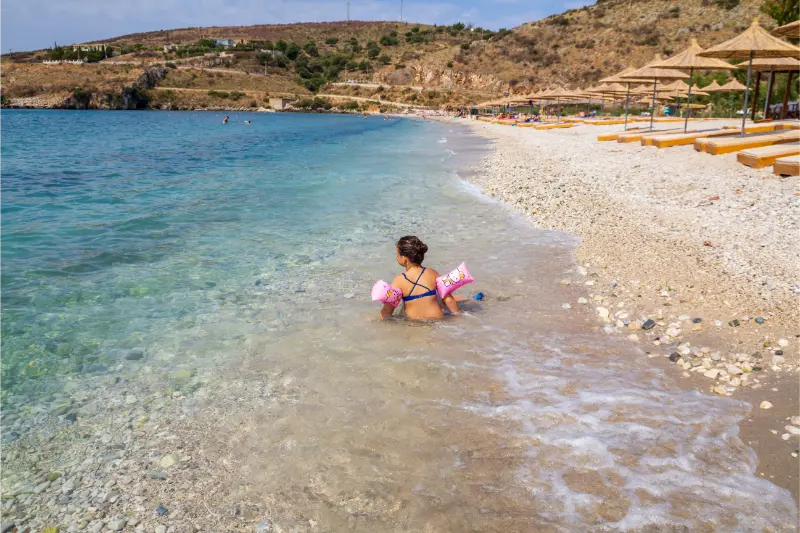
    Borsh Albania Little Girl Swimming Crystalline Waters White Stones

    This 30-day route is designed for travellers who want variety without moving every morning. It combines cities, UNESCO heritage, mountain landscapes, beaches, food, village stays and slower days. The order works best from late spring to early autumn, but the route can be adapted outside peak season by shortening the beach section and adding Korçë, Përmet or Tirana time.

    The biggest advantage of having 30 days is flexibility. Keep at least two nights uncommitted until you understand your pace. Albania rewards spontaneous detours, but transport, mountain weather and summer accommodation can still punish an over-optimistic schedule. Use this itinerary as a framework rather than a rigid reservation chain.

    At a glance

    DaysBaseMain experiences
    1–3TiranaCity history, Blloku, markets, Dajti
    4–6ShkodërOld town, Rozafa, Lake Shkodra
    7–10Theth / Albanian AlpsVillage days, waterfalls, hiking
    11–13BeratUNESCO quarters, castle, wine country
    14–16Përmet / GjirokastërVjosa valley, stone city, southern food
    17–22Himarë / RivieraBeaches, villages, boat or hiking days
    23–24SarandëButrint, Blue Eye or Ksamil
    25–27Korçë / PogradecOld Bazaar, villages, Lake Ohrid
    28–30TiranaBuffer days, shopping, final excursions

    Days 1–3: begin in Tirana

    Use the first three days to get oriented rather than immediately collecting day trips. Walk Skanderbeg Square, the central sights and Blloku, then choose one deeper history experience such as Bunk’Art or the House of Leaves. A second full day can include the Grand Park, New Bazaar and a slower food-focused evening. The city is also the easiest place to solve practical tasks such as SIM cards, cash, pharmacy items or forgotten travel gear.

    On day three, take the Dajti cable-car area or a short excursion such as Krujë if the weather is clear. Do not rent a car for central Tirana unless you need it immediately after departure; parking and traffic make it more useful once you leave the capital. Read our Tirana Travel Guide and first-time Albania guide before building the first days.

    Days 4–6: Shkodër and Lake Shkodra

    Move north to Shkodër and give the city two full days. Rozafa Castle, the pedestrian centre and Marubi photography museum fit comfortably into one day when you avoid the hottest afternoon climb. The second day can be slower: cycle toward Shirokë and Zogaj, spend time beside Lake Shkodra or use a taxi for a lakeside lunch.

    The third night is useful because it lets you organize the Alps without rushing. Guesthouses, shuttles and luggage storage for Theth or Valbona are easier to coordinate from Shkodër. If you are travelling by public transport, this is the natural logistics hub; if you have a car, decide whether you truly need it in the mountains or would rather leave it safely parked.

    Days 7–10: slow down in the Albanian Alps

    Spend three or four nights in Theth if hiking is central to your trip. The village itself deserves time beyond the famous trail: the church, stone houses, waterfall walks and changing light across the valley create a much richer experience than arriving late, hiking once and leaving at dawn. Build one weather-buffer day into the schedule, because cloud, rain or summer storms can alter mountain plans quickly.

    Christian Church Village Theth National Park Albania

    Strong hikers can connect Theth and Valbona, but the route requires more logistics than a normal day hike. Read the Theth–Valbona hike guide and do not assume luggage, ferries or shuttles will organize themselves. Travellers who prefer easier walking can remain based in Theth and still enjoy a very satisfying mountain section.

    Days 11–13: Berat and the central-south transition

    Berat works beautifully after the Alps because the pace changes completely. Stay inside or near Mangalem, Gorica or the lower centre, then give the castle a half day rather than squeezing it between drives. The Onufri Museum, neighbourhood lanes, river viewpoints and evening light are the reasons to sleep here instead of visiting on a rushed excursion from Tirana.

    Use the third day for countryside. Roshnik, wineries and local food experiences add context to the region, while Osum Canyon is better treated as a longer excursion if river conditions and your schedule suit it. See Berat Travel Guide and villages near Berat for options.

    Days 14–16: Përmet and Gjirokastër

    A month-long route should include at least one smaller southern base, and Përmet is a strong choice. The Vjosa valley, Bënja thermal baths and Langarica Canyon provide a nature day that feels completely different from the coast. Stay overnight instead of treating the area as a roadside stop; the slower evening is part of the appeal.

    Continue to Gjirokastër for two nights. The castle, bazaar and traditional houses can fill a full day, but the best experience comes from allowing time for steep lanes, viewpoints and local meals. If you still have energy, add Antigonea or Libohovë rather than racing directly to Sarandë.

    Days 17–22: make the Riviera a real stay, not a drive-through

    Base yourself in Himarë for several nights and treat the Riviera as a cluster rather than a chain of hotel changes. From one base you can reach Livadhi, Porto Palermo, Qeparo, Borsh, Vuno and several coves. A boat day is worthwhile in settled weather, while Gjipe is better for travellers prepared for the access and walk rather than those expecting a simple roadside beach.

    Six days on the coast may sound long until you include one slow beach day, one village day, a boat trip, a hike, a bad-weather buffer and one day when you simply do less. In July and August, start driving early because coastal roads and parking can become the main time cost. Our Albanian Riviera guide helps compare bases.

    Drymades Beach Dhermi Albania

    Days 23–24: Sarandë, Butrint and the far south

    Move to Sarandë for two nights rather than commuting repeatedly from Himarë. Butrint deserves a dedicated half day, ideally before the strongest heat and biggest tour groups. Pair it with Ksamil only if you actually want beach time; otherwise use the second half of the day for Sarandë or a quieter southern stop.

    On the second day choose one major outing: Blue Eye, a southern village loop or a ferry day to Corfu if international logistics fit your trip. Do not combine every famous attraction because the result becomes mostly transfers. Read Butrint Travel Guide before setting the timetable.

    Days 25–27: Korçë and Lake Ohrid

    Crossing to southeast Albania creates another major change in landscape and culture. Korçë is worth at least two nights for the Old Bazaar, museums, cafés and evening atmosphere. Voskopoja or Dardhë make excellent half- or full-day village excursions, especially after weeks of coastal heat.

    Spend a night in Pogradec or use Korçë as a base for Lake Ohrid. Lin, Drilon and Tushemisht give the region a slower lakeside rhythm. The Albanian side of the Ohrid World Heritage property is an important part of the country’s UNESCO story, but it is also simply a pleasant place to decompress near the end of a long trip.

    Days 28–30: return to Tirana with buffer time

    Keep the final three days deliberately flexible. Use them for anything you skipped because of weather, a final night in Tirana, a Krujë excursion, shopping or simply rest before the flight. A long trip almost always produces one place you wish you had stayed longer; this buffer lets you reclaim time without destroying later reservations.

    If your flight is early, sleep in Tirana or near the airport on the final night rather than betting on a long intercity transfer. Compare accommodation in Tirana on Booking.com if you want an easy final base.

    Should you rent a car for all 30 days?

    Not necessarily. Tirana and Shkodër are easier without a car, while the Riviera, Përmet and village detours become much more flexible with one. A good compromise is to use buses for the first northern section, then rent a car for the central and southern road trip. Compare this with Albania Without a Car and Renting a Car in Albania.

    For a month-long rental, pay attention to insurance, border permissions, parking and the cost of leaving a vehicle unused during mountain hiking. The cheapest daily rate is not automatically the cheapest total trip if you pay for parking or unnecessary rental days.

    How to book a month without losing flexibility

    Reserve the first nights, the Alps and peak-summer Riviera accommodation early, then leave some lower-demand nights flexible. In July and August, complete spontaneity can mean poor value on the coast. In May, June, September and October, you can usually keep more room for weather-based decisions.

    Use refundable bookings when they genuinely help, but track cancellation deadlines. A 30-day itinerary can easily become a spreadsheet of overlapping reservations, so keep a simple note with dates, addresses, payment status and check-in instructions.

    Budget strategy for a long trip

    A month in Albania becomes more affordable when you stay three or four nights in one place, use apartments occasionally and avoid private transfers for every leg. Your biggest variable is accommodation on the Riviera in peak season. Food can remain good value if you mix restaurants with bakeries, markets and simple local meals.

    Carry some cash in lek because smaller guesthouses, village businesses and local transport may not work like major city hotels. Our money and ATM guide explains the practical balance between cards and cash.

    Best season for this route

    Late May to June and September are the easiest all-round months for this exact mix of mountains, cities and coast. July and August work well if you accept higher coastal prices, stronger heat and more traffic. April and October can be excellent for culture and road trips, but mountain hiking and beach services become more weather-dependent.

    From November to March, rebuild the route around Tirana, Berat, Gjirokastër, Korçë and accessible winter villages rather than treating the summer Alps and Riviera sections as guaranteed.

    Where to stay

    For a 30-day trip, mix hotels with guesthouses and apartments so every stay does not feel identical. In the mountains, local guesthouses are part of the experience; on the Riviera, location and parking often matter more than extra hotel facilities.

    Browse accommodation across Albania on Booking.com and compare the map carefully against your actual route rather than choosing only by city name.

    Tours and activities

    Use tours selectively. A local guide is most valuable where it adds history, access or transport—Butrint, food experiences, rafting, boat trips or difficult day excursions—rather than replacing every independent day.

    Official information to check before you go

    For national destination information and current regional ideas, consult the official Albania tourism portal before departure.

    Useful related guides

    Common mistakes

    • Booking all 30 nights before understanding your preferred pace.
    • Changing hotels every night even when one base serves several nearby places.
    • Keeping a rental car during days when it is unused in Tirana or the mountains.
    • Leaving no weather buffer for hiking, boats or long coastal drives.
    • Treating the month as four separate one-week sprints instead of slowing down.
    • Scheduling a long intercity transfer on the same morning as an international flight.

    Frequently asked questions

    Is one month too long in Albania?

    No. A month allows mountains, coast, cultural cities and southeast Albania without turning the trip into constant transfers.

    Can I do this itinerary without a car?

    Yes with changes. Use buses, shuttles and taxis, and reduce remote village detours. The dedicated no-car itinerary below is more efficient for public transport.

    How many bases should I use in 30 days?

    Around eight or nine bases is comfortable. Fewer bases create deeper stays; more than ten starts to feel like a fast road trip.

    Should I book the Riviera in advance?

    In July and August, yes for the best-value locations. In shoulder season you can usually keep more flexibility.

    Where should I add extra days?

    Theth, Himarë, Përmet, Korçë and Tirana are the easiest places to extend depending on weather and interests.

    Final recommendation

    If you have 30 days, resist the urge to see twice as many places as a two-week visitor. The real advantage of a month is not a longer checklist; it is the ability to stay, adapt and notice regional Albania. Use the route above as a spine, protect the mountain and coast from rushed scheduling, and let two or three unplanned days become part of the trip.

  • Tirana to Theth: Shuttle, Car, Shkodër Connection and Mountain Travel Tips

    Tirana to Theth: Shuttle, Car, Shkodër Connection and Mountain Travel Tips

    The journey from Tirana to Theth is one of those Albanian transfers where the “best” option depends less on raw distance than on luggage, season, your next stop and whether you want sightseeing on the way. As a planning reference, roughly 3½ to 4½ hours in good conditions, but mountain traffic, stops and weather can extend it.

    Transport in Albania is improving, but intercity departures and seasonal coastal/mountain services can change. Use current information from e-Transport Albania and confirm the pickup point locally before travel instead of relying on an old timetable screenshot.

    Quick comparison

    OptionBest forWhat to know
    Bus / shared shuttleSolo travelers and lower budgetsCheck the current stop, season and luggage arrangements
    Rental carRoad trips and optional stopsAdds flexibility but also parking and driving responsibility
    Taxi / private transferFamilies, luggage and awkward timesDoor-to-door and easiest, usually the most expensive
    Stay overnight en routeLate arrivals or mountain/ferry connectionsOften safer and less stressful than forcing the last connection

    By bus or shared shuttle

    Travelers commonly reach Theth by shared shuttle, sometimes direct from Tirana and sometimes by connecting through Shkodër. The exact pattern changes by season and operator, so confirm the whole chain rather than assuming a city bus runs all year.

    Arrive early enough to identify the correct vehicle and load luggage without rushing. Keep passports, money, medication and electronics with you rather than in a luggage compartment. If the route requires a change, build a real buffer because separately operated services do not protect the connection.

    By rental car

    Self-driving works well if you plan to return by the same road and are comfortable with mountain driving. Official tourism information confirms the route reaches Theth via the Tërthore Pass. Check current conditions before leaving Tirana, especially outside peak summer.

    Sunset Tirana Albania Aerial Panoramic View

    Download the route offline, check fuel before leaving and read the accommodation parking instructions before the final approach. Navigation apps are useful, but they do not know whether a historic lane is sensible for a rental car or whether a seasonal mountain road is currently comfortable.

    By taxi or private transfer

    A private transfer is the easiest door-to-door option for families or small groups, but ask whether the vehicle goes all the way to the guesthouse or to a common village drop-off.

    For a private transfer, the written booking should show the exact pickup, exact hotel or village, total price, luggage allowance and any planned stop. If a stop is important, agree the waiting time in advance. This prevents a cheap quote from becoming an argument halfway through the route.

    Arrival and the final kilometer

    Theth is a valley, not a compact bus terminal. Guesthouses can be in Gjelaj, central Theth, Nderlysa or other points. Confirm where the shuttle stops and whether the host collects guests.

    Theth Valley And Albanian Alps

    The final kilometer is often the part travelers underestimate. A bus can technically reach the destination while leaving you far from the old town, beach hotel or mountain guesthouse. Save both the transport stop and accommodation pin, and ask the property whether a taxi or host pickup is normal.

    Best stop on the way

    Shkodër is the natural break and the best place to organize cash, luggage and mountain logistics. Qafë e Thorës/Tërthore is the key scenic mountain pause when conditions allow safe stopping.

    One deliberate stop usually improves a transfer; three improvised stops usually make it worse. Keep enough daylight for the destination, especially on mountain and Riviera roads where the last section can require more concentration than the first.

    Can this be a day trip?

    Do not treat Theth as a comfortable Tirana day trip if hiking is the purpose. Stay at least one night, preferably two or three.

    Late arrivals and early departures

    Avoid planning the first mountain drive after a late flight or after dark. If necessary, sleep in Tirana or Shkodër and continue in daylight.

    When the trip depends on the last bus, a ferry or a mountain shuttle, the sensible backup is often an overnight rather than an expensive emergency transfer. Build the itinerary so one delayed flight or bus does not destroy the next morning.

    Best season for the transfer

    Theth can be visited beyond summer, but road, snow and trail conditions are not guaranteed by a calendar date. Summer has the most predictable visitor infrastructure; shoulder-season travel requires direct confirmation.

    Weather and traffic can matter more than the month name. Summer increases coastal traffic and demand; shoulder season can reduce frequency; mountain snow and storms can change road or hiking assumptions. Recheck the route shortly before departure.

    Traveling with children

    For families, a taxi/private transfer can be good value because it removes terminal changes and luggage handling. If renting a car, reserve the correct child seat in advance. On long mountain or coastal routes, schedule one genuine food/toilet stop rather than hoping the next suitable place appears exactly when needed.

    Traveling with luggage

    • Keep valuables and medication in a small bag that stays with you.
    • Use one manageable suitcase or backpack rather than several loose bags on minibuses.
    • Ask hill-town and mountain guesthouses for the best drop-off point.
    • Do not leave visible luggage in a parked rental car during sightseeing stops.
    • For one-way hiking routes, solve luggage transfer before the morning of the hike.

    Where to stay after arrival

    Compare current accommodation in Theth on Booking.com.

    Use the local Where to Stay guide before booking if walkability, parking or transport-stop access matters.

    Useful related guides

    Common mistakes

    • Treating an old bus timetable as permanent.
    • Assuming the destination bus stop is beside the hotel.
    • Adding too many road-trip stops to a simple transfer day.
    • Booking the last practical connection with no delay buffer.
    • Driving into a historic center or mountain lane without parking instructions.
    • Choosing a rental car without considering one-way hiking or ferry logistics.
    • Using the minimum map time as the airport/ferry connection time.

    How to choose between bus, car and transfer

    Choose the bus when the route is simple, the destination is walkable and the schedule fits your day. Choose a car when it keeps creating value after arrival through villages, beaches or regional day trips. Choose a transfer when luggage, children, a late arrival or a complicated final kilometer would otherwise turn the journey into several separate problems.

    The cheapest ticket is not always the cheapest complete journey. Add the taxi to the terminal, the taxi from the arrival stop, parking fees and the value of lost sightseeing time before comparing options.

    Planning the reverse journey

    The reverse Theth to Tirana route may use a different pickup point or timetable. Confirm the return separately, especially when the trip ends with a flight, ferry or another fixed connection. Do not assume the outbound details simply reverse themselves.

    Frequently asked questions

    Is there a direct shuttle from Tirana to Theth?

    Operators may run direct or through services in season; confirm the current service for your date.

    Should I connect in Shkoder?

    Shkoder remains the most useful staging point if direct timing does not work.

    Can I drive a rental car?

    Yes when road/weather conditions are suitable and your rental terms allow it.

    How long should I stay?

    At least one night; two or three nights are better for hiking.

    Is the road open year-round?

    Do not assume so. Check current mountain and road conditions before travel.

    Final recommendation

    For most travelers, the best Tirana to Theth journey is the option that keeps the whole travel day simple rather than the one with the lowest headline price. Verify the current departure, solve the final hotel connection before leaving, and give seasonal coastal, ferry and mountain routes enough buffer to absorb normal delays.

    Aerial Drone View Small Beach Turquoise River Valbona Valley Theth National Park Albanian Alps

    If your connection does not work

    If the intended bus or shuttle is full, delayed or no longer running, first ask about the next service before accepting the first taxi offer. On short regional routes, waiting may be cheaper and almost as fast. On a route tied to a ferry, mountain pickup or same-day check-in, a private transfer may be the rational fallback. Keep the accommodation informed so a late arrival does not become a second problem.

    Cash, tickets and confirmations

    Carry some Albanian lek even if a service advertises online booking. Payment methods differ between drivers and operators. Screenshot the booking, pickup instructions and accommodation phone number for offline use. When paying locally, confirm the destination and total fare before loading luggage.

    What to do on arrival day

    Keep the first evening light. After a transfer, the most useful plan is usually check-in, a short orientation walk and dinner close to the accommodation. Save the castle climb, major beach excursion or long hike for the next morning when daylight and energy are better. This also gives you a buffer if the journey takes longer than expected.

    Booking checklist before you leave

    The day before travel, confirm five things: the exact departure point, the current departure time, whether large luggage is accepted, the destination drop-off and the final connection to the accommodation. Save the details offline and keep the hotel phone number available. For ferry and mountain routes, also confirm weather-related operation rather than assuming a booking automatically guarantees the route in every condition.

    If you are driving, add fuel level, parking instructions and the planned daylight arrival time to the same checklist. If you are using public transport, carry enough cash for a taxi at the destination in case the final walk is steeper, longer or hotter than expected. This small amount of preparation removes most of the stress from Albanian point-to-point travel.

    How this route fits into a longer Albania itinerary

    This transfer works best when it moves the trip forward rather than forcing a same-day return. After reaching Theth, allow enough time to enjoy the destination before the next long travel day. A strong Albania itinerary alternates movement with real stays: transfer, explore, sleep, then continue. That rhythm is especially important on the Riviera and in the Alps, where roads and scenery reward slower planning.

  • Durrës Port Guide: Ferry Terminal, Italy Routes, Check-In and Getting to the City

    Durrës Port Guide: Ferry Terminal, Italy Routes, Check-In and Getting to the City

    Durrës Port is Albania’s major Adriatic passenger gateway and the place many travelers first see when arriving by ferry from Italy. It is especially important for road-trippers because the ferry lets you bring a car, motorcycle or camper directly into Albania, but port check-in is more demanding than a short passenger-only crossing.

    For 2026, operators continue to serve the Bari–Durrës route and Adria Ferries also lists Ancona–Durrës services. GNV’s current Durrës port guidance tells international passengers to report well before departure and identifies its local check-in location. Exact sailing times, check-in rules and gates vary by operator, so always follow the instructions on your own ticket.

    Current source for details that can change: current GNV Durrës port information.

    Quick answer

    • Durrës is the main ferry gateway between Albania and Italy.
    • Bari–Durrës is a core route; Ancona services are also operated seasonally/regularly by relevant companies.
    • Vehicle passengers should arrive much earlier than they would for a short domestic ferry.
    • Keep passports, vehicle documents and ticket confirmation ready before entering the port area.
    • After arrival, decide whether you are staying in Durrës or driving directly toward Tirana or another region.

    Which ferry routes use Durrës?

    Bari is the best-known year-round connection and is served by major ferry operators. Adria Ferries also publishes Ancona–Durrës services and other Italy connections can vary by season. The route network changes more than the city itself, so I search by exact travel date rather than assuming last year’s pattern.

    An overnight ferry can save a hotel night and lets you wake up in Albania, but only if you choose the cabin/seat option that suits your sleep expectations. Deck travel may be cheap, while a private cabin can make the first driving day much safer and more enjoyable.

    Check-in with a vehicle

    Vehicle boarding needs time. The operator may inspect documents, direct you through a specific gate and stage cars before loading. GNV currently recommends reporting several hours before international departures from Durrës; other companies may set different rules. Follow your ticket, not a generic article.

    Before entering the port, remove anything you need during the sailing from the car. Vehicle decks are normally inaccessible or restricted during the crossing. I keep passports, medicine, chargers, warm layer, toiletries and valuables in one small overnight bag.

    Documents and customs

    Bring the passports required for every passenger, plus registration and insurance for the vehicle. If the vehicle is rented, verify that the rental company allows the ferry and international travel. A cross-border road-trip permission problem is much easier to solve before you reach the port.

    For customs limits and declarations, use the Albania customs allowances guide and official customs information for anything unusual or high-value.

    Arriving in Durrës

    The port is close to the city but road access, gates and port traffic mean you should follow signs rather than improvising. If Durrës is your first overnight stop, I like having the hotel pin and parking instructions saved before the ship docks.

    Durres Seafront And Modern Pier Albania

    If you are continuing to the capital, use the Tirana–Durrës transport guide in reverse as a planning reference and allow for traffic around both cities.

    Staying in Durrës after the ferry

    Durrës deserves more than being treated only as a port. The amphitheater, waterfront and old center make an easy first or last night. Read the Durrës travel guide if you have time before or after the crossing.

    For an early sailing, sleeping in Durrës is often smarter than driving from a distant part of Albania before dawn. A hotel near the port or with reliable taxi access reduces the risk of missing check-in.

    Main Square Sheshi Liria Town Hall Background Durres Albania

    How I plan around a transport hub

    I treat a terminal or port as part of the journey rather than a pin on the map. Before travel I save the exact entrance, not only the name of the city, because a large station can have separate arrival bays, departure areas, ticket offices or vehicle gates. I also keep the next destination, hotel address and one backup transport option offline on my phone.

    For a fixed connection I build a margin for traffic, queues and finding the correct bay. The more important the onward connection, the less I rely on the shortest theoretical transfer. Albania is easy to travel independently, but the system works best when you know where your next vehicle actually leaves from and when you need to be there.

    Tickets, cash and confirmation

    I keep some Albanian lek even when the main ticket can be bought online. Small local buses, taxis, coffee stops and last-mile transfers do not always behave like a fully cashless network. For a prepaid service I save the ticket or confirmation as a screenshot, because mobile data and email access are exactly the things that can fail when you are rushing.

    If a timetable is critical, I check it twice: once while building the itinerary and again 24–48 hours before travel. Public schedules, seasonal services and operator details can change. A current official source or the operator’s own booking page is more useful than an old screenshot from a forum.

    Luggage and the last kilometer

    The cheapest long-distance ticket can stop being the easiest option when you add two suitcases, a child, a steep hotel street or a terminal several kilometers from the old town. I therefore compare the whole door-to-door journey. Sometimes a local taxi at one end turns a budget bus into a very comfortable solution; sometimes a private transfer becomes reasonable once several people share it.

    Keep passports, medicine, electronics, keys and money in a small bag that stays with you. Large luggage may be stored in a hold, vehicle deck or separate compartment depending on the service. I label the main bag with a phone number and avoid packing anything essential where I cannot reach it during the journey.

    Families, accessibility and slower travel

    Families and travelers with limited mobility should ask one more question than everyone else: what happens between the vehicle and the actual entrance? Kerbs, uneven paving, stairs, crowded boarding areas and long walks can matter more than the scheduled journey time. When assistance is important, contact the operator or accommodation in advance rather than assuming a standard level of accessibility.

    With children I prefer fewer transfers and more buffer. A direct bus, ferry or taxi that costs slightly more can be better value than a chain of cheap connections with no recovery time. I also keep water, snacks, wipes and a light layer in the day bag, especially on ferry and border days when queues can be unpredictable.

    Common mistakes to avoid

    The most common mistake is using the city name as if it were the exact station. The second is planning a connection with no margin. The third is assuming that every ticket, timetable and platform rule works exactly like it does at home. Albania’s transport network is improving quickly, but independent travel still rewards people who verify the final details locally.

    I also avoid scheduling a non-refundable tour immediately after a long transfer. If the transport day is important, let the arrival itself be the main task. You can always add a walk, dinner or viewpoint later if everything runs early.

    Where to stay for an easier travel day

    in Durres on Booking.com can be planned around the transport day as much as the sightseeing. Compare accommodation in Durres on Booking.com. I prefer a location that reduces the number of early-morning transfers, especially before a ferry, border crossing or long-distance bus.

    If the next departure is early, the cheapest room on the opposite side of town may create an expensive taxi or unnecessary stress. I compare the total logistics, not only the nightly room rate.

    Tours and activities: keep the transport day flexible

    I avoid putting a non-refundable activity immediately after a long transfer. Transport hubs, border checks and road traffic have enough moving parts without adding a hard tour deadline. Once you have arrived and checked in, use the activity widget below to compare experiences for a separate day.

    Practical packing checklist

    • Passport or accepted travel document in your day bag
    • Ticket or booking confirmation saved offline
    • Small amount of Albanian lek plus a bank card
    • Phone charger or power bank
    • Water and a light snack for queues or delays
    • Medication and valuables kept with you
    • Accommodation address and next transport pin saved offline

    Related Wonderful Albania guides

    Continue planning with ferries to Albania, Durrës travel guide, driving and parking in Durrës, Albania customs allowances.

    Durres City And Adriatic Coast Albania

    Frequently asked questions

    Which Italian port is most commonly connected with Durrës?

    Bari is the main route and has regular services. Operators also publish connections such as Ancona–Durrës; check the live timetable for your exact date.

    How early should I arrive with a car?

    Follow the operator’s instructions. Major operators currently request several hours for international vehicle check-in, so this is not a last-minute ferry.

    Can I access my car during the crossing?

    Do not assume so. Pack an overnight/day bag with everything you need because vehicle-deck access is typically restricted once the ship is underway.

    Is Durrës Port close to hotels?

    Yes, the port is close to the urban area, but the exact gate and road layout matter. Save your hotel pin and parking instructions before arrival.

    My practical approach

    I treat a transport hub as the start of the next journey, not the end of the previous one. Saving the exact entrance, current ticket instructions and last-mile plan usually matters more than memorizing a timetable. That small amount of preparation is what makes independent travel in Albania feel easy rather than improvised.