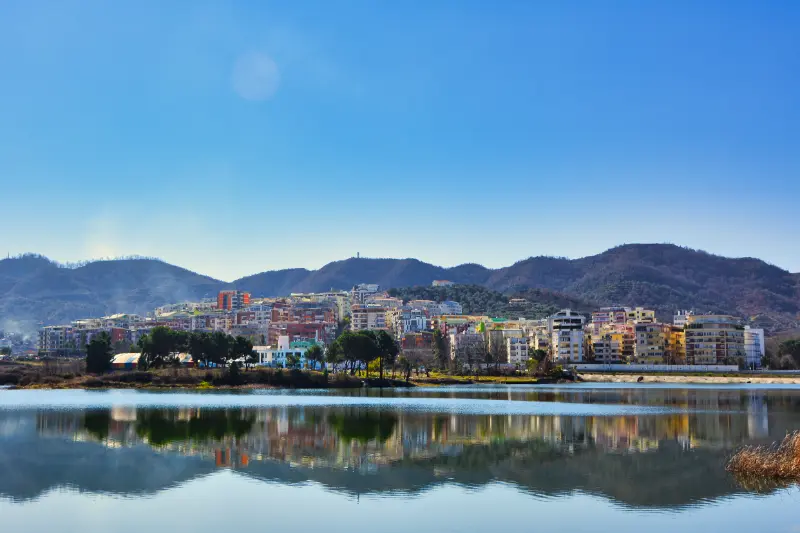
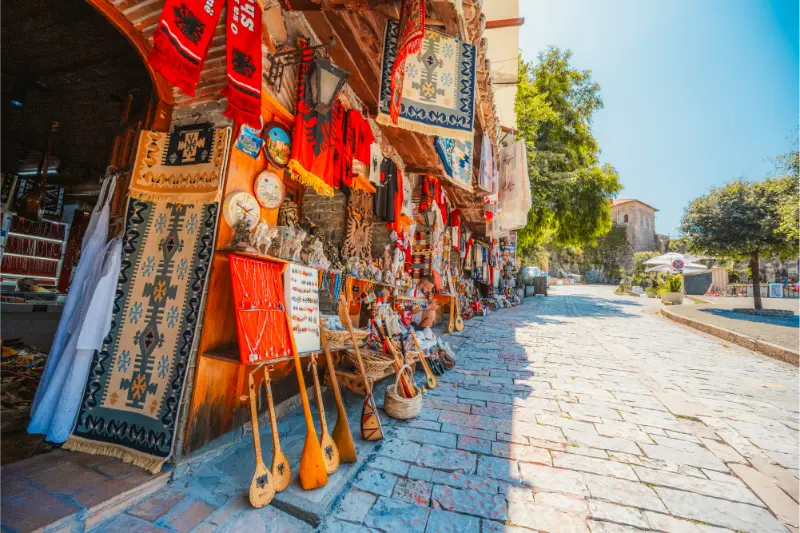
Two days in Theth is long enough to see the essential sights without turning the visit into a race. The key is to make the second day feel different from the first: one day for the destination itself, one day for the landscape, beach, village or regional experience that explains why staying overnight is worthwhile.
This itinerary is designed for a first visit. It assumes you want a realistic pace, time for meals and an evening in the destination—not a schedule that treats every viewpoint, museum and beach as a box to tick.
2-day itinerary at a glance
| Day | Main focus | Why it works |
|---|---|---|
| Day 1 | Core destination | See the essential sights while your energy is highest |
| Day 2 | Regional / slower experience | Add nature, coast, villages or an excursion instead of repeating day one |
Day 1: the essential experience
Use the first day to understand the valley rather than immediately chasing the longest hike. Walk through the village, see the church and traditional architecture, then continue toward Grunas Waterfall and the canyon according to conditions. Return with enough time to enjoy the guesthouse dinner and the quiet evening, which is part of the Theth experience rather than dead time between hikes.

How to pace day one
Start with the stop that is most exposed, steep or important, then make lunch a real break. I keep the late afternoon deliberately looser because that is when delays, heat or an unexpectedly interesting place usually change the plan. If you are enjoying one neighborhood, beach or museum, remove the weakest later stop rather than rushing the experience in front of you.
Day 2: go beyond the first-day checklist
Choose the Blue Eye if trail conditions, weather and your fitness make it appropriate. The route can be approached in different ways depending on transport and current access, so confirm the practical start with your guesthouse. Travelers who want a gentler second day can stay in the valley, visit additional viewpoints or arrange a shorter local walk instead of forcing a major hike.
The second day is also your weather buffer. If rain, wind or heat makes the planned excursion unattractive, swap the order, use indoor/cultural stops earlier or keep the day local. Two nights create enough flexibility that you do not need to force an outdoor activity in poor conditions.
Do you need a car?
A car is not necessary once you are in the valley, and it can complicate a one-way hiking itinerary. Shared shuttle transport from Shkodër is often the cleaner option for a short Theth stay.
If you rent a car, check parking before arrival and leave it parked while exploring compact historic centers. If you travel without a car, use taxis or one organized excursion strategically; paying for one well-chosen transfer can be more efficient than renting a vehicle for two days.
Where to stay for two nights
For a short stay, location matters more than room size. Read the local Where to Stay guide before booking, then compare current accommodation in Theth on Booking.com. I prefer accommodation that reduces the hardest daily transfer—an old-town climb, a beach road, or a long walk to the bus stop.

Arriving on day zero or the first morning
If possible, arrive the evening before the itinerary begins. That gives you two complete days and lets you enjoy dinner and an orientation walk without sacrificing the first major attraction. If you arrive on the first morning, protect only the main day-one anchor and accept that the schedule may start later than planned.
A slower version for families
Families should treat the valley, waterfall and village as sufficient experiences. The Blue Eye is optional and should depend on age, heat, trail conditions and how much walking the children already enjoy.
With children I reduce the number of formal attractions, protect a long lunch and keep one open block each afternoon. A beach, river, park, thermal area or guesthouse garden counts as a real activity; it does not need to be filled with another ticketed sight.
If you are traveling without a car
Base yourself within walking distance of the evening area, because that removes the need to solve transport twice every day. For the regional second day, ask your accommodation about current buses, taxis, shared transfers or tours. Avoid building an itinerary around an old timetable screenshot: local transport and seasonal services can change.
Best time for this 2-day itinerary
Late spring and early autumn are the easiest all-round periods for most Albanian destinations because walking and road travel are more comfortable. Coastal destinations are at their most active in summer, while mountain itineraries depend on current trail and road conditions rather than a fixed calendar date. In winter, shorten daylight-dependent excursions and give more time to food and culture.
How much should you book in advance?
In July and August on the Riviera and during the main Alps hiking season, reserve the accommodation that solves your location or transport problem before arrival. Outside peak periods I keep the second-day activity flexible unless it depends on a boat, guide or fixed transfer. That balance protects you from both sold-out essentials and unnecessary overplanning.
What to pack for 48 hours
- Comfortable walking shoes appropriate to cobbles, hills or trails.
- A compact rain layer and one warmer layer outside peak summer.
- Sun protection and water for exposed castle, beach or mountain days.
- Some Albanian lek for small purchases, parking, cafés or local transport.
- Offline maps and screenshots of the accommodation and transport pickup points.
- Swimwear only when the itinerary genuinely includes water; do not carry beach equipment through a museum day.
Common mistakes
- Treating two days as two one-day itineraries stacked together.
- Changing hotels after only one night and losing the benefit of a two-day base.
- Using the car for every short movement inside a compact historic center.
- Scheduling the hardest outdoor activity after lunch in midsummer.
- Assuming a seasonal boat, shuttle or high trail operates every day of the year.
- Adding a distant famous attraction that turns the second day into mostly driving.
How this compares with 1 day and 3 days
With only one day, stay local and remove the regional excursion. The value of the second day is precisely that it lets you add landscape or a slower experience without damaging the core visit.
If you can stay longer, the 3-day itinerary adds another regional layer and makes the pace even easier.
Useful planning guides
Frequently asked questions
Are 2 days enough for Theth?
Yes for a first visit when you keep day one focused on the destination and use day two for one coherent regional experience.
Do I need to change hotels?
No. Keep the same base for both nights unless day two is intentionally a one-way transfer to your next destination.
Should I rent a car?
A car is not necessary once you are in the valley, and it can complicate a one-way hiking itinerary. Shared shuttle transport from Shkodër is often the cleaner option for a short Theth stay.
What if it rains?
Swap the day order, move museums and long meals into the wettest hours and keep exposed mountain, canyon, boat or beach activities flexible.
Is this itinerary suitable for families?
Families should treat the valley, waterfall and village as sufficient experiences. The Blue Eye is optional and should depend on age, heat, trail conditions and how much walking the children already enjoy.
Final advice
The best two-day trip feels like one complete stay, not a sprint between two lists. Use the first day to understand the destination, sleep there, then let the second day broaden the story. That rhythm gives you the atmosphere that day-trippers miss while still keeping the itinerary efficient.
A practical 48-hour rhythm
I think of the visit as four half-days rather than forty-eight hours to fill. The first half-day establishes the place, the second is the best evening atmosphere, the third holds the major excursion and the fourth stays flexible for the stop you missed, a slower meal or an early departure. This structure absorbs travel delays without making the trip feel incomplete.
If you are continuing elsewhere on the second evening, move the most important day-two activity into the morning and leave before dark when the road is unfamiliar. An itinerary is successful when you leave with energy and a clear memory of the place, not when you reach the numerical maximum of attractions.
How to use the two evenings
The two evenings are one of the main reasons to stay forty-eight hours. On the first evening I keep things local: a promenade, old-town walk, lakefront, guesthouse dinner or one viewpoint close to the accommodation. On the second evening I leave room for the place I liked most, a longer dinner or an early night before the next transfer. I do not book both evenings with fixed activities because weather, fatigue and transport delays are exactly what a two-night stay is supposed to absorb.
Connecting this stop to your next destination
Before the trip I decide whether day two ends back at the same hotel or becomes a one-way movement toward the next destination. If the onward route is short and simple, checking out in the morning and carrying luggage in the car can work. If the route involves buses, mountain shuttles, ferries or a long coastal drive, I keep the second night and leave the following morning. That choice protects the itinerary from turning its best afternoon into a race against the last connection.
Food and meal timing
I build both days around one proper meal rather than constant snack stops. In historic towns, lunch is a useful break from steep lanes and midday heat; on the coast, a later lunch can bridge the hottest beach hours; in the mountains, guesthouse dinner may be the social center of the stay. Food should support the rhythm of the itinerary, not become another list of places to cross the city for.
Shorter option: See the one-day version if you have only a single full day in the destination.