Tag: First Trip

Articles and practical travel tips about First Trip in Albania.

  • Tirana to Përmet: Bus, Car, Transfer and the Vjosa Valley Route

    Tirana to Përmet: Bus, Car, Transfer and the Vjosa Valley Route

    Përmet is one of my favorite places to slow the pace of an Albania itinerary, but getting there from Tirana is a longer transfer than the map first suggests. The road gradually changes from central-Albania traffic to the Vjosa corridor and then the narrower approach through Këlcyrë. I treat Tirana–Përmet as a half-day journey and resist the temptation to add too many sights before check-in.

    Direct or through intercity buses connect Tirana with Përmet, although departure times and operators should be rechecked close to travel. A realistic public-transport day is around four and a half to five and a half hours once terminal time is included. Driving gives you more freedom for Tepelenë, the Vjosa and Këlcyrë Gorge, but the advantage disappears if you try to turn every viewpoint into a stop.

    Quick answer: which option should you choose?

    • Bus/public transport: best for solo travelers and couples who travel light and can match the current timetable.
    • Rental car: best when the vehicle is useful after arrival, not only for this one transfer.
    • Private transfer: best for groups, families, awkward flight times, heavy luggage or hotels away from the main stop.
    • Taxi for the final leg: often worth it when the intercity ticket is cheap but the hotel is uphill, outside town or on a beach road.

    I compare the whole door-to-door journey, not just the cheapest ticket. In Albania, the first and last few kilometers can matter more than the long intercity leg because terminals are not always in historic centers and coastal or mountain accommodation can be spread out.

    By bus or public transport

    For the bus, verify the Tirana terminal and the final destination on the vehicle rather than relying on an old screenshot. Long-distance services may continue beyond intermediate towns, so ask specifically for Përmet. I arrive with small-denomination lek, keep passports and electronics in my day bag, and place only the large suitcase in the luggage compartment. If your accommodation is outside central Përmet, arrange the final taxi before the bus reaches town.
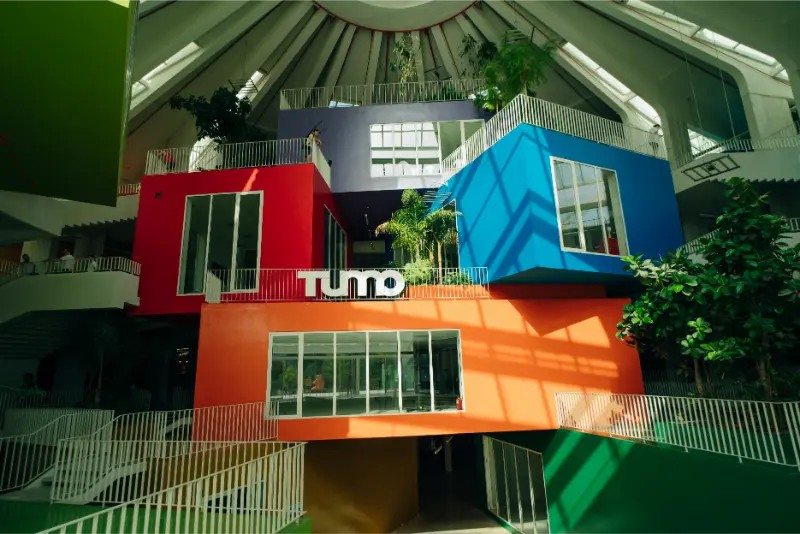
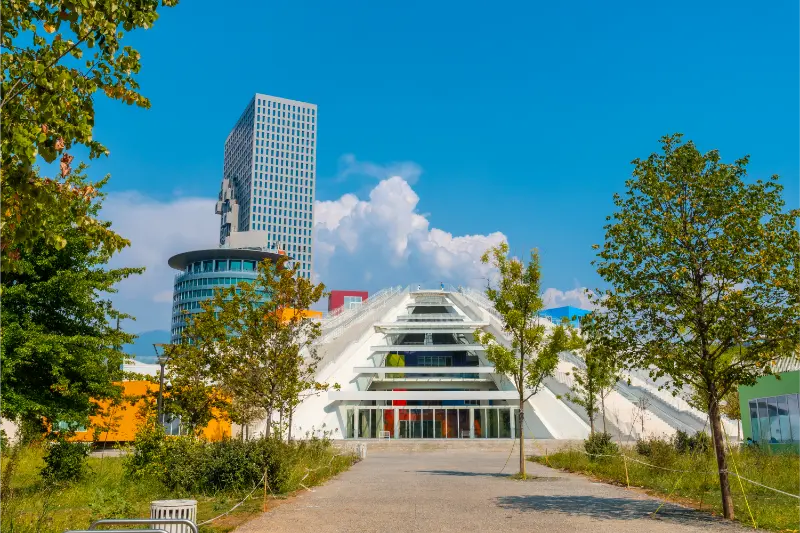
    Tirana Pyramid Center Skanderbeg Square Tirana Albania

    For current departures I use check current long-distance bus options shortly before travel. Timetables in Albania are improving online, but seasonal frequency, terminal changes and operator schedules can still move. I save the current result on my phone, then confirm the departure point locally if the journey is important.

    By rental car

    By car, the most logical route runs south toward Fier/Tepelenë, then follows the Vjosa corridor through Këlcyrë toward Përmet. Main-road conditions are generally straightforward, but the final part feels slower because the valley narrows and the road bends. Fuel before the more rural section rather than waiting for the tank to become urgent. The drive is especially rewarding in daylight because the landscape becomes part of the trip.

    Before leaving, I photograph the car, fuel gauge, wheels and existing damage. I also save offline maps and the accommodation parking instructions. If the rental is only for this one transfer and will sit unused for several days, I compare the full rental cost—including parking and one-way fees—with a private transfer before booking.

    By taxi or private transfer

    A pre-booked transfer removes the terminal problem and is the most predictable choice when timing matters. I ask for the total price in writing, exact pickup point, luggage allowance, child-seat availability when relevant, waiting policy and whether the driver will take me to the hotel door or only to the nearest vehicle-access point.

    For groups, calculate the price per person rather than reacting to the vehicle total. Four bus tickets, two local taxis and the time spent making connections can narrow the gap considerably. For solo travelers, public transport usually wins on value unless the journey starts or ends at a difficult hour.

    What the road is actually like

    Albanian route planning works better when you separate distance from travel time. Modern highways can be quick, but city approaches, coastal curves, mountain sections and construction create variability. I add at least 20–30% to the minimum map time when I have a fixed check-in, ferry, tour or flight connection.

    Daylight is valuable on unfamiliar routes. It makes road signs, hotel entrances and parking easier to read, and it turns the landscape into part of the experience. I avoid scheduling a first drive in Albania immediately after a long flight if the route continues for several hours.

    Arriving in Përmet: plan the last kilometer

    Central Përmet is compact and easy to walk, which makes a bus arrival simple if your guesthouse is in town. The main planning mistake is booking a rural property, a Benja-area stay or a mountain guesthouse and assuming ‘Përmet’ means you can walk from the bus. Check the map: Bënjë Thermal Baths and Langarica Canyon are outside the center and need a car, taxi, tour or arranged pickup.

    Before travel I open the property location, read where to stay in Përmet, and ask the host one simple question: “What is the easiest way to reach you with luggage?” That answer often changes whether I choose bus, car or transfer.

    Worthwhile stops if you are driving

    Tepelenë is the easiest substantial stop if you drive, while Këlcyrë and the gorge are natural breaks closer to Përmet. I normally choose one. A Blue Eye or Gjirokastër detour belongs on a different routing day; adding them to Tirana–Përmet makes the journey unnecessarily complicated.

    My rule is simple: one meaningful stop is better than four rushed ones. A transfer day becomes tiring when every attraction is treated as compulsory. If a stop needs two hours to be worthwhile, either give it those two hours or save it for another day.

    If you arrive late

    I avoid arriving very late because rural guesthouses may have limited reception and the best part of the road is worth seeing in daylight. After a late arrival in Albania, sleep in Tirana and take an early bus or drive south the next morning. That is safer and usually produces a better first impression of the Vjosa Valley.

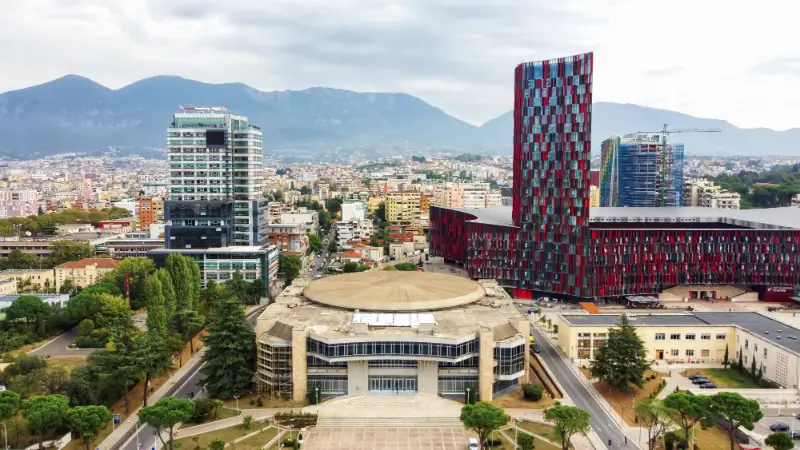
    Aerial Drone View Tirana Albania 3

    I also tell the accommodation my realistic arrival window. Small guesthouses may not have a 24-hour desk, and a phone message before departure is easier than trying to find a host after midnight with weak battery and no local cash.

    Traveling with luggage

    • Keep passports, money, medication and electronics in a small bag that stays with you.
    • Use a suitcase that you can lift yourself; bus luggage compartments and guesthouse stairs are common.
    • Ask whether the final hotel street is accessible by car or taxi before choosing a large hard-shell case.
    • Carry some Albanian lek for local taxis, bus fares, water and small stops.
    • Do not leave visible luggage in a parked rental car while sightseeing.

    Traveling with children or as a group

    With children, the bus is workable if everyone handles a longer seated journey well. A car or private transfer is more flexible for toilet and meal stops, and it becomes especially useful if Bënjë, villages or trailheads are part of the stay. For older travelers, door-to-door transport can also remove the awkward final transfer with luggage.

    Can you do it as a day trip?

    Përmet is not a sensible day trip from Tirana. The reason to come is the combination of town life, Vjosa scenery, food, Bënjë and the surrounding countryside. Stay at least one night; two nights are far more useful if you want both thermal baths and a relaxed town evening.

    Season, traffic and weather

    Spring is excellent for the green Vjosa landscape, while summer brings heat and rafting/activity demand. Autumn is comfortable for road travel and food-focused stays. In winter, daylight is shorter and mountain side trips need more caution, even when the main road remains usable.

    I re-check transport two times: once when I build the itinerary and again 24–48 hours before travel. The second check matters more. A route that was perfect on paper three months earlier may have a different departure, road situation or seasonal frequency by the time you arrive.

    Where to stay after arrival

    Compare current accommodation in Përmet on Booking.com. I choose the area with transport in mind: a slightly more expensive central room can be cheaper overall if it removes two taxi rides and difficult luggage handling.

    Tours and activities after the transfer

    I keep the transfer day light and use tours on a separate day when possible. That protects prepaid activities from transport delays and makes it easier to enjoy the destination rather than watching the clock.

    A route-specific detail that matters

    A transfer to Përmet is one of the routes where having a car adds value after arrival, not just during the journey. If you plan Bënjë, Langarica, Frashër or mountain villages, keeping the rental can be worthwhile; if you only want central Përmet and an organized excursion, the bus can be enough.

    A simple decision checklist

    • What time can I realistically leave, not just land or check out?
    • Is there a direct service on my exact date?
    • Where does the bus actually arrive?
    • How far is the accommodation from that stop?
    • Will I need a car after arrival?
    • Is the journey still sensible if traffic adds one hour?
    • Do I have a backup if the last connection is missed?

    If the answers point in different directions, I choose the option with the fewest fragile connections. Albanian transport can be excellent value, but a cheap itinerary is not a good itinerary when it depends on three separate vehicles arriving perfectly on time.

    Related planning guides

    For the wider transport picture, use Albania by bus and getting around Albania. If you plan to drive, read renting a car in Albania before collecting the vehicle.

    Frequently asked questions

    What is the easiest way to travel to Përmet?

    For one or two budget travelers, a direct bus or the simplest public-transport connection is usually best. For a family or group with luggage, a private transfer can be easier. A rental car is best when it will remain useful for sightseeing after arrival.

    Should I book transport in advance?

    For peak summer, airport arrivals, mountain routes and any journey tied to a flight or ferry, yes. On frequent city routes, confirming shortly before travel may be enough. I still avoid relying on a last service without a backup.

    Can I pay by card?

    Do not assume it. Online tickets may accept cards, while local buses, taxis and small stops often work more smoothly with cash in lek. Carrying small notes prevents unnecessary problems.

    How much time should I add to Google Maps?

    For a normal transfer, I add at least 20–30% to the fastest driving estimate. In July and August, around Tirana, Vlorë, Sarandë or beach roads, I allow more. For a flight, ferry or fixed tour, build a much larger safety margin.

    Aerial Drone View Tirana Albania 4

    Is a private transfer worth it?

    It is worth comparing whenever there are three or more travelers, a late arrival, several suitcases, children, limited mobility or a hotel far from the bus stop. For a solo traveler in daylight, the bus often offers far better value.

    My practical recommendation

    Choose the transport that keeps the day simple enough that you still enjoy the destination when you arrive. I use buses when the route is direct and the timetable fits naturally, private transfers when a bad connection would damage the trip, and rental cars when they unlock several days of useful exploration. The best option is not automatically the fastest or cheapest one; it is the one with the fewest unnecessary complications for your specific itinerary.

  • Best Viewpoints and Photo Spots in Sarandë and Ksamil: Ionian Sunsets and Island Views

    Best Viewpoints and Photo Spots in Sarandë and Ksamil: Ionian Sunsets and Island Views

    Sarandë and Ksamil are visually strongest when photographed as a combination of height and water. Hilltop viewpoints show the shape of Sarandë Bay and Corfu beyond, while Ksamil works at sea level with islands, shallow turquoise water and boats. Midday can be attractive for water color, but the coast becomes much more dimensional at the edges of the day.

    Ksamil Sandy Beach And Island Albania

    This guide focuses on places that are useful for both photographers and ordinary travelers who simply want a memorable view. Opening conditions, access rules and weather can change, so ticketed monuments and mountain routes should always be checked locally before you build the whole day around one frame.

    Quick comparison

    LocationBest lightAccess
    Lëkurësi CastleLate afternoon through sunsetTaxi or car; uphill from Sarandë
    Monastery of the 40 SaintsLate afternoonTaxi/car or strenuous uphill walk
    Sarandë promenadeSunset and blue hourWalkable
    Ksamil IslandsMorning for calm water; midday for colorBoat, canoe, kayak or shoreline views
    Pema e ThatëMorning or late afternoonCar/taxi from Ksamil/Sarandë
    Mirror Beach / PasqyraMorningCar/taxi; final access varies
    ButrintMorning or late afternoonBus, taxi or car
    St George Monastery and Dema HillLate afternoonCar/taxi
    Blue Eye / Syri i KaltërMorning, preferably outside peak hoursCar/taxi/tour
    Sarandë from the waterLate afternoonBoat excursion

    The best photo spots, one by one

    Lëkurësi Castle

    Best light: Late afternoon through sunset. Access: Taxi or car; uphill from Sarandë. Lëkurësi is the classic panorama over Sarandë Bay and the Ionian Sea. The Lëkurësi Castle guide gives access context. Arrive before sunset, not at the exact sunset minute, so you can compare angles and avoid building every frame around the restaurant terrace. A longer lens can isolate Corfu, boats and the curve of the city.

    Monastery of the 40 Saints

    Best light: Late afternoon. Access: Taxi/car or strenuous uphill walk. The ruined monastery sits above the city and provides a different hilltop angle from Lëkurësi. Use the 40 Saints guide. The site is strongest when ruins remain in the foreground, giving historical context to the sea view rather than producing another generic coastal panorama.

    Sarandë promenade

    Best light: Sunset and blue hour. Access: Walkable. The Sarandë Promenade is ideal for people, palms, boats and the city lights reflecting on the bay. Sunset gives silhouettes; blue hour gives a better balance between sky and promenade lighting. Walk toward both ends of the waterfront because the skyline changes shape quickly.

    Ksamil Islands

    Best light: Morning for calm water; midday for color. Access: Boat, canoe, kayak or shoreline views. The islands are the signature Ksamil composition. The Ksamil Islands guide explains access. Morning often offers calmer water and cleaner beach scenes, while stronger midday sun can intensify turquoise tones. Protect highlights on white boats and bright water rather than overexposing for the shadows.

    Island Beach Relaxation Ksamil Albania

    Pema e Thatë

    Best light: Morning or late afternoon. Access: Car/taxi from Ksamil/Sarandë. Pema e Thatë gives layered views toward small islands and the channel. Read the Pema e Thatë guide. It is more useful for a deliberate half-day than for a quick stop on a crowded beach-hopping circuit; secure parking and then work one area slowly.

    Mirror Beach / Pasqyra

    Best light: Morning. Access: Car/taxi; final access varies. Mirror Beach is a compact cove where water texture, rock edges and high viewpoints above the beach can create stronger images than simple shoreline shots. Use Mirror Beach guide and follow current access/parking arrangements. Do not climb unstable rocks for a “cleaner” overhead frame.

    Butrint

    Best light: Morning or late afternoon. Access: Bus, taxi or car. Butrint is photography-rich because ruins, lagoon, trees and water appear in the same site. The Butrint guide covers the visit. Overcast light can be excellent in the shaded archaeological areas, while early/late light improves wider lagoon views. Respect any restrictions around monuments and excavation areas.

    St George Monastery and Dema Hill

    Best light: Late afternoon. Access: Car/taxi. The St George Monastery guide adds a quieter high-level view over the Ionian coast. It is useful when Lëkurësi is crowded and you want a more contemplative landscape. Combine architecture and coastline rather than photographing only the horizon.

    Blue Eye / Syri i Kaltër

    Best light: Morning, preferably outside peak hours. Access: Car/taxi/tour. The Blue Eye guide is about color, moving water and forest rather than a panoramic viewpoint. Polarizing filters can help manage reflections, but do not remove every reflection—the surface texture is part of what makes the spring look real. Follow current visitor rules and stay on designated paths/platforms.

    Sarandë from the water

    Best light: Late afternoon. Access: Boat excursion. A short boat trip changes the perspective by turning the whole city into a stepped amphitheater rising from the bay. It is especially useful when the water is calm and the sun is low enough to shape the buildings. Keep gear minimal and protected from spray; changing lenses on a moving boat is rarely worth the risk.

    Sunrise, sunset or blue hour?

    Sunrise is usually best for quieter streets, calm water and cleaner architectural compositions. Sunset is better for west-facing coastlines, social atmosphere and warm side light on hills. Blue hour is often the most reliable urban period because the sky still holds color while street and building lights have switched on. Do not abandon a location immediately after the sun disappears; some of the strongest travel photographs happen in the following 20–30 minutes.

    What to photograph in bad weather

    Overcast light is not a failed photography day. It is often better for stone streets, markets, forest, interiors and archaeological details because contrast is lower. After rain, wet paving can add reflections, while broken cloud can make mountains and lake views more dramatic. The only situations that should automatically change the plan are unsafe storms, exposed ridges, slippery steep paths or sea conditions that make boat travel unsuitable.

    Phone photography tips

    • Clean the lens before every important viewpoint; pocket lenses collect fingerprints quickly.
    • Use the 1× lens for the cleanest quality and switch to ultra-wide only when the scene genuinely needs it.
    • Tap and reduce exposure slightly for sunsets so the sky keeps color.
    • Use a railing, wall or stable surface for blue-hour shots instead of digital zoom.
    • Shoot a short sequence when people, boats or bicycles are moving through the frame, then choose the strongest moment later.

    Camera and lens strategy

    A two-lens travel kit is enough for nearly every location in this guide: a moderate wide-angle zoom for streets and landscapes, plus a short telephoto for compressed roofs, mountains, boats and architectural details. Carrying more equipment can slow you down on cobbles, stairs and beaches. A tripod is useful for deliberate blue-hour work but should never block narrow paths, castle passages or promenades.

    Photography etiquette

    Historic cities are lived-in places, not film sets. Ask before making close portraits, respect worship, avoid pointing cameras into private courtyards and follow museum or church photography rules. At beaches and swimming areas, be especially careful with identifiable strangers and children. In archaeological and natural areas, remain on marked paths and behind barriers even when stepping over one would improve the angle.

    Drone photography

    Do not assume a scenic viewpoint is automatically legal for drone flying. Rules can involve aviation restrictions, airports, protected areas, archaeological sites, crowds and local permissions. Check current Albanian aviation and site-specific rules before the trip, and never launch from a castle, beach crowd or protected landscape merely because other visitors have posted drone images online.

    Ksamil Turquoise Beach And Island Albania

    Where to stay for early and late light

    Compare accommodation in Sarande on Booking.com. For photographers, location often matters more than a small room-price difference: walking to a sunrise waterfront or old-town blue-hour session is much easier than arranging a taxi every time the light changes.

    Use the local Where to Stay guide to compare areas before booking.

    Related planning guides

    A simple one-day photography plan

    Start with one quiet street, waterfront or architectural location shortly after sunrise. Use the middle of the day for museums, interiors, food, scouting and travel to the next area. Reserve the final two hours of daylight for the strongest elevated or coastal viewpoint, then stay through blue hour if returning safely is straightforward. This rhythm produces more varied images than spending the whole day chasing viewpoints in harsh midday light.

    Common mistakes

    • Trying to photograph every viewpoint in one day.
    • Arriving at a sunset spot only a few minutes before the sun disappears.
    • Using only ultra-wide compositions and losing the sense of scale.
    • Ignoring foregrounds such as walls, boats, people or trees.
    • Standing in roads, unstable ruins or restricted areas for a cleaner angle.
    • Carrying too much gear on steep old-town or mountain routes.
    • Treating midday as useless instead of using it for details, interiors and scouting.

    Frequently asked questions

    Do I need a professional camera?

    No. Most locations work extremely well with a recent phone. Light, position and timing matter more than sensor size for travel photography.

    Do I need a tripod?

    Not for most daytime work. A compact tripod can help at blue hour, but stabilization and a steady surface are often enough. Follow local rules in monuments and do not obstruct paths.

    What is the best season for photography?

    Spring and autumn usually offer softer light, greener or warmer landscapes and easier walking. Summer gives long days and active coastal scenes but harsher midday contrast. Winter can be excellent for clear air, snow or quiet streets depending on the destination.

    Can I photograph churches and mosques?

    Exterior photography is generally straightforward from public space, but interiors and services may have their own rules. Ask when uncertain, dress respectfully and do not use flash or photograph worshippers intrusively.

    Should I plan around sunset every day?

    No. One strong sunrise, one blue-hour city walk and one sunset panorama usually create a more varied set of images than repeating the same west-facing composition every evening.

    Final advice

    The strongest travel photographs explain the destination rather than simply proving you reached a viewpoint. Use architecture, local life, landscape and changing light together. Pick fewer locations, stay longer, and let the scene develop instead of moving on as soon as you have one wide-angle image.

  • Tirana Airport to Berat: Bus via Tirana Terminal, Taxi, Transfer and Rental Car

    Tirana Airport to Berat: Bus via Tirana Terminal, Taxi, Transfer and Rental Car

    Getting from Tirana International Airport (TIA) to Berat is easiest when you choose the transport based on your arrival time, luggage and what happens after check-in. As a rough road reference, allow roughly 1 hour 30 minutes to 2 hours from the airport by car in normal conditions, but treat that as planning time rather than a guaranteed transfer.

    The most important distinction is whether the airport currently lists a direct bus for your destination. TIA publishes direct airport services only for selected cities, while other routes require a change through Tirana’s intercity network. I would always check the current airport transport page again shortly before the flight.

    Quick comparison

    OptionBest forMain trade-off
    Airport/intercity busSolo travelers and lower budgetsCheapest, but schedules and final hotel transfer matter
    Official taxi / private transferLate arrivals, families and luggageSimplest door-to-door option, higher cost
    Rental carRoad trips and multi-stop itinerariesMaximum flexibility, plus parking/driving responsibility
    Overnight near Tirana/airportVery late flights before a long onward routeAdds a hotel night but avoids unsafe or stressful late travel

    What the airport officially provides

    Tirana International Airport publishes its current public-transport information on the Tirana International Airport bus page. For intercity timetables beyond the airport-specific services, use e-Transport Albania. TIA also publishes official Tirana Airport taxi information and a list of official Tirana Airport car-rental list.

    The official taxi information says branded airport taxis operate 24 hours a day and can provide transfers to cities throughout Albania. That makes taxi/private transfer the fallback when a flight lands after the last useful bus or when a connection would otherwise require several vehicles.

    By public transport

    The official TIA bus page does not currently list a direct airport–Berat bus. The most structured public-transport option is to use the airport’s daytime connection to Tirana’s North–South intercity terminal and then take a direct Tirana–Berat bus. Check both legs before travel on the airport page and e-Transport; a flight delay can break a tight self-made connection.

    For any bus journey, I save the departure point as a map pin and screenshot the current timetable. If the journey requires two separate services, I treat them as two independent tickets: a delay on the first leg does not guarantee the second vehicle will wait.

    By official taxi or private transfer

    A door-to-door transfer becomes more attractive here because it removes the terminal change and delivers you to Berat in one movement. For two or more travelers, compare the total transfer price with airport bus plus local taxis rather than assuming public transport always wins by a large margin.

    Before accepting or booking a long transfer, confirm the total price, exact hotel/village, luggage allowance and whether the service is private or shared. For a flight pickup, provide the flight number so the operator can see a delay. Use licensed services rather than accepting an unsolicited ride from someone approaching you in arrivals.

    By rental car

    Berat is an excellent first stop for a rental-car itinerary because you avoid central Tirana entirely. Collect the car at arrivals, drive south and park once in Berat. The old town is not a place where you want to keep moving the vehicle between Mangalem, Gorica and the castle.

    Illuminated Skanderbeg Square Tirana Albania Night

    At the rental desk, photograph the car, fuel level, wheels and existing damage before departure. Save the destination’s hotel-parking instructions offline and avoid putting the old-town reception address into navigation if the property has a separate vehicle entrance.

    Arriving at the destination

    Berat’s intercity terminal is outside the UNESCO core. If you arrive by bus, use the local city bus or a taxi toward Mangalem/Gorica. If you have an old-town guesthouse, ask whether the final luggage route involves steep lanes.

    I always compare the transport stop with the accommodation before buying the ticket. A route can look very cheap until you discover that the final hotel requires another long taxi ride, while a slightly more expensive transfer may deliver everyone and their luggage directly to reception.

    What if your flight lands late?

    A late flight is the weak point of the bus option. Intercity Berat services are daytime/evening transport, not a 24-hour airport connection. After a late arrival, use a transfer or sleep near Tirana/airport and travel the next morning.

    Interior Orthodox Cathedral Resurrection Christ Skanderbeg Square Tirana Albania

    Flight arrival time is not the same as terminal-exit time. Passport control, baggage reclaim, SIM cards, ATM use and rental paperwork can easily add time after landing. Never book the last realistic connection of the day with only a few minutes of margin.

    If you are traveling with children

    Families should compare the entire chain, not only ticket price. A direct transfer can become good value when it removes a terminal change, multiple suitcases and a tired child from the equation. If renting a car, request the correct child seat in advance and check the installation before leaving TIA.

    If you have large luggage

    Keep passports, medication, electronics and money in a smaller bag that stays with you. On buses and shuttles, large suitcases may go in the luggage compartment. On arrival in a historic town, a taxi can be worth paying for even when the hotel looks close on a map.

    Where to stay after arrival

    Compare current accommodation in Berat on Booking.com. For a first night after flying, I prioritize simple access over a room that looks marginally prettier but requires a difficult final transfer.

    See the local Where to Stay guide for the most practical base.

    Driving and parking after the airport

    If you collect a rental car, read the destination driving and parking guide before arrival. The best airport road trip is one where the car becomes useful between destinations and then stays parked while you explore compact centers on foot.

    Special route advice

    If your flight arrives early enough, going directly to Berat can save a hotel change in Tirana and creates a clean north-to-south itinerary. If you want Tirana as well, visit the capital first and use the separate Tirana–Berat route afterward.

    Returning to Tirana Airport

    For the airport-bound trip, you can reverse the terminal connection, but do not make the same-day chain too tight before an international flight. A direct transfer is often worth considering for early departures.

    For an international flight I would rather reach TIA early than discover that summer traffic, a missed bus or a wrong terminal has consumed the buffer. Re-check the airport’s current passenger guidance and your airline’s check-in requirement the day before departure.

    Common mistakes

    • Assuming every major Albanian city has a direct airport bus.
    • Using an old timetable screenshot instead of checking TIA/e-Transport again.
    • Booking the final intercity departure with almost no buffer after landing.
    • Confusing the city name with a distant beach strip, village or lower town.
    • Renting a car for a city stay where it will remain parked for several days.
    • Driving a long unfamiliar route late at night immediately after a flight.
    • Ignoring the final taxi from the intercity stop to the accommodation.
    • Planning the return to the airport using the minimum Google Maps driving time.

    Useful related guides

    If you are starting from Tirana city rather than the airport, use the dedicated point-to-point route guide.

    Frequently asked questions

    Is there a direct bus from Tirana Airport to Berat?

    TIA does not currently list a direct airport–Berat bus.

    How do I travel by public transport?

    Use the airport connection to Tirana’s North–South intercity terminal, then take a direct bus to Berat.

    Monument Skanderbeg Scanderbeg Square Center Tirana Albania

    Is a private transfer worth it?

    It can be, especially for couples/families, luggage or late arrivals.

    Should I rent a car?

    Yes if Berat starts a wider road trip; otherwise bus plus taxi works well.

    Can I go to Berat after a late-night flight?

    A direct transfer is the practical option. Otherwise stay near Tirana and travel the next morning.

    Final recommendation

    Choose the option that keeps the arrival day simple. Public transport is excellent value when the direct service or terminal connection fits naturally; a private transfer earns its cost when it removes a bad late-night connection; and a rental car makes sense when the vehicle immediately becomes part of a wider Albania itinerary. The cheapest first ticket is not always the cheapest or easiest complete journey to the hotel.

    How I would decide in 60 seconds after booking the flight

    First I check the landing time against the current TIA bus page. Second, I look at the hotel’s exact map position. Third, I decide whether I need a car after arrival. Those three facts usually make the answer obvious. If the direct bus exists and lands near the hotel, I use it. If the trip requires a complicated late connection, I book a transfer or sleep near Tirana. If the destination is the first stage of a road trip, I compare airport car rental with the cost and inconvenience of collecting a vehicle later.

    I then revisit the plan a day or two before departure. Transport schedules change, flights move and seasonal traffic can alter the sensible choice. That final check is more valuable than memorizing an exact bus time months in advance.

  • Ksamil vs Himarë: Which Destination Should You Choose in Albania?

    Ksamil vs Himarë: Which Destination Should You Choose in Albania?

    If you are deciding between Ksamil and Himarë, the useful question is not which destination is universally better. It is which one fits the trip you are actually building. Ksamil is a compact seasonal beach resort known for small turquoise bays, offshore islands and immediate proximity to Butrint; Himarë is a smaller Riviera town that balances walkable beaches with Old Himara, Livadhi, Porto Palermo and access to nearby coves. Those differences affect how many nights you need, how much you walk, whether a car helps and what the evenings feel like.

    Aerial View Of Ksamil Town And Bay Albania

    Choose Ksamil if your priorities match travelers prioritizing swimming, small bays, island views and a classic summer-resort feel. Choose Himarë if you care more about travelers who want a calmer Riviera base with beaches, local life and day-trip variety. If both fit your route, the two destinations complement each other better than they compete.

    Ksamil vs Himarë at a glance

    QuestionKsamilHimarë
    Overall feelbeach-first and highly seasonalrelaxed coastal with enough variety for several days
    Best fortravelers prioritizing swimming, small bays, island views and a classic summer-resort feeltravelers who want a calmer Riviera base with beaches, local life and day-trip variety
    Typical stay2–4 nights3–4 nights
    Walking / terraincompact and relatively easy, though summer traffic makes road movement sloweasy in the modern beachfront area, hillier for Old Himara and some surrounding beaches
    Car?A car is not necessary if you stay centrally, and in peak summer parking can reduce rather than improve convenience.You can enjoy the town without a car, but a car or taxi expands access to Porto Palermo, Qeparo, Borsh and remote coves.

    Atmosphere and travel style

    Ksamil feels beach-first and highly seasonal. It is strongest for travelers prioritizing swimming, small bays, island views and a classic summer-resort feel. I would be less enthusiastic about it for people who need year-round city services, broad cultural variety or quiet peak-season roads. That is important because many Albania itineraries become tiring when every stop is chosen only because it is famous rather than because it offers a different rhythm.

    Himarë feels relaxed coastal with enough variety for several days. It is strongest for travelers who want a calmer Riviera base with beaches, local life and day-trip variety. It is less naturally suited to people seeking the biggest nightlife scene or a polished resort experience. If you have already spent several days in a destination with a similar rhythm, Himarë may be useful precisely because it changes the pace.

    Culture and sightseeing

    For culture, Ksamil gives you limited urban heritage; its cultural advantage is proximity to Butrint rather than the resort itself. This creates a sightseeing day that can be built around several distinct stops rather than one headline monument.

    Himarë offers Old Himara, coastal village identity, churches and nearby Porto Palermo. The cultural experience is therefore different rather than simply larger or smaller. I would choose according to the kind of history you enjoy: museum-based city history, lived-in heritage, archaeology, village culture or landscape-based traditions.

    Nature, beaches and outdoor time

    The outdoor side of Ksamil is about small turquoise bays, offshore islands and a beach-first daily routine. That makes it a better fit when those activities are central to your itinerary rather than optional extras.

    Turquoise Waters at Ksamil Beach Albania

    Around Himarë, the main outdoor draw is multiple beaches, nearby coves, Old Himara views and easy access to Porto Palermo and the central Riviera. Think about what you will realistically do for half a day: swim, hike, cycle, take a boat, walk a lakefront or simply sit in an old town. The answer usually separates the two destinations more clearly than a list of attractions.

    Which is easier without a car?

    In Ksamil, A car is not necessary if you stay centrally, and in peak summer parking can reduce rather than improve convenience. The important distinction is between enjoying the destination itself and reaching its surrounding attractions. A place can be easy without a car in the center but much less flexible for day trips.

    In Himarë, You can enjoy the town without a car, but a car or taxi expands access to Porto Palermo, Qeparo, Borsh and remote coves. If you are traveling by bus, I would choose accommodation close to the practical arrival area and avoid adding a taxi every morning just to reach the first sight.

    Walking, hills and physical effort

    Ksamil: compact and relatively easy, though summer traffic makes road movement slow. This matters for summer heat, heavy luggage, small children and travelers with limited mobility. A short map distance can be deceptive when the route climbs or uses polished stone.

    Himarë: easy in the modern beachfront area, hillier for Old Himara and some surrounding beaches. If walking comfort is one of your main criteria, use it as a real decision factor rather than assuming every historic or coastal destination is equally easy on foot.

    Where to stay

    For Ksamil, use Where to Stay in Ksamil before booking. Compare accommodation in Ksamil on Booking.com.

    For Himarë, use Where to Stay in Himarë before booking. Compare accommodation in Himarë on Booking.com.

    The cheapest room is not automatically the best comparison. A central room that removes two taxi rides, a difficult hill climb or daily parking can be better value than a cheaper property in the wrong zone.

    Food and evening atmosphere

    I would use Ksamil for an evening that matches its beach-first and highly seasonal character. The practical advantage of staying centrally is that dinner can become part of the sightseeing day instead of another transport task.

    Himarë’s evenings reflect its relaxed coastal with enough variety for several days identity. In seasonal beach destinations, the difference between August and October can be dramatic; in larger cities, restaurants and cafés remain a more stable part of the experience year-round.

    Budget: which usually costs more?

    I would not choose between the two using one fixed daily-price figure. Accommodation changes with season, weekend demand and exact location, while transport choices can reverse the apparent difference. A beach resort in August and the same place in May are effectively different budget destinations.

    For Ksamil, compare the current hotel cost, whether you need a car/taxi and how many paid attractions you will actually enter. For Himarë, do the same. The better-value choice is the destination where your preferred activities are naturally accessible, not necessarily the one with the lowest room rate.

    Families

    Families should look beyond attraction count. In Ksamil, the key practical issue is that the terrain is compact and relatively easy, though summer traffic makes road movement slow. In Himarë, it is easy in the modern beachfront area, hillier for Old Himara and some surrounding beaches. I would prioritize easy access to dinner, a manageable return to the room and one main activity per half-day rather than trying to reproduce an adult sightseeing schedule with children.

    Couples

    For couples, Ksamil works especially well when you want travelers prioritizing swimming, small bays, island views and a classic summer-resort feel. Himarë works better when the shared trip is about travelers who want a calmer Riviera base with beaches, local life and day-trip variety. Romantic travel is often more about pace, views and dinner logistics than about a formal ‘romantic attraction’.

    Solo travelers

    Solo travelers can enjoy both. Ksamil is a natural fit for travelers prioritizing swimming, small bays, island views and a classic summer-resort feel, while Himarë suits travelers who want a calmer Riviera base with beaches, local life and day-trip variety. If social energy matters, choose the destination and season with a stronger evening scene; if quiet independence matters, choose the place where the main sights are easy to reach on foot.

    How many nights?

    I would normally give Ksamil 2–4 nights and Himarë 3–4 nights. Those are planning ranges, not rules. Add a night when you are using the place as a day-trip base, traveling with children, arriving late or deliberately slowing the itinerary.
    Best time to visit

    Spring and early autumn are the easiest all-round periods for many Albania comparison decisions because walking and road travel are comfortable. Summer is the clear choice when swimming, boats or high-season beach atmosphere are central. Mountain destinations require current trail and road conditions rather than a fixed calendar promise; winter city trips can be excellent where museums, food and urban life remain strong.

    Can you visit both Ksamil and Himarë?

    Often, yes. The question is whether the transfer creates a logical route. If Ksamil and Himarë sit naturally on the same itinerary, visiting both is more rewarding than trying to name a winner. I still avoid one-night hopping when each destination needs time to feel different: checking in, parking, repacking and changing hotels can consume the very hours you hoped to save.

    For a short first trip, I keep only destinations that add a new experience. One capital, one UNESCO town, one coast base and one mountain/lake stop often produces more variety than three similar beach towns or three historic cities visited too quickly.

    Choose Ksamil if…

    • You want travelers prioritizing swimming, small bays, island views and a classic summer-resort feel.
    • You prefer a beach-first and highly seasonal destination.
    • You are comfortable with this terrain: compact and relatively easy, though summer traffic makes road movement slow.
    • A stay of 2–4 nights fits your route.

    Choose Himarë if…

    • You want travelers who want a calmer Riviera base with beaches, local life and day-trip variety.
    • You prefer a relaxed coastal with enough variety for several days destination.
    • You are comfortable with this terrain: easy in the modern beachfront area, hillier for Old Himara and some surrounding beaches.
    • A stay of 3–4 nights fits your route.

    What I would not use as the deciding factor

    • One viral photo or social-media reel.
    • A single hotel price checked months before the trip.
    • A claim that one destination is always cheaper, quieter or more authentic.
    • Driving time alone without considering parking and the final hotel location.
    • A summer review applied to a winter or shoulder-season trip.

    Useful planning guides

    A simple decision method

    Write down the three things you most want from this part of the trip. Give one point to each destination for every priority it clearly satisfies. Then check the practical constraints: arrival time, onward route, whether you have a car, and how many nights are available. This is more useful than choosing from a generic top-ten list because it forces the itinerary to match your actual travel style.

    If the result is still tied, I would choose the destination that adds more contrast to the rest of the trip. After several urban days, Ksamil may create the bigger change of pace; after several quiet stops, the destination with more city energy can be the better reset.

    Frequently asked questions

    Is Ksamil better than Himarë?

    Choose Ksamil if your priorities match travelers prioritizing swimming, small bays, island views and a classic summer-resort feel. Choose Himarë if you care more about travelers who want a calmer Riviera base with beaches, local life and day-trip variety. If both fit your route, the two destinations complement each other better than they compete.

    Albania Ksamil Tourists Are Resting Beach Ionian Sea

    Which is better for a first trip to Albania?

    Both can work on a first trip. Choose Ksamil for travelers prioritizing swimming, small bays, island views and a classic summer-resort feel; choose Himarë for travelers who want a calmer Riviera base with beaches, local life and day-trip variety. Route efficiency matters just as much as fame.

    Which is easier without a car?

    Ksamil: A car is not necessary if you stay centrally, and in peak summer parking can reduce rather than improve convenience. Himarë: You can enjoy the town without a car, but a car or taxi expands access to Porto Palermo, Qeparo, Borsh and remote coves. Compare the exact accommodation location before deciding.

    Which is better for families?

    The easier choice depends on terrain and daily plan. Ksamil has compact and relatively easy, though summer traffic makes road movement slow; Himarë has easy in the modern beachfront area, hillier for Old Himara and some surrounding beaches. Families usually benefit from the base with simpler walking and fewer daily transfers.

    Should I stay overnight in both?

    If you have enough time, yes when each adds a different experience. I would usually plan around 2–4 nights in Ksamil and 3–4 nights in Himarë, then shorten only if the overall itinerary would otherwise become too rushed.

    Final take

    Choose Ksamil if your priorities match travelers prioritizing swimming, small bays, island views and a classic summer-resort feel. Choose Himarë if you care more about travelers who want a calmer Riviera base with beaches, local life and day-trip variety. If both fit your route, the two destinations complement each other better than they compete. The strongest Albania itineraries are not built by finding one universal winner. They are built by combining destinations that give you different landscapes, rhythms and experiences without wasting days on unnecessary transfers.

  • Best Day Trips from Elbasan: Belsh Lakes, Berat, Tirana, Tregan Spas and Lake Ohrid

    Best Day Trips from Elbasan: Belsh Lakes, Berat, Tirana, Tregan Spas and Lake Ohrid

    Elbasan sits in one of Albania’s most useful central positions for day trips. Tirana is west, Berat lies southwest, the Dumre lake district is close by and the road east leads toward Lake Ohrid. That makes the city a surprisingly practical base for travelers with a car.

    A good day trip should add something your base does not already give you. I prefer one major destination plus at most one small stop, with enough margin for lunch, parking and the return. That is especially important on Albania’s coastal and mountain roads, where a short-looking distance can still consume more time than expected.

    Quick comparison

    Day tripBest forBest transport
    Belsh and Dumre LakesEasy countryside and lakesCar / taxi
    Tregan thermal bathsRelaxation close to ElbasanCar / taxi
    BeratUNESCO cultureCar / bus
    TiranaMuseums and city lifeCar / bus
    PogradecLake Ohrid waterfrontCar / bus
    KorçëSoutheast culture and foodCar / bus

    How to choose the right day trip

    Choose by contrast first: culture after several beach days, nature after city sightseeing, or a quiet village after a busy resort. Then check the transport. A destination that is perfect with a car can be frustrating without one if the return bus is uncertain. Finally, look at the weather: mountain hikes, boat trips and exposed archaeological sites need different conditions.

    Belsh and the Dumre Lakes

    Belsh is the day trip I would recommend first because it gives you a very different landscape without a long drive. The official tourism portal describes the Dumre area as having more than 80 natural karst lakes. Use the Belsh and Dumre Lakes guide to plan a route rather than trying to see every lake. Walk around Belsh Lake, stop in a village such as Seferan and give lunch time to become part of the experience.

    Tregan thermal baths

    The thermal area at Tregan is only around 10–12 km from Elbasan according to the official tourism portal, which makes it an easy half-day. This is a wellness outing, not a medical prescription: check the facility you intend to use, current services and whether hot bathing is appropriate for you. Combine it with a slow lunch or the Elbasan castle quarter rather than driving far afterward.

    Berat

    Berat is the strongest UNESCO day trip. Start at the castle while the temperature is lower, then walk Mangalem or Gorica and have lunch before returning. Use the Berat Travel Guide. A day trip is enough for the main sights, but if you want wine tasting, sunset and dinner, book one night instead of driving back late.

    Plaza Square Berat Albania UNESCO World Heritage Site

    Tirana

    Tirana gives you the opposite experience: museums, cafés, contemporary architecture and a much busier urban rhythm. The Tirana Travel Guide helps you choose one or two priorities. Public transport can work, while drivers need to think about central parking. I would not use an Elbasan base for repeated Tirana days, but one excursion is easy and worthwhile.

    Pogradec and Lake Ohrid

    Pogradec is the scenic eastbound day. Walk the lakefront, eat by the water and add Drilon or Tushemisht if you have a car and enough time. Use the Pogradec and Lake Ohrid guide. This is a longer day, so I would not also add Korçë unless your priority is simply driving through both towns.

    Korçë

    Korçë is the longer cultural alternative in the southeast. Go for the Old Bazaar, museums, food and evening atmosphere rather than trying to combine it with every nearby village. The Korçë Travel Guide helps prioritize. If Voskopoje or Dardhë are also important, stay overnight in Korçë because a single day from Elbasan becomes too compressed.

    Do you need a car?

    A car unlocks Belsh, the Dumre Lakes and flexible Lake Ohrid travel. Tirana, Berat, Pogradec and Korçë may also have intercity connections, but schedules and terminal locations should be checked on e-Transport or locally before relying on a same-day return.

    Lake Ohrid and Lin Village Albania

    If you are driving, save the destination parking pin before leaving and keep the tank comfortably above empty. If you are using buses or shared vans, verify the return service before you depart. For taxis or private transfers, agree the total fare and pickup point in advance rather than negotiating when you are tired at the end of the day.

    Best day trips for families

    Belsh is the easiest family nature day. Tirana works well for museums and parks; Pogradec for a lakefront day. Thermal facilities should be chosen according to each traveler’s age and health needs rather than treated as a generic family attraction.

    Best time of year

    Spring and autumn are excellent for Belsh, Berat and Tirana. Summer makes Pogradec attractive as a lake escape but increases heat at exposed heritage sites. Winter can be good for city and spa days, while road conditions toward the southeast deserve extra attention.

    Tirana Artificial Lake And City Skyline Albania

    For weather-sensitive activities, the short-range forecast is more useful than a generic monthly average. In peak summer, leave early to reduce heat and parking pressure; in shoulder season, confirm that seasonal boats, beach venues or mountain transfers are actually operating.

    Where to stay for easy day trips

    Base location matters more when you plan several excursions. Compare current accommodation in Elbasan on Booking.com.

    Before booking, use the local Where to Stay guide to check whether your room is close to the road, bus pickup or practical parking. A beautiful property can become inconvenient if every day trip begins with a difficult luggage or vehicle problem.

    Tours and activities

    Organized tours can be useful when the destination is awkward without a car, when you want a guide at a cultural site, or when a boat/mountain transfer needs coordination. Compare the meeting point and total duration before booking; a “full-day” tour that starts far from your accommodation can become a much longer day in practice.

    What I would not force into a day trip

    I would not force an excursion when the transport consumes most of the daylight, when the main activity needs uncertain mountain or sea conditions, or when the destination is clearly better after the day visitors leave. In those cases, one overnight usually produces a better trip than an exhausting there-and-back schedule.

    Common day-trip mistakes

    • Trying to combine too many named stops because they look close on a map.
    • Leaving without checking the return bus, ferry, shuttle or taxi pickup.
    • Driving into a historic center or beach lane without knowing where to park.
    • Planning an exposed hike or boat trip without a weather backup.
    • Assuming every café, beach service or guesthouse operates outside the main season.
    • Returning so late that the next travel day becomes unnecessarily tiring.

    Useful planning guides

    Official destination information

    For stable destination and geography information, see the official Albania tourism page. Re-check current transport, seasonal access and opening information separately before the day trip.

    Frequently asked questions

    What is the easiest day trip from Elbasan?

    Belsh and the Dumre Lakes, or the Tregan thermal area.

    Can I visit Berat in one day?

    Yes.

    Is Pogradec a realistic day trip?

    Yes by car, but keep the itinerary simple.

    Can I do Korce and Pogradec together?

    Technically, but one overnight in the southeast is better if you want to enjoy both.

    Do I need a car?

    It is highly useful for the countryside and lakes, though major cities may work by bus.

    Final recommendation

    Pick the excursion that gives you the strongest contrast with your base and leave enough margin to enjoy it. One well-chosen day trip with time for lunch, photographs and an unplanned stop is usually more memorable than a checklist of three destinations seen through a car window.

    How to structure the day

    For a full-day excursion, I aim to leave after breakfast, reach the main destination before the busiest middle part of the day, and keep the late afternoon flexible. If the trip includes a castle, exposed old town or hike, I place that first. Lunch then becomes a real break, and the final stop is something easy—waterfront, café, short viewpoint or beach—rather than another demanding attraction.

    This structure also protects the return journey. Albania rewards spontaneity, but a day trip is more enjoyable when you do not spend the final hour checking your watch because the last bus, daylight or hotel dinner is disappearing.

    What to carry

    Carry water, sun protection, a light layer, offline maps and enough cash for small parking areas or cafés that may not accept cards. In mountain areas add proper footwear and a weather layer; for beach/boat days add a dry bag and change of clothes. Keep valuables with you rather than visible in a parked rental car.

    If the weather changes

    Do not treat the original itinerary as a contract. Replace an exposed viewpoint with a town, move a boat day to the clearest forecast, or shorten a hike when clouds build. A flexible second-choice excursion is one of the best ways to protect a multi-day Albania stay from bad weather.

    When an overnight is better than a day trip

    Turn the excursion into an overnight whenever the return journey forces you to leave before the destination becomes enjoyable. This often happens when the best light is late afternoon, when dinner is part of the experience, or when a second attraction would require rushing the first. An overnight also makes sense if the route depends on a single seasonal bus, a mountain transfer, a ferry, or a long summer coastal drive. The extra hotel night can look more expensive on paper, but it often replaces two long transfers, reduces fatigue and gives you a calmer morning. I especially prefer sleeping over when children are involved, when the driver would otherwise face an unfamiliar road after dark, or when weather could delay the return. A day trip should feel like an excursion from your base, not like a full relocation squeezed into twelve hours.

  • Tirana vs Berat: Which Destination Should You Choose in Albania?

    Tirana vs Berat: Which Destination Should You Choose in Albania?

    If you are deciding between Tirana and Berat, the useful question is not which destination is universally better. It is which one fits the trip you are actually building. Tirana is an energetic capital with museums, cafés, contemporary neighborhoods, nightlife and easy day trips toward Mount Dajti; Berat is a UNESCO heritage city built around Mangalem, Gorica, the Osum River and an inhabited hilltop castle. Those differences affect how many nights you need, how much you walk, whether a car helps and what the evenings feel like.

    Choose Tirana if your priorities match first-time visitors who want city energy, museums, food and the easiest transport hub. Choose Berat if you care more about architecture, heritage, romantic guesthouses and a slower overnight stop. If both fit your route, the two destinations complement each other better than they compete.

    Tirana vs Berat at a glance

    QuestionTiranaBerat
    Overall feelurban and flexibleslow, historic and atmospheric
    Best forfirst-time visitors who want city energy, museums, food and the easiest transport hubarchitecture, heritage, romantic guesthouses and a slower overnight stop
    Typical stay2–3 nights1–2 nights
    Walking / terrainmostly easy in the central area, with optional hills only on day tripscompact but noticeably hilly around the castle, with cobbles and steps
    Car?A car is unnecessary for the center and can be a burden because parking adds friction.You do not need a car for the historic core; a car is useful mainly for wineries, countryside and Osum-area excursions.

    Atmosphere and travel style

    Tirana feels urban and flexible. It is strongest for first-time visitors who want city energy, museums, food and the easiest transport hub. I would be less enthusiastic about it for travelers whose main goal is a compact historic town or a very slow atmosphere. That is important because many Albania itineraries become tiring when every stop is chosen only because it is famous rather than because it offers a different rhythm.

    Berat feels slow, historic and atmospheric. It is strongest for architecture, heritage, romantic guesthouses and a slower overnight stop. It is less naturally suited to travelers looking for nightlife, a large museum scene or beach time. If you have already spent several days in a destination with a similar rhythm, Berat may be useful precisely because it changes the pace.

    Culture and sightseeing

    For culture, Tirana gives you modern Albanian history, Cold War museums, Skanderbeg Square, Blloku and contemporary city life. This creates a sightseeing day that can be built around several distinct stops rather than one headline monument.

    Tirana Pyramid Center Skanderbeg Square Tirana Albania 2

    Berat offers UNESCO Ottoman-era urban fabric, a living castle district, religious monuments and iconography. The cultural experience is therefore different rather than simply larger or smaller. I would choose according to the kind of history you enjoy: museum-based city history, lived-in heritage, archaeology, village culture or landscape-based traditions.

    Nature, beaches and outdoor time

    The outdoor side of Tirana is about urban parks, Mount Dajti and easy countryside day trips rather than water-based travel. That makes it a better fit when those activities are central to your itinerary rather than optional extras.

    Around Berat, the main outdoor draw is the Osum River, surrounding hills, wineries and access to canyon/countryside trips. Think about what you will realistically do for half a day: swim, hike, cycle, take a boat, walk a lakefront or simply sit in an old town. The answer usually separates the two destinations more clearly than a list of attractions.

    Which is easier without a car?

    In Tirana, A car is unnecessary for the center and can be a burden because parking adds friction. The important distinction is between enjoying the destination itself and reaching its surrounding attractions. A place can be easy without a car in the center but much less flexible for day trips.

    In Berat, You do not need a car for the historic core; a car is useful mainly for wineries, countryside and Osum-area excursions. If you are traveling by bus, I would choose accommodation close to the practical arrival area and avoid adding a taxi every morning just to reach the first sight.

    Walking, hills and physical effort

    Tirana: mostly easy in the central area, with optional hills only on day trips. This matters for summer heat, heavy luggage, small children and travelers with limited mobility. A short map distance can be deceptive when the route climbs or uses polished stone.

    Berat: compact but noticeably hilly around the castle, with cobbles and steps. If walking comfort is one of your main criteria, use it as a real decision factor rather than assuming every historic or coastal destination is equally easy on foot.

    Where to stay

    For Tirana, use Where to Stay in Tirana before booking. Compare accommodation in Tirana on Booking.com.

    For Berat, use Where to Stay in Berat before booking. Compare accommodation in Berat on Booking.com.

    The cheapest room is not automatically the best comparison. A central room that removes two taxi rides, a difficult hill climb or daily parking can be better value than a cheaper property in the wrong zone.

    Food and evening atmosphere

    I would use Tirana for an evening that matches its urban and flexible character. The practical advantage of staying centrally is that dinner can become part of the sightseeing day instead of another transport task.

    Berat’s evenings reflect its slow, historic and atmospheric identity. In seasonal beach destinations, the difference between August and October can be dramatic; in larger cities, restaurants and cafés remain a more stable part of the experience year-round.

    Budget: which usually costs more?

    I would not choose between the two using one fixed daily-price figure. Accommodation changes with season, weekend demand and exact location, while transport choices can reverse the apparent difference. A beach resort in August and the same place in May are effectively different budget destinations.

    For Tirana, compare the current hotel cost, whether you need a car/taxi and how many paid attractions you will actually enter. For Berat, do the same. The better-value choice is the destination where your preferred activities are naturally accessible, not necessarily the one with the lowest room rate.

    Tirana Pyramid Center Skanderbeg Square Tirana Albania Congress Center

    Families

    Families should look beyond attraction count. In Tirana, the key practical issue is that the terrain is mostly easy in the central area, with optional hills only on day trips. In Berat, it is compact but noticeably hilly around the castle, with cobbles and steps. I would prioritize easy access to dinner, a manageable return to the room and one main activity per half-day rather than trying to reproduce an adult sightseeing schedule with children.

    Couples

    For couples, Tirana works especially well when you want first-time visitors who want city energy, museums, food and the easiest transport hub. Berat works better when the shared trip is about architecture, heritage, romantic guesthouses and a slower overnight stop. Romantic travel is often more about pace, views and dinner logistics than about a formal ‘romantic attraction’.

    Solo travelers

    Solo travelers can enjoy both. Tirana is a natural fit for first-time visitors who want city energy, museums, food and the easiest transport hub, while Berat suits architecture, heritage, romantic guesthouses and a slower overnight stop. If social energy matters, choose the destination and season with a stronger evening scene; if quiet independence matters, choose the place where the main sights are easy to reach on foot.

    How many nights?

    I would normally give Tirana 2–3 nights and Berat 1–2 nights. Those are planning ranges, not rules. Add a night when you are using the place as a day-trip base, traveling with children, arriving late or deliberately slowing the itinerary.
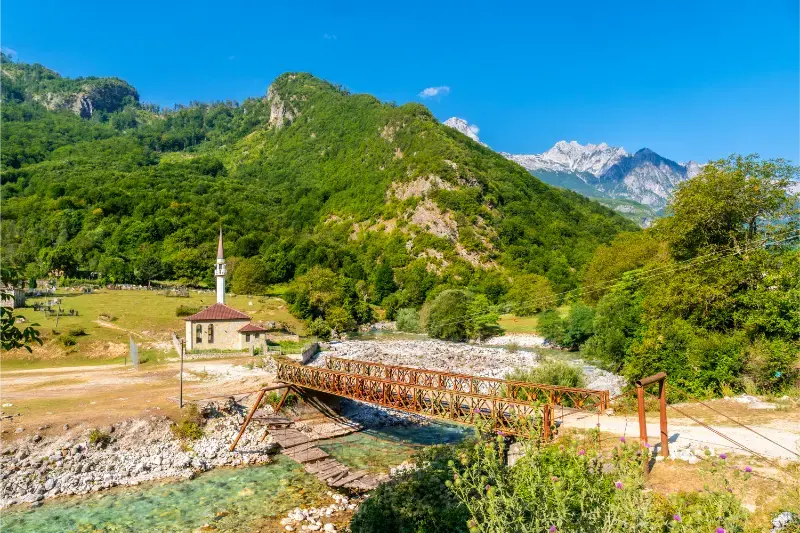
    Best time to visit

    Spring and early autumn are the easiest all-round periods for many Albania comparison decisions because walking and road travel are comfortable. Summer is the clear choice when swimming, boats or high-season beach atmosphere are central. Mountain destinations require current trail and road conditions rather than a fixed calendar promise; winter city trips can be excellent where museums, food and urban life remain strong.

    Can you visit both Tirana and Berat?

    Often, yes. The question is whether the transfer creates a logical route. If Tirana and Berat sit naturally on the same itinerary, visiting both is more rewarding than trying to name a winner. I still avoid one-night hopping when each destination needs time to feel different: checking in, parking, repacking and changing hotels can consume the very hours you hoped to save.

    For a short first trip, I keep only destinations that add a new experience. One capital, one UNESCO town, one coast base and one mountain/lake stop often produces more variety than three similar beach towns or three historic cities visited too quickly.

    Choose Tirana if…

    • You want first-time visitors who want city energy, museums, food and the easiest transport hub.
    • You prefer a urban and flexible destination.
    • You are comfortable with this terrain: mostly easy in the central area, with optional hills only on day trips.
    • A stay of 2–3 nights fits your route.

    Choose Berat if…

    • You want architecture, heritage, romantic guesthouses and a slower overnight stop.
    • You prefer a slow, historic and atmospheric destination.
    • You are comfortable with this terrain: compact but noticeably hilly around the castle, with cobbles and steps.
    • A stay of 1–2 nights fits your route.

    What I would not use as the deciding factor

    • One viral photo or social-media reel.
    • A single hotel price checked months before the trip.
    • A claim that one destination is always cheaper, quieter or more authentic.
    • Driving time alone without considering parking and the final hotel location.
    • A summer review applied to a winter or shoulder-season trip.

    Useful planning guides

    A simple decision method

    Write down the three things you most want from this part of the trip. Give one point to each destination for every priority it clearly satisfies. Then check the practical constraints: arrival time, onward route, whether you have a car, and how many nights are available. This is more useful than choosing from a generic top-ten list because it forces the itinerary to match your actual travel style.

    If the result is still tied, I would choose the destination that adds more contrast to the rest of the trip. After several urban days, Berat may create the bigger change of pace; after several quiet stops, the destination with more city energy can be the better reset.

    Frequently asked questions

    Is Tirana better than Berat?

    Choose Tirana if your priorities match first-time visitors who want city energy, museums, food and the easiest transport hub. Choose Berat if you care more about architecture, heritage, romantic guesthouses and a slower overnight stop. If both fit your route, the two destinations complement each other better than they compete.

    Aerial Drone View Tirana Albania

    Which is better for a first trip to Albania?

    Both can work on a first trip. Choose Tirana for first-time visitors who want city energy, museums, food and the easiest transport hub; choose Berat for architecture, heritage, romantic guesthouses and a slower overnight stop. Route efficiency matters just as much as fame.

    Which is easier without a car?

    Tirana: A car is unnecessary for the center and can be a burden because parking adds friction. Berat: You do not need a car for the historic core; a car is useful mainly for wineries, countryside and Osum-area excursions. Compare the exact accommodation location before deciding.

    Which is better for families?

    The easier choice depends on terrain and daily plan. Tirana has mostly easy in the central area, with optional hills only on day trips; Berat has compact but noticeably hilly around the castle, with cobbles and steps. Families usually benefit from the base with simpler walking and fewer daily transfers.

    Should I stay overnight in both?

    If you have enough time, yes when each adds a different experience. I would usually plan around 2–3 nights in Tirana and 1–2 nights in Berat, then shorten only if the overall itinerary would otherwise become too rushed.

    Final take

    Choose Tirana if your priorities match first-time visitors who want city energy, museums, food and the easiest transport hub. Choose Berat if you care more about architecture, heritage, romantic guesthouses and a slower overnight stop. If both fit your route, the two destinations complement each other better than they compete. The strongest Albania itineraries are not built by finding one universal winner. They are built by combining destinations that give you different landscapes, rhythms and experiences without wasting days on unnecessary transfers.

  • Rainy Day in Vlorë: Museums, Old Town and What to Do When It Rains

    Rainy Day in Vlorë: Museums, Old Town and What to Do When It Rains

    A rainy day in Albania does not need to become a lost day, but the right plan depends on the destination. Historic cities with strong museums can absorb hours indoors; coastal towns often require a more flexible mix of food, cafés, short heritage stops and weather windows. I plan for the actual type of rain rather than treating every grey forecast as an all-day storm.

    Check the short-range radar or hourly forecast before abandoning outdoor plans. A two-hour shower calls for a different itinerary from persistent wind and heavy rain. In old towns, wet stone and polished cobbles can become slippery even after the rain stops, so good-grip shoes matter more than an umbrella.

    Rainy-day plan at a glance

    Weather / situationBest planWhy
    Heavy rainIndependence Museum + Historical MuseumStrong cultural backup
    ShowersHistoric center + Muradie MosqueShort outdoor links
    Boat day cancelledUse city history and foodDo not replace with unsafe sea activity
    EveningLungomare if wind easesOtherwise stay central

    Start by deciding how bad the weather really is

    I separate rain into three categories. Drizzle means the normal itinerary can often continue with better shoes and shorter outdoor stops. Repeated showers mean I build the day around two indoor anchors and use dry windows for streets or viewpoints. Persistent heavy rain means I stop pretending it is a normal sightseeing day and choose a compact cultural, food and rest itinerary.

    Opening days, renovation periods and ticket rules can change, so I verify the one museum I care about most before walking across town. I would rather spend two focused hours in one good museum than rush through three indoor attractions just because it is raining.

    Best things to do on a rainy day

    National Museum of Independence

    Use the National Museum of Independence as the anchor of the day. The official tourism agency confirms its connection with the 1912 declaration of independence and Albania’s first government. It gives Vlorë cultural depth that is easy to overlook on a beach-focused itinerary.

    Historical Museum of Vlore

    The city’s Historical Museum is another useful indoor option; the official tourism agency describes collections covering antiquity, medieval history and later periods. Pairing it with the Independence Museum works well when boat or beach plans are cancelled.

    Historic center and Muradie Mosque

    During a lighter spell, walk the old center and visit Muradie Mosque respectfully if visitor access is appropriate. Keep this as a short outdoor block rather than a long walk across the city.

    Lungomare only if wind and rain ease

    The Vlore Lungomare is valuable in light rain or after the weather clears, but wind can make the exposed waterfront unpleasant even when rainfall is weak.

    Vlore Waterfront And Modern Seafront Albania

    A seafood or regional-food lunch

    If the Karaburun–Sazan boat is cancelled, do not immediately fill the day with another distant drive. Use the Vlore Food Guide and turn lunch into part of the cultural itinerary.
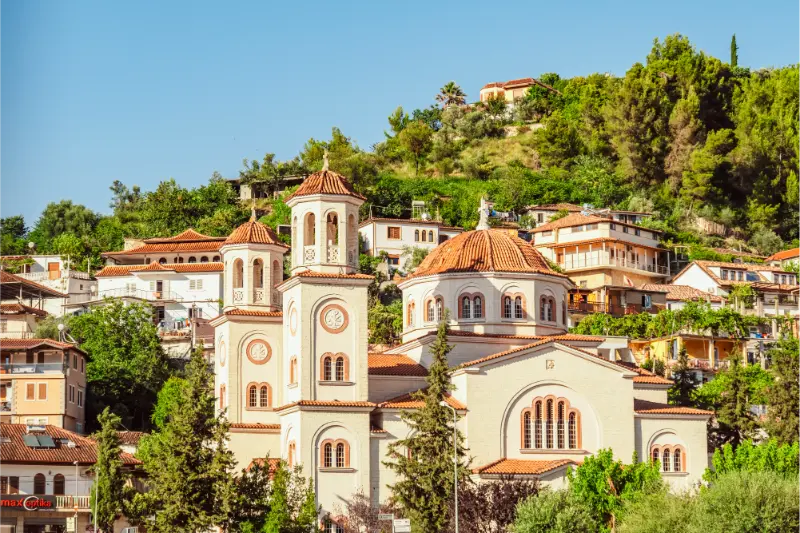
    If it rains all day

    A heavy-rain day can be National Museum of Independence, long lunch, Historical Museum, hotel break and dinner. That is a coherent Vlorë day even without the sea.

    If it is only showers or light rain

    With showers, add the historic center, Muradie Mosque and a short Lungomare section. Zvërnec and Kaninë should wait for better visibility and less slippery conditions.

    Zvernec Monastery Island Albania

    Rainy day with children

    Families can use the museums selectively and keep the middle of the day for lunch or hotel downtime. A cancelled boat trip is not a reason to substitute another long, wet transfer.

    With children I deliberately remove one attraction from the original plan. Wet clothes, umbrellas and slower walking make transitions more tiring than they look on a map. A museum, a long lunch and one short outdoor window are often enough.

    If you have a rental car

    Keep the car parked unless the weather radar clearly favors another area. Wet-weather driving toward Llogara or remote coastal roads is not a sensible replacement for a cancelled beach day.

    I never use bad weather as a reason to add a long unfamiliar drive automatically. Rain can reduce visibility, increase braking distance and make mountain or coastal roads more demanding. Drive only when the alternative destination clearly improves the day.

    Make food part of the itinerary

    Seafood, pies, olive oil and regional cooking make a rainy day easy to slow down. Avoid alcohol if you are responsible for driving later.

    What to wear and carry

    • Shoes with grip rather than smooth city soles; old stone can stay slippery after rain stops.
    • A light waterproof jacket with a hood; umbrellas are less useful in strong coastal or mountain wind.
    • A small dry bag or zip pouch for passport, phone and tickets.
    • A spare pair of socks if the forecast shows persistent rain.
    • Offline maps, because standing outside in rain while solving navigation is unnecessary.
    • A light layer in shoulder seasons; wet weather can feel much cooler than the temperature suggests.

    Where to stay when weather is uncertain

    For a short stay, I value a central base more when the forecast is poor. Walking five minutes to a museum or restaurant is very different from needing a taxi for every meal. Compare current accommodation in Vlore on Booking.com.

    Blue Eye Water Spring Clear Blue Water View Muzine Vlore Albania

    Common rainy-day mistakes

    • Replacing a cancelled boat trip with another exposed sea activity.
    • Walking the full Lungomare in wind-driven rain.
    • Driving to Llogara for views when the pass is inside cloud.
    • Assuming the city has nothing except beaches.
    • Trying to visit distant attractions simply to stay busy.

    Useful related guides

    Should you change the whole itinerary?

    For one wet day, usually not. I swap the order of days before I change hotels or cancel a destination. If tomorrow is clearer, move the exposed castle, lake, beach, boat or mountain excursion to tomorrow and use today for the destination’s indoor culture. This is one reason I avoid booking every hour of an Albania trip in advance.

    For several consecutive days of severe weather, then I reconsider the route. Cities with museums such as Tirana, Shkodër and Korçë absorb bad weather better than beach-focused bases. The decision should be based on the regional forecast, not frustration with one wet morning.

    Frequently asked questions

    What is the best indoor attraction in Vlore?

    The National Museum of Independence is the most important central cultural stop.

    What if my Karaburun boat is cancelled?

    Use the old city, museums and food; reschedule the boat if sea conditions improve later.

    Is the Lungomare worth it in rain?

    In light rain yes; strong wind makes it much less pleasant.

    Should I drive to Llogara?

    Not for views when cloud and heavy rain are forecast.

    Is Vlore still worth a wet day?

    Yes. Its independence history gives you a genuine cultural backup plan.

    Final advice

    A rainy day is easiest when you stop trying to reproduce the sunny-day itinerary. Choose one or two things that become better indoors, use food and coffee as real experiences, and wait for short weather windows instead of fighting the forecast. The result can be a slower but more memorable day—and the main outdoor attraction will still be there when the sky clears.

    A simple morning-to-evening template

    My default wet-weather rhythm is: substantial breakfast, first museum at opening, coffee or short dry-window walk, long lunch, second indoor attraction or hotel break, then one final outdoor loop if the rain eases before dinner. This keeps the day structured without depending on the weather behaving perfectly.

    How to use a two-hour dry window

    When the forecast shows a short dry period, I do not spend the first thirty minutes deciding what to do. I choose one outdoor priority in advance and keep it close to the indoor plan. In a historic town that may be the bazaar, castle approach or riverfront; in a coastal city it may be the promenade; beside a lake it may be one short waterfront section. I then return to the next indoor stop before the weather deteriorates. This works better than trying to restart the entire original itinerary each time the rain pauses.

    I also avoid driving across the destination just because the sky looks brighter in one direction. Short weather windows are most useful when the next stop is already nearby. A compact plan reduces wet transfers, protects luggage and gives you the freedom to stop immediately if rain returns.

    If this is your only day in the destination

    If you have no second day to move outdoor sights to, rank the destination into three layers: one essential indoor attraction, one essential outdoor place and one food or cultural experience. Protect the indoor attraction first, then use the best weather window for the outdoor place. Everything else is optional. This prevents bad weather from turning a short visit into a frantic attempt to save every item on the original list.

    The result may be a shorter list of sights, but it is usually a better visit. Rain slows walking, transport and photography, so a realistic one-day plan should contain fewer transitions than the sunny version.

    Phones, cameras and wet-weather photography

    Keep the phone or camera in a dry pocket or small waterproof pouch between shots. Water on a lens can ruin far more photos than the grey sky itself. After a storm, wet stone, reflections and low cloud can create excellent photographs, but never stand in traffic, on slippery walls or beside rough water simply for a dramatic frame. The best photograph is not worth a fall.

  • Best Beaches in Albania: Where to Swim from the Adriatic to the Albanian Riviera

    Best Beaches in Albania: Where to Swim from the Adriatic to the Albanian Riviera

    Albania’s beaches are one of the main reasons the country has become so popular, but “the Albanian coast” is not one single experience. You can choose sandy Adriatic beaches with easy access, white-pebble Ionian coves below mountains, busy resort zones with beach clubs or long stretches where the main attraction is space rather than nightlife.

    This guide is about choosing the right beach for your trip, not declaring one universal winner. If you are driving the south coast, use it together with my Albanian Riviera road-trip guide; if you are basing yourself in the far south, read the Ksamil and Saranda guide for accommodation and transport details.

    Turquoise Beach On The Albanian Riviera

    Adriatic or Ionian: understand the coast first

    The Adriatic coast around Durrës, Golem and farther north generally offers flatter landscapes, sandier beaches and easy resort infrastructure. The Ionian coast from the Vlorë region south toward Sarandë is more dramatic, with mountains, cliffs, pebbles and clearer-looking water in many coves. Neither is “better” for everyone.

    Families with small children may prefer easy sandy entry and nearby services. Road-trippers and couples often fall in love with the Ionian scenery. Travellers with limited mobility should check beach access carefully because some beautiful coves involve steep stairs, rough tracks or boat transfers.

    Ksamil beaches

    Ksamil is the name most international visitors already know. The water can be strikingly clear and the small islands create an attractive setting, but popularity comes with a cost: in July and August many beach areas are heavily organised with loungers, restaurants and large crowds.

    I would visit early in the day, especially in high season, and avoid choosing accommodation solely because a listing says “near Ksamil beach.” The town has multiple beach areas, and walking conditions, traffic and gradients matter. Ksamil is excellent if you want beautiful water plus restaurants and easy access to Butrint.

    Mirror Beach and coves north of Ksamil

    The coast between Sarandë and Ksamil includes smaller beaches reached from side roads. Mirror Beach is one of the better-known examples. Access conditions can change, and the final road or walk may be rougher than the main highway suggests. I check recent local information before taking a low-clearance rental car down an unfamiliar track.

    Saranda beaches

    Sarandë itself is more valuable as a base than as Albania’s ultimate beach destination. Urban beaches are convenient for a quick swim, but the reason to stay in town is the combination of accommodation, restaurants, transport, boat trips and access to Butrint and surrounding coves. If I have a car, I usually swim elsewhere during the day and return to Sarandë for the evening.

    Borsh Beach

    Borsh offers one of the longest beach experiences on the southern coast. That length is important: even when popular sections have loungers and restaurants, you have more opportunity to find space than in compact coves. It suits travellers who want a slower beach day and are happy with a more spread-out destination.

    The beach is pebbly, so water shoes can be useful. Choose accommodation carefully because staying “in Borsh” can mean being on the hillside or closer to the shore, and the difference matters in summer heat.

    Himare beaches

    Himarë is one of my favourite bases because you can combine a walkable town beach with several very different beaches nearby. This makes it easier to stay three or four nights without feeling trapped in one resort. The town also has enough restaurants and evening life to remain convenient without the scale of Sarandë.

    Livadhi

    Livadhi is a broad beach near Himarë with room for organised sections and more open stretches. It is a good compromise for travellers who want easy road access, parking possibilities and enough space to stay for a full day.

    Potam and nearby bays

    Closer to Himarë, smaller beaches make it easy to swim without turning the day into a road trip. I like having one “no-car” beach day every few days on the Riviera because constant parking and beach-hopping becomes tiring.

    Gjipe Beach

    Gjipe is famous for its dramatic setting between cliffs and canyon landscape. The access is part of the experience and can involve a walk or boat depending on your plan. That means it is not the beach I choose with heavy luggage, a stroller or anyone who struggles on rough paths.

    Take enough water and sun protection, and do not assume that remote appearance means zero services or zero crowds. Famous “hidden beaches” can be very busy in summer precisely because everyone has seen the same photos.

    Dhermi and Drymades

    Dhërmi combines a well-known village, steep mountain backdrop and a developed beach scene. Drymades nearby offers another long coastal option. These areas suit travellers who like stylish bars, restaurants and social beach days as much as swimming. Prices can be higher than in less fashionable towns, especially in peak season.

    The vertical geography is important. A hotel in the historic village may have wonderful views but require driving or a substantial walk to the beach. A beachfront property may be less convenient for exploring the old village. Decide which experience matters more before booking.

    Palase Beach

    Palasë is one of the first major coastal areas after descending from the Llogara region. The setting is dramatic, with mountains rising behind the shore. Development has increased in parts of the area, so if you remember old photos of a completely empty beach, arrive with realistic expectations.

    Vlore, Radhime and Orikum

    The coast south of Vlorë gives you a mix of city convenience and increasingly clear water as you move toward Radhimë and Orikum. It is a strong choice for travellers who want a beach holiday without driving all the way to Himarë or Sarandë. See my Vlorë guide for boat trips and the wider bay.

    Durres and Golem

    Durrës and Golem are the practical answer for sandy beaches close to Tirana and the airport. They are not a substitute for Ionian mountain scenery, but they can be much easier for families, short stays and travellers who do not want a long road transfer. My Durrës guide explains how to combine beach time with Roman archaeology.

    Adriatic Sea Coast Beach Lukove Komuna Albania View Mountain Pass People Unrecognizable

    Velipoje and the northern Adriatic

    Velipojë gives northern itineraries a beach option and combines naturally with Shkodër. It is flatter and sandier than the southern Riviera, making it a different type of holiday. I would include it only if your route is already in the north rather than driving across the country specifically to compare beaches.

    Which beach is best for families?

    For families, I care more about access, shade, toilets, food and sea conditions than about social-media colour. Durrës/Golem can be convenient for sand and services; Ksamil has calm-looking coves but can be intensely crowded; Himarë offers a good balance of town services and nearby options. Always evaluate the exact beach and day’s conditions.

    Which beach is best without a car?

    Stay in a town where you can walk to at least one good beach and use taxis or boats for occasional excursions. Himarë, Sarandë and Ksamil can all work, but the experience differs. A no-car Riviera trip becomes frustrating if your dream beaches are all remote coves scattered along the coast.

    Beach clubs, loungers and public access

    Many popular beaches have organised sections with paid loungers, especially in July and August. Prices vary by beach, row, venue and date. I never quote one “Albania sunbed price” because it becomes outdated quickly. Ask the price before sitting down, and if you prefer a free section, look for clearly available public space rather than assuming every umbrella belongs to the same operator.

    Best months for an Albania beach trip

    June and September are my favourite months for a balance of warm weather, open businesses and less pressure than peak summer. July and August bring the liveliest atmosphere and warm water but also the biggest crowds, traffic and accommodation demand. May can be beautiful for coastal touring even when the sea feels cool to some swimmers.

    Beach-road practical tips

    • Start early when visiting famous coves in July or August.
    • Carry water shoes for pebbly beaches.
    • Keep valuables out of sight in parked cars.
    • Do not follow an unpaved map shortcut blindly in a rental car.
    • Check where you will park before descending a steep coastal road.
    • Build one slow beach day into every few days of road-tripping.

    Where should you base yourself?

    For a first Riviera trip, I would rather stay three nights in one strong base than change hotels every night. Himarë works well for central-coast exploration; Sarandë offers services and day trips; Ksamil is for beach-first travellers; Vlorë is best for the bay, marine excursions and the start of the road south.

    Aerial View Of Albanian Riviera Coast

    The best beach in Albania is the one that matches how you actually travel: sandy and easy, wild and difficult, social and serviced, or quiet and simple.

    Use the Riviera road-trip guide to connect the beaches, the Vlorë guide for the northern end of the route and the Ksamil and Saranda guide for the far south.

    Final planning checklist

    Before publishing a final itinerary around best beaches in Albania, I recheck three things: the weather, the transport for the next day and the exact location of my accommodation. These small checks prevent most avoidable problems in Albania, especially in summer when traffic is heavier and in mountain regions where conditions can change quickly.

    • Save accommodation addresses and phone numbers offline.
    • Carry some Albanian lek for small businesses and transport.
    • Confirm parking before driving into historic centres or beach resorts.
    • Download offline maps before mountain or rural days.
    • Leave margin between a long transfer and any fixed tour or ferry.

    I also avoid planning every meal, beach and café in advance. Albania is still a destination where local advice can improve the trip significantly. Guesthouse owners often know the current road condition, the best departure time or whether a supposedly quiet beach has become crowded that week.

    Is this destination suitable for a first trip to Albania?

    Yes if it fits the wider route and your interests. The mistake is not choosing the “wrong” destination; it is combining too many good destinations into too few days. Two or three well-planned bases usually create a better first trip than six rushed overnight stops.

    Do I need to book everything in advance?

    In July and August I book accommodation in popular coastal areas and any essential transport connection. Outside peak season I keep more flexibility, while still reserving special guesthouses or small properties that I would be disappointed to miss. Activities that depend on sea or mountain weather are often better confirmed closer to the day when cancellation terms allow it.

    Cash or card?

    Carry both. Cards are increasingly common in larger hotels, supermarkets and restaurants, but cash remains useful for buses, rural guesthouses, parking and small family businesses. Having a backup payment method is more important than trying to make the entire trip cashless.

    For the bigger picture, return to the Albania travel guide and use the travel-cost guide to check how this stop fits your time and budget.

    \n

    Related guide: For viewpoints and camera planning, see our best photography spots in Albania guide.

    Beach guides by base and coastal area

    These local beach guides go beyond a national ranking and compare access, shore type, families, parking, public transport and quieter alternatives around each base.

    More practical Albania travel planning

  • 1 Day in Theth: A Realistic Itinerary for the Village, Grunas Waterfall and Alpine Views

    1 Day in Theth: A Realistic Itinerary for the Village, Grunas Waterfall and Alpine Views

    One day in Theth is enough for the village’s cultural core and one moderate nature walk, but it is not enough for every headline attraction. The smartest plan is to treat the valley itself as the destination: see the church and Lock-in Tower, walk to Grunas Waterfall, enjoy a long local lunch and leave time for the river and mountain views. Trying to add the Blue Eye and the Valbona Pass to the same day turns a beautiful mountain visit into a race.

    Man Hat Stays Streams Waterfall Grunas Waterfall Site Inside National Park Theth Albania

    The schedule below is designed around realistic travel friction rather than the maximum number of pins you can place on a map. In a one-day visit, parking, walking, lunch and the return journey are part of the itinerary. I would rather finish one place properly than spend the afternoon moving between attractions for ten-minute stops.

    One-day itinerary at a glance

    TimePlanWhy it fits
    08:00–09:00Arrive / breakfastSettle into the valley and confirm trail conditions.
    09:00–10:00Theth Church + villageEasy cultural start and classic valley views.
    10:00–10:45Lock-in Tower areaShort cultural stop; verify current opening if entering.
    11:00–13:30Grunas Waterfall walkMain nature activity of the day.
    13:30–15:00LunchGuesthouse-style meal and real rest.
    15:00–17:00River / village walkFlexible low-stress afternoon.
    17:00 onwardSunset / departureStay overnight if possible rather than driving tired.

    Step-by-step itinerary

    Start with the church and the center of the valley

    Theth Church is one of the easiest landmarks to place at the beginning of the day because it gives you an immediate sense of the valley’s scale without using much energy. Walk slowly around the surrounding lanes, look back toward the peaks and resist the urge to start the day with the longest hike. The first hour is also when you can ask your guesthouse about rain, recent trail conditions and any local changes that a generic map will not show. Use the Theth Church Guide if you want the historical context before you arrive.

    Add the Lock-in Tower as a cultural stop

    The Kulla e Ngujimit is important because Theth is not only a mountain backdrop. It connects the village with older social traditions and the Kanun. The outside area is easy to include in a one-day route; if you want to enter, verify the current opening locally rather than building the entire schedule around an old timetable. Read the Lock-in Tower Guide for the background, then keep the visit concise so the best walking hours remain available.

    Make Grunas Waterfall the main hike

    For a one-day visit, Grunas Waterfall is the best single nature objective because it creates a proper hiking experience without committing the whole day to a high alpine route. The path can be rocky and conditions change after rain, so good footwear matters. Give yourself enough time to stop, photograph and return without turning the walk into a speed challenge. The Grunas Waterfall Guide covers the dedicated route. If the weather is unstable, shorten the walk rather than pushing farther into the canyon.

    Have a real lunch instead of eating on the move

    A mountain day improves when lunch is part of the itinerary. A guesthouse or local restaurant meal gives you time to rest, refill water and decide whether the afternoon should remain gentle or include another short walk. This is also the point to reassess the weather. If clouds are building or the trail was harder than expected, the correct decision is often to enjoy the village rather than force the Blue Eye into the remaining hours.

    Use the afternoon for the river and village

    Theth’s landscape works even when you are not ticking off attractions. Walk near the river, cross only established bridges, explore the lanes around the guesthouses and look back toward the surrounding peaks. This flexible block is particularly valuable for families and travelers arriving after a long transfer. It also protects the itinerary from small delays: if Grunas takes longer, you lose only unstructured walking rather than a paid transfer or a second major hike.

    Treat the Blue Eye as an alternative, not an automatic extra

    The Blue Eye of Theth is a worthwhile excursion, but it deserves its own time and transport/walking plan. If it is your priority, replace Grunas rather than stacking both into a short day. The Blue Eye of Theth Guide explains the route. This is particularly important if you are coming from Shkodër and returning the same day, because the road journey already consumes a large part of the daylight.

    Can you do this without a car?

    A car gives flexibility but is not automatically the best tool in Theth. If you are staying overnight and returning by road, it can work well. If your wider plan includes the one-way Theth–Valbona hike, leaving the car in Shkodër is usually simpler. Never treat mountain road conditions as fixed; check locally before driving.

    If you are using buses or shuttles, verify the return before you start the sightseeing day. A one-day itinerary has much less tolerance for a missed last service than a two-night stay. When the final attraction is outside the center, a taxi can be a sensible one-off expense rather than a reason to rent a car for the entire trip.

    One day with children

    With children, shorten the walking target and make the church, river and one nature stop the core. Grunas can work for active families, but the trail surface matters more than the nominal distance. A relaxed valley day is still a complete Theth experience.

    Christian Church Village Theth National Park Albania

    The family version should normally remove one stop, not simply move faster. Build in toilets, shade, food and a place where children can move without worrying about traffic or fragile heritage. On hot coastal days, protect the middle of the afternoon rather than scheduling the most exposed walk at 14:00.

    What to do if the weather changes

    In rain or low cloud, do not replace a cancelled high walk with another exposed trail. Use the village, church, food and short safe walks, then save the main hike for a clearer morning if you stay overnight.

    Check the short-range forecast the evening before and again in the morning. In the mountains, current local advice should outweigh a generic app. On the coast, wind can matter as much as rain because it changes swimming and boat conditions. In heritage towns, wet stone and steep lanes can be the main practical problem.

    Where to stay if you turn the day trip into an overnight

    Compare current accommodation in Theth on Booking.com.

    For location strategy, use the local Where to Stay guide. A one-night stay is often worth more than an extra attraction because it gives you the evening and early morning without the pressure of the return journey.

    Useful planning guides

    If you are driving, also read the driving and parking guide before arrival.

    If you have two days instead

    With an extra day, do not simply repeat the same route more slowly. Use the two-day itinerary to add the major hike, neighboring beach or regional excursion that would make this one-day plan too crowded.

    Tours and activities

    Organized activities can be useful when they solve transport or add a specialist guide, but they are not mandatory for the basic one-day itinerary. Compare the meeting point and total duration with what you can comfortably do independently.

    What to pack for one day

    • Comfortable shoes matched to the terrain rather than only to the weather.
    • Water and sun protection from late spring through early autumn.
    • A light rain/wind layer for mountains, coast and shoulder season.
    • Some Albanian lek for small cafés, parking or local transport.
    • Offline maps and the return transport details saved on your phone.
    • Swimwear only when the itinerary genuinely includes the coast or safe swimming.

    Common one-day mistakes

    • Adding a second major excursion simply because it looks close on the map.
    • Planning the day around an old bus timetable without checking the return.
    • Ignoring parking or the final walk from the road to the attraction.
    • Skipping lunch and then losing time searching for food late in the afternoon.
    • Treating mountain, beach or heritage access as identical in every season.
    • Leaving the most important stop until the final hour before departure.

    Is one day enough?

    If Theth is one of the main reasons for your Albania trip, one day is too little. Two or three nights let you separate Grunas, the Blue Eye and a longer alpine hike instead of forcing them together.

    If you are deciding how to divide a longer Albania trip, use How Many Days in Albania? to compare the value of extra nights across the country. The best itinerary is not the one with the most destinations; it is the one where transfers do not consume the experiences you traveled for.

    Frequently asked questions

    What time should I start?

    For a true one-day visit, start in the morning. On mountain or castle days, an early start also gives you cooler walking and more weather margin. On a pure beach day, arriving early helps with parking and shade.

    Should I book attractions in advance?

    Usually the key bookings are accommodation, major tours, mountain transfers or boat activities rather than every small sight. Verify current opening information for museums, castles or religious interiors before building the day around them.

    Can I do this as a day trip from Tirana?

    That depends on the destination. Elbasan, Lezhë and Golem are much easier than Theth, Valbona or the southern Riviera. A long transfer can turn a technically possible day trip into a poor use of time.

    Small Mosque Dragobi Valbona Valley Theth National Park Albanian Alps Albania

    Is a guided tour worth it?

    It can be when transport is complicated or historical context is important. For a compact beach or village day, independent travel is often enough.

    What if I arrive after lunch?

    Use the first two or three stops only. Do not try to compress a full-day schedule into four hours; choose the destination’s defining experience and protect time for the return.

    Final advice

    A successful one-day itinerary has a clear priority, one flexible block and enough margin to enjoy the place. Start with the activity that would disappoint you most if you missed it, keep lunch and transport realistic, and drop optional stops when the day becomes slower than expected. That is how a short visit still feels like travel rather than logistics.

    If you only have half a day

    Cut the itinerary at the middle rather than rushing every stop. Keep the defining experience, one good meal or break, and enough time for the return journey. A half-day visit works best when you accept that the destination deserves a second visit rather than treating the missing stops as a failure.

  • 2 Days in Berat: Castle, Mangalem, Gorica and a Countryside Escape

    2 Days in Berat: Castle, Mangalem, Gorica and a Countryside Escape

    Two days in Berat is long enough to see the essential sights without turning the visit into a race. The key is to make the second day feel different from the first: one day for the destination itself, one day for the landscape, beach, village or regional experience that explains why staying overnight is worthwhile.

    This itinerary is designed for a first visit. It assumes you want a realistic pace, time for meals and an evening in the destination—not a schedule that treats every viewpoint, museum and beach as a box to tick.

    2-day itinerary at a glance

    DayMain focusWhy it works
    Day 1Core destinationSee the essential sights while your energy is highest
    Day 2Regional / slower experienceAdd nature, coast, villages or an excursion instead of repeating day one

    Day 1: the essential experience

    Start early at Berat Castle, when the hill is cooler and the lanes are quieter. Give the fortress several hours rather than rushing directly to one viewpoint: the inhabited castle district, churches, Red Mosque remains, Onufri Museum area and panoramas over the Osum explain why Berat is more than a photogenic facade. Walk down into Mangalem for lunch, cross Gorica Bridge, wander Gorica and return to the riverfront for the softer evening light.

    Albanian Old Berat View Berat Castle Walls Tiled Roofs Houses 13

    How to pace day one

    Start with the stop that is most exposed, steep or important, then make lunch a real break. I keep the late afternoon deliberately looser because that is when delays, heat or an unexpectedly interesting place usually change the plan. If you are enjoying one neighborhood, beach or museum, remove the weakest later stop rather than rushing the experience in front of you.

    Day 2: go beyond the first-day checklist

    Use day two to add the landscape around Berat. The easiest version is a winery or countryside experience with enough time to taste local products without driving afterward. More active travelers can choose Osum Canyon or Mount Tomorr only when conditions and transport make sense. If you prefer to remain in town, use the second day for the Ethnographic Museum, churches and mosques you skipped, a slow lunch and a second walk through the old quarters.

    Albanian Old Berat View Berat Castle Walls Tiled Roofs Houses 7

    The second day is also your weather buffer. If rain, wind or heat makes the planned excursion unattractive, swap the order, use indoor/cultural stops earlier or keep the day local. Two nights create enough flexibility that you do not need to force an outdoor activity in poor conditions.

    Do you need a car?

    You do not need a car for the historic city. A car, driver or organized excursion becomes useful only for wineries, Osum Canyon, Mount Tomorr or villages outside the urban core.

    If you rent a car, check parking before arrival and leave it parked while exploring compact historic centers. If you travel without a car, use taxis or one organized excursion strategically; paying for one well-chosen transfer can be more efficient than renting a vehicle for two days.

    Where to stay for two nights

    For a short stay, location matters more than room size. Read the local Where to Stay guide before booking, then compare current accommodation in Berat on Booking.com. I prefer accommodation that reduces the hardest daily transfer—an old-town climb, a beach road, or a long walk to the bus stop.

    Berat Castle Church And Valley Albania

    Arriving on day zero or the first morning

    If possible, arrive the evening before the itinerary begins. That gives you two complete days and lets you enjoy dinner and an orientation walk without sacrificing the first major attraction. If you arrive on the first morning, protect only the main day-one anchor and accept that the schedule may start later than planned.

    A slower version for families

    With children, take a taxi toward the castle and walk down rather than making the steep climb the hardest part of the morning. Keep day two to one regional activity, not several.

    With children I reduce the number of formal attractions, protect a long lunch and keep one open block each afternoon. A beach, river, park, thermal area or guesthouse garden counts as a real activity; it does not need to be filled with another ticketed sight.

    If you are traveling without a car

    Base yourself within walking distance of the evening area, because that removes the need to solve transport twice every day. For the regional second day, ask your accommodation about current buses, taxis, shared transfers or tours. Avoid building an itinerary around an old timetable screenshot: local transport and seasonal services can change.

    Best time for this 2-day itinerary

    Late spring and early autumn are the easiest all-round periods for most Albanian destinations because walking and road travel are more comfortable. Coastal destinations are at their most active in summer, while mountain itineraries depend on current trail and road conditions rather than a fixed calendar date. In winter, shorten daylight-dependent excursions and give more time to food and culture.

    How much should you book in advance?

    In July and August on the Riviera and during the main Alps hiking season, reserve the accommodation that solves your location or transport problem before arrival. Outside peak periods I keep the second-day activity flexible unless it depends on a boat, guide or fixed transfer. That balance protects you from both sold-out essentials and unnecessary overplanning.

    What to pack for 48 hours

    • Comfortable walking shoes appropriate to cobbles, hills or trails.
    • A compact rain layer and one warmer layer outside peak summer.
    • Sun protection and water for exposed castle, beach or mountain days.
    • Some Albanian lek for small purchases, parking, cafés or local transport.
    • Offline maps and screenshots of the accommodation and transport pickup points.
    • Swimwear only when the itinerary genuinely includes water; do not carry beach equipment through a museum day.

    Common mistakes

    • Treating two days as two one-day itineraries stacked together.
    • Changing hotels after only one night and losing the benefit of a two-day base.
    • Using the car for every short movement inside a compact historic center.
    • Scheduling the hardest outdoor activity after lunch in midsummer.
    • Assuming a seasonal boat, shuttle or high trail operates every day of the year.
    • Adding a distant famous attraction that turns the second day into mostly driving.

    How this compares with 1 day and 3 days

    If you only have one day, use the dedicated 1-day itinerary and keep the route compact.

    If you can stay longer, the 3-day itinerary adds another regional layer and makes the pace even easier.

    Useful planning guides

    Frequently asked questions

    Are 2 days enough for Berat?

    Yes for a first visit when you keep day one focused on the destination and use day two for one coherent regional experience.

    Do I need to change hotels?

    No. Keep the same base for both nights unless day two is intentionally a one-way transfer to your next destination.

    Should I rent a car?

    You do not need a car for the historic city. A car, driver or organized excursion becomes useful only for wineries, Osum Canyon, Mount Tomorr or villages outside the urban core.

    What if it rains?

    Swap the day order, move museums and long meals into the wettest hours and keep exposed mountain, canyon, boat or beach activities flexible.

    Is this itinerary suitable for families?

    With children, take a taxi toward the castle and walk down rather than making the steep climb the hardest part of the morning. Keep day two to one regional activity, not several.

    Final advice

    The best two-day trip feels like one complete stay, not a sprint between two lists. Use the first day to understand the destination, sleep there, then let the second day broaden the story. That rhythm gives you the atmosphere that day-trippers miss while still keeping the itinerary efficient.

    A practical 48-hour rhythm

    I think of the visit as four half-days rather than forty-eight hours to fill. The first half-day establishes the place, the second is the best evening atmosphere, the third holds the major excursion and the fourth stays flexible for the stop you missed, a slower meal or an early departure. This structure absorbs travel delays without making the trip feel incomplete.

    If you are continuing elsewhere on the second evening, move the most important day-two activity into the morning and leave before dark when the road is unfamiliar. An itinerary is successful when you leave with energy and a clear memory of the place, not when you reach the numerical maximum of attractions.

    How to use the two evenings

    The two evenings are one of the main reasons to stay forty-eight hours. On the first evening I keep things local: a promenade, old-town walk, lakefront, guesthouse dinner or one viewpoint close to the accommodation. On the second evening I leave room for the place I liked most, a longer dinner or an early night before the next transfer. I do not book both evenings with fixed activities because weather, fatigue and transport delays are exactly what a two-night stay is supposed to absorb.

    Connecting this stop to your next destination

    Before the trip I decide whether day two ends back at the same hotel or becomes a one-way movement toward the next destination. If the onward route is short and simple, checking out in the morning and carrying luggage in the car can work. If the route involves buses, mountain shuttles, ferries or a long coastal drive, I keep the second night and leave the following morning. That choice protects the itinerary from turning its best afternoon into a race against the last connection.

    Food and meal timing

    I build both days around one proper meal rather than constant snack stops. In historic towns, lunch is a useful break from steep lanes and midday heat; on the coast, a later lunch can bridge the hottest beach hours; in the mountains, guesthouse dinner may be the social center of the stay. Food should support the rhythm of the itinerary, not become another list of places to cross the city for.

    Not sure how long to stay? Compare 1, 2 and 3 days before choosing this itinerary length.