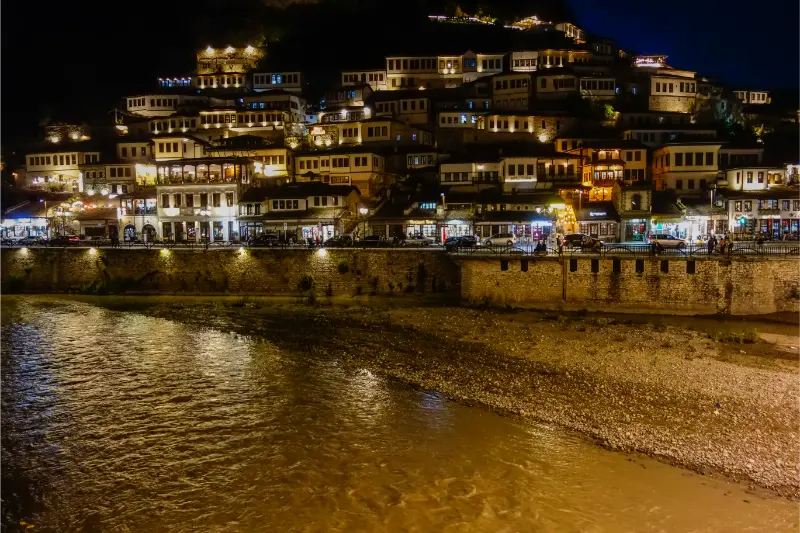
Two days / two nights is my preferred first stay in Berat. One full day covers the UNESCO core well; the second gives you a countryside, winery or nature component. Three days makes sense when Osum Canyon, Mount Tomorr or a slower rural experience is a real priority.
The right length for Berat depends on whether the destination is a headline stop, an overnight break between regions or a base for nearby excursions. I would decide the number of nights before booking transport, because a late arrival and early departure can turn a nominal two-night stay into barely one usable day.
Quick answer: 1, 2 or 3 days?
| Time | Best for | What it feels like |
|---|---|---|
| 1 day | Highlights and fast first trips | Enough for the core, but little buffer |
| 2 days | Most first-time visitors | Best balance of sights, food and slower time |
| 3 days | Day trips / deeper travel | Lets the wider region become part of the stay |
| 4+ days | Slow travel or a base | Worth it only when you have specific extra plans |
Is one day in Berat enough?
A single full day is enough for Berat Castle, Onufri Museum if open, Mangalem, Gorica Bridge and a relaxed evening along the river. Start high or use a taxi to reduce the uphill effort, then work downhill. One day is much better than a rushed stop of only two or three hours.
If you only have one day, use the dedicated 1-day itinerary rather than improvising a list of every attraction. I would protect the first two or three hours for the destination’s most important sight, then keep the afternoon flexible for food, a walk and one secondary experience.
Two days in Berat: the sweet spot?
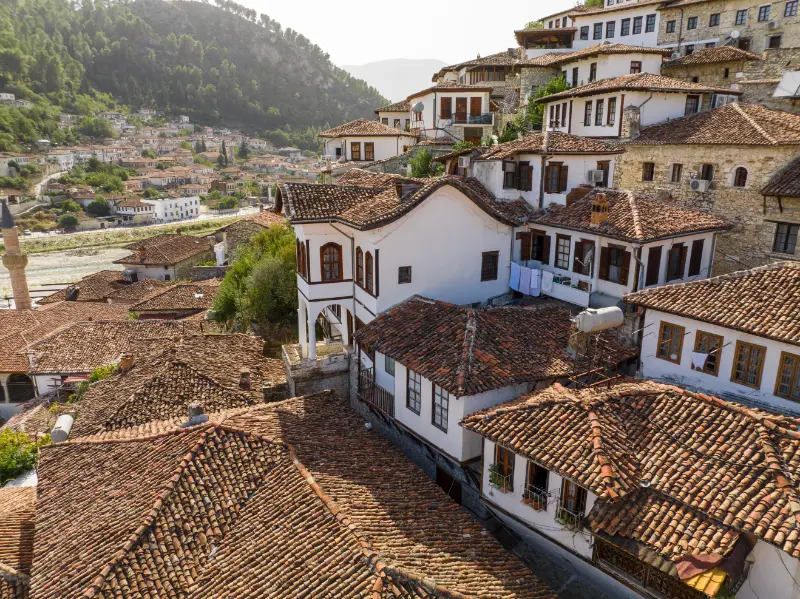
On day two, leave the historic core. A winery, rural food experience, Bogovë or an organized canyon excursion gives you a different perspective on the Berat region. This prevents the second day from becoming a repetition of the same white-house viewpoints.

For most travelers, two days works because you can separate the obvious first-day highlights from a second experience with a different character. Use the 2-day itinerary for a step-by-step version and avoid putting the most physically demanding activity on the same day as your arrival.
Three days in Berat: when is it worth it?
The third day is where Mount Tomorr or a longer Osum Canyon outing becomes realistic. These are not tiny add-ons to an old-town walk. They need transport, weather awareness and enough time that the destination does not become a race back to the hotel.
Three days becomes especially useful when weather can disrupt a boat, mountain, beach or nature plan. It also gives you a backup day if an attraction is closed or an intercity bus arrives later than expected. See the 3-day itinerary for a realistic pace.
What about four days or more?
Stay four days only if you want a very slow heritage stay, multiple wine/agrotourism experiences or separate full days for Tomorr and the canyon. Most first-time itineraries gain more by moving on after two or three days.
Day trip or overnight?
A day trip is reasonable when the transport time is short and your goal is limited to the main sights. An overnight is better when evening atmosphere, early-morning streets, a second neighborhood or a regional excursion matters. I rarely judge a destination only by whether it can technically be visited between the first and last bus.
If you are already using Berat as a base, compare the options in the day-trip guide before adding nights. A good extra day should unlock something meaningfully different, not simply repeat the same central walk.
How many nights should you book?
I separate nights from sightseeing days. Two nights often gives you only one full day if you arrive in the evening and leave early. For a destination where I want two complete days, I usually book three nights or arrange an early arrival and late departure. This is especially important on bus-based itineraries where transport does not always line up with hotel check-in and check-out times.
Do you need a car?
A car is unnecessary inside Berat and can be awkward around historic lanes. It becomes valuable for wineries, Tomorr and rural day trips. If you arrive by car, choose accommodation with clear parking or drop-off instructions.
If you rent a car, choose accommodation with clear parking instructions before arrival. A vehicle is most valuable when it unlocks rural or regional sights; it adds little when it sits parked while you explore a compact historic center.
How many days without a car?
Without a car, I add time rather than subtract it. Public transport may be perfectly adequate, but a taxi to a trailhead, a less frequent regional bus or a separate day tour can shape the schedule. The best car-free itinerary usually has fewer bases and slightly longer stays, which also means less time spent carrying luggage between terminals.
How many days with children?
Families often do best with two days: one historic day and one easier countryside/nature day. Avoid the castle climb at peak summer heat, and do not assume cobbles are stroller-friendly.
With children, the number of attractions matters less than the number of transitions. One museum, one outdoor block and one relaxed meal can be a full day. If a destination includes steep lanes, summer heat or long beach transfers, an extra night often improves the trip more than adding another destination.
How many days for couples, solo travelers and seniors?
- Couples: two nights is often the minimum that leaves room for a slow dinner and one unstructured morning.
- Solo travelers: one or two days can be enough in compact destinations, but a third day is useful when joining a tour or day trip reduces transport friction.
- Senior travelers: add a night when hills, cobbles or heat make a slower pace more comfortable; taxis can save energy without changing the itinerary.
- Photographers: an overnight matters because early and late light can be more valuable than adding another midday attraction.
Does the best length change by season?
April–June and September–October are ideal for long UNESCO walks. Summer still works if the castle is early and evenings are slower. Canyon and mountain activities depend on current conditions, not only the month name.
The most important seasonal question is whether the activity that justifies your extra day is actually realistic. A third beach day has less value in unstable weather; a high mountain day should not be assumed safe because the calendar says summer; and winter city breaks work better when you have indoor alternatives.
Arrival day and departure day: do they count?
I count an arrival day only when I can reasonably reach the hotel by early afternoon and still have energy for a meaningful walk. A flight landing in the evening or a four-hour bus journey creates a travel day, not a sightseeing day. The same applies on departure: if you must leave before lunch, do not pretend it is a full final day when deciding how long to stay.
Where to stay to make a short visit work
Location becomes more important as the stay gets shorter. Read the Where to Stay guide before choosing a room. For a one-night visit, I pay more attention to walking distance and luggage access than to a marginally cheaper room farther away.
Compare current accommodation in Berat on Booking.com.
What should you book in advance?
Accommodation is the main priority in peak periods or small destinations. I also pre-book any activity that would break the itinerary if unavailable: a seasonal boat, mountain transfer, rafting trip or specialist guide. I do not pre-book every museum and meal unless there is a real capacity issue; leaving some flexibility protects the trip from weather and transport delays.
How this stop fits into a wider Albania itinerary
Berat fits naturally between Tirana/Durrës and Gjirokastër/Vlorë. An overnight is worth keeping even on a fast route because the old town is at its best early and after day visitors leave.
Use How Many Days in Albania? to balance this stop against the country as a whole. A destination can deserve three days in isolation but only one or two on a seven-day national itinerary.
Common planning mistakes
- Counting late arrival and early departure as two full sightseeing days.
- Adding a third day without deciding what different experience it unlocks.
- Choosing a distant hotel to save a small amount on a very short stay.
- Building a day trip around old bus times without rechecking current transport.
- Trying to visit a mountain, beach and museum-heavy city in the same day.
- Ignoring heat, rain or steep terrain when deciding how much walking fits in one day.
- Moving accommodation every night when two-night bases would reduce luggage and transit time.
Frequently asked questions
What is the ideal number of days in Berat?
Two days / two nights is my preferred first stay in Berat. One full day covers the UNESCO core well; the second gives you a countryside, winery or nature component. Three days makes sense when Osum Canyon, Mount Tomorr or a slower rural experience is a real priority.

Is one day in Berat enough?
Yes for the main highlights, but it works best when you arrive early, stay centrally and accept that regional excursions belong on another trip.
Is two days in Berat enough?
For most first-time visitors, yes. Two days usually gives the best balance between the core sights and one slower or regional experience.
When should I spend three days in Berat?
Choose three days when a day trip, nature activity, beach/boat day or slower cultural experience is one of your main reasons for visiting.
Should I add an extra night because I am traveling by bus?
Often yes. A bus arrival late in the day can consume much of a nominal sightseeing day, so an extra night can make a car-free itinerary far more comfortable.
Final recommendation
Do not choose the length of your stay from a generic list of ‘must-see’ attractions. Decide what you want Berat to contribute to the wider trip: a quick cultural stop, a relaxed base, a beach break or access to regional nature. Then book enough time to do that one job well. For most people, the best itinerary has fewer destinations with usable days, not more destinations connected by rushed transfers.
Leave a Reply