Category: Itineraries

Realistic Albania itineraries and road-trip routes designed around travel time, overnight stops and different styles of trip.

  • 2 Days in Valbona: Valley Walks, Mountain Views and a Relaxed Alps Stay

    2 Days in Valbona: Valley Walks, Mountain Views and a Relaxed Alps Stay

    Two days in Valbona is long enough to see the essential sights without turning the visit into a race. The key is to make the second day feel different from the first: one day for the destination itself, one day for the landscape, beach, village or regional experience that explains why staying overnight is worthwhile.

    This itinerary is designed for a first visit. It assumes you want a realistic pace, time for meals and an evening in the destination—not a schedule that treats every viewpoint, museum and beach as a box to tick.

    2-day itinerary at a glance

    DayMain focusWhy it works
    Day 1Core destinationSee the essential sights while your energy is highest
    Day 2Regional / slower experienceAdd nature, coast, villages or an excursion instead of repeating day one

    Day 1: the essential experience

    Arrive early enough to enjoy the valley rather than treating Valbona only as the night before a hike. Walk from your guesthouse through the valley, follow safe local paths toward the river and Rragam direction, and use the afternoon for mountain views and a long guesthouse meal. Because the valley is elongated, choose the walk according to where you are staying rather than assuming every landmark begins from one center.
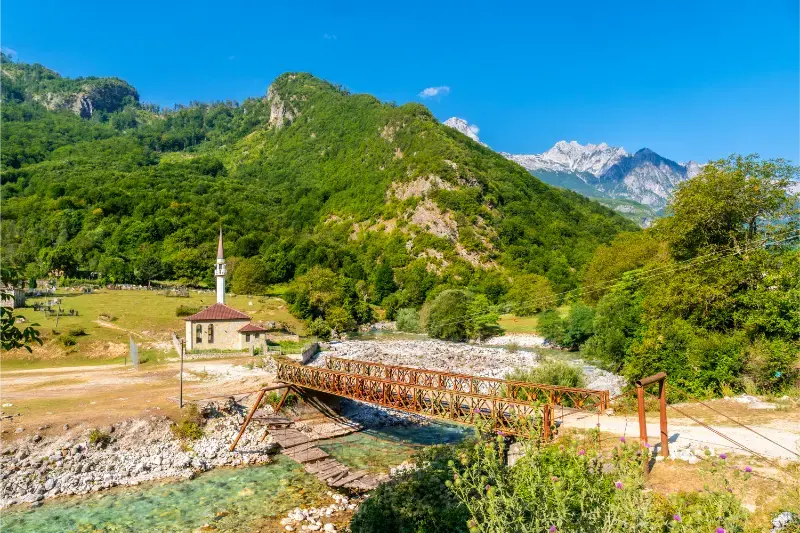
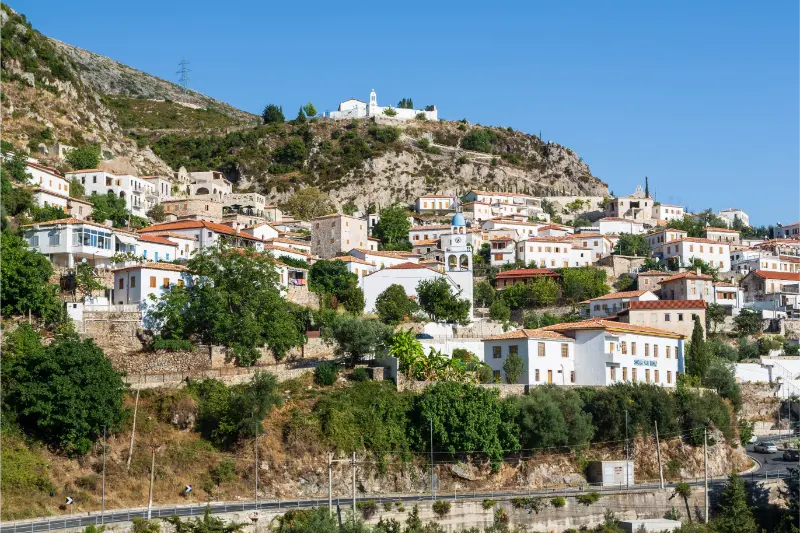
    Small Mosque Dragobi Valbona Valley Theth National Park Albanian Alps Albania

    How to pace day one

    Start with the stop that is most exposed, steep or important, then make lunch a real break. I keep the late afternoon deliberately looser because that is when delays, heat or an unexpectedly interesting place usually change the plan. If you are enjoying one neighborhood, beach or museum, remove the weakest later stop rather than rushing the experience in front of you.

    Day 2: go beyond the first-day checklist

    If you are not crossing to Theth, use the second day for a longer valley hike or a local route recommended by your guesthouse based on current conditions. If you are doing the Valbona–Theth crossing, day two becomes an early-start hiking day and requires a completely different level of preparation. Do not describe that high route as automatically open because the calendar says summer.

    The second day is also your weather buffer. If rain, wind or heat makes the planned excursion unattractive, swap the order, use indoor/cultural stops earlier or keep the day local. Two nights create enough flexibility that you do not need to force an outdoor activity in poor conditions.

    Do you need a car?

    A car is optional and often inconvenient for the classic one-way Valbona–Theth hike. The Koman/Fierze route and organized transfers can be more logical for hikers.

    If you rent a car, check parking before arrival and leave it parked while exploring compact historic centers. If you travel without a car, use taxis or one organized excursion strategically; paying for one well-chosen transfer can be more efficient than renting a vehicle for two days.

    Where to stay for two nights

    For a short stay, location matters more than room size. Read the local Where to Stay guide before booking, then compare current accommodation in Valbona on Booking.com. I prefer accommodation that reduces the hardest daily transfer—an old-town climb, a beach road, or a long walk to the bus stop.

    Arriving on day zero or the first morning

    If possible, arrive the evening before the itinerary begins. That gives you two complete days and lets you enjoy dinner and an orientation walk without sacrificing the first major attraction. If you arrive on the first morning, protect only the main day-one anchor and accept that the schedule may start later than planned.

    A slower version for families

    For families, two days in Valbona works best as a nature stay with shorter valley walks, river scenery and guesthouse time rather than as preparation for a strenuous pass crossing.
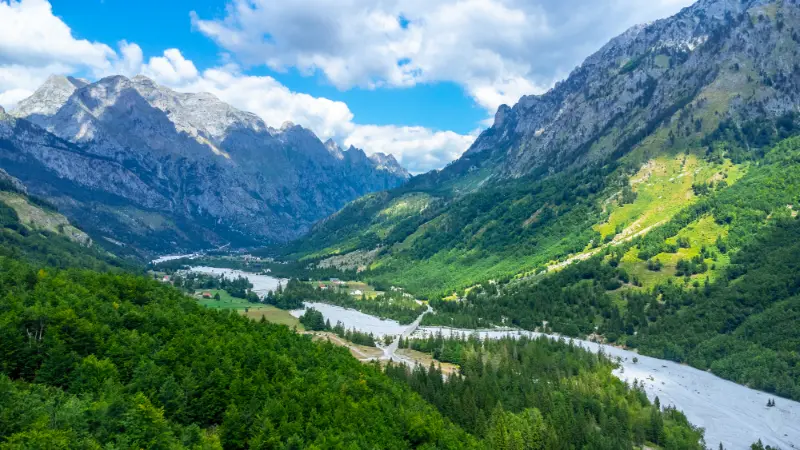
    Panoramic Aerial Drone View Valbona Valley Theth National Park Albanian Alps Albania 2

    With children I reduce the number of formal attractions, protect a long lunch and keep one open block each afternoon. A beach, river, park, thermal area or guesthouse garden counts as a real activity; it does not need to be filled with another ticketed sight.

    If you are traveling without a car

    Base yourself within walking distance of the evening area, because that removes the need to solve transport twice every day. For the regional second day, ask your accommodation about current buses, taxis, shared transfers or tours. Avoid building an itinerary around an old timetable screenshot: local transport and seasonal services can change.

    Best time for this 2-day itinerary

    Late spring and early autumn are the easiest all-round periods for most Albanian destinations because walking and road travel are more comfortable. Coastal destinations are at their most active in summer, while mountain itineraries depend on current trail and road conditions rather than a fixed calendar date. In winter, shorten daylight-dependent excursions and give more time to food and culture.

    How much should you book in advance?

    In July and August on the Riviera and during the main Alps hiking season, reserve the accommodation that solves your location or transport problem before arrival. Outside peak periods I keep the second-day activity flexible unless it depends on a boat, guide or fixed transfer. That balance protects you from both sold-out essentials and unnecessary overplanning.

    What to pack for 48 hours

    • Comfortable walking shoes appropriate to cobbles, hills or trails.
    • A compact rain layer and one warmer layer outside peak summer.
    • Sun protection and water for exposed castle, beach or mountain days.
    • Some Albanian lek for small purchases, parking, cafés or local transport.
    • Offline maps and screenshots of the accommodation and transport pickup points.
    • Swimwear only when the itinerary genuinely includes water; do not carry beach equipment through a museum day.

    Common mistakes

    • Treating two days as two one-day itineraries stacked together.
    • Changing hotels after only one night and losing the benefit of a two-day base.
    • Using the car for every short movement inside a compact historic center.
    • Scheduling the hardest outdoor activity after lunch in midsummer.
    • Assuming a seasonal boat, shuttle or high trail operates every day of the year.
    • Adding a distant famous attraction that turns the second day into mostly driving.

    How this compares with 1 day and 3 days

    With only one day, stay local and remove the regional excursion. The value of the second day is precisely that it lets you add landscape or a slower experience without damaging the core visit.

    A third day is worthwhile if you want a longer hike, a boat trip, a second village or a completely weather-dependent activity. Do not add it only to repeat the same type of sightseeing.

    Useful planning guides

    Frequently asked questions

    Are 2 days enough for Valbona?

    Yes for a first visit when you keep day one focused on the destination and use day two for one coherent regional experience.

    Do I need to change hotels?

    No. Keep the same base for both nights unless day two is intentionally a one-way transfer to your next destination.

    Should I rent a car?

    A car is optional and often inconvenient for the classic one-way Valbona–Theth hike. The Koman/Fierze route and organized transfers can be more logical for hikers.

    What if it rains?

    Swap the day order, move museums and long meals into the wettest hours and keep exposed mountain, canyon, boat or beach activities flexible.

    Is this itinerary suitable for families?

    For families, two days in Valbona works best as a nature stay with shorter valley walks, river scenery and guesthouse time rather than as preparation for a strenuous pass crossing.

    Panoramic Aerial Drone View Valbona Valley Theth National Park Albanian Alps Albania

    Final advice

    The best two-day trip feels like one complete stay, not a sprint between two lists. Use the first day to understand the destination, sleep there, then let the second day broaden the story. That rhythm gives you the atmosphere that day-trippers miss while still keeping the itinerary efficient.

    A practical 48-hour rhythm

    I think of the visit as four half-days rather than forty-eight hours to fill. The first half-day establishes the place, the second is the best evening atmosphere, the third holds the major excursion and the fourth stays flexible for the stop you missed, a slower meal or an early departure. This structure absorbs travel delays without making the trip feel incomplete.

    If you are continuing elsewhere on the second evening, move the most important day-two activity into the morning and leave before dark when the road is unfamiliar. An itinerary is successful when you leave with energy and a clear memory of the place, not when you reach the numerical maximum of attractions.

    How to use the two evenings

    The two evenings are one of the main reasons to stay forty-eight hours. On the first evening I keep things local: a promenade, old-town walk, lakefront, guesthouse dinner or one viewpoint close to the accommodation. On the second evening I leave room for the place I liked most, a longer dinner or an early night before the next transfer. I do not book both evenings with fixed activities because weather, fatigue and transport delays are exactly what a two-night stay is supposed to absorb.

    Connecting this stop to your next destination

    Before the trip I decide whether day two ends back at the same hotel or becomes a one-way movement toward the next destination. If the onward route is short and simple, checking out in the morning and carrying luggage in the car can work. If the route involves buses, mountain shuttles, ferries or a long coastal drive, I keep the second night and leave the following morning. That choice protects the itinerary from turning its best afternoon into a race against the last connection.

    Food and meal timing

    I build both days around one proper meal rather than constant snack stops. In historic towns, lunch is a useful break from steep lanes and midday heat; on the coast, a later lunch can bridge the hottest beach hours; in the mountains, guesthouse dinner may be the social center of the stay. Food should support the rhythm of the itinerary, not become another list of places to cross the city for.

    Shorter option: See the one-day version if you have only a single full day in the destination.
  • 2 Days in Përmet: Bënja Thermal Baths, Langarica Canyon and the Vjosa Valley

    2 Days in Përmet: Bënja Thermal Baths, Langarica Canyon and the Vjosa Valley

    Two days in Permet is long enough to see the essential sights without turning the visit into a race. The key is to make the second day feel different from the first: one day for the destination itself, one day for the landscape, beach, village or regional experience that explains why staying overnight is worthwhile.

    This itinerary is designed for a first visit. It assumes you want a realistic pace, time for meals and an evening in the destination—not a schedule that treats every viewpoint, museum and beach as a box to tick.

    2-day itinerary at a glance

    DayMain focusWhy it works
    Day 1Core destinationSee the essential sights while your energy is highest
    Day 2Regional / slower experienceAdd nature, coast, villages or an excursion instead of repeating day one

    Day 1: the essential experience

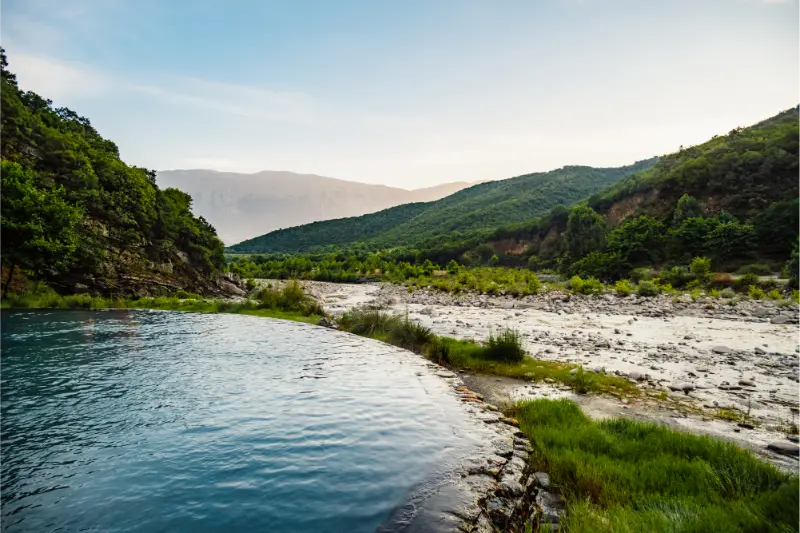
    Start in Përmet itself with the riverside, City Stone area and local food, then make Bënja Thermal Baths the main afternoon or late-morning experience. The thermal springs, Kadiu Bridge and entrance to Langarica Canyon belong together geographically, so do not split them across multiple rushed transfers. How far you explore into the canyon should depend on water level, weather and your footwear.

    Stream Hot Sulfuric Water Thermal Baths Permet Albania Langarica Canyon Kadiut Bridge 3

    How to pace day one

    Start with the stop that is most exposed, steep or important, then make lunch a real break. I keep the late afternoon deliberately looser because that is when delays, heat or an unexpectedly interesting place usually change the plan. If you are enjoying one neighborhood, beach or museum, remove the weakest later stop rather than rushing the experience in front of you.

    Day 2: go beyond the first-day checklist

    Use the second day for the wider Vjosa region. Active travelers can choose rafting with a reputable operator when conditions are appropriate. A cultural/nature alternative is Leusë, Frashër or Hotova–Dangëll National Park depending on transport and season. Keep enough time for a slow Përmet meal and local specialties rather than treating the town merely as a hotel base.

    The second day is also your weather buffer. If rain, wind or heat makes the planned excursion unattractive, swap the order, use indoor/cultural stops earlier or keep the day local. Two nights create enough flexibility that you do not need to force an outdoor activity in poor conditions.

    Do you need a car?

    A car or driver is highly useful because the strongest second-day experiences sit outside the compact town. If you are traveling without a car, arrange the thermal-bath transfer or an excursion locally rather than expecting frequent urban-style public transport.

    If you rent a car, check parking before arrival and leave it parked while exploring compact historic centers. If you travel without a car, use taxis or one organized excursion strategically; paying for one well-chosen transfer can be more efficient than renting a vehicle for two days.

    Where to stay for two nights

    For a short stay, location matters more than room size. Read the local Where to Stay guide before booking, then compare current accommodation in Permet on Booking.com. I prefer accommodation that reduces the hardest daily transfer—an old-town climb, a beach road, or a long walk to the bus stop.

    Stream Hot Sulfuric Water Thermal Baths Permet Albania Langarica Canyon Kadiut Bridge

    Arriving on day zero or the first morning

    If possible, arrive the evening before the itinerary begins. That gives you two complete days and lets you enjoy dinner and an orientation walk without sacrificing the first major attraction. If you arrive on the first morning, protect only the main day-one anchor and accept that the schedule may start later than planned.

    A slower version for families

    Bënja works well for families when river conditions are calm, but canyon walking is not automatically suitable for young children. Build the day around the thermal area and shorten the gorge exploration.

    With children I reduce the number of formal attractions, protect a long lunch and keep one open block each afternoon. A beach, river, park, thermal area or guesthouse garden counts as a real activity; it does not need to be filled with another ticketed sight.

    If you are traveling without a car

    Base yourself within walking distance of the evening area, because that removes the need to solve transport twice every day. For the regional second day, ask your accommodation about current buses, taxis, shared transfers or tours. Avoid building an itinerary around an old timetable screenshot: local transport and seasonal services can change.

    Best time for this 2-day itinerary

    Late spring and early autumn are the easiest all-round periods for most Albanian destinations because walking and road travel are more comfortable. Coastal destinations are at their most active in summer, while mountain itineraries depend on current trail and road conditions rather than a fixed calendar date. In winter, shorten daylight-dependent excursions and give more time to food and culture.

    How much should you book in advance?

    In July and August on the Riviera and during the main Alps hiking season, reserve the accommodation that solves your location or transport problem before arrival. Outside peak periods I keep the second-day activity flexible unless it depends on a boat, guide or fixed transfer. That balance protects you from both sold-out essentials and unnecessary overplanning.

    What to pack for 48 hours

    • Comfortable walking shoes appropriate to cobbles, hills or trails.
    • A compact rain layer and one warmer layer outside peak summer.
    • Sun protection and water for exposed castle, beach or mountain days.
    • Some Albanian lek for small purchases, parking, cafés or local transport.
    • Offline maps and screenshots of the accommodation and transport pickup points.
    • Swimwear only when the itinerary genuinely includes water; do not carry beach equipment through a museum day.

    Common mistakes

    • Treating two days as two one-day itineraries stacked together.
    • Changing hotels after only one night and losing the benefit of a two-day base.
    • Using the car for every short movement inside a compact historic center.
    • Scheduling the hardest outdoor activity after lunch in midsummer.
    • Assuming a seasonal boat, shuttle or high trail operates every day of the year.
    • Adding a distant famous attraction that turns the second day into mostly driving.

    How this compares with 1 day and 3 days

    If you only have one day, use the dedicated 1-day itinerary and keep the route compact.

    If you can stay longer, the 3-day itinerary adds another regional layer and makes the pace even easier.

    Useful planning guides

    Frequently asked questions

    Are 2 days enough for Permet?

    Yes for a first visit when you keep day one focused on the destination and use day two for one coherent regional experience.

    Do I need to change hotels?

    No. Keep the same base for both nights unless day two is intentionally a one-way transfer to your next destination.

    Should I rent a car?

    A car or driver is highly useful because the strongest second-day experiences sit outside the compact town. If you are traveling without a car, arrange the thermal-bath transfer or an excursion locally rather than expecting frequent urban-style public transport.

    What if it rains?

    Swap the day order, move museums and long meals into the wettest hours and keep exposed mountain, canyon, boat or beach activities flexible.

    Is this itinerary suitable for families?

    Bënja works well for families when river conditions are calm, but canyon walking is not automatically suitable for young children. Build the day around the thermal area and shorten the gorge exploration.

    Final advice

    The best two-day trip feels like one complete stay, not a sprint between two lists. Use the first day to understand the destination, sleep there, then let the second day broaden the story. That rhythm gives you the atmosphere that day-trippers miss while still keeping the itinerary efficient.

    A practical 48-hour rhythm

    I think of the visit as four half-days rather than forty-eight hours to fill. The first half-day establishes the place, the second is the best evening atmosphere, the third holds the major excursion and the fourth stays flexible for the stop you missed, a slower meal or an early departure. This structure absorbs travel delays without making the trip feel incomplete.

    If you are continuing elsewhere on the second evening, move the most important day-two activity into the morning and leave before dark when the road is unfamiliar. An itinerary is successful when you leave with energy and a clear memory of the place, not when you reach the numerical maximum of attractions.

    How to use the two evenings

    The two evenings are one of the main reasons to stay forty-eight hours. On the first evening I keep things local: a promenade, old-town walk, lakefront, guesthouse dinner or one viewpoint close to the accommodation. On the second evening I leave room for the place I liked most, a longer dinner or an early night before the next transfer. I do not book both evenings with fixed activities because weather, fatigue and transport delays are exactly what a two-night stay is supposed to absorb.

    Connecting this stop to your next destination

    Before the trip I decide whether day two ends back at the same hotel or becomes a one-way movement toward the next destination. If the onward route is short and simple, checking out in the morning and carrying luggage in the car can work. If the route involves buses, mountain shuttles, ferries or a long coastal drive, I keep the second night and leave the following morning. That choice protects the itinerary from turning its best afternoon into a race against the last connection.

    Food and meal timing

    I build both days around one proper meal rather than constant snack stops. In historic towns, lunch is a useful break from steep lanes and midday heat; on the coast, a later lunch can bridge the hottest beach hours; in the mountains, guesthouse dinner may be the social center of the stay. Food should support the rhythm of the itinerary, not become another list of places to cross the city for.

    Not sure how long to stay? Compare 1, 2 and 3 days before choosing this itinerary length.

  • 1 Day in Gjirokaster: Castle, Bazaar, Stone Houses and a Realistic Route

    1 Day in Gjirokaster: Castle, Bazaar, Stone Houses and a Realistic Route

    Gjirokastër is compact on a map and demanding on your legs. The old town climbs sharply up the slope below the castle, and trying to visit every museum house in one day turns a beautiful UNESCO city into a sequence of staircases. The better strategy is to choose one major fortress, one traditional house, the bazaar and enough unscheduled time to notice the stone roofs and views.

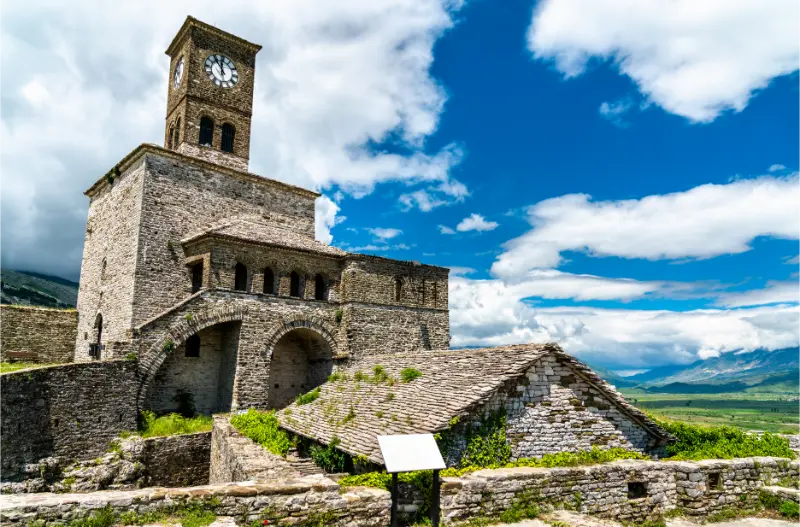
    Gjirokaster Castle Clock Tower UNESCO Site Albania

    This itinerary assumes a full day and favors walking, with taxis used when they genuinely save energy. If you have luggage, young children or reduced mobility, the exact location of your hotel matters more here than in many Albanian cities. Use my Gjirokastër travel guide for the bigger picture.

    Quick itinerary at a glance

    DayMorningAfternoonEvening
    MorningGjirokastër CastleViews over the Drino ValleyWalk down toward the bazaar
    AfternoonOld Bazaar and lunchSkenduli or another traditional houseSlow old-town lanes
    EveningQifqi or regional dinnerSunset viewpoint or relaxed bazaar walkOvernight in the old town if possible

    How to use this itinerary

    The schedule below is built around energy, heat and geography rather than a target number of attractions. I would rather see fewer places at the right time of day than collect more names while constantly looking for parking or the next bus. Use the sequence as a framework, then adjust it for weather, opening hours and the pace of the people traveling with you.

    For any time-sensitive element—museum hours, boat departures, mountain access, road works or seasonal transport—check the current information close to your travel date. Albania is developing quickly as a destination, and a timetable or access rule that was correct last season should not be treated as permanent.

    Morning: start above the city

    Gjirokastër Castle deserves the freshest part of the day

    Go to the castle early, either by walking up from the bazaar or using a taxi if you want to save your legs. The fortress is large enough that a rushed forty-minute stop misses the point. Walk the ramparts, look across the Drino Valley and choose museum sections according to your interests. My Gjirokastër Castle guide goes deeper into what is inside.

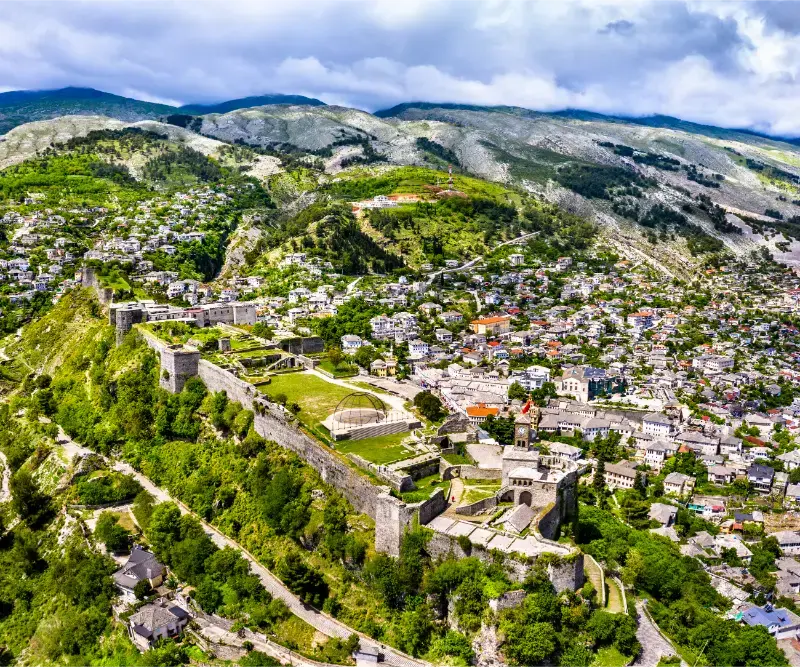
    View Upper Area Gjirokaster Castle Albania Mountainscape As Backdrop

    Use the view to understand the city

    From above, Gjirokastër’s steep geography becomes obvious. The old houses are not arranged on a flat historical center; they climb and drop across the hillside. That explains why a hotel that looks 400 meters away can feel much farther once you are carrying a suitcase. The view is practical orientation as much as sightseeing.

    Descend toward the bazaar without rushing

    The walk down is part of the experience. Stone-paved streets can be slippery when wet and awkward in smooth-soled shoes, so take your time. Stop for small views back toward the castle rather than treating the bazaar as the only destination.

    Afternoon and evening: choose one house, not all of them

    Lunch in or near the Old Bazaar

    The bazaar is the natural midday base. Eat before beginning another uphill museum visit and try a local dish such as qifqi if you see it. The area is commercial, but it still works as the social center of the old town and gives you a chance to slow the pace.

    Visit one traditional tower house in depth

    Choose a house museum such as Skenduli rather than racing between several similar properties. The value is in understanding how a wealthy Gjirokastër household used rooms, defensive features, guest spaces and decorative interiors. My Skenduli House guide can help you decide if that property fits your interests.

    Keep one hour for aimless streets

    After the house visit, deliberately stop chasing named attractions. Walk a few quieter lanes, look at stone roofs from different levels and return to the bazaar by a route you did not use in the morning. This is where Gjirokastër feels most distinctive.

    Evening: eat before the old town empties

    Finish with dinner in the historic area. If you are staying overnight, the evening is one of the reasons to do so: streets calm down, the castle remains above you and the old town feels less like a stop between Sarandë and Berat. If you are driving onward, leave before fatigue turns the mountain road into the hardest part of the day.

    Getting around

    Most of the old town is walkable but steep. Taxis are useful for the castle or a hotel high on the slope. Drivers should confirm parking directly with accommodation because the historic lanes are not designed for casual circling in search of a space.

    I also leave a buffer between the last substantial activity and any fixed onward transfer. A short distance on the map can hide summer traffic, a steep approach, a slow parking search or a road that is simply tiring after a full day. That buffer is particularly valuable when the next step is a ferry, airport transfer or mountain pickup that you cannot easily replace.

    Where to stay for this itinerary

    For atmosphere, the Old Bazaar, Palorto and nearby upper neighborhoods are compelling. For easier luggage and parking, lower-town accommodation may be more practical. See my guide to the best areas to stay in Gjirokastër before booking. When you are ready to compare live availability, check accommodation in Gjirokaster on Booking.com.

    For a short itinerary, location is usually worth more than a slightly larger room far away. Check the real walking route, not only the straight-line distance. In old towns and coastal destinations, hills, stairs, pedestrian streets and limited parking can turn a cheap room into repeated daily inconvenience.

    Best time to follow this plan

    Spring and autumn make the steep walking much more pleasant. In summer, visit the castle early and use lunch to avoid the hottest part of the day. Rain changes the experience because polished stone streets can become slippery, so footwear matters.

    Whatever the month, I would check the forecast again the evening before any outdoor-heavy day. That simple habit lets you swap a museum morning with a beach afternoon, move a castle visit away from peak heat or postpone a mountain hike when conditions are not worth forcing.

    Traveling with children or at a slower pace

    With children, the castle usually provides the most space and visual interest; one traditional house is enough. With reduced mobility, plan taxis for vertical movement and verify stairs inside museums and guesthouses before arrival.

    The easiest way to adapt the itinerary is to protect one anchor experience per day and remove the weakest secondary stop. That keeps the trip recognizable without making children, older travelers or anyone with limited stamina feel as if they are failing to keep up with a schedule designed for someone else.

    What to verify or book before arrival

    • Accommodation in the right part of town, especially in July and August or during major events.
    • Any fixed boat trip, mountain transfer or activity that has limited departures.
    • Current opening information for the one museum or archaeological site you most care about.
    • Parking instructions if your hotel is in an old town, beach zone or pedestrian area.
    • Your next-day transfer before dinner if you have an early bus, ferry or hiking pickup.

    Common mistakes that make a short stay worse

    • Planning by map distance alone. In Albania, traffic, mountain roads, summer congestion and parking can make a short-looking transfer take more energy than expected. Build the day around usable sightseeing time, not the theoretical distance.
    • Putting every famous sight into the same day. A strong itinerary leaves enough time for lunch, a coffee, a swim or simply walking without checking the clock every ten minutes.
    • Ignoring the hottest part of the afternoon. In summer, exposed castles, cobbled old towns and beaches can be far more enjoyable early or late in the day.
    • Assuming opening times and transport never change. Seasonal services, museum hours and boat departures can vary. Recheck the details that would break the day if they changed.
    • Choosing accommodation only by price. A cheaper room can cost you time every morning and evening if it is uphill, far from the old town, or awkward for parking and luggage.

    If you have more or less time

    With half a day, prioritize the castle, bazaar and one short old-town walk. With two days, add another museum house or a nearby excursion such as the Blue Eye, Antigonea or villages in the Drino Valley rather than packing everything into day one.

    I would not add a night simply because accommodation is inexpensive. Add it when the extra day creates a different experience: a real beach day, a village excursion, a mountain hike or enough time to see the destination after day-trippers leave. Likewise, if you cut a night, remove an entire excursion rather than compressing every remaining stop.

    Useful related guides

    Frequently asked questions

    Is one day enough for Gjirokaster?

    Yes for the castle, bazaar, one traditional house and a good walk. Staying overnight makes the experience calmer.

    Which house museum should I visit?

    Choose one based on interest and current opening. Skenduli is a strong option for understanding traditional domestic architecture.

    Are the streets difficult to walk?

    They are steep and often cobbled. Good shoes and a slower pace matter, especially in heat or rain.

    Do I need a car in Gjirokaster?

    No inside the old town. A car is useful for regional excursions, but parking can be awkward near historic accommodation.

    What local food should I try?

    Qifqi is one of the city’s characteristic dishes, and traditional restaurants around the old town often serve regional specialties.

    Final advice

    The best short itinerary is not the one with the most pins on a map. It is the one that gives each day a clear shape, leaves enough room for the place to surprise you and finishes before fatigue starts making every decision harder. Use this plan as a realistic first version, then remove anything that competes with the experience you personally came for.

    Want more options? See the complete things-to-do guide for attractions and activities that do not fit this one-day route.

    Staying longer? The 3-day Gjirokaster itinerary adds a deeper local day and a regional excursion without rushing.

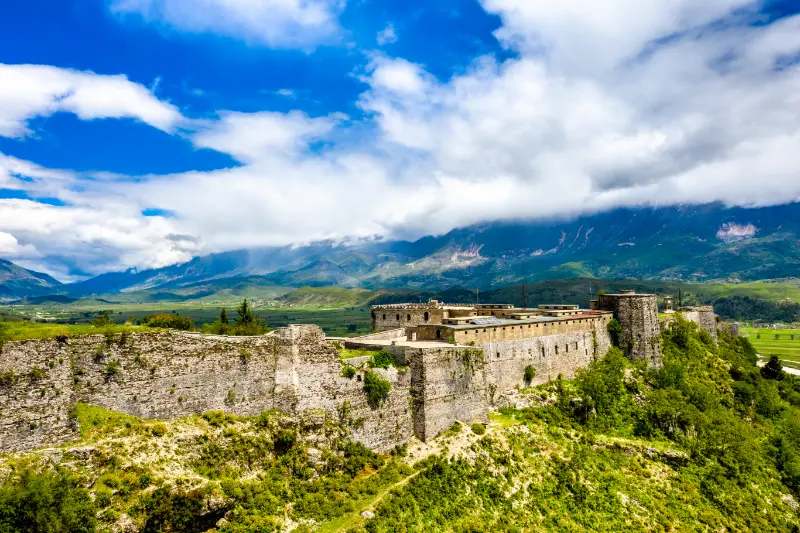
    Aerial View Gjirokaster Fortress Albania 2

    Staying 2 days? Use the dedicated 2-day itinerary for the balanced 48-hour version.

    Not sure how long to stay? Compare 1, 2 and 3 days before choosing this itinerary length.

  • 3 Days in Permet: Benja Thermal Baths, Langarica Canyon and the Vjosa

    3 Days in Permet: Benja Thermal Baths, Langarica Canyon and the Vjosa

    Three days in Përmet is ideal for travelers who want nature without constantly changing hotels. Benja and Langarica fill one strong day; the Vjosa and local villages give the stay depth beyond the thermal pools.

    Stream Hot Sulfuric Water Thermal Baths Permet Albania Langarica Canyon Kadiut Bridge

    This itinerary is designed for travelers who want to spend three nights or three full sightseeing days in Permet without turning the trip into a race. The order is deliberate: the first day stays close to the base, the second adds a stronger local experience, and the third is the flexible day for a regional excursion or weather-dependent activity.

    3 days at a glance

    DayPlan
    Day 1Përmet town, local food and the Vjosa
    Day 2Benja Thermal Baths and Langarica Canyon
    Day 3Vjosa rafting, Leusë or a village-and-food day

    Before you start

    For a first visit, read Permet Travel Guide and Where to Stay in Permet before booking. Location has a direct effect on how much of a three-day trip is spent walking versus arranging taxis, parking or luggage transfers.

    If your schedule is shorter, use the 1-day Permet itinerary instead. Three days should add depth, not simply stretch a one-day checklist across a longer stay.

    Day 1 — Përmet town, local food and the Vjosa

    Use the first day to settle into the small town rather than rushing straight to Benja. Walk the center and riverfront, sample the food traditions for which Përmet is known and use the evening to organize the next day’s transport. This is also the right time to ask about current river, canyon and road conditions if you are planning rafting or hiking.

    Keep the first day intentionally compact. Arrival delays, hotel check-in and orientation always consume more time than a map suggests. A strong first day leaves one or two optional stops rather than forcing you to skip lunch or reach the final attraction after closing time.

    Day 2 — Benja Thermal Baths and Langarica Canyon

    Make Benja the day’s main outdoor experience. The historic bridge, thermal pools and canyon entrance are close enough to combine naturally, but conditions matter. Water level, weather and your footwear determine how far into Langarica it makes sense to go. Bring water, protect electronics and do not treat the canyon like an urban promenade. Return to Përmet for a slow meal rather than adding another long drive.

    Stream Hot Sulfuric Water Thermal Baths Permet Albania Langarica Canyon Kadiut Bridge 3

    Treat this as the day to understand the destination beyond its postcard view. Start early, protect the middle of the day from unnecessary driving, and leave enough time for food and short unplanned stops. Three-day itineraries work best when one day has room to breathe.

    Day 3 — Vjosa rafting, Leusë or a village-and-food day

    When river conditions and operator schedules fit, rafting on the Vjosa creates the strongest active third day. Travelers who prefer culture and slower travel can use Leusë, nearby churches/villages and local food producers instead. This flexibility is why three days works so well: weather can change the order without ruining the stay.

    The third day is deliberately flexible because weather, season and onward travel often decide what makes sense. If the excursion lies in the same direction as your next destination, consider checking out first and turning the day into a one-way transfer instead of returning to the same hotel.

    If you prefer a slower itinerary

    If rafting is unavailable or not your style, make day three about villages, food and short scenic drives. In poor weather, avoid forcing canyon walking and use the town as a base for a slower cultural day.

    A slower version is not a failed itinerary. Remove one museum, one village or one beach and keep the time for a long lunch, café stop or sunset. Albania often rewards simple geographic grouping more than an aggressive attraction count.

    Getting around

    A car is useful but not essential if you arrange a taxi or local tour to Benja. Rafting companies typically organize their own activity logistics. The town itself is compact and walkable.

    When using intercity or seasonal transport, verify the current departure rather than relying on an old timetable. If a taxi or private driver saves two separate connections, compare the total cost for the group rather than only the cheapest single ticket.

    Where to stay for this itinerary

    Compare accommodation in Permet on Booking.com.

    Use the dedicated accommodation guide to choose the most practical area. For a three-day stay, paying slightly more for a walkable location can be better value than saving on the room and using taxis several times a day.

    Best time for this 3-day plan

    Late spring to early autumn is easiest for nature days, but water levels change the specific experience. Summer heat makes early starts important. Always check canyon and river conditions locally.

    Whatever the month, check the short-range forecast before the weather-sensitive day and swap day two/day three if necessary. That is one of the biggest advantages of having three days in one base.

    How to adapt this itinerary without a car

    Keep the first day unchanged. For the regional days, use direct buses where they make geographic sense, otherwise compare a taxi/driver or a small-group excursion. Do not build a day around three uncertain connections just to avoid paying for a straightforward transfer. If public transport would leave you with only two useful hours at the destination, choose a closer excursion.

    How to adapt it for families

    Families should protect the middle of the day in hot weather and avoid making all three days ‘major attraction’ days. Keep one afternoon intentionally light, choose accommodation with easy vehicle or pedestrian access, and treat a beach, park, lake or thermal stop as a real activity rather than a gap between monuments.

    What to do if it rains

    Move museums, historic houses and long meals into the wettest hours, and keep exposed viewpoints, boat trips, canyon walks or mountain drives flexible. A three-day stay gives you enough room to swap the order. Do not force a marine or mountain activity merely because it was originally assigned to day three.

    Common mistakes

    • Treating Benja as only a quick roadside pool.
    • Entering the canyon without suitable footwear or weather awareness.
    • Assuming rafting conditions are identical every month.
    • Skipping Përmet’s food culture because nature seems more photogenic.
    • Driving long rural routes after dark without a good reason.

    Useful planning links

    Frequently asked questions

    Are 3 days in Permet too much?

    No. Nature, food and the Vjosa easily justify a relaxed three-day stay.

    Can I visit Benja without a car?

    Yes, by taxi or arranged excursion.

    Is Langarica Canyon always accessible?

    Conditions vary with water and weather, so check locally before entering.

    Should I raft the Vjosa?

    It is an excellent option when current conditions and your comfort level suit it.

    Where should I stay?

    Central Përmet is practical for restaurants and arranging excursions.

    Final advice

    Three days in Permet works best when the destination is used as a base rather than a checklist. Keep one day local, one day focused on the area’s defining experience and one day flexible for the wider region. That structure gives you enough depth to understand the place while still making the itinerary practical if weather, transport or energy levels change.

    Arriving and departing: how to protect the three full days

    If possible, arrive in Permet the evening before day one. That gives you three genuinely useful sightseeing days rather than spending the first morning checking out of another hotel, waiting for transport and storing luggage. If that is not possible, keep day one exactly as written and remove an optional stop instead of pushing the entire schedule later.

    On departure day, separate sightseeing from logistics. Check-out, parking, fuel, intercity terminals and luggage storage can easily consume an hour or more. A final coffee or short walk is a better plan than a major attraction that must be abandoned halfway because the bus or transfer is leaving.

    How much should you actually fit into each day?

    The town is small; almost all real travel time comes from nature excursions. That makes it especially important not to schedule two distant outdoor activities on the same day.

    A realistic target is two major anchors plus meals, walking and one or two minor stops. More than that often creates the illusion of seeing more while actually spending the day watching the clock. If you finish early, add a viewpoint, café, market or waterfront walk spontaneously; those are easier to add than to cancel a prepaid excursion.

    What should be booked in advance?

    Book the accommodation first, then any activity that has limited capacity or depends on a specific departure: boat trips, rafting, popular guided excursions or a private driver. Ordinary city walking, viewpoints and most self-guided historic areas do not need a minute-by-minute reservation plan. Keep at least one half day flexible so weather can move the outdoor activity.

    For summer weekends and major event dates, reserve the room and key transport earlier than usual. In quieter months, flexible cancellation can be more valuable than locking the entire trip months ahead. Always confirm current opening information for museums, archaeological sites and seasonal services shortly before travel.

    How this 3-day stop fits into a longer Albania itinerary

    Përmet connects naturally with Gjirokastër or Korçë depending on the route. Keep the final day flexible because canyon/river conditions may determine whether you leave after an activity or stay for a slower food-and-village day.

    The best Albania itineraries minimize repeated road sections. Look at the map before finalizing day three: if the excursion lies in the same direction as the next destination, check out in the morning and carry your luggage rather than returning to the same base simply because the first draft called it a ‘day trip’.

    Staying 2 days? Use the dedicated 2-day itinerary for the balanced 48-hour version.

    Not sure how long to stay? Compare 1, 2 and 3 days before choosing this itinerary length.

  • 1 Day in Dhërmi: Old Village, Ionian Beach and a Relaxed Riviera Itinerary

    1 Day in Dhërmi: Old Village, Ionian Beach and a Relaxed Riviera Itinerary

    One day in Dhërmi works best when you divide it between the historic village above the coast and one main beach below. The biggest mistake is spending the day moving the car between Dhërmi Beach, Drymades, Palasë and Gjipe. Pick one swimming base, use the cooler morning for the old village and leave sunset for the coast.

    The schedule below is designed around realistic travel friction rather than the maximum number of pins you can place on a map. In a one-day visit, parking, walking, lunch and the return journey are part of the itinerary. I would rather finish one place properly than spend the afternoon moving between attractions for ten-minute stops.

    One-day itinerary at a glance

    TimePlanWhy it fits
    08:30–10:30Old DhërmiStone lanes, churches and mountain-to-sea views.
    10:30–11:00Transfer to the coastPark once for the beach block.
    11:00–14:00Dhërmi Beach or DrymadesChoose one, swim and settle in.
    14:00–15:30LunchLong Riviera lunch rather than beach-hopping.
    15:30–18:30Beach / water activityStay in the same zone.
    18:30 onwardSunset + dinnerFinish by the sea or return to the old village.

    Step-by-step itinerary

    See Old Dhërmi before the heat builds

    The historic village is the part many beach-only visitors skip. Start among the stone houses and churches while the light is softer and the uphill walking is more comfortable. The elevated position gives you the essential Riviera geography: mountains behind you and the Ionian coast below. Do not try to inspect every church interior; openings can vary. The point is to understand the settlement before moving down to the resort coastline.

    Choose Dhërmi Beach for convenience or Drymades for a longer beach block

    Dhërmi Beach gives you the classic developed summer scene with restaurants, water activities and easy access to services. Drymades feels like a separate coastal base and works well when the whole afternoon is about the sea. The Best Beaches in Dhërmi and Palasë compares the options. Choose one for the day rather than repeatedly moving the car.

    Make lunch part of the Riviera experience

    A long lunch is not wasted beach time. It gives you shade during the hottest part of the day, reduces unnecessary driving and lets the trip feel like a holiday rather than a checklist. If you are staying in the old village, this is also a good point to decide whether you want dinner above or below.

    Use the afternoon for swimming, paddling or a simple coastal walk

    The second half of the day should remain deliberately uncomplicated. Swim, rent a suitable water activity if conditions are good, or walk along the accessible parts of the coast. If you have only one day, there is little value in changing beaches simply to say you visited another name.

    Treat Gjipe as a replacement day, not a quick extra

    Gjipe is one of the Riviera’s most memorable beaches, but its access makes it a proper excursion. If Gjipe is your priority, use the Gjipe Canyon and Beach Guide and replace the standard Dhërmi beach block. Do not combine old Dhërmi, a full Gjipe visit, Drymades and nightlife in one compressed day.

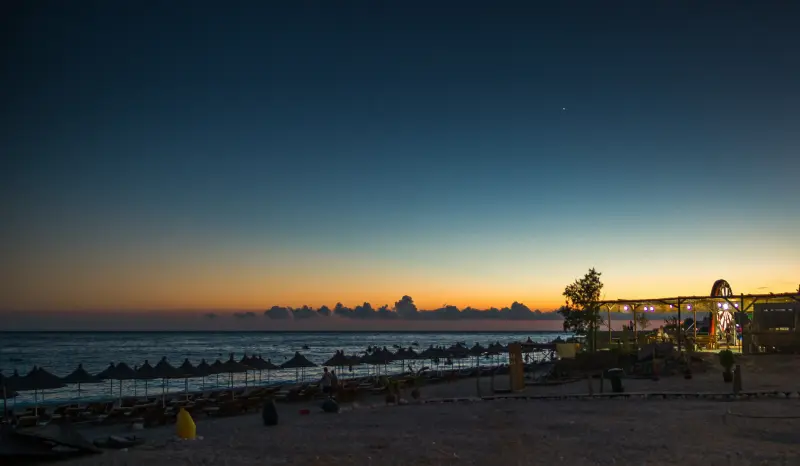
    Dhermi Beach Albanian Riviera

    Stay for sunset if you are not driving far afterward

    Dhërmi’s final light is one of the easiest ways to improve a one-day visit. If you are sleeping locally, let the day slow down. If you must continue toward Himarë, Sarandë or Vlorë, leave enough daylight for the road and do not turn sunset into a late, tired drive.

    Can you do this without a car?

    A car is helpful because the old village and beach are vertically separated, but parking in summer can be the limiting factor. If you stay close to the beach, use the car once for Old Dhërmi and then park it.

    If you are using buses or shuttles, verify the return before you start the sightseeing day. A one-day itinerary has much less tolerance for a missed last service than a two-night stay. When the final attraction is outside the center, a taxi can be a sensible one-off expense rather than a reason to rent a car for the entire trip.

    One day with children

    Families should favor one easy beach with shade/services and keep Old Dhërmi brief. Gjipe is better for older children who are comfortable with the access effort.

    Hiking Trail Gjipe Beach Dhermi Albanian Riviera Ionian Sea

    The family version should normally remove one stop, not simply move faster. Build in toilets, shade, food and a place where children can move without worrying about traffic or fragile heritage. On hot coastal days, protect the middle of the afternoon rather than scheduling the most exposed walk at 14:00.

    What to do if the weather changes

    If the sea is rough or thunderstorms are possible, make the village/culture block larger and avoid committing to a boat or exposed cove. Beach weather should be checked on the day.

    Check the short-range forecast the evening before and again in the morning. In the mountains, current local advice should outweigh a generic app. On the coast, wind can matter as much as rain because it changes swimming and boat conditions. In heritage towns, wet stone and steep lanes can be the main practical problem.

    Where to stay if you turn the day trip into an overnight

    Compare current accommodation in Dhermi on Booking.com.

    For location strategy, use the local Where to Stay guide. A one-night stay is often worth more than an extra attraction because it gives you the evening and early morning without the pressure of the return journey.

    Useful planning guides

    If you are driving, also read the driving and parking guide before arrival.

    If you have two days instead

    With an extra day, do not simply repeat the same route more slowly. Use the two-day itinerary to add the major hike, neighboring beach or regional excursion that would make this one-day plan too crowded.

    Tours and activities

    Organized activities can be useful when they solve transport or add a specialist guide, but they are not mandatory for the basic one-day itinerary. Compare the meeting point and total duration with what you can comfortably do independently.

    What to pack for one day

    • Comfortable shoes matched to the terrain rather than only to the weather.
    • Water and sun protection from late spring through early autumn.
    • A light rain/wind layer for mountains, coast and shoulder season.
    • Some Albanian lek for small cafés, parking or local transport.
    • Offline maps and the return transport details saved on your phone.
    • Swimwear only when the itinerary genuinely includes the coast or safe swimming.

    Common one-day mistakes

    • Adding a second major excursion simply because it looks close on the map.
    • Planning the day around an old bus timetable without checking the return.
    • Ignoring parking or the final walk from the road to the attraction.
    • Skipping lunch and then losing time searching for food late in the afternoon.
    • Treating mountain, beach or heritage access as identical in every season.
    • Leaving the most important stop until the final hour before departure.

    Is one day enough?

    One day is enough for Old Dhërmi plus one beach. Two nights are better if you also want Gjipe, Palasë, Drymades and nightlife without constant driving.

    Dhermi Beach Resort At Dawn Albania

    If you are deciding how to divide a longer Albania trip, use How Many Days in Albania? to compare the value of extra nights across the country. The best itinerary is not the one with the most destinations; it is the one where transfers do not consume the experiences you traveled for.

    Frequently asked questions

    What time should I start?

    For a true one-day visit, start in the morning. On mountain or castle days, an early start also gives you cooler walking and more weather margin. On a pure beach day, arriving early helps with parking and shade.

    Should I book attractions in advance?

    Usually the key bookings are accommodation, major tours, mountain transfers or boat activities rather than every small sight. Verify current opening information for museums, castles or religious interiors before building the day around them.

    Can I do this as a day trip from Tirana?

    That depends on the destination. Elbasan, Lezhë and Golem are much easier than Theth, Valbona or the southern Riviera. A long transfer can turn a technically possible day trip into a poor use of time.
    Is a guided tour worth it?

    It can be when transport is complicated or historical context is important. For a compact beach or village day, independent travel is often enough.

    What if I arrive after lunch?

    Use the first two or three stops only. Do not try to compress a full-day schedule into four hours; choose the destination’s defining experience and protect time for the return.

    Final advice

    A successful one-day itinerary has a clear priority, one flexible block and enough margin to enjoy the place. Start with the activity that would disappoint you most if you missed it, keep lunch and transport realistic, and drop optional stops when the day becomes slower than expected. That is how a short visit still feels like travel rather than logistics.

    If you only have half a day

    Cut the itinerary at the middle rather than rushing every stop. Keep the defining experience, one good meal or break, and enough time for the return journey. A half-day visit works best when you accept that the destination deserves a second visit rather than treating the missing stops as a failure.

  • 3 Days in Berat: UNESCO Old Town, Castle and Osum Canyon

    3 Days in Berat: UNESCO Old Town, Castle and Osum Canyon

    Three days in Berat lets you separate the UNESCO city from the surrounding landscapes. That is far more rewarding than rushing the castle, old quarters and Osum Canyon into one exhausting day.

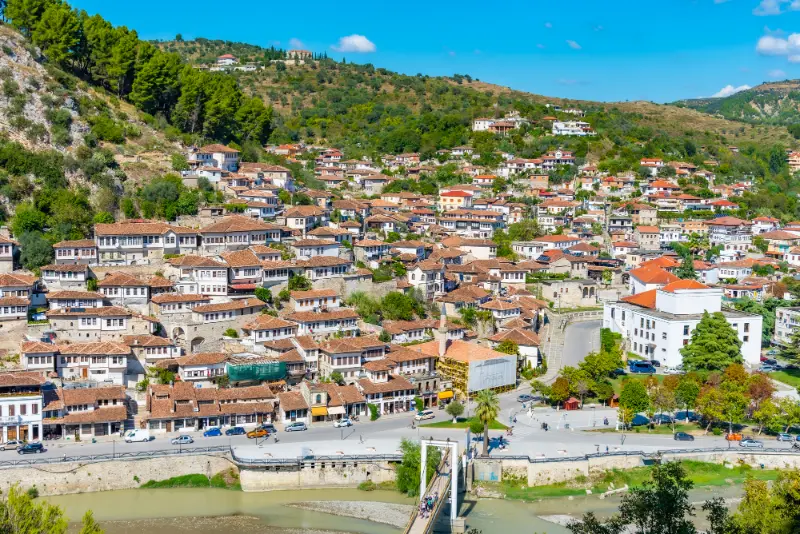
    Aerial View Of Berat Old Town

    This itinerary is designed for travelers who want to spend three nights or three full sightseeing days in Berat without turning the trip into a race. The order is deliberate: the first day stays close to the base, the second adds a stronger local experience, and the third is the flexible day for a regional excursion or weather-dependent activity.

    3 days at a glance

    DayPlan
    Day 1Mangalem, Gorica and the riverfront
    Day 2Berat Castle, Onufri and the inhabited fortress
    Day 3Osum Canyon, Mount Tomorr or a slow countryside day

    Before you start

    For a first visit, read Berat Travel Guide and Where to Stay in Berat before booking. Location has a direct effect on how much of a three-day trip is spent walking versus arranging taxis, parking or luggage transfers.

    If your schedule is shorter, use the 1-day Berat itinerary instead. Three days should add depth, not simply stretch a one-day checklist across a longer stay.

    Day 1 — Mangalem, Gorica and the riverfront

    Use the first day to understand Berat at street level. Walk Mangalem slowly, cross Gorica Bridge and explore both sides of the Osum rather than treating the famous windows as a single viewpoint. Add the main religious and civic monuments that fit your pace, then stop for lunch before the afternoon heat. In the evening, return to the riverfront when the old houses catch softer light. This is the easiest day to keep car-free and it gives you context before climbing to the castle.

    Albanian Old Berat View Berat Castle Walls Tiled Roofs Houses

    Keep the first day intentionally compact. Arrival delays, hotel check-in and orientation always consume more time than a map suggests. A strong first day leaves one or two optional stops rather than forcing you to skip lunch or reach the final attraction after closing time.

    Day 2 — Berat Castle, Onufri and the inhabited fortress

    Start the castle early. Berat’s fortress is not just walls and a viewpoint; it remains an inhabited district with churches, ruins, lanes and the Onufri Museum. Give it a half day rather than an hour. Walk down slowly or use a taxi if heat, knees or luggage make the steep route unpleasant. The late afternoon can be used for a winery visit, a long meal or a quieter return to Gorica. If wine is important, book a tasting rather than assuming every cellar accepts walk-ins.

    Treat this as the day to understand the destination beyond its postcard view. Start early, protect the middle of the day from unnecessary driving, and leave enough time for food and short unplanned stops. Three-day itineraries work best when one day has room to breathe.

    Day 3 — Osum Canyon, Mount Tomorr or a slow countryside day

    Osum Canyon is the classic nature extension, especially when your itinerary continues toward Çorovodë. The experience changes with water levels and season: rafting is not the same product year-round. Mount Tomorr is a different outing with mountain roads and panoramic scenery. Choose one. Travelers without a car can use an organized excursion; drivers should not underestimate the extra road time. If weather is poor, keep day three closer to Berat with food, wine and villages instead of forcing a canyon plan.

    Berat Old Town And Osumi River Albania

    The third day is deliberately flexible because weather, season and onward travel often decide what makes sense. If the excursion lies in the same direction as your next destination, consider checking out first and turning the day into a one-way transfer instead of returning to the same hotel.

    If you prefer a slower itinerary

    Travelers who dislike long road days can make the third day about local wine and countryside rather than Osum Canyon. In hot summer weather, put the castle early and leave Mangalem/Gorica for later. With children, one nature excursion is enough.

    A slower version is not a failed itinerary. Remove one museum, one village or one beach and keep the time for a long lunch, café stop or sunset. Albania often rewards simple geographic grouping more than an aggressive attraction count.

    Getting around

    The old town itself is walkable but steep. Taxis are useful for the castle and luggage. A car or organized excursion is valuable for Osum Canyon, Mount Tomorr and wineries outside the urban core.

    When using intercity or seasonal transport, verify the current departure rather than relying on an old timetable. If a taxi or private driver saves two separate connections, compare the total cost for the group rather than only the cheapest single ticket.

    Where to stay for this itinerary

    Compare accommodation in Berat on Booking.com.

    Use the dedicated accommodation guide to choose the most practical area. For a three-day stay, paying slightly more for a walkable location can be better value than saving on the room and using taxis several times a day.

    Best time for this 3-day plan

    April to June and September to October are excellent. Summer requires early castle hours. Spring water levels can change the Osum experience; always confirm the specific activity you want.

    Whatever the month, check the short-range forecast before the weather-sensitive day and swap day two/day three if necessary. That is one of the biggest advantages of having three days in one base.

    How to adapt this itinerary without a car

    Keep the first day unchanged. For the regional days, use direct buses where they make geographic sense, otherwise compare a taxi/driver or a small-group excursion. Do not build a day around three uncertain connections just to avoid paying for a straightforward transfer. If public transport would leave you with only two useful hours at the destination, choose a closer excursion.

    How to adapt it for families

    Families should protect the middle of the day in hot weather and avoid making all three days ‘major attraction’ days. Keep one afternoon intentionally light, choose accommodation with easy vehicle or pedestrian access, and treat a beach, park, lake or thermal stop as a real activity rather than a gap between monuments.

    What to do if it rains

    Move museums, historic houses and long meals into the wettest hours, and keep exposed viewpoints, boat trips, canyon walks or mountain drives flexible. A three-day stay gives you enough room to swap the order. Do not force a marine or mountain activity merely because it was originally assigned to day three.

    Common mistakes

    • Treating the castle as a one-hour viewpoint.
    • Climbing steep streets with luggage when a taxi is inexpensive.
    • Assuming rafting runs the same way in every month.
    • Trying to combine Osum Canyon and Mount Tomorr in one normal sightseeing day.
    • Staying only on one side of the river and missing Gorica.

    Useful planning links

    Frequently asked questions

    Are 3 days in Berat worth it?

    Yes if you want one day for the wider region instead of only the UNESCO center.

    Can I do Osum Canyon without a car?

    Yes, an organized excursion is often the simplest option.

    Where should I stay?

    Mangalem and Gorica are atmospheric; the flatter center can be easier with luggage.

    Is the castle walk difficult?

    It is steep, especially in heat. A taxi uphill and walk down is a sensible alternative.

    Should I choose Osum Canyon or Mount Tomorr?

    Choose the canyon for river scenery and activities; choose Tomorr for mountains and panoramic driving.

    Final advice

    Three days in Berat works best when the destination is used as a base rather than a checklist. Keep one day local, one day focused on the area’s defining experience and one day flexible for the wider region. That structure gives you enough depth to understand the place while still making the itinerary practical if weather, transport or energy levels change.

    Arriving and departing: how to protect the three full days

    If possible, arrive in Berat the evening before day one. That gives you three genuinely useful sightseeing days rather than spending the first morning checking out of another hotel, waiting for transport and storing luggage. If that is not possible, keep day one exactly as written and remove an optional stop instead of pushing the entire schedule later.

    On departure day, separate sightseeing from logistics. Check-out, parking, fuel, intercity terminals and luggage storage can easily consume an hour or more. A final coffee or short walk is a better plan than a major attraction that must be abandoned halfway because the bus or transfer is leaving.

    How much should you actually fit into each day?

    The main limiting factor is slope and heat, not distance. A short uphill walk can consume more energy than several flat kilometers along the river.

    A realistic target is two major anchors plus meals, walking and one or two minor stops. More than that often creates the illusion of seeing more while actually spending the day watching the clock. If you finish early, add a viewpoint, café, market or waterfront walk spontaneously; those are easier to add than to cancel a prepaid excursion.

    What should be booked in advance?

    Book the accommodation first, then any activity that has limited capacity or depends on a specific departure: boat trips, rafting, popular guided excursions or a private driver. Ordinary city walking, viewpoints and most self-guided historic areas do not need a minute-by-minute reservation plan. Keep at least one half day flexible so weather can move the outdoor activity.

    For summer weekends and major event dates, reserve the room and key transport earlier than usual. In quieter months, flexible cancellation can be more valuable than locking the entire trip months ahead. Always confirm current opening information for museums, archaeological sites and seasonal services shortly before travel.

    How this 3-day stop fits into a longer Albania itinerary

    Berat combines naturally with Gjirokastër, Përmet or Vlorë. If your next stop is Gjirokastër, keep Osum Canyon only if you have enough daylight and do not create a long zigzag. If you are heading toward Vlorë, a winery/countryside day is easier to integrate than Mount Tomorr.

    The best Albania itineraries minimize repeated road sections. Look at the map before finalizing day three: if the excursion lies in the same direction as the next destination, check out in the morning and carry your luggage rather than returning to the same base simply because the first draft called it a ‘day trip’.

    Staying 2 days? Use the dedicated 2-day itinerary for the balanced 48-hour version.

    Not sure how long to stay? Compare 1, 2 and 3 days before choosing this itinerary length.

  • 2 Days in Gjirokastër: Castle, Bazaar, Historic Houses and the Drino Valley

    2 Days in Gjirokastër: Castle, Bazaar, Historic Houses and the Drino Valley

    Two days in Gjirokaster is long enough to see the essential sights without turning the visit into a race. The key is to make the second day feel different from the first: one day for the destination itself, one day for the landscape, beach, village or regional experience that explains why staying overnight is worthwhile.

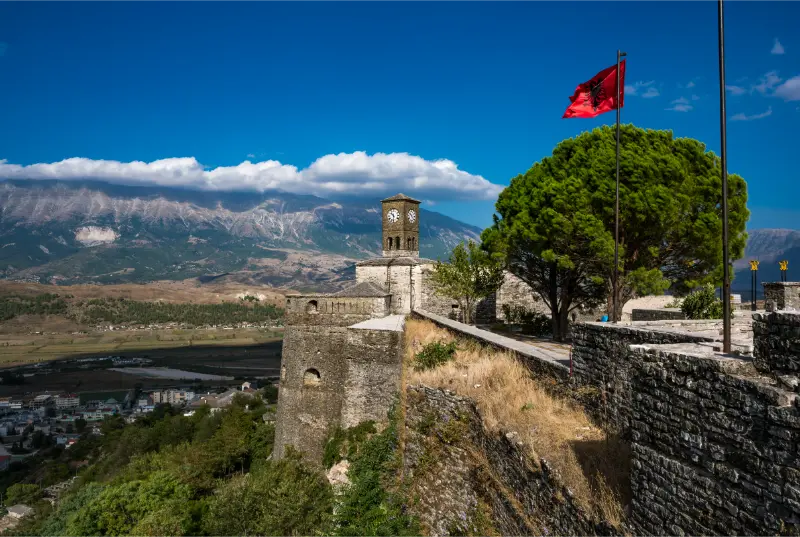
    Clock Tower Waving Albanian Flag Gjirokaster Citadel Castle Attraction Albania

    This itinerary is designed for a first visit. It assumes you want a realistic pace, time for meals and an evening in the destination—not a schedule that treats every viewpoint, museum and beach as a box to tick.

    2-day itinerary at a glance

    DayMain focusWhy it works
    Day 1Core destinationSee the essential sights while your energy is highest
    Day 2Regional / slower experienceAdd nature, coast, villages or an excursion instead of repeating day one

    Day 1: the essential experience

    Begin at Gjirokastër Castle before the steep stone lanes become hot and busy. Spend enough time inside to understand the fortress and the Drino Valley views, then descend through the Old Bazaar. After lunch, choose one major historic house such as Skenduli or Zekate rather than trying to enter every museum house. Finish with the bazaar and a traditional dinner when the day-trip crowds have thinned.

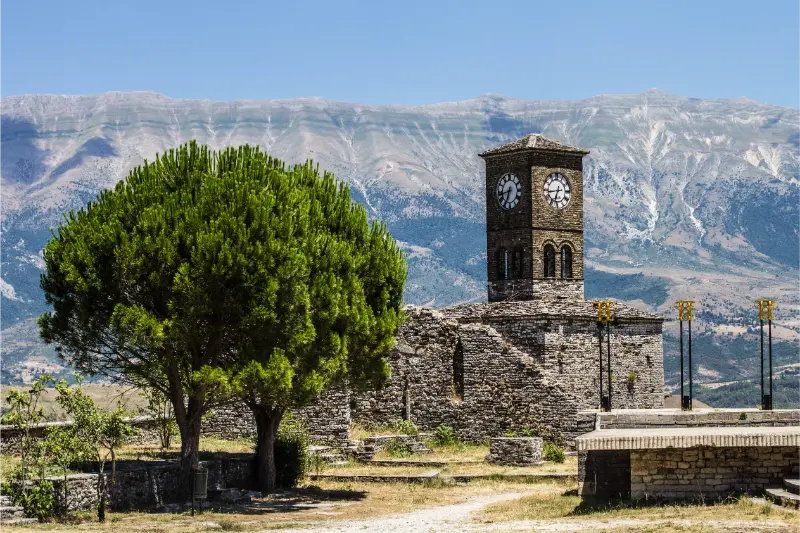
    Clock Tower Castle Gjirokaster UNESCO World Heritage Albania 2

    How to pace day one

    Start with the stop that is most exposed, steep or important, then make lunch a real break. I keep the late afternoon deliberately looser because that is when delays, heat or an unexpectedly interesting place usually change the plan. If you are enjoying one neighborhood, beach or museum, remove the weakest later stop rather than rushing the experience in front of you.

    Day 2: go beyond the first-day checklist

    Make the second day different from the first. A local-history version combines Antigonea with Libohovë and rural scenery. A southbound version uses the Blue Eye as a major stop if you are continuing toward Sarandë. Travelers without a car can also keep day two slower, add the Ethnographic Museum, Ali Pasha Bridge walk and extra time in the old neighborhoods.

    The second day is also your weather buffer. If rain, wind or heat makes the planned excursion unattractive, swap the order, use indoor/cultural stops earlier or keep the day local. Two nights create enough flexibility that you do not need to force an outdoor activity in poor conditions.

    Do you need a car?

    A car is unnecessary for day one and can be awkward in the steep historic center. It becomes valuable for Antigonea, Libohovë, the Blue Eye or continuing to Përmet or Sarandë.

    If you rent a car, check parking before arrival and leave it parked while exploring compact historic centers. If you travel without a car, use taxis or one organized excursion strategically; paying for one well-chosen transfer can be more efficient than renting a vehicle for two days.

    Where to stay for two nights

    For a short stay, location matters more than room size. Read the local Where to Stay guide before booking, then compare current accommodation in Gjirokaster on Booking.com. I prefer accommodation that reduces the hardest daily transfer—an old-town climb, a beach road, or a long walk to the bus stop.

    Clock Tower Castle Gjirokaster UNESCO World Heritage Albania

    Arriving on day zero or the first morning

    If possible, arrive the evening before the itinerary begins. That gives you two complete days and lets you enjoy dinner and an orientation walk without sacrificing the first major attraction. If you arrive on the first morning, protect only the main day-one anchor and accept that the schedule may start later than planned.

    A slower version for families

    Families should use taxis strategically for the steepest transfers. One castle, one historic house and one slow meal are enough anchors for the first day.

    With children I reduce the number of formal attractions, protect a long lunch and keep one open block each afternoon. A beach, river, park, thermal area or guesthouse garden counts as a real activity; it does not need to be filled with another ticketed sight.

    If you are traveling without a car

    Base yourself within walking distance of the evening area, because that removes the need to solve transport twice every day. For the regional second day, ask your accommodation about current buses, taxis, shared transfers or tours. Avoid building an itinerary around an old timetable screenshot: local transport and seasonal services can change.

    Best time for this 2-day itinerary

    Late spring and early autumn are the easiest all-round periods for most Albanian destinations because walking and road travel are more comfortable. Coastal destinations are at their most active in summer, while mountain itineraries depend on current trail and road conditions rather than a fixed calendar date. In winter, shorten daylight-dependent excursions and give more time to food and culture.

    How much should you book in advance?

    In July and August on the Riviera and during the main Alps hiking season, reserve the accommodation that solves your location or transport problem before arrival. Outside peak periods I keep the second-day activity flexible unless it depends on a boat, guide or fixed transfer. That balance protects you from both sold-out essentials and unnecessary overplanning.

    What to pack for 48 hours

    • Comfortable walking shoes appropriate to cobbles, hills or trails.
    • A compact rain layer and one warmer layer outside peak summer.
    • Sun protection and water for exposed castle, beach or mountain days.
    • Some Albanian lek for small purchases, parking, cafés or local transport.
    • Offline maps and screenshots of the accommodation and transport pickup points.
    • Swimwear only when the itinerary genuinely includes water; do not carry beach equipment through a museum day.

    Common mistakes

    • Treating two days as two one-day itineraries stacked together.
    • Changing hotels after only one night and losing the benefit of a two-day base.
    • Using the car for every short movement inside a compact historic center.
    • Scheduling the hardest outdoor activity after lunch in midsummer.
    • Assuming a seasonal boat, shuttle or high trail operates every day of the year.
    • Adding a distant famous attraction that turns the second day into mostly driving.

    How this compares with 1 day and 3 days

    If you only have one day, use the dedicated 1-day itinerary and keep the route compact.

    If you can stay longer, the 3-day itinerary adds another regional layer and makes the pace even easier.

    Useful planning guides

    Frequently asked questions

    Are 2 days enough for Gjirokaster?

    Yes for a first visit when you keep day one focused on the destination and use day two for one coherent regional experience.

    Do I need to change hotels?

    No. Keep the same base for both nights unless day two is intentionally a one-way transfer to your next destination.
    Should I rent a car?

    A car is unnecessary for day one and can be awkward in the steep historic center. It becomes valuable for Antigonea, Libohovë, the Blue Eye or continuing to Përmet or Sarandë.

    What if it rains?

    Swap the day order, move museums and long meals into the wettest hours and keep exposed mountain, canyon, boat or beach activities flexible.

    Is this itinerary suitable for families?

    Families should use taxis strategically for the steepest transfers. One castle, one historic house and one slow meal are enough anchors for the first day.

    Final advice

    The best two-day trip feels like one complete stay, not a sprint between two lists. Use the first day to understand the destination, sleep there, then let the second day broaden the story. That rhythm gives you the atmosphere that day-trippers miss while still keeping the itinerary efficient.

    A practical 48-hour rhythm

    I think of the visit as four half-days rather than forty-eight hours to fill. The first half-day establishes the place, the second is the best evening atmosphere, the third holds the major excursion and the fourth stays flexible for the stop you missed, a slower meal or an early departure. This structure absorbs travel delays without making the trip feel incomplete.

    If you are continuing elsewhere on the second evening, move the most important day-two activity into the morning and leave before dark when the road is unfamiliar. An itinerary is successful when you leave with energy and a clear memory of the place, not when you reach the numerical maximum of attractions.

    How to use the two evenings

    The two evenings are one of the main reasons to stay forty-eight hours. On the first evening I keep things local: a promenade, old-town walk, lakefront, guesthouse dinner or one viewpoint close to the accommodation. On the second evening I leave room for the place I liked most, a longer dinner or an early night before the next transfer. I do not book both evenings with fixed activities because weather, fatigue and transport delays are exactly what a two-night stay is supposed to absorb.

    Connecting this stop to your next destination

    Before the trip I decide whether day two ends back at the same hotel or becomes a one-way movement toward the next destination. If the onward route is short and simple, checking out in the morning and carrying luggage in the car can work. If the route involves buses, mountain shuttles, ferries or a long coastal drive, I keep the second night and leave the following morning. That choice protects the itinerary from turning its best afternoon into a race against the last connection.
    Food and meal timing

    I build both days around one proper meal rather than constant snack stops. In historic towns, lunch is a useful break from steep lanes and midday heat; on the coast, a later lunch can bridge the hottest beach hours; in the mountains, guesthouse dinner may be the social center of the stay. Food should support the rhythm of the itinerary, not become another list of places to cross the city for.

    Not sure how long to stay? Compare 1, 2 and 3 days before choosing this itinerary length.

  • Kruje Self-Guided Walking Tour: Old Bazaar, Castle and Skanderbeg Heritage

    Kruje Self-Guided Walking Tour: Old Bazaar, Castle and Skanderbeg Heritage

    Krujë has one of Albania’s clearest self-guided routes: the Old Bazaar leads uphill to the castle, where the Skanderbeg Museum, traditional architecture and viewpoints sit inside one compact complex. Navigation is easy; the main decision is how much museum time to add.

    Castle Kruja Albania Skanderbeg Old Bazaar Traditional Things

    The core route takes 2.5–3.5 hours depending on museums and uses compact but uphill on cobbled streets. The best timing is early morning or late afternoon outside the busiest day-trip period. The estimate does not include a long museum visit or a full restaurant meal.

    Route at a glance

    QuestionAnswer
    Core walking time2.5–3.5 hours depending on museums
    Terraincompact but uphill on cobbled streets
    Best timingearly morning or late afternoon outside the busiest day-trip period
    NavigationEasy with an offline map
    Best forFirst-time visitors who want to understand the city at street level

    Before you start

    Save the next few stops offline before leaving the hotel. A self-guided route is most enjoyable when you are not staring at the phone at every corner. Wear shoes that match the surface: polished stone, cobbles and steep castle lanes matter more than distance in several Albanian historic towns.

    Treat the route as a framework rather than a contract. If one museum becomes unexpectedly interesting, stay longer and remove a weaker later stop. The aim is to understand the destination, not to complete a list.

    Step-by-step walking route

    1. Old Bazaar

    Begin on Krujë’s Old Bazaar. Walk through once without shopping so you understand the approach to the castle. Save purchases for the descent, when you no longer have to carry them through museums and uphill cobbles.

    2. Castle entrance and first views

    Continue to Krujë Castle. Pause near the entrance and look over the plain. The elevated position is central to the town’s strategic history and also explains why historic Krujë feels physically separate from the lower modern settlements.

    3. Skanderbeg Museum

    Visit the Skanderbeg Museum if Albanian national history is a priority. Give the narrative time rather than photographing only the building and leaving.

    4. Castle lanes and houses

    Walk through the inhabited and open sections of the castle complex. Krujë is not simply a museum precinct; the spaces between headline attractions preserve the scale of the old fortified settlement.

    Castle Kruja Albania Skanderbeg Old Bazaar Traditional Things 3

    5. Ethnographic Museum

    Add the Ethnographic Museum if crafts, household organization and traditional domestic life interest you. If you already spent a long time in the Skanderbeg Museum, another interior is optional.

    6. Religious and historic elements

    Look for the smaller surviving religious and historic structures inside the complex, including Bektashi heritage. Treat sacred places quietly rather than as decorative photo stops.

    7. Western viewpoints

    Move toward open edges of the castle for wide views across central Albania. On a clear day this is where the geography of the town becomes most memorable.

    8. Return through the bazaar

    Walk downhill and shop now. Compare several stalls before buying textiles, metalwork or antiques. The Albanian Handicrafts Guide helps explain the craft traditions you are likely to see.

    Easier version

    Use a taxi to the upper access area and walk mainly inside the castle, then descend through the bazaar. This removes most of the climb.

    Short version

    For about 90 minutes, walk the bazaar, enter the castle, choose one museum and finish at a viewpoint.

    How to extend the walk

    If you stay overnight, repeat the bazaar briefly early or late when day-trip traffic is lower. Qafë Shtamë and Lake Bovilla are separate excursions.

    Where to stop for food and coffee

    Eat after the castle rather than before the climb. Choose a current menu and recent reviews instead of relying on one fixed restaurant list.

    Pacing the walk

    A good rhythm is forty to sixty minutes of sightseeing followed by a short seated break. This is particularly important in summer and in steep towns. A ten-minute coffee or water stop often improves the final hour more than trying to walk continuously.

    If you start later than planned, remove an indoor stop instead of speeding up every street. Museums can be visited another time; the atmosphere of a neighborhood is easy to miss when you are checking the clock every few minutes.

    Heat, rain and seasonal adjustments

    In July and August, exposed squares and castle approaches are much more comfortable early or late. Spring and autumn usually support a continuous half-day walk. After rain, polished stone and cobbles can become slippery, so reduce speed and avoid unnecessary shortcuts on stairs.

    Winter walking is often excellent in year-round cities, but shorter daylight means I prefer to finish the route before dark unless the final section is a well-lit promenade or pedestrian center.

    What to carry

    • Comfortable shoes with grip.
    • Water, especially from late spring through early autumn.
    • Sun protection for exposed squares, castles and waterfronts.
    • A light layer outside summer or when the route ends after sunset.
    • Some Albanian lek for cafés, museums and small purchases.
    • An offline map plus your accommodation address.
    • A compact bag rather than heavy shopping or luggage.

    Navigation strategy

    I save only the next two stops rather than every turn. That leaves room to take a pleasant side street without feeling that I have gone off-plan. When a landmark is visible—a castle above you, a cathedral, the sea or a major square—I use the city itself for orientation before checking the phone again.

    Avoid blindly following the shortest digital route if it sends you onto a traffic-heavy road or a very steep staircase. A slightly longer pedestrian street is usually the better travel experience.

    Common mistakes

    • Starting the hardest uphill section at midday in summer.
    • Entering every museum simply because it appears on the route.
    • Wearing smooth-soled city shoes on polished stone.
    • Adding a distant viewpoint and turning a compact walk into a roadside hike.
    • Shopping heavily at the beginning and carrying purchases for the rest of the route.
    • Ignoring opening or worship conditions at religious buildings.

    Photography without slowing the whole walk

    Take one wide establishing frame, one detail and one second composition if the light is genuinely good, then keep moving. Repeating the same photo from ten nearby positions can turn a three-hour city walk into a full-day project for everyone traveling with you.

    Early morning gives cleaner streets and softer light in historic centers; late afternoon is usually stronger for promenades and viewpoints. Inside museums and religious buildings, follow the local photography rules rather than assuming a phone camera is permitted.

    Where to stay for this walk

    For a short stay I prefer a walkable base so the route can begin at the hotel and end near dinner. Check current accommodation in Kruje on Booking.com.

    Kruja Old Bazaar Albania

    Useful related guides

    Frequently asked questions

    Do I need a professional guide?

    No for navigation. A professional guide can add historical depth, but the route is deliberately simple enough to follow independently.

    Should I buy museum tickets in advance?

    For ordinary city museums, check current official information close to your visit rather than assuming advance booking is required. Time-sensitive rules can change.

    Can I do the walk with children?

    Usually yes if you reduce museum time and choose the easier version in steep towns. Heat and cobbles often matter more than distance.

    What if it rains?

    Move an indoor stop earlier, shorten exposed sections and slow down on polished stone. Do not force a castle climb in slippery conditions simply because it was on the plan.

    Can I split the route over two days?

    Yes. A slower route often works better if you also want museums, shopping and long meals.

    Final advice

    The best self-guided walk keeps the interesting walking and removes the boring walking. Use a taxi when it eliminates an unpleasant hill or long traffic corridor, then spend the saved energy inside the historic center, on the promenade or at the viewpoint you actually came to see.

    How to make the route feel less like a checklist

    I leave one twenty- to thirty-minute block completely unassigned. It can become a café, a small side street, a bench, a shop or extra museum time. This unplanned block is often where the city starts to feel personal rather than pre-programmed.

    I also decide in advance which stop I am willing to remove. That sounds negative, but it prevents the weakest attraction from controlling the pace of the entire day. If the weather is excellent, I usually protect outdoor streets and viewpoints; if it rains, I protect the best museum instead.

    Arrival and departure logistics

    Do not carry large luggage through the route. Leave bags at your hotel or a legitimate storage option and begin walking only after check-in logistics are solved. On departure day, finish the route with enough buffer to retrieve luggage without racing through traffic.

    If you are moving to another city immediately afterwards, eat before the transfer or carry a simple snack. A delayed bus or road segment feels much less stressful when you are not trying to solve food, tickets and luggage at the same time.

  • Best Day Trips from Golem: Durrës, Tirana, Cape of Rodon, Lalëz Bay and Karavasta

    Best Day Trips from Golem: Durrës, Tirana, Cape of Rodon, Lalëz Bay and Karavasta

    Golem works well as a beach base precisely because several very different day trips sit within reach: Roman archaeology in Durrës, city life in Tirana, wild coast at Cape of Rodon and wetlands at Divjakë–Karavasta. You do not need to move hotels every night to add variety.

    Aerial View of Durres Beach Hotels and Apartments Albania

    A good day trip should add something your base does not already give you. I prefer one major destination plus at most one small stop, with enough margin for lunch, parking and the return. That is especially important on Albania’s coastal and mountain roads, where a short-looking distance can still consume more time than expected.

    Quick comparison

    Day tripBest forBest transport
    DurrësRoman history and city waterfrontCar / taxi / local transport
    TiranaMuseums, food and city lifeCar / bus / taxi
    Cape of RodonWild coast and castleCar
    Lalëz BayQuieter beach and pine coastCar
    Divjakë–KaravastaLagoon and national parkCar
    BeratUNESCO old townCar / organized trip

    How to choose the right day trip

    Choose by contrast first: culture after several beach days, nature after city sightseeing, or a quiet village after a busy resort. Then check the transport. A destination that is perfect with a car can be frustrating without one if the return bus is uncertain. Finally, look at the weather: mountain hikes, boat trips and exposed archaeological sites need different conditions.

    Durrës

    Durrës is the easiest cultural excursion from Golem. Use the Durrës Travel Guide to combine the amphitheatre, archaeological museum, central streets and seafront. This works well as a half-day when beach weather is poor or as a full day with a long lunch. Because Golem and Durrës are part of the same coastal corridor, you do not need a complex road-trip plan—just decide whether you are driving, using a taxi or taking current local transport.

    Tirana

    Tirana gives you the biggest contrast to a beach holiday. Spend the morning around Skanderbeg Square and one museum, have lunch, then walk Blloku or the Grand Park before returning to Golem. Use the Tirana Travel Guide. Traffic matters more than distance, so avoid a schedule with timed attractions immediately after the drive and leave a generous return buffer on summer weekends.

    Impressive Namazgah Mosque Tirana Skanderbeg Square Tirana Albania

    Cape of Rodon

    Cape of Rodon is the adventurous coastal day. The peninsula combines wild-looking beaches, walking and the ruins of Skanderbeg’s coastal castle. Read the Cape of Rodon guide. Access is easier with a car, and this is not a good place to arrive without water or suitable shoes. Give the cape most of the day instead of treating it as a stop between multiple beaches.

    Lalëz Bay

    For a quieter beach day, drive north to Lalëz Bay. The official tourism material describes the broader Adriatic here as sandy and family-friendly, with pine-backed stretches in places. It is an easy alternative when you want more space than the Golem resort strip. The day is about changing beach atmosphere, not collecting attractions.

    Divjakë–Karavasta National Park

    Nature travelers should go south to Divjakë–Karavasta. The lagoon and protected landscape are completely different from Golem’s resort coast and are a strong choice for birdwatching, cycling and a slower day. Start early in hot weather and carry insect protection. Stay on designated routes and use current park information for any boat or tower access.

    Berat

    Berat is the longest cultural day I would recommend from Golem without changing hotels. Go early, focus on the castle plus one side of the old town, and avoid turning the visit into a race through every museum. The Berat Travel Guide helps prioritize. If you want sunset, wine or a relaxed dinner in Berat, an overnight is better than a late return to the coast.

    Do you need a car?

    You can reach Durrës and Tirana without a rental car, but Cape of Rodon, Lalëz Bay and Karavasta are much easier with one. For a family spending most days on the beach, rent a car only for the excursion days if that is practical.

    Aerial Beach Boat Straw Umbrellas Cape Rodon Albania

    If you are driving, save the destination parking pin before leaving and keep the tank comfortably above empty. If you are using buses or shared vans, verify the return service before you depart. For taxis or private transfers, agree the total fare and pickup point in advance rather than negotiating when you are tired at the end of the day.

    Best day trips for families

    Durrës, Tirana and Lalëz Bay are the simplest. Karavasta works well for children who enjoy wildlife. Cape Rodon is better for families comfortable with walking and more limited services.

    Best time of year

    Summer works for beach-plus-city combinations, but spring and autumn are excellent for Durrës, Tirana, Berat and Karavasta. Peak summer road traffic should be treated as part of the itinerary, not an unexpected delay.

    For weather-sensitive activities, the short-range forecast is more useful than a generic monthly average. In peak summer, leave early to reduce heat and parking pressure; in shoulder season, confirm that seasonal boats, beach venues or mountain transfers are actually operating.

    Where to stay for easy day trips

    Base location matters more when you plan several excursions. Compare current accommodation in Golem on Booking.com.

    Before booking, use the local Where to Stay guide to check whether your room is close to the road, bus pickup or practical parking. A beautiful property can become inconvenient if every day trip begins with a difficult luggage or vehicle problem.

    Tours and activities

    Organized tours can be useful when the destination is awkward without a car, when you want a guide at a cultural site, or when a boat/mountain transfer needs coordination. Compare the meeting point and total duration before booking; a “full-day” tour that starts far from your accommodation can become a much longer day in practice.

    What I would not force into a day trip

    I would not force an excursion when the transport consumes most of the daylight, when the main activity needs uncertain mountain or sea conditions, or when the destination is clearly better after the day visitors leave. In those cases, one overnight usually produces a better trip than an exhausting there-and-back schedule.

    Common day-trip mistakes

    • Trying to combine too many named stops because they look close on a map.
    • Leaving without checking the return bus, ferry, shuttle or taxi pickup.
    • Driving into a historic center or beach lane without knowing where to park.
    • Planning an exposed hike or boat trip without a weather backup.
    • Assuming every café, beach service or guesthouse operates outside the main season.
    • Returning so late that the next travel day becomes unnecessarily tiring.

    Useful planning guides

    Official destination information

    For stable destination and geography information, see the official Albania tourism page. Re-check current transport, seasonal access and opening information separately before the day trip.

    Frequently asked questions

    What is the easiest day trip from Golem?

    Durres.

    Can I visit Tirana for a day?

    Yes, but allow extra traffic time.

    Which trip is best for nature?

    Divjake-Karavasta or Cape of Rodon.

    Do I need a car?

    Not for Durres/Tirana, but it is very useful for the nature trips.

    Is Berat too far?

    It works as a full day; stay overnight if you want a slower UNESCO visit.

    Final recommendation

    Pick the excursion that gives you the strongest contrast with your base and leave enough margin to enjoy it. One well-chosen day trip with time for lunch, photographs and an unplanned stop is usually more memorable than a checklist of three destinations seen through a car window.

    How to structure the day

    For a full-day excursion, I aim to leave after breakfast, reach the main destination before the busiest middle part of the day, and keep the late afternoon flexible. If the trip includes a castle, exposed old town or hike, I place that first. Lunch then becomes a real break, and the final stop is something easy—waterfront, café, short viewpoint or beach—rather than another demanding attraction.

    This structure also protects the return journey. Albania rewards spontaneity, but a day trip is more enjoyable when you do not spend the final hour checking your watch because the last bus, daylight or hotel dinner is disappearing.

    What to carry

    Carry water, sun protection, a light layer, offline maps and enough cash for small parking areas or cafés that may not accept cards. In mountain areas add proper footwear and a weather layer; for beach/boat days add a dry bag and change of clothes. Keep valuables with you rather than visible in a parked rental car.

    If the weather changes

    Do not treat the original itinerary as a contract. Replace an exposed viewpoint with a town, move a boat day to the clearest forecast, or shorten a hike when clouds build. A flexible second-choice excursion is one of the best ways to protect a multi-day Albania stay from bad weather.

    When an overnight is better than a day trip

    Turn the excursion into an overnight whenever the return journey forces you to leave before the destination becomes enjoyable. This often happens when the best light is late afternoon, when dinner is part of the experience, or when a second attraction would require rushing the first. An overnight also makes sense if the route depends on a single seasonal bus, a mountain transfer, a ferry, or a long summer coastal drive. The extra hotel night can look more expensive on paper, but it often replaces two long transfers, reduces fatigue and gives you a calmer morning. I especially prefer sleeping over when children are involved, when the driver would otherwise face an unfamiliar road after dark, or when weather could delay the return. A day trip should feel like an excursion from your base, not like a full relocation squeezed into twelve hours.

  • Albania Food Road Trip: A 10-Day Route Through Regional Flavours

    Albania Food Road Trip: A 10-Day Route Through Regional Flavours

    Albanian food changes more by region than a short city-break menu suggests. Lake fish around Shkoder and Pogradec, mountain dairy and meat, Berat’s preserves and olive oil, southern pies and dairy dishes, Korca’s winter cooking and Tirana’s mix of regional traditions can turn a road trip into a practical introduction to the country’s geography.

    This ten-day route is not a list of “must-eat” dishes to chase at any cost. It uses food to slow the itinerary down. Albania’s official tourism portal now documents regional culinary traditions and experiences, including a structured culinary tour in Berat and detailed food pages for places such as Pogradec. The strongest trip is one where meals fit the route rather than forcing unnecessary detours.

    Official references used for the location-specific and activity-specific facts in this guide include official Berat culinary-tour page; official Pogradec regional-cuisine page; official tourism page for regional traditional food. Conditions, access, opening patterns and seasonal services can change, so verify practical details close to travel.

    Roasted Corn Vendor on a Street in Pogradec Albania

    Why this theme is worth building into an Albania trip

    Food-focused travel works best when you leave space for seasonality. Producers, markets and family kitchens do not behave like permanent attractions with identical inventory every day. Ask what is local now, be willing to change the plan and treat conversations with hosts as part of the experience rather than an interruption to a checklist.

    A themed trip also prevents a common planning problem: collecting famous places without understanding what connects them. When you organize part of the route around Albania food road trip, the country’s regional differences become easier to notice. The goal is not to turn the entire holiday into one activity, but to use the theme as a thread between cities, villages and landscapes.

    Key facts before you plan

    • Regional Albanian cuisine reflects local agriculture, livestock, lakes, climate and historical trade routes.
    • Berat culinary experiences promoted by the tourism authority include preserves, dairy, olive oil, wine and home-style dishes.
    • Pogradec cuisine is strongly connected with Lake Ohrid fish, preserved foods, breads and winter preparations.
    • Northern lake areas such as Shiroke and Zogaj are known for carp dishes, while mountain regions emphasize dairy, meat and corn-based foods.
    • Seasonality matters: a dish or ingredient that is common in one month may be unavailable or different later in the year.

    These facts are a starting framework, not a substitute for current local information. In Albania, small operators, protected areas, mountain roads and seasonal businesses can change faster than guidebooks. Save official sources, confirm anything time-sensitive and keep enough flexibility to change a stop without damaging the whole itinerary.

    The best experiences and places to focus on

    Days 1–2: Tirana and the modern Albanian table

    Start in Tirana because the capital lets you compare regional styles in one place. Visit Pazari i Ri, eat a simple breakfast in a neighborhood café and try dishes such as byrek, fergese or grilled meat without attempting to sample everything in one day. Use the second day for a market, olive-oil experience or agrotourism stop outside the center.

    Do not rush this part of the trip. Give yourself time to notice how the experience changes with weather, season, local routines and geography. A slower stop usually creates better photographs, better conversations and fewer mistakes than trying to squeeze several similar places into one day.

    Days 3–4: Shkoder and Lake Shkodra

    Move north for carp, lake fish, pastries and the city’s café culture. Shiroke and Zogaj are useful for a lakeside meal, while central Shkoder works better for bakeries and evening dining. Ask what fish is fresh rather than ordering by reputation alone.

    Do not rush this part of the trip. Give yourself time to notice how the experience changes with weather, season, local routines and geography. A slower stop usually creates better photographs, better conversations and fewer mistakes than trying to squeeze several similar places into one day.

    Days 5–6: Berat and the surrounding countryside

    Berat is the best point to combine architecture with a structured food experience. Official tourism itineraries highlight local preserves, dairy, olives, olive oil and wine. Spend one day in the city and one in the countryside, choosing a winery or agritourism property rather than trying to visit several producers back-to-back.

    Do not rush this part of the trip. Give yourself time to notice how the experience changes with weather, season, local routines and geography. A slower stop usually creates better photographs, better conversations and fewer mistakes than trying to squeeze several similar places into one day.

    Days 7–8: Gjirokaster and Permet

    Southern cooking brings pies, dairy, meat, preserves and distinctive sweets into focus. In Gjirokaster, look for home-style dishes and desserts such as oshaf when available. Permet adds gliko, mountain produce and a slower rural food culture. Let hosts explain what is seasonal instead of ordering from a generic checklist.

    View Lekuresi Castle Restaurant Top Mountain Saranda South Albania Beach Riviera

    Do not rush this part of the trip. Give yourself time to notice how the experience changes with weather, season, local routines and geography. A slower stop usually creates better photographs, better conversations and fewer mistakes than trying to squeeze several similar places into one day.

    Days 9–10: Korce and Pogradec

    Finish in the southeast, where cooler winters, preserving traditions and Lake Ohrid shape the table. Korce offers bakeries, taverns and local dishes, while Pogradec adds koran and other lake fish, breads, pickles and preserved foods. This contrast makes the final two days feel different from the coast and central valleys.

    Do not rush this part of the trip. Give yourself time to notice how the experience changes with weather, season, local routines and geography. A slower stop usually creates better photographs, better conversations and fewer mistakes than trying to squeeze several similar places into one day.

    When to go

    There is no single best month for food travel because seasonality is part of the point. Spring brings greens and fresh dairy, summer emphasizes vegetables and fruit, early autumn is strong for grapes, preserves and harvest activity, and colder months make mountain and oven dishes more appealing. Ask what is in season rather than expecting one fixed national menu.

    Time of day also matters. Early starts reduce heat and traffic and can improve wildlife or water conditions. Late afternoon offers softer light, but remote drives, boat returns and unfamiliar trails should not be pushed into darkness simply for sunset.

    Transport and route design

    A car gives the most flexibility for linking small destinations, but it is not essential for every version of this theme. Major cities are connected by buses, while taxis, transfers, ferries and local operators can bridge the final section. Build the route around a few strong bases rather than changing accommodation every night.

    Map distance is a poor predictor of travel time on mountain roads, coastal approaches and rural lanes. Add margin for traffic, roadworks, photo stops and finding parking. If a route involves a ferry, guided activity or timed departure, put that fixed element first and keep the rest of the day deliberately light.

    Safety and responsible travel

    Match the activity to your experience and equipment. Use qualified local operators for technical water, mountain or remote activities; carry drinking water and offline navigation; and tell someone your plan when leaving normal tourist routes. Never treat lack of barriers as proof that a cliff, riverbank, ruin or shoreline is safe.

    Responsible travel is especially important in smaller communities and protected landscapes. Stay on established access where requested, do not disturb wildlife, respect worship and private property, take rubbish away and avoid moving stones, plants or archaeological material. Spend money locally when possible, but do not turn homes, farms or working harbors into photo sets without permission.

    Budget and booking strategy

    The cheapest day is not always the best-value day. A knowledgeable guide, safe boat, good transfer or well-located guesthouse can remove hours of logistical uncertainty. Compare what is included, read recent reviews and ask specific questions before paying. For seasonal activities, a clear cancellation or weather policy matters more than a small price difference.

    Keep cash for small businesses and rural stops, but avoid carrying all of your money in one place. Card acceptance is improving in Albania but remains inconsistent outside larger towns. If you are visiting producers or family-run properties, confirm in advance whether they accept cards and whether a tasting or visit requires a reservation.

    Useful related guides on Wonderful Albania

    Related guide: Albanian Food Guide. Use it to turn this theme into a realistic route rather than a disconnected list of stops.

    Related guide: Agrotourism in Albania. Use it to turn this theme into a realistic route rather than a disconnected list of stops.

    Related guide: Albanian Wine Guide. Use it to turn this theme into a realistic route rather than a disconnected list of stops.

    Choosing a base

    For one of the most useful bases for this theme, you can compare accommodation around Berat, Albania on Booking.com. Prioritize location, parking or transport access and recent reviews over star rating alone. A good base should reduce driving and make it easy to change the plan if weather or conditions shift.

    Common mistakes to avoid

    • Trying to cover every famous stop instead of choosing a few places that show genuine contrast.
    • Treating seasonal opening hours, water levels, road conditions or boat routes as permanent facts.
    • Relying on mobile signal instead of saving offline maps and essential contact details.
    • Planning the longest transfer for late afternoon and then arriving after dark on an unfamiliar road.
    • Choosing an operator only by price without checking equipment, passenger numbers, route changes or safety practice.

    The simplest correction is to make one experience the anchor of the day and let everything else remain optional. Albania rewards flexible travelers because the most memorable stop may be a market, a roadside view, a quiet village lunch or a change of plan suggested by someone who knows the area.

    A practical way to use this guide

    Choose two or three anchor regions, then match each with one major experience and one easier backup. Keep the first day in a region simple so you can learn road conditions, parking and local rhythms before attempting the longest excursion. If you are traveling in peak summer, start early and use midday for lunch, museums or shade rather than forcing every outdoor stop into the hottest hours.

    Greek Style Village Dhermi Coastal Road Albania 2

    For a trip longer than a week, alternate intense days with lighter ones. A boat day followed by a long drive, or a mountain excursion immediately after a late arrival, creates fatigue that makes the itinerary less enjoyable and less safe. Building recovery time is not wasted travel; it is what allows you to notice the country rather than merely transit through it.

    Final thoughts

    Albania food road trip is a strong way to see beyond Albania’s headline attractions because it connects landscapes, communities and practical travel choices. Use official information for time-sensitive details, ask locally when conditions matter and keep enough room in the itinerary for the unexpected.

    Wonderful Albania is designed around that kind of travel: specific enough to be useful, but flexible enough to respect how places actually work. The best result is not completing a checklist. It is leaving with a clearer understanding of why different parts of Albania look, taste and feel the way they do.

    \n

    Autumn road trip: Autumn Food Road Trip in Albania.