Tag: Mountains

Articles and practical travel tips about Mountains in Albania.

  • One Month in Albania: A 30-Day Slow Travel Itinerary from North to South

    One Month in Albania: A 30-Day Slow Travel Itinerary from North to South

    A month in Albania changes the way you can travel. Instead of treating Tirana, Berat, Gjirokastër, the Albanian Riviera and the northern mountains as boxes to tick, you can stay long enough to notice the differences between regions, build weather buffers into mountain days and enjoy smaller places that disappear from a one-week itinerary.
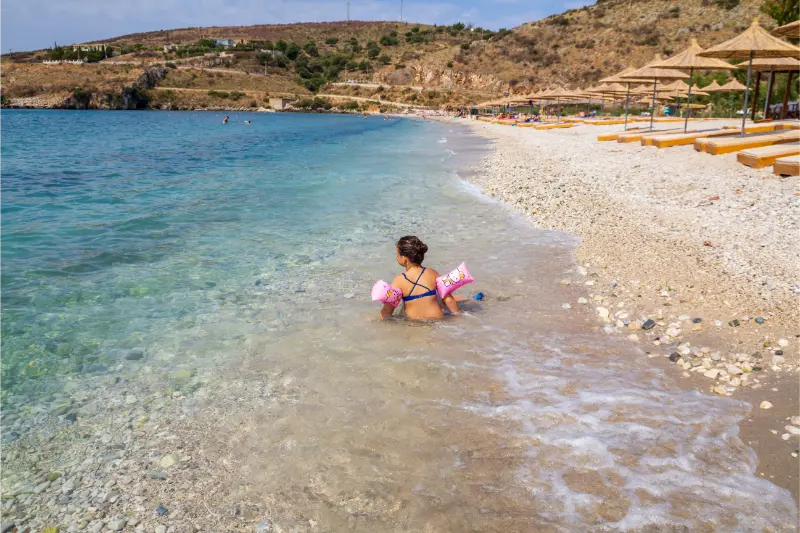
    Borsh Albania Little Girl Swimming Crystalline Waters White Stones

    This 30-day route is designed for travellers who want variety without moving every morning. It combines cities, UNESCO heritage, mountain landscapes, beaches, food, village stays and slower days. The order works best from late spring to early autumn, but the route can be adapted outside peak season by shortening the beach section and adding Korçë, Përmet or Tirana time.

    The biggest advantage of having 30 days is flexibility. Keep at least two nights uncommitted until you understand your pace. Albania rewards spontaneous detours, but transport, mountain weather and summer accommodation can still punish an over-optimistic schedule. Use this itinerary as a framework rather than a rigid reservation chain.

    At a glance

    DaysBaseMain experiences
    1–3TiranaCity history, Blloku, markets, Dajti
    4–6ShkodërOld town, Rozafa, Lake Shkodra
    7–10Theth / Albanian AlpsVillage days, waterfalls, hiking
    11–13BeratUNESCO quarters, castle, wine country
    14–16Përmet / GjirokastërVjosa valley, stone city, southern food
    17–22Himarë / RivieraBeaches, villages, boat or hiking days
    23–24SarandëButrint, Blue Eye or Ksamil
    25–27Korçë / PogradecOld Bazaar, villages, Lake Ohrid
    28–30TiranaBuffer days, shopping, final excursions

    Days 1–3: begin in Tirana

    Use the first three days to get oriented rather than immediately collecting day trips. Walk Skanderbeg Square, the central sights and Blloku, then choose one deeper history experience such as Bunk’Art or the House of Leaves. A second full day can include the Grand Park, New Bazaar and a slower food-focused evening. The city is also the easiest place to solve practical tasks such as SIM cards, cash, pharmacy items or forgotten travel gear.

    On day three, take the Dajti cable-car area or a short excursion such as Krujë if the weather is clear. Do not rent a car for central Tirana unless you need it immediately after departure; parking and traffic make it more useful once you leave the capital. Read our Tirana Travel Guide and first-time Albania guide before building the first days.

    Days 4–6: Shkodër and Lake Shkodra

    Move north to Shkodër and give the city two full days. Rozafa Castle, the pedestrian centre and Marubi photography museum fit comfortably into one day when you avoid the hottest afternoon climb. The second day can be slower: cycle toward Shirokë and Zogaj, spend time beside Lake Shkodra or use a taxi for a lakeside lunch.

    The third night is useful because it lets you organize the Alps without rushing. Guesthouses, shuttles and luggage storage for Theth or Valbona are easier to coordinate from Shkodër. If you are travelling by public transport, this is the natural logistics hub; if you have a car, decide whether you truly need it in the mountains or would rather leave it safely parked.

    Days 7–10: slow down in the Albanian Alps

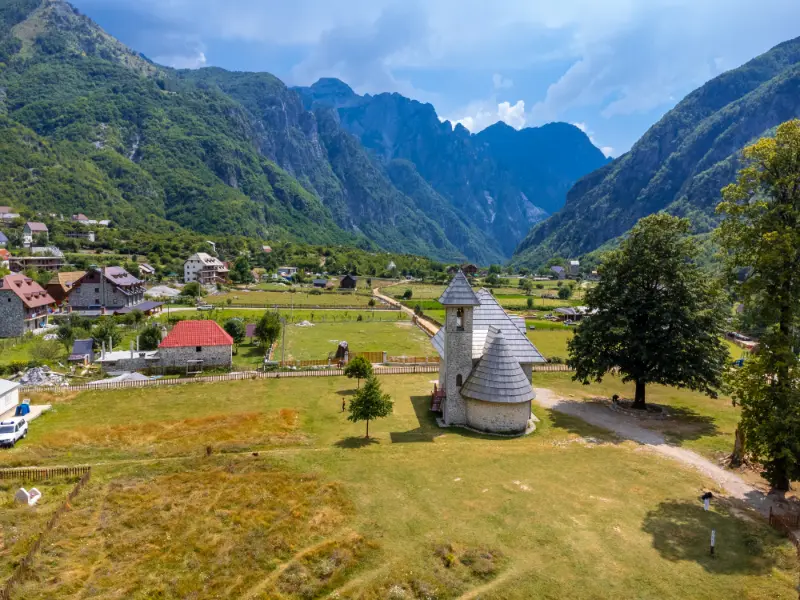
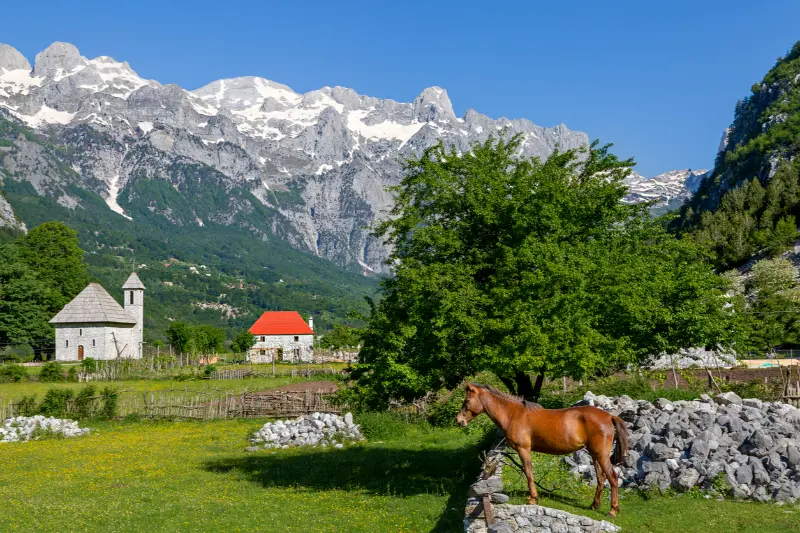
    Spend three or four nights in Theth if hiking is central to your trip. The village itself deserves time beyond the famous trail: the church, stone houses, waterfall walks and changing light across the valley create a much richer experience than arriving late, hiking once and leaving at dawn. Build one weather-buffer day into the schedule, because cloud, rain or summer storms can alter mountain plans quickly.
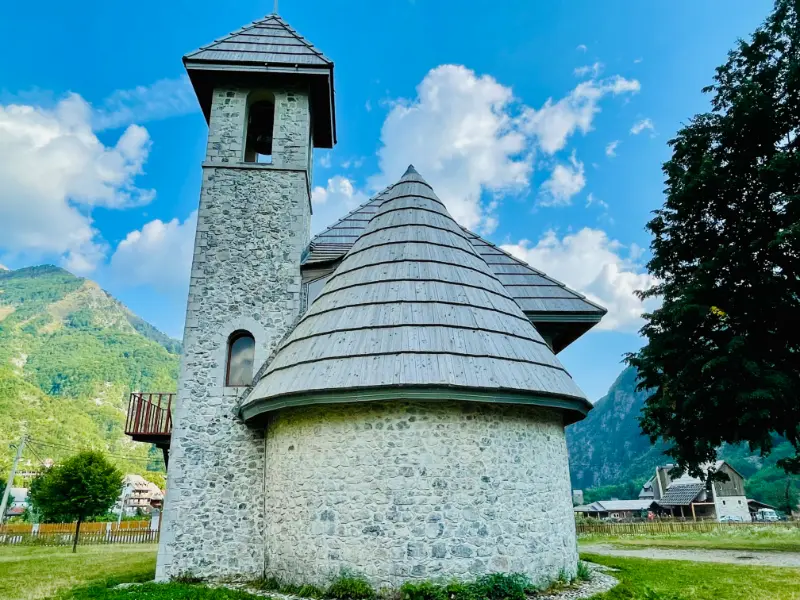
    Christian Church Village Theth National Park Albania

    Strong hikers can connect Theth and Valbona, but the route requires more logistics than a normal day hike. Read the Theth–Valbona hike guide and do not assume luggage, ferries or shuttles will organize themselves. Travellers who prefer easier walking can remain based in Theth and still enjoy a very satisfying mountain section.

    Days 11–13: Berat and the central-south transition

    Berat works beautifully after the Alps because the pace changes completely. Stay inside or near Mangalem, Gorica or the lower centre, then give the castle a half day rather than squeezing it between drives. The Onufri Museum, neighbourhood lanes, river viewpoints and evening light are the reasons to sleep here instead of visiting on a rushed excursion from Tirana.

    Use the third day for countryside. Roshnik, wineries and local food experiences add context to the region, while Osum Canyon is better treated as a longer excursion if river conditions and your schedule suit it. See Berat Travel Guide and villages near Berat for options.

    Days 14–16: Përmet and Gjirokastër

    A month-long route should include at least one smaller southern base, and Përmet is a strong choice. The Vjosa valley, Bënja thermal baths and Langarica Canyon provide a nature day that feels completely different from the coast. Stay overnight instead of treating the area as a roadside stop; the slower evening is part of the appeal.

    Continue to Gjirokastër for two nights. The castle, bazaar and traditional houses can fill a full day, but the best experience comes from allowing time for steep lanes, viewpoints and local meals. If you still have energy, add Antigonea or Libohovë rather than racing directly to Sarandë.

    Days 17–22: make the Riviera a real stay, not a drive-through

    Base yourself in Himarë for several nights and treat the Riviera as a cluster rather than a chain of hotel changes. From one base you can reach Livadhi, Porto Palermo, Qeparo, Borsh, Vuno and several coves. A boat day is worthwhile in settled weather, while Gjipe is better for travellers prepared for the access and walk rather than those expecting a simple roadside beach.

    Six days on the coast may sound long until you include one slow beach day, one village day, a boat trip, a hike, a bad-weather buffer and one day when you simply do less. In July and August, start driving early because coastal roads and parking can become the main time cost. Our Albanian Riviera guide helps compare bases.

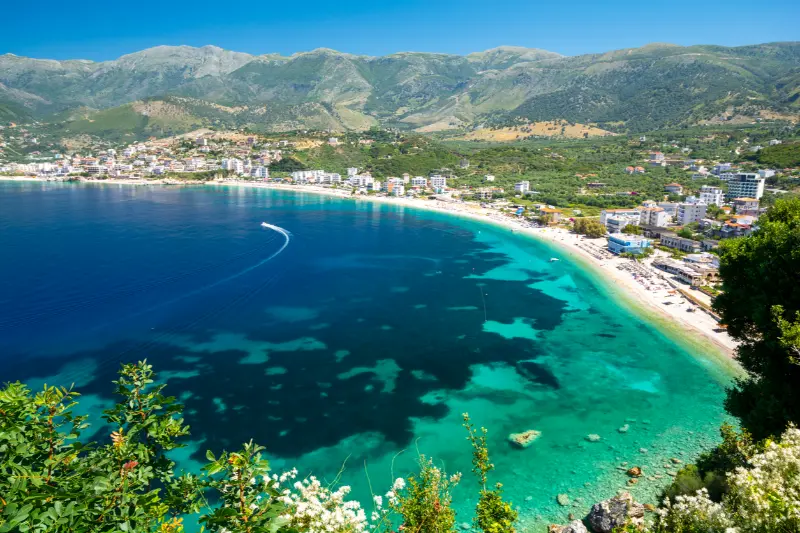
    Drymades Beach Dhermi Albania

    Days 23–24: Sarandë, Butrint and the far south

    Move to Sarandë for two nights rather than commuting repeatedly from Himarë. Butrint deserves a dedicated half day, ideally before the strongest heat and biggest tour groups. Pair it with Ksamil only if you actually want beach time; otherwise use the second half of the day for Sarandë or a quieter southern stop.

    On the second day choose one major outing: Blue Eye, a southern village loop or a ferry day to Corfu if international logistics fit your trip. Do not combine every famous attraction because the result becomes mostly transfers. Read Butrint Travel Guide before setting the timetable.

    Days 25–27: Korçë and Lake Ohrid

    Crossing to southeast Albania creates another major change in landscape and culture. Korçë is worth at least two nights for the Old Bazaar, museums, cafés and evening atmosphere. Voskopoja or Dardhë make excellent half- or full-day village excursions, especially after weeks of coastal heat.

    Spend a night in Pogradec or use Korçë as a base for Lake Ohrid. Lin, Drilon and Tushemisht give the region a slower lakeside rhythm. The Albanian side of the Ohrid World Heritage property is an important part of the country’s UNESCO story, but it is also simply a pleasant place to decompress near the end of a long trip.

    Days 28–30: return to Tirana with buffer time

    Keep the final three days deliberately flexible. Use them for anything you skipped because of weather, a final night in Tirana, a Krujë excursion, shopping or simply rest before the flight. A long trip almost always produces one place you wish you had stayed longer; this buffer lets you reclaim time without destroying later reservations.

    If your flight is early, sleep in Tirana or near the airport on the final night rather than betting on a long intercity transfer. Compare accommodation in Tirana on Booking.com if you want an easy final base.

    Should you rent a car for all 30 days?

    Not necessarily. Tirana and Shkodër are easier without a car, while the Riviera, Përmet and village detours become much more flexible with one. A good compromise is to use buses for the first northern section, then rent a car for the central and southern road trip. Compare this with Albania Without a Car and Renting a Car in Albania.

    For a month-long rental, pay attention to insurance, border permissions, parking and the cost of leaving a vehicle unused during mountain hiking. The cheapest daily rate is not automatically the cheapest total trip if you pay for parking or unnecessary rental days.

    How to book a month without losing flexibility

    Reserve the first nights, the Alps and peak-summer Riviera accommodation early, then leave some lower-demand nights flexible. In July and August, complete spontaneity can mean poor value on the coast. In May, June, September and October, you can usually keep more room for weather-based decisions.

    Use refundable bookings when they genuinely help, but track cancellation deadlines. A 30-day itinerary can easily become a spreadsheet of overlapping reservations, so keep a simple note with dates, addresses, payment status and check-in instructions.

    Budget strategy for a long trip

    A month in Albania becomes more affordable when you stay three or four nights in one place, use apartments occasionally and avoid private transfers for every leg. Your biggest variable is accommodation on the Riviera in peak season. Food can remain good value if you mix restaurants with bakeries, markets and simple local meals.

    Carry some cash in lek because smaller guesthouses, village businesses and local transport may not work like major city hotels. Our money and ATM guide explains the practical balance between cards and cash.

    Best season for this route

    Late May to June and September are the easiest all-round months for this exact mix of mountains, cities and coast. July and August work well if you accept higher coastal prices, stronger heat and more traffic. April and October can be excellent for culture and road trips, but mountain hiking and beach services become more weather-dependent.

    From November to March, rebuild the route around Tirana, Berat, Gjirokastër, Korçë and accessible winter villages rather than treating the summer Alps and Riviera sections as guaranteed.

    Where to stay

    For a 30-day trip, mix hotels with guesthouses and apartments so every stay does not feel identical. In the mountains, local guesthouses are part of the experience; on the Riviera, location and parking often matter more than extra hotel facilities.

    Browse accommodation across Albania on Booking.com and compare the map carefully against your actual route rather than choosing only by city name.

    Tours and activities

    Use tours selectively. A local guide is most valuable where it adds history, access or transport—Butrint, food experiences, rafting, boat trips or difficult day excursions—rather than replacing every independent day.

    Official information to check before you go

    For national destination information and current regional ideas, consult the official Albania tourism portal before departure.

    Useful related guides

    Common mistakes

    • Booking all 30 nights before understanding your preferred pace.
    • Changing hotels every night even when one base serves several nearby places.
    • Keeping a rental car during days when it is unused in Tirana or the mountains.
    • Leaving no weather buffer for hiking, boats or long coastal drives.
    • Treating the month as four separate one-week sprints instead of slowing down.
    • Scheduling a long intercity transfer on the same morning as an international flight.

    Frequently asked questions

    Is one month too long in Albania?

    No. A month allows mountains, coast, cultural cities and southeast Albania without turning the trip into constant transfers.

    Can I do this itinerary without a car?

    Yes with changes. Use buses, shuttles and taxis, and reduce remote village detours. The dedicated no-car itinerary below is more efficient for public transport.

    How many bases should I use in 30 days?

    Around eight or nine bases is comfortable. Fewer bases create deeper stays; more than ten starts to feel like a fast road trip.

    Should I book the Riviera in advance?

    In July and August, yes for the best-value locations. In shoulder season you can usually keep more flexibility.

    Where should I add extra days?

    Theth, Himarë, Përmet, Korçë and Tirana are the easiest places to extend depending on weather and interests.

    Final recommendation

    If you have 30 days, resist the urge to see twice as many places as a two-week visitor. The real advantage of a month is not a longer checklist; it is the ability to stay, adapt and notice regional Albania. Use the route above as a spine, protect the mountain and coast from rushed scheduling, and let two or three unplanned days become part of the trip.
  • Best Hikes Near Krujë: Sari Salltik, Mount Kruja, Qafë Shtamë and Forest Walks

    Best Hikes Near Krujë: Sari Salltik, Mount Kruja, Qafë Shtamë and Forest Walks

    Krujë is already a hillside destination, so hiking begins almost at the edge of the old town. The strongest routes combine the historic city with Mount Kruja and the forested Qafë Shtamë area. This is not a place where you need to chase ten named trails: two or three well-chosen walks give you the best views and leave enough time for the castle and bazaar.

    Traditional Ottoman Bazaar Kruja Albania

    This guide uses “hike” broadly enough to include easier nature walks and tougher mountain days, but it does not pretend those activities carry the same risk. Distances, weather, trail markings and access roads can change. For remote or high routes, confirm conditions locally before leaving and carry a navigation method that works offline.

    Quick comparison

    RouteDifficultyBest forAccess
    Krujë to Sari SalltikModerate to strenuousBest panoramic hike above townOn foot or taxi up / walk down
    Mount Kruja ridge viewpointsModerateBest for wide plain-and-Adriatic viewsOn foot with local route knowledge
    Qafë Shtamë National Park walksEasy to moderateBest forest day near KrujëCar/taxi required for practical access
    Castle to old-town viewpointsEasy to moderateBest short walk without a carOn foot
    Foothill village walksEasy to moderateBest for quiet rural sceneryCar/taxi + walking

    Which hike should you choose?

    If this is your first outdoor day in the area, choose the route with the simplest access and an obvious turnaround point. Save the highest or most remote objective for a day when the forecast, transport and your energy all line up. I would rather complete a shorter route comfortably than turn a holiday into a rescue problem by chasing a summit because it was on the original itinerary.

    Krujë to Sari Salltik

    Best panoramic hike above town. Difficulty: Moderate to strenuous. Access: On foot or taxi up / walk down. The classic mountain objective above Krujë is Sari Salltik, a Bektashi pilgrimage site high on Mount Kruja. The ascent is sustained and exposed in hot weather, while a taxi/driver can reduce the climb if you mainly want the ridge views. Read the Sari Salltik and Mount Kruja guide before choosing the full ascent.

    Kruja Kroja Kruja Kruj Kruja Panorama Town Municipality North Central Albania

    Mount Kruja ridge viewpoints

    Best for wide plain-and-Adriatic views. Difficulty: Moderate. Access: On foot with local route knowledge. The slopes above Krujë open toward the central plain and, on clear days, the Adriatic. Rather than inventing a summit circuit, I treat this as an extension of the Sari Salltik hike and turn around according to daylight, weather and navigation confidence.

    Qafë Shtamë National Park walks

    Best forest day near Krujë. Difficulty: Easy to moderate. Access: Car/taxi required for practical access. Qafë Shtamë changes the scenery completely: forest, springs and mountain roads instead of the dry exposed slopes above town. The Qafë Shtamë guide is the place to plan a picnic, short forest walk or longer nature day. It is also a better summer option when shade matters.

    Castle to old-town viewpoints

    Best short walk without a car. Difficulty: Easy to moderate. Access: On foot. For a lower-effort day, use the steep lanes between the Old Bazaar, castle and upper viewpoints as a cultural hike. It is not wilderness, but the gradient is real and the views explain Krujë’s strategic position. Good shoes matter on polished cobbles.

    Foothill village walks

    Best for quiet rural scenery. Difficulty: Easy to moderate. Access: Car/taxi + walking. The villages and springs around Krujë provide shorter rural walks away from the main visitor flow. Ask locally for the best current approach rather than following an unverified online GPX track through private land.

    Do you need a guide?

    For an obvious low-elevation walk with clear local directions, most experienced travelers can usually walk independently. A guide becomes much more valuable when the route is high, remote, poorly signed, seasonally snow-covered, canyon-based or dependent on a vehicle pickup at a different endpoint. A guide can also turn a simple walk into a better cultural/nature experience because local place names and private-land boundaries are not always obvious on online maps.

    Never use “there are reviews online” as a substitute for current conditions. A route can be straightforward in July and inappropriate after an October storm or during late spring snowmelt.

    Getting to the trailheads

    A car is unnecessary for the town and Sari Salltik if you are happy to walk, but very useful for Qafë Shtamë and rural foothill routes. Parking in historic Krujë is a separate issue from mountain access, so read the Krujë driving and parking guide.

    Best hikes for families

    Families should start with the castle/old-town walk or Qafë Shtamë. A full Sari Salltik ascent is better for active older children. In summer, do not underestimate the combination of steep grade and reflected heat from rock.

    Best time of year

    Spring and autumn are ideal. Summer works with an early start; winter can bring cold, wind and occasional snow on higher slopes. Qafë Shtamë is often the better warm-weather choice because of forest shade.

    Heat, storms and mountain safety

    Start early in warm weather and carry more water than you expect to need. On exposed ridges, thunder is a reason to turn around, not an invitation to wait under the tallest tree. In canyons and near waterfalls, heavy rain upstream can change conditions even if the sky above you looks better. In the Alps and other high ranges, snow, fog and wind can make a familiar summer route a completely different undertaking.

    Tell someone where you are going when the route is remote, keep your phone charged, download offline mapping and do not count on mobile coverage. If the trail is beyond your navigation or scrambling experience, choose a local guide rather than learning those skills in a place you do not know.

    What to pack

    • Shoes with reliable grip rather than smooth city sneakers.
    • At least one extra layer, even on a warm valley day if the route gains altitude.
    • Sun protection: hat, sunscreen and sunglasses.
    • Enough water plus a small snack; do not assume every spring is safe to drink.
    • Offline map, charged phone and small power bank on longer routes.
    • Compact rain/wind shell.
    • Basic first-aid items and any personal medication.
    • Cash for rural cafés, taxis or guesthouse transfers where cards may not be practical.

    Where to stay for hiking

    Compare current accommodation in Kruje on Booking.com.

    Castle Kruja Albania Skanderbeg 4

    For area-by-area accommodation advice, read the local Where to Stay guide. For hiking trips I care more about early breakfast, vehicle access, luggage storage and the host’s current trail knowledge than about a small difference in room decoration.

    Guided hikes and outdoor tours

    Guided options are most useful when transport and hiking are bundled together, especially from a city base or on routes where the start and finish are different. Compare the current activity description carefully rather than assuming every tour includes the same trail or difficulty.

    How to plan a two-hike stay

    I use the first outdoor day for the easier route. That gives me a real sense of local heat, trail surfaces, driving and my own energy after travel. I put the harder objective on the second day with a backup plan. If the weather is poor, I swap the order rather than forcing the mountain day. This simple strategy is especially useful in Theth, Valbona, Tomorr, Nëmërçka and the higher Korçë/Pogradec ranges.

    Common hiking mistakes

    • Starting too late because the route looks short on a map.
    • Using road-driving time as if it were guaranteed trailhead access.
    • Following an old GPX track without checking closures, private land or changed paths.
    • Carrying too little water on exposed summer routes.
    • Treating a canyon, waterfall or river crossing as safe after heavy rain.
    • Assuming a famous high pass is snow-free because the valley is warm.
    • Wearing sandals on loose rock because the hike ends at a beach or thermal spring.
    • Booking an onward bus or flight too tightly after a mountain day.

    Official and related planning resources

    For the destination overview, see the official Albania tourism page. The national trail overview Best Hiking Trails in Albania is useful for comparing this area with the rest of the country.

    Frequently asked questions

    Can I hike here without a car?

    At least one of the routes in this guide can usually be done without owning a car, but the answer depends on your accommodation and the exact trail. City-adjacent walks are easiest; remote national-park and high-mountain trailheads often require a taxi, driver, shuttle or rental car.

    Do I need hiking boots?

    For easy dry paths, good trail shoes can be enough. For loose rock, wet canyon terrain, snow or a major mountain route, more supportive footwear is a better choice. Grip matters more than brand.

    Can I hike in July and August?

    Yes, but start early, carry substantial water and reduce exposed midday walking. Higher mountain routes may be cooler, while low canyon and coastal paths can become extremely hot.

    Is hiking safe after rain?

    It depends on the route. Rain can make stone, clay and roots slippery, and canyon or river conditions can change rapidly. Choose a lower-risk route or wait when conditions are uncertain.

    Should I download an offline map?

    Yes for anything beyond an obvious short walk. Mobile signal is not a reliable navigation strategy in mountain and canyon terrain.

    Final recommendation

    Build the hiking day around conditions rather than ambition. Choose one route that matches your transport, fitness and the forecast, start earlier than you think you need to, and keep a lower-risk alternative ready. Albania’s best outdoor experiences are not improved by rushing them.

  • Geology of the Albanian Alps: Karst Peaks, Glacial Valleys and Alpine Lakes

    Geology of the Albanian Alps: Karst Peaks, Glacial Valleys and Alpine Lakes

    The Albanian Alps look dramatic because several geological stories overlap in the same small area. High relief exposes limestone ridges and karst caves, while past glaciers deepened valleys and left cirques, troughs and dozens of alpine lakes. Rivers such as the Valbona and Shala then reworked the valley floors with gravel and seasonal flow.

    Aerial Shot Valbona Valley National Park Reflecting Waters Albania

    AKZM describes the Albanian Alps National Park as 82,844.65 hectares and highlights both karstic and glacial relief as defining values. The agency notes roughly 30 glacial lakes grouped around areas such as Gashi, Dobërdol, Sylbicë, Runicë and the Jezercë block. That makes the Alps a superb place to understand geology while doing ordinary travel activities: hiking, village stays, scenic drives and photography.

    You do not need to climb Jezercë to appreciate the geology. Theth, Valbona, Qafë e Thorës, Dragobi and the high pastures all reveal different parts of the same mountain system.

    Quick planning summary

    QuestionPractical answer
    Best beginner baseTheth for easy access to valley scenery, Grunas and Blue Eye hikes.
    Best broad valley viewValbona, where steep peaks frame a wide glacially influenced valley floor.
    Best high-mountain geologyJezercë block, Dobërdol and Sylbicë for experienced hikers.
    Main rock storyExtensive limestone karst combined with strong relict glacial landforms.
    Best seasonLate spring through early autumn for most hiking; winter requires specialist planning.

    A mountain range shaped by karst and ice

    AKZM describes the Alps as Albania’s most mountainous region and emphasizes a dome-like relief with radial ridges and valleys. Limestone karst produces caves, fissures, springs and sharp rock scenery, while glaciation carved cirques and valleys at high elevation. The combination explains why water can disappear underground in one place and erupt as a powerful spring elsewhere.

    The phrase “Albanian Alps” is therefore more than a visual comparison. The landscape genuinely contains alpine geomorphology: steep rock peaks, high cirques, glacial lakes, avalanche tracks and deep valleys that concentrate settlements and roads.

    Theth: a valley where geology is easy to see

    Theth is an ideal first base because geological features sit close to village life. Grunas Waterfall drops through a steep valley setting, the Blue Eye hike leads to a spring-fed pool in rugged limestone terrain, and the surrounding peaks reveal exposed pale rock above forested slopes.

    Walk slowly enough to notice changes underfoot. Valley-floor gravels, spring water, cliff bands and cave entrances each reflect different processes. The famous scenery becomes more interesting when you stop treating every feature as simply “mountain.”

    Valbona: river, gravel and underground flow

    Valbona shows the relationship between a high mountain river and karstic substrate. Official tourism material notes that water can disappear beneath gravel in seasonal sections because of the valley’s karst character. The broad pale riverbed is therefore part of the hydrology, not merely an empty space beside the visible channel.

    The valley is also useful for seeing how steep tributaries deliver rock and sediment from the mountains. After storms, these systems can change quickly, which is why hikers should treat dry channels and gravel fans as active landforms rather than permanent paths.

    Jezercë and the high cirques

    Jezercë rises to 2,694 metres and sits among some of the most rugged terrain in the range. Official tourism material describes deep glacial valleys and steep ridges around the peak. Reaching the summit is a serious mountain objective, but you can understand the high-alpine geology from lower routes and valley viewpoints without climbing it.

    Experienced hikers who go higher should think in terms of terrain rather than destination alone: scree, exposed rock, snow patches, weather and route finding matter. A geological interest is never a reason to push into conditions beyond your skills.

    Caves and karst drainage

    AKZM notes large karst caves in the Alps, including systems extending for kilometres. Dragobi Cave is a more approachable named example in the Valbona area and is protected for geomorphological and speleological value. Caves are evidence that much of the water story happens inside the mountain.

    Most large cave systems are not casual tourist attractions. Do not equate a mapped cave symbol with safe independent access. Professional speleology involves route knowledge, lights, helmets, vertical equipment in some caves and a very different risk profile from hiking.

    Glacial lakes and old ice

    Around 30 glacial lakes are identified across the Albanian Alps by AKZM, with groups around Dobërdol, Sylbicë and Jezercë. These lakes occupy basins related to past glacial erosion and deposition. Their presence helps reconstruct a colder landscape in which ice extended through valleys that are now pasture or hiking terrain.

    For travelers, the lakes are best appreciated as part of multi-day mountain routes. Their remoteness protects their atmosphere but also means that navigation, weather and leave-no-trace behavior matter more than at developed attractions.

    Best time of year

    June through September is the core practical window for most hiking, though snow can persist on high routes and autumn weather can turn quickly. May can be beautiful in lower valleys but high passes may still be affected by snow. Winter transforms the park into a specialist environment; access and avalanche conditions require local expertise.

    Getting there and transport

    Shkodër is the main logistics base. Theth is reached by mountain road and seasonal shuttles; Valbona is commonly combined with the Koman ferry or reached by road via Kosovo-facing northern routes. Do not schedule a tight same-day connection after a major hike. Mountain transport is more resilient when you leave margin for weather and road delays.

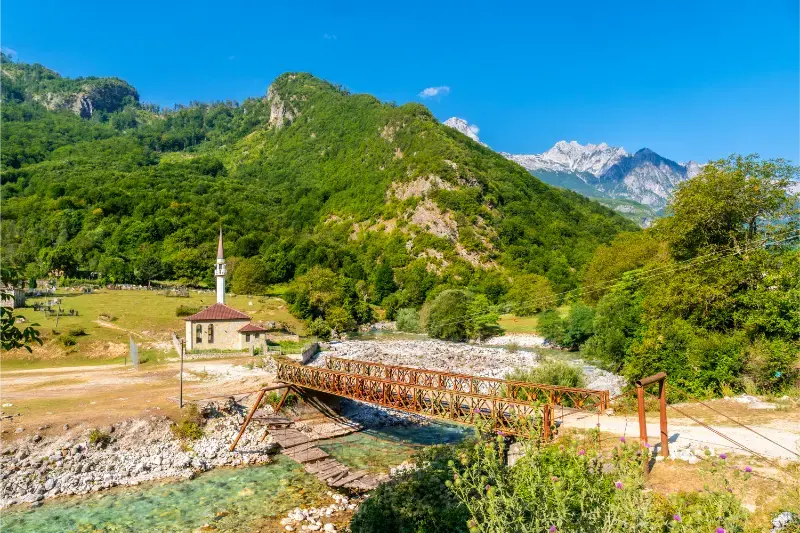
    Red Bridge Along River Valbona Valley Theth National Park Albanian Alps Albania

    Safety and responsible geotourism

    The geology itself creates hazards: loose scree below limestone cliffs, sudden drop-offs, hidden karst holes, fast mountain water and snow-filled gullies. Stay on established routes, carry offline navigation and tell someone your plan for longer hikes. Water that looks clear is not automatically safe to drink without treatment.

    Geological sites often look robust because they are made of rock, but caves, spring margins, alpine soils and fossil-bearing outcrops can be surprisingly fragile. Stay on established paths, leave formations in place and avoid scratching, stacking or removing material. In protected areas, the best souvenir is a photograph and a better understanding of the landscape.

    Photography tips

    The best geology photographs often use layered depth: valley floor in the foreground, limestone walls in the middle and high cirques behind. Qafë e Thorës, Valbona valley viewpoints and village approaches are excellent without requiring technical climbs. Cloud can improve texture on pale rock, while midday sun tends to flatten relief.

    Families, senior travelers and accessibility

    Theth and Valbona villages work well for families who choose short walks and avoid ambitious passes. Children can learn to identify waterfall, spring, gravel fan and cliff. Reduced-mobility visitors can still experience the mountain scale from valley roads, guesthouses and scenic stops, though many classic paths are rough and steep.

    Aerial View Valbona Valley Theth National Park Albanian Alps Albania

    Where to stay

    For this theme, I would choose accommodation that reduces early driving and makes it easy to ask about current road or trail conditions. Compare places to stay in Shkoder on Booking.com. Check parking, breakfast times and whether the host can recommend a local guide for natural sites.

    Guides and organized experiences

    A knowledgeable local guide can add far more than transport. For caves, canyons, remote mountain terrain and boat-based geology, the useful questions are about current access, water or sea conditions, protected-area rules and realistic turnaround points. Avoid operators who treat safety limits as optional.

    How this fits into a wider Albania trip

    I would keep geology as a thread through the trip rather than the only purpose of every day. Pair a natural site with a historic town, village meal, beach or museum. That rhythm leaves room for weather changes and makes the itinerary enjoyable even for companions who are less interested in rocks and landforms.

    Official sources and further reading

    Official tourism and protected-area pages are useful for geological context, but road surfaces, trail access, boat departures, water levels, parking arrangements and local restrictions can change. Recheck time-sensitive information shortly before travel.

    Frequently asked questions

    Are the Albanian Alps mainly limestone?

    Limestone and karst landforms are major parts of the scenery, but the range is geologically varied. For a traveler, the most visible recurring features are pale carbonate cliffs, caves, springs and glacial landforms.

    Do I need to hike the Theth–Valbona Pass to understand the geology?

    No. Both valleys show glacial relief, river gravels, springs and limestone walls from easier walks and viewpoints. The pass adds a high-level perspective but is not essential.

    Why does the Valbona River sometimes seem to disappear?

    Official tourism material notes that water can sink beneath gravel in karstic sections, especially seasonally. Underground and subsurface flow are part of the valley’s natural hydrology.

    Final planning approach

    The Albanian Alps reward travelers who look at the whole valley, not just the summit. Karst controls where water moves, glaciers explain many of the basin shapes, and modern rivers keep rearranging the valley floors. Once those three ideas are visible, every hike becomes more legible.

    Practical checklist before departure

    • Download offline maps for rural and mountain areas.
    • Check the latest weather for the exact region, not only Tirana.
    • Carry water, sun protection and footwear suitable for uneven rock.
    • Do not enter caves or narrow canyons after heavy rain.
    • Use safe parking and formal viewpoints rather than roadside improvisation.
    • Leave rocks, fossils, cave formations and spring habitats undisturbed.
  • Albania Travel Guide: Everything You Need to Know Before You Go

    Albania Travel Guide: Everything You Need to Know Before You Go

    Albania is one of those countries that rewards curiosity. On the same trip you can drink coffee in a fast-changing Balkan capital, walk through Ottoman-era neighbourhoods, hike beneath limestone peaks and finish the day swimming in clear Ionian water. What surprised me most on my first journeys was not one single attraction, but how quickly the landscape, food and atmosphere change as you move from north to south.

    This guide is the starting point I wish I had before travelling around the country. It is designed for independent travellers, couples, families and road-trippers who want practical information rather than a checklist. If you are already building an itinerary, keep my 7-day Albania itinerary open as a companion guide, and use the transport guide to decide whether a rental car or buses make more sense for your trip.

    Why visit Albania?

    The strongest reason to visit Albania is variety. Tirana has museums, café culture, restaurants and nightlife; Berat and Gjirokastër preserve historic quarters that feel completely different from the capital; the Riviera combines developed beach towns with quieter coves; and the north becomes a mountain destination around Shkodër, Theth and the Albanian Alps. You do not need a month to understand the appeal, but the country becomes much easier to appreciate when you avoid trying to see every famous place in a few rushed days.

    Albania currently has four properties on the UNESCO World Heritage List, including Butrint and the historic centres of Berat and Gjirokastër. The official UNESCO World Heritage page for Albania is useful if cultural heritage is an important part of your trip. For a first visit, I would make room for at least one UNESCO city and one nature-focused stop.

    Aerial View Of Berat Castle Albania

    Best time to visit Albania

    April to June: my favourite balance

    Late spring is a very good period for travellers who want to combine cities, road trips and some coastal time without the intensity of peak summer. Days are usually comfortable for walking and sightseeing, the landscape is greener, and the roads and old towns feel less pressured than in July and August. Sea temperatures can still feel cool early in the season, so beach-first travellers may prefer late May or June.

    July and August: best for a classic beach holiday

    High summer is the period to choose if warm water, long beach days and a lively Riviera atmosphere are your priorities. It is also the time when popular places such as Ksamil, Sarandë and Dhërmi are busiest and accommodation prices are more likely to rise. I would book the most important overnight stops in advance and start beach days early rather than expecting quiet coves at midday.

    September and October: excellent for road trips

    September keeps much of the summer feeling on the coast while gradually becoming easier for sightseeing. October can be excellent for cities and cultural routes, although mountain and beach conditions become more weather-dependent. In the north, always check local conditions before committing to a hike late in the season.

    Entry requirements and documents

    Entry rules depend on nationality, passport type and length of stay, so I would never rely on an old blog post for the final answer. Albania’s foreign ministry publishes current visa information on the Albanian Ministry for Europe and Foreign Affairs visa page. Its guidance includes short-stay rules and exemptions for several categories of travellers. Check the official page again shortly before departure, especially if your passport is not from a country with straightforward visa-free access.

    I also keep digital and offline copies of my passport, travel insurance and important bookings. If I am renting a car, I bring the driving licence required for my nationality and confirm with the rental company whether any additional permit is needed. Border rules for taking a rental car into neighbouring countries should be confirmed before collection, not at the border.

    Money, cards and the Albanian lek

    The official currency is the Albanian lek (ALL). The Bank of Albania publishes reference exchange rates on its Bank of Albania exchange-rate page. In tourist areas you may see prices discussed in euros, but I prefer to think and pay in lek whenever possible because it makes costs clearer and reduces confusion over informal exchange rates.

    Cards are increasingly useful in larger hotels, supermarkets and modern restaurants, but cash still matters for small guesthouses, rural cafés, local transport, parking and some beach services. My usual approach is a mix: a card with low foreign-transaction fees plus enough cash for a day or two. When an ATM offers to convert the transaction into your home currency, check the rate carefully before accepting the conversion.

    How to get to Albania

    Tirana International Airport is the main air gateway for most visitors. Travellers also arrive overland from Montenegro, Kosovo, North Macedonia and Greece, or by ferry across the Adriatic from Italy. If your route starts in the south, a combination involving Corfu and Sarandë can sometimes be convenient, but ferry schedules are seasonal and should be checked for your exact date.

    From Tirana airport to the city

    As of September 2026, Tirana International Airport lists a 24/7 bus between the airport and central Tirana, normally every hour, with a published fare of 400 ALL and an estimated journey of 30–40 minutes. The airport also lists official taxis to central Tirana at about 2,200 ALL, with a typical journey of 20–25 minutes depending on traffic. Because schedules and fares can change, check the Tirana International Airport bus information and official airport taxi information before you fly.

    Getting around Albania

    For a city break in Tirana, you do not need a car. For a country-wide route, a car gives you much more freedom, especially for beaches, viewpoints and smaller places where bus schedules are less convenient. The trade-off is that driving demands more attention than in some Western European destinations: traffic styles vary, mountain roads can be slow, parking can be awkward in popular towns and travel times on a map do not always tell the whole story. I explain the options in detail in Getting Around Albania: Cars, Buses, Ferries and Taxis.

    If I am using buses, I plan around one major transfer per day and avoid building an itinerary that depends on several tight connections. Albania’s transport network works better when you leave margin. For remote guesthouses, I always ask the host for the most reliable current connection rather than relying only on old schedules found online.

    Where to go on a first trip

    • Tirana: allow at least two nights for the city, Bunk’Art, the central sights and neighbourhood life. Read my Tirana travel guide.
    • Berat: one of the most photogenic cultural stops, with the castle and Mangalem quarter. See the Berat guide.
    • Gjirokastër: stone houses, steep lanes, a major fortress and a very different atmosphere from Berat. See the Gjirokastër guide.
    • Albanian Riviera: the classic southern coast, best explored slowly rather than as one long drive. Start with my Riviera road-trip guide.
    • Sarandë and Ksamil: useful bases for beaches and Butrint, especially if you want a lively southern stay. Read the Ksamil and Sarandë guide.
    • Theth: the mountain stop I would choose for dramatic scenery and hiking. Plan it with my Theth and Albanian Alps guide.

    How many days do you need?

    Four or five days are enough for a focused trip, for example Tirana plus Berat, or Tirana plus a short northern adventure. Seven days let you build a satisfying route with several regions, but you still need to choose between deep beach time and the northern mountains. Ten to fourteen days are much better if you want Tirana, UNESCO towns, the Riviera and the Alps without spending every day in transit.

    My biggest planning mistake in Albania is always the same temptation: adding one more stop because the country looks small. Distances can be manageable, but the experience suffers if every morning begins with packing and every afternoon ends with another check-in. Two-night stays are often worth more than ticking off another town.

    A realistic first-trip budget

    Albania can still offer good value, but the idea that everything is extremely cheap is outdated in the most popular coastal areas. Your budget will vary most with season, accommodation standard and how often you use private transfers, beach clubs or organised tours. Inland guesthouses and local restaurants can remain very reasonable, while prime Riviera rooms in high season can cost much more than first-time visitors expect.

    Aerial View Of Albanian Riviera Beach And Island
    • Budget travellers: use guesthouses, buses, bakeries and simple local restaurants; travel outside peak beach weeks where possible.
    • Mid-range travellers: combine comfortable hotels with a rental car for part of the trip and reserve a few paid activities.
    • Comfort-focused travellers: book the best-located hotels early on the Riviera and consider private transfers for difficult connections.

    For accommodation planning, I normally compare refundable options first so the route can still change. You can compare accommodation across Albania on Booking.com. This is a sponsored link.

    Food I would look for

    Albanian food changes by region, which is another reason not to eat only in international restaurants. Look for byrek, grilled meats, fresh salads, stuffed vegetables, qofte, tavë kosi, mountain dairy products and seafood on the coast. In the south, you will also notice strong Mediterranean influences. Breakfast at a family-run guesthouse can be one of the easiest ways to try local cheese, eggs, preserves and seasonal produce.

    I do not plan every restaurant in advance. Instead, I save a few places and leave room for recommendations from guesthouse hosts. In busy beach towns, I check menus and prices before sitting down; in old towns, I often prefer a side street or terrace slightly away from the busiest viewpoint.

    Safety and practical habits

    Normal travel precautions go a long way: keep valuables secure in crowded areas, use licensed transport, avoid leaving bags visible in a parked car, and be cautious on unfamiliar roads at night. In the mountains, weather and trail conditions matter more than urban crime. Do not assume that a popular hiking route is automatically easy or well marked in every section.

    Travel insurance is especially important if you plan hiking, water sports or a road trip. Check what your policy actually covers, including rental-car excess, mountain rescue and medical treatment. For beaches, remember that sea conditions can change quickly around exposed coves and boat excursions.

    My simple rule for planning Albania

    Choose one main experience for each part of the trip: city life, culture, coast and mountains. If your itinerary gives you time to enjoy those four dimensions, you will understand Albania far better than by racing through a list of twenty attractions.

    For a ready-made route, continue with the 7-day Albania itinerary. If you are still choosing places, my guide to the best things to do in Albania will help you decide what deserves a place on your own map.

    Related guide: Travelling independently? See our solo travel in Albania guide.

    \n

    Related guide: Choosing bases? See our guide to where to stay in Albania.

    \n

    Related guide: For seasonal planning, see our month-by-month guide to the best time to visit Albania.

    \n

    Related guide: Before departure, use our practical Albania packing list for cities, beaches and mountains.

    \n

    Related guide: First visit? Read our 25 practical tips for first-time visitors to Albania.

    Related planning guide: How Many Days in Albania? Choosing the Right Trip Length from 3 to 14 Days.

    Related planning guide: Albanian Customs and Etiquette: Greetings, Hospitality, Dress and Respectful Travel.

    Albania month by month

    Albania changes substantially through the year. These month-by-month guides explain how the balance between coast, historic cities, road trips and mountain travel shifts from spring through winter.

    Theth Valley And Albanian Alps

    Day-trip guides from the best Albania bases

    Choose a strong base and explore the surrounding region without changing hotels every night. These guides compare the best excursions, transport and realistic pacing.

    Self-guided walking tours

    These walking routes connect the main sights in a logical order and include shorter or easier alternatives when hills, heat or distance make the obvious map route less enjoyable.

    Rainy-day plans by destination

    These destination guides show what still works when rain changes the normal outdoor plan, with museums, food, short weather windows and honest advice for coastal towns with fewer indoor attractions.

    Destination comparisons

    Not sure which stop fits your route? These side-by-side guides compare travel style, transport, culture, beaches or nature, budget and the number of nights each destination deserves.

    More day-trip bases around Albania

    These guides cover excursions from secondary coastal, mountain and regional bases, complementing the existing day-trip guides from Tirana, Shkodër, Berat, Gjirokastër, Vlorë, Himarë, Durrës, Korçë, Pogradec, Përmet, Ksamil and Krujë.

    Backpacking: Backpacking Albania: 2–3 Week Route, Budget, Buses, Guesthouses and Practical Tips combines a realistic 2–3 week route with buses, guesthouses, mountain logistics, budget strategy and what to book ahead.

    Villages and small towns worth a detour

    Specialist travel-planning guides

    \n\n

    More targeted Albania trip planning

    \n\n\n\n

    Practical Albania travel logistics

    More practical Albania travel planning

  • Permet Travel Guide: Benja Thermal Baths, Vjosa River and Southern Albania at a Slower Pace

    Permet Travel Guide: Benja Thermal Baths, Vjosa River and Southern Albania at a Slower Pace

    Përmet is one of the places I recommend when an Albania itinerary starts feeling too fast. The town sits in the Vjosa valley, surrounded by mountains, and the whole region encourages a different rhythm: thermal springs in the morning, a long lunch, a riverside walk, local sweets, rafting or a drive through the valley instead of another crowded checklist of monuments.

    It combines naturally with Gjirokastër on a southern road trip, but I would not treat it as a two-hour detour. Spend at least two nights if you want Bënja, Langarica and the town itself without feeling rushed.

    Why visit Permet?

    Përmet is known for nature, food and hospitality more than for a single blockbuster attraction. The Vjosa valley creates the setting, while thermal springs and canyons add outdoor experiences. The town itself is small and easy to walk, which makes it a good recovery stop between longer driving days.

    The official tourism page for Përmet describes the town as the “City of Roses” and highlights Bënja, Langarica Canyon, the Vjosa and regional culinary traditions. This is one destination where the surroundings are at least as important as the urban centre.

    Benja Thermal Baths

    Bënja is the best-known natural attraction near Përmet. The official tourism information for Bënja Baths places the springs along the Lengarica River at the entrance to the canyon and notes naturally warm mineral water. The historic stone bridge and mountain setting are as much a part of the experience as the pools themselves.

    Stream Hot Sulfuric Water Thermal Baths Permet Albania Langarica Canyon Kadiut Bridge 3

    Do not imagine a polished spa complex. The appeal is the open landscape and natural setting. Facilities and conditions can be simple, so bring water, sun protection, footwear that can get wet and a towel. In busy periods, arriving early makes a big difference.

    Thermal-bath etiquette and safety

    • Enter natural pools carefully because rocks can be slippery.
    • Do not treat mineral water as a substitute for medical care or repeat unverified health claims.
    • Keep soap and cosmetics out of natural water.
    • Take rubbish away with you.
    • Check river and weather conditions before exploring deeper into the canyon.

    Langarica Canyon

    The canyon begins close to the thermal area and can look deceptively easy from the entrance. Water depth, current and weather can change conditions, so I do not recommend wandering deep into a canyon after heavy rain or when storms are possible. If you want a more technical exploration, go with a reputable local guide.

    Even without a full canyon walk, the landscape around the entrance is worth the journey. The combination of stone bridge, river, cliffs and thermal pools gives you one of the most recognisable scenes in the Përmet region.

    The Vjosa River

    The Vjosa is central to the identity of the region. It remains free-flowing through long stretches and supports a complex river landscape of channels, gravel bars, forests and tributaries. In 2023 Albania declared the Vjosa a wild-river national park, and in 2025 the Vjosa Valley joined UNESCO’s network of biosphere reserves.

    For travellers, the river means rafting, viewpoints, picnics and scenery, but the protected status should also influence behaviour. Choose operators that take safety and environmental impact seriously, and avoid leaving waste or driving onto sensitive riverbanks simply because a track exists.

    Rafting and outdoor activities

    Rafting is one of the signature activities around Përmet, with conditions varying by season and water levels. I would book with an experienced local operator, ask what safety equipment is provided and disclose any medical or swimming concerns. A “family-friendly” description is not enough information if you are travelling with children; ask about the exact section of river and minimum age.

    Walk around Permet town

    Përmet itself is compact, and that is part of the charm. The riverside, small centre and City Stone can be explored without a car. I like using the town as a base where the vehicle stays parked for part of the day. After busy coastal towns, the slower pace is noticeable.

    What to eat in Permet

    Përmet is famous in Albania for food traditions, especially gliko—fruit or nuts preserved in syrup—along with regional cheeses, pies, meat dishes and locally produced drinks. Ask guesthouses and family restaurants what is made in-house. This is a place where buying a jar of local preserve can feel more meaningful than buying a generic souvenir.

    If you drink alcohol, you may encounter raki and regional wine. Treat homemade spirits with respect: strength can vary considerably, and driving after tasting is an obvious mistake.

    Where to stay in Permet

    The centre works well if you want to walk to restaurants in the evening. Rural guesthouses are better if the point of the trip is quiet, farms and mountain views. I would choose based on your morning plan: staying outside town is lovely, but it can add driving every time you want dinner or coffee.

    You can compare guesthouses and hotels in Permet on Booking.com. This is a sponsored link. I pay particular attention to road access, parking, breakfast and whether a rural property accepts card payments.

    How to reach Permet

    A rental car is the simplest way to combine Përmet with Gjirokastër, Tepelenë, Korçë or other southern destinations. Public transport exists, but a road trip gives you much more freedom to stop along the Vjosa and reach natural attractions. Driving times can be longer than the distance suggests because the route is mountainous.

    If you are building a multi-stop trip, compare the route with my Albania transport guide. I would avoid scheduling Përmet, Bënja and a long onward drive to the coast all in one day.

    Best time to visit Permet

    Spring is especially beautiful when the valley is green and river landscapes feel full of life, but higher water can also change outdoor conditions. Summer is good for warm weather and swimming, although the middle of the day can be hot. Early autumn is excellent for road trips, food and walking. Winter is quieter and requires more weather flexibility.

    A 2-day Permet itinerary

    Day 1: town and Vjosa valley

    1. Arrive before lunch and settle into your accommodation.
    2. Walk around central Përmet and the riverside.
    3. Have a regional lunch and try local products.
    4. Choose a gentle riverside outing or viewpoint in the afternoon.
    5. Enjoy dinner without another long drive.

    Day 2: Benja and Langarica

    1. Leave early for Bënja Thermal Baths.
    2. Spend time around the stone bridge and pools.
    3. Explore only a safe section of Langarica Canyon for the conditions.
    4. Return for a late lunch or add a booked rafting activity on a separate half-day.
    5. Sleep in Përmet again or continue only if the next stop is close.

    Permet or the Riviera?

    If you have a week and this is your first Albania trip, the Riviera may be the higher priority because it delivers the coastal scenery most visitors expect. If you have ten to fourteen days, adding Përmet dramatically improves the balance of the trip. It gives you river and mountain Albania rather than another night beside the sea.

    Common mistakes

    • Treating Bënja as a managed spa and arriving without practical footwear.
    • Entering canyons without considering rain and water conditions.
    • Driving too much on the same day as rafting or a long outdoor activity.
    • Skipping the town and using Përmet only as a road name on the way elsewhere.
    • Assuming every rural guesthouse accepts cards.

    Përmet is where I slow an Albania itinerary down on purpose. The reward is not one famous monument; it is the combination of river, thermal water, food and space.

    Continue west toward Gjirokastër, head east toward Korçë, or compare southern route options in my Albania itinerary guide.

    Final planning checklist

    Before publishing a final itinerary around Permet travel guide, I recheck three things: the weather, the transport for the next day and the exact location of my accommodation. These small checks prevent most avoidable problems in Albania, especially in summer when traffic is heavier and in mountain regions where conditions can change quickly.

    • Save accommodation addresses and phone numbers offline.
    • Carry some Albanian lek for small businesses and transport.
    • Confirm parking before driving into historic centres or beach resorts.
    • Download offline maps before mountain or rural days.
    • Leave margin between a long transfer and any fixed tour or ferry.

    I also avoid planning every meal, beach and café in advance. Albania is still a destination where local advice can improve the trip significantly. Guesthouse owners often know the current road condition, the best departure time or whether a supposedly quiet beach has become crowded that week.

    Is this destination suitable for a first trip to Albania?

    Yes if it fits the wider route and your interests. The mistake is not choosing the “wrong” destination; it is combining too many good destinations into too few days. Two or three well-planned bases usually create a better first trip than six rushed overnight stops.

    Do I need to book everything in advance?

    In July and August I book accommodation in popular coastal areas and any essential transport connection. Outside peak season I keep more flexibility, while still reserving special guesthouses or small properties that I would be disappointed to miss. Activities that depend on sea or mountain weather are often better confirmed closer to the day when cancellation terms allow it.

    Cash or card?

    Carry both. Cards are increasingly common in larger hotels, supermarkets and restaurants, but cash remains useful for buses, rural guesthouses, parking and small family businesses. Having a backup payment method is more important than trying to make the entire trip cashless.

    For the bigger picture, return to the Albania travel guide and use the travel-cost guide to check how this stop fits your time and budget.

    \n

    Related guide: For Benja and other bathing areas, see our guide to Albania’s thermal springs.

    Related guide: Go beyond the thermal pools with our Langarica Canyon and Benja guide.

    Related guide: For a slower mountain-road stop toward Korce, read our Leskovik guide.

    Related guide: For a cultural mountain excursion from Përmet, see our guide to Frashër village and the Frashëri Brothers museum.

    Related guide: For a forest and mountain day beyond the Vjosa valley, see our Hotova–Dangëlli National Park guide.

    \n\n

    Related guide: Kelcyra Gorge Guide: Vjosa Landscapes, Cliffs and a Southern Albania Road Stop adds a focused stop to this destination and helps build a more detailed Albania itinerary.

    \n

    Explore beyond the city: Best Day Trips from Permet: Benja, Langarica, Hotova, Frasher and the Vjosa Valley compares the most useful excursions, transport options and realistic timing.

    Local food: Permet Food Guide: Gliko, Local Dairy, Mountain Dishes and Vjosa Flavours explains regional dishes, food shopping, what to order and how to plan a food-focused day.

    Where to stay: Where to Stay in Permet: Town Center, Vjosa River, Benja and Rural Guesthouses compares the most practical areas, parking, no-car options and the best base for different types of trip.

    Only one day? 1 Day in Permet: Benja Thermal Baths, Langarica Canyon and the Vjosa Valley gives you a selective, realistic route with timing, transport and what to skip if you start late.

    Stream Hot Sulfuric Water Thermal Baths Permet Albania Langarica Canyon Kadiut Bridge

    Have three days? 3 Days in Permet: Benja Thermal Baths, Langarica Canyon and the Vjosa gives you a slower city plan plus the most logical regional excursion.

    48-hour itinerary: 2 Days in Përmet: Bënja Thermal Baths, Langarica Canyon and the Vjosa Valley.

    Driving and parking: Driving and Parking in Përmet: Town Center, Bënja Baths and Vjosa Valley explains access, parking strategy, hotel logistics and when the car is actually useful.

    Hiking: Best Hikes Near Përmet: Langarica Canyon, Hotova-Dangëlli, Leusë and Nëmërçka compares the best local walks and mountain routes by difficulty, access, season and transport.

    How long should you stay? How Many Days in Përmet? 1, 2 or 3 Days for Bënja, Langarica and the Vjosa compares one, two and three days and explains when an extra night is actually useful.

    Family travel: Permet with Kids: Benja Baths, Langarica Canyon and Family Nature Trips.

    When to go: Best Time to Visit Përmet: Bënja Baths, Vjosa, Hiking and the Best Months compares the destination month by month, including weather-sensitive activities, crowds and seasonality.

    Villages nearby: Best Villages and Small Towns Near Përmet: Leusë, Frashër, Bënjë, Leskovik and More compares the best rural and small-town escapes from this base.

    \n

    More local Albania guides

    \n\n

    More local Albania guides

    \n\n

    Arriving and leaving by bus

    \n

    For current departure points, tickets, luggage and onward connections, see the Përmet Bus Station Guide.

    Responsible travel: Sustainable Travel in Përmet: Vjosa National Park, Bënja Baths, Local Food and Responsible Nature Trips covers transport, waste, water, local spending and lower-impact choices for this destination.

    Scenic drive: Vjosa Valley Scenic Drive adds a road-trip route with viewpoints, stops and practical driving advice.

    \n

    Rural experience: Agrotourism in Përmet and the Vjosa Valley: Farm Stays, Gliko, Dairy and Slow Travel adds farm stays, local food and practical countryside planning.

  • Camping and Campervan Travel in Albania: What to Know Before a Road Trip

    Camping and Campervan Travel in Albania: What to Know Before a Road Trip

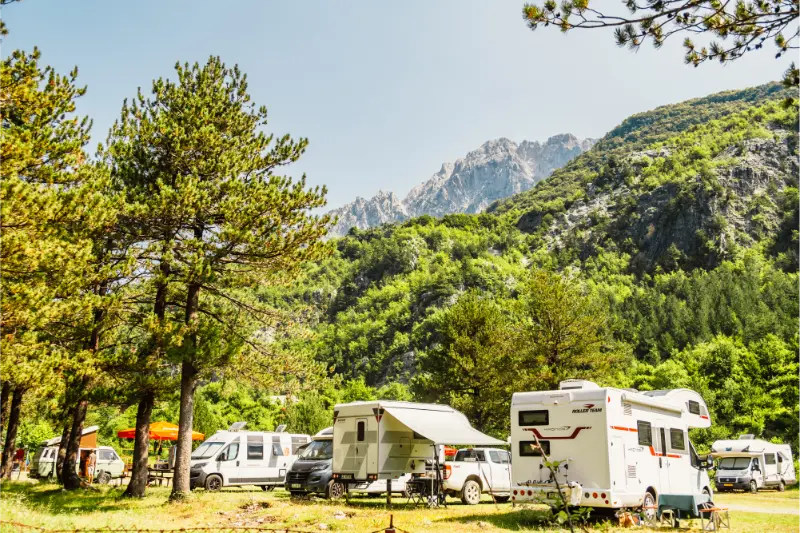
    Albania has become increasingly popular with campervan and camping travellers because the country combines mountains, lakes and a long coastline within manageable distances. The freedom is real, but the old idea that you can simply park anywhere and call it camping is too simplistic. Rules vary by municipality, land ownership and protected-area status, and responsible travellers need to distinguish between a legal campsite, tolerated overnight parking and camping in a place where it is prohibited.

    The official Albanian tourism portal says camping facilities exist across the country and specifically warns that some areas prohibit camping, advising travellers to consult the National Agency of Protected Areas or the relevant municipality. That matches 2026 information from the protected-areas agency, which states that within protected areas camping may be allowed only in designated zones. Start with the official camping tourism page rather than assuming social-media advice is universal.

    Campsite versus overnight parking

    A campsite provides an established place to sleep and may offer toilets, showers, electricity, water, waste disposal and local advice. Overnight parking means you are simply stopping in a vehicle, ideally without putting out tables, awnings or other equipment. Wild camping adds tents or a camp setup outside formal facilities and can be subject to stricter rules.

    The distinction matters because behaviour that looks harmless in an ordinary parking area may count as unauthorised camping in a protected landscape or beach zone.

    Protected areas require extra care

    In national parks and other protected areas, use designated camping zones and follow local authority instructions. A 2026 response published by Albania’s National Agency of Protected Areas states that camping inside protected areas is permitted only in dedicated zones and can be subject to fees.

    This is particularly relevant if your road trip includes mountain landscapes around Theth, Valbona or protected river and coastal areas. Do not interpret the absence of a “no camping” sign as permission.

    Greek Style Village Dhermi Coastal Road Albania

    Choose established campsites when possible

    Formal campsites reduce the biggest practical problems: fresh water, toilets, waste, security and finding a legal overnight location. They also support local businesses. Farm stays and agrotourism properties increasingly cater to campervans; the official tourism portal, for example, notes that Sotira Farm has space for camper vans.

    On the coast in July and August, reserving or calling ahead can prevent a long evening of driving between full sites.

    Road conditions and vehicle size

    Albania’s main roads have improved greatly, but a large camper behaves differently from a compact rental car. Narrow village streets, steep access roads and tight beach parking can become stressful. Use the Albania transport guide and ask campsites about the final approach if your vehicle is long or high.

    Never follow a navigation app blindly onto a shortcut simply because it saves five kilometres. Satellite view and recent reviews can reveal whether a road is actually suitable for a motorhome.

    The Albanian Riviera by camper

    The Albanian Riviera is spectacular but can be the most challenging region in peak season because of traffic, steep roads and scarce parking near famous beaches. Base at a campsite and explore locally rather than moving the camper to a different cove every few hours.

    Greek Style Village Dhermi Coastal Road Albania 2

    Arrive earlier in the day, avoid blocking narrow access roads and never empty wastewater near beaches or drainage channels.

    Northern Albania by camper

    Shkoder is a good staging point for the north. For Theth and other mountain areas, check road conditions, vehicle dimensions and campsite access before committing. A shuttle or guesthouse transfer can sometimes be smarter than taking a large vehicle into a tight valley.

    If Lake Koman and Valbona are part of your plan, read the Lake Koman and Valbona guide because ferry and transfer logistics require more preparation than a normal road day.

    Tourist Walking Road Valbona Valley Enjoying Freedom Theth National Park Albanian Alps Valbona Albania

    Water and waste

    Fill fresh-water tanks at legitimate sources and campsites rather than assuming every roadside tap is potable. Carry enough capacity for rural nights but avoid unnecessary weight. For grey and black water, use designated disposal points and ask campsite staff when unsure.

    Leave-no-trace principles are not just environmental etiquette; they protect access for future camper travellers in communities that may already feel pressure from tourism.

    Electricity, gas and supplies

    Electric hookups vary, so bring the adapters your vehicle system requires and confirm voltage compatibility. Gas-cylinder exchange can be complicated across borders because fittings and brands differ. If you enter Albania from Italy by ferry, start with sufficient legal supplies and research refill options for your exact system.

    For ferry planning with a camper, see the ferries to Albania guide. Operators often have vehicle-specific booking fields, so enter accurate length and height.

    Security

    Normal travel precautions apply: lock the vehicle, keep passports and electronics out of sight and avoid isolated overnight stops that feel uncomfortable. Formal campsites are especially valuable when you want to leave the vehicle and spend a full day sightseeing.

    Do not publish your exact remote overnight location publicly in real time. This is sensible privacy practice anywhere, not a warning unique to Albania.

    Camping with children

    Families benefit from established sites with shade, toilets, safe play space and easy food access. A dramatic cliffside parking spot may look beautiful online but create unnecessary stress with small children. The family travel guide gives broader advice on heat and pacing.

    Plan shorter drive days and choose two-night campsite stays so every morning does not begin with packing the entire setup.

    A practical camper route

    A straightforward two-week route could be Durres/Tirana → Shkoder → northern base → Berat → Gjirokaster → Saranda → Himare/Riviera → Vlore → Durres. Skip roads or beaches that require questionable access and use ordinary parking or public transport for city centres.

    Budget travellers should still compare campsite fees, fuel, tolls abroad, ferry costs and vehicle rental against a small car plus guesthouses. See the travel cost guide before assuming a camper is automatically cheaper.

    Final planning notes

    Responsible camper travel means asking when you are unsure. Municipalities, campsite owners and protected-area administrations have better local knowledge than a map pin uploaded years ago.

    The freedom of a camper is most valuable when you do not spend every evening searching for a free place to sleep. A mix of proper campsites and flexible daytime exploration usually produces the best trip.

    Extra practical advice

    A basic recovery kit—warning triangle, reflective vest, tyre tools, torch and first-aid supplies—should be easy to reach rather than buried under camping equipment. If renting a camper, check what roadside-assistance service is included and how to contact it from Albania.

    Open fires deserve particular caution in hot, dry months. Follow local bans and campsite rules, use designated cooking areas and never assume a beach or forest clearing is a safe place for a fire simply because someone used it previously.

    When planning camping in Albania, I would also keep the wider route in mind. Albania rewards travellers who leave realistic margins between stops, confirm seasonal services directly and avoid basing an entire day on one old timetable or price. Save addresses and confirmations offline, carry some cash as a backup, and ask accommodation hosts for current local conditions when roads, weather or opening times could affect the plan. The most useful approach is to separate fixed decisions from flexible ones: book transport or accommodation that would be difficult to replace, but leave ordinary meals, viewpoints and minor stops open. That balance keeps the trip organised without making it rigid. It also allows you to change direction when a beach is crowded, a mountain road is slow or a local recommendation sounds better than the original plan.

    When planning camping in Albania, I would also keep the wider route in mind. Albania rewards travellers who leave realistic margins between stops, confirm seasonal services directly and avoid basing an entire day on one old timetable or price. Save addresses and confirmations offline, carry some cash as a backup, and ask accommodation hosts for current local conditions when roads, weather or opening times could affect the plan. The most useful approach is to separate fixed decisions from flexible ones: book transport or accommodation that would be difficult to replace, but leave ordinary meals, viewpoints and minor stops open. That balance keeps the trip organised without making it rigid. It also allows you to change direction when a beach is crowded, a mountain road is slow or a local recommendation sounds better than the original plan.

    When planning camping in Albania, I would also keep the wider route in mind. Albania rewards travellers who leave realistic margins between stops, confirm seasonal services directly and avoid basing an entire day on one old timetable or price. Save addresses and confirmations offline, carry some cash as a backup, and ask accommodation hosts for current local conditions when roads, weather or opening times could affect the plan. The most useful approach is to separate fixed decisions from flexible ones: book transport or accommodation that would be difficult to replace, but leave ordinary meals, viewpoints and minor stops open. That balance keeps the trip organised without making it rigid. It also allows you to change direction when a beach is crowded, a mountain road is slow or a local recommendation sounds better than the original plan.

    \n\n

    More targeted Albania trip planning

    \n\n\n\n\n

    More specialist Albania guides

    \n\n

    More Albania planning guides

    \n

    Campervan guides by destination

    These destination guides explain where a motorhome is useful, where it creates friction, and how to separate legal overnight camping from ordinary sightseeing parking.

  • 1 Day in Valbona: Valley Walks, River Views and a Realistic Albanian Alps Itinerary

    1 Day in Valbona: Valley Walks, River Views and a Realistic Albanian Alps Itinerary

    One day in Valbona should be built around the valley rather than around the full pass to Theth. The valley is long, guesthouses are spread out and the mountains change character as you move toward Rragam. A realistic day gives you river scenery, a moderate walk, a long lunch and time to enjoy the landscape instead of treating Valbona as merely the starting line for the famous traverse.

    Aerial View Valbona Valley Theth National Park Albanian Alps Albania

    The schedule below is designed around realistic travel friction rather than the maximum number of pins you can place on a map. In a one-day visit, parking, walking, lunch and the return journey are part of the itinerary. I would rather finish one place properly than spend the afternoon moving between attractions for ten-minute stops.

    One-day itinerary at a glance

    TimePlanWhy it fits
    08:00–09:00Breakfast + route checkConfirm weather and transport before walking.
    09:00–12:00Valley / Rragam-direction walkMain outdoor block with mountain views.
    12:00–13:30River stop + returnKeep the pace flexible.
    13:30–15:00LunchRest at a guesthouse or local restaurant.
    15:00–17:00Easy valley explorationShort walk, photography or river views.
    17:00 onwardDinner / departureOvernight strongly preferred if continuing through the Alps.

    Step-by-step itinerary

    Begin with a valley orientation, not a summit goal

    Valbona is not a compact village square. The settlement stretches through a broad alpine valley, so the first task is understanding where your accommodation, road and walking route sit relative to each other. Start with the river and valley views around your base, then move toward the walking objective. This prevents the common mistake of spending the first hour driving up and down the valley because a map label made everything look closer than it is.

    Aerial Shot Valbona Valley National Park Reflecting Waters Albania

    Walk toward Rragam at a pace that leaves time to return

    The upper-valley direction toward Rragam gives you the strongest sense of Valbona’s alpine setting without requiring the full pass crossing. Choose a turnaround time rather than a fixed distance. Trail and road surfaces vary, and heat or weather can change the effort quickly. The Best Hikes in Valbona helps you compare longer options, but for one day the goal should be a satisfying valley walk, not proving how far you can go.

    Spend time beside the Valbona River

    The river is one of the valley’s defining features. Its color, gravel banks and mountain backdrop make a simple stop worthwhile, especially when you are not hiking all the way to Theth. Use established access points and do not assume cold mountain water is safe for casual swimming. A short photography or picnic break often adds more to the day than squeezing in another named attraction.

    Use lunch as a route reset

    Valbona’s guesthouse culture is part of the destination. A proper lunch gives you a chance to slow down, eat regional food and ask about current conditions. If the morning was already long, make the afternoon easy. If you still have energy, add another short walk from your accommodation instead of getting back in the car for a distant detour.

    Do not attempt the Valbona–Theth Pass as a half-day add-on

    The pass is a serious point-to-point mountain day, not an attraction you can sample after lunch. If that hike is your goal, use the dedicated Theth–Valbona Hike Guide and plan transport, luggage and weather separately. A one-day Valbona itinerary should never depend on reaching the pass and returning simply because a map makes the route look straightforward.

    Keep Dragobi and Bajram Curri as route-dependent extras

    If you are driving into or out of the valley, Dragobi and Bajram Curri can add cultural or practical stops. They make less sense if you are already deep in Valbona and have only a few daylight hours. The valley itself deserves the priority.

    Can you do this without a car?

    A car is useful for reaching different parts of the long valley, but it is awkward if you plan to hike one-way to Theth. For a simple out-and-back Valbona stay, driving can be convenient; for the classic Alps circuit, shuttle/ferry logistics are often better.

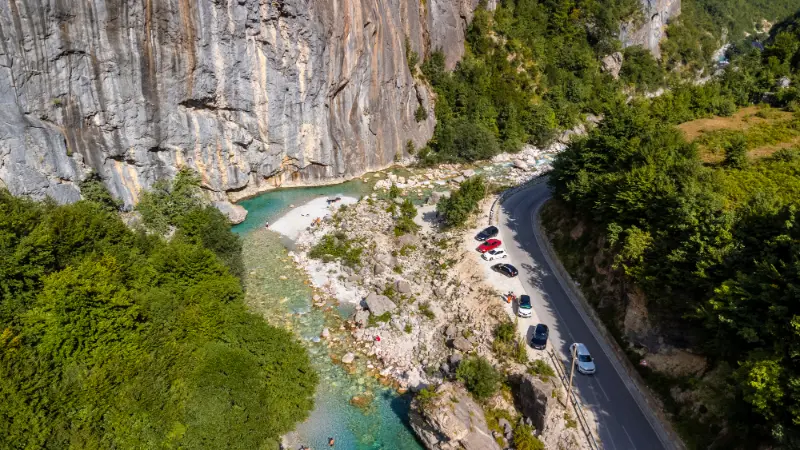
    Aerial Drone View Small Beach Turquoise River Valbona Valley Theth National Park Albanian Alps

    If you are using buses or shuttles, verify the return before you start the sightseeing day. A one-day itinerary has much less tolerance for a missed last service than a two-night stay. When the final attraction is outside the center, a taxi can be a sensible one-off expense rather than a reason to rent a car for the entire trip.

    One day with children

    For families, use a short upper-valley walk, river views and a long meal rather than a summit-focused itinerary. The scenery remains impressive even without a demanding hike.

    The family version should normally remove one stop, not simply move faster. Build in toilets, shade, food and a place where children can move without worrying about traffic or fragile heritage. On hot coastal days, protect the middle of the afternoon rather than scheduling the most exposed walk at 14:00.

    What to do if the weather changes

    High mountain weather can change quickly. If cloud and rain reduce visibility, shorten the walking loop and avoid committing to exposed routes. Valbona is still worthwhile as a landscape stay, but safety matters more than completing a planned distance.

    Check the short-range forecast the evening before and again in the morning. In the mountains, current local advice should outweigh a generic app. On the coast, wind can matter as much as rain because it changes swimming and boat conditions. In heritage towns, wet stone and steep lanes can be the main practical problem.

    Where to stay if you turn the day trip into an overnight

    Compare current accommodation in Valbona on Booking.com.

    For location strategy, use the local Where to Stay guide. A one-night stay is often worth more than an extra attraction because it gives you the evening and early morning without the pressure of the return journey.

    Useful planning guides

    If you are driving, also read the driving and parking guide before arrival.

    If you have two days instead

    With an extra day, do not simply repeat the same route more slowly. Use the two-day itinerary to add the major hike, neighboring beach or regional excursion that would make this one-day plan too crowded.

    Tours and activities

    Organized activities can be useful when they solve transport or add a specialist guide, but they are not mandatory for the basic one-day itinerary. Compare the meeting point and total duration with what you can comfortably do independently.

    What to pack for one day

    • Comfortable shoes matched to the terrain rather than only to the weather.
    • Water and sun protection from late spring through early autumn.
    • A light rain/wind layer for mountains, coast and shoulder season.
    • Some Albanian lek for small cafés, parking or local transport.
    • Offline maps and the return transport details saved on your phone.
    • Swimwear only when the itinerary genuinely includes the coast or safe swimming.

    Common one-day mistakes

    • Adding a second major excursion simply because it looks close on the map.
    • Planning the day around an old bus timetable without checking the return.
    • Ignoring parking or the final walk from the road to the attraction.
    • Skipping lunch and then losing time searching for food late in the afternoon.
    • Treating mountain, beach or heritage access as identical in every season.
    • Leaving the most important stop until the final hour before departure.

    Is one day enough?

    One day works as an introduction. Two nights are much better if you want a longer hike, the Koman approach, or a relaxed transition to Theth.

    If you are deciding how to divide a longer Albania trip, use How Many Days in Albania? to compare the value of extra nights across the country. The best itinerary is not the one with the most destinations; it is the one where transfers do not consume the experiences you traveled for.

    Frequently asked questions

    What time should I start?

    For a true one-day visit, start in the morning. On mountain or castle days, an early start also gives you cooler walking and more weather margin. On a pure beach day, arriving early helps with parking and shade.

    Should I book attractions in advance?

    Usually the key bookings are accommodation, major tours, mountain transfers or boat activities rather than every small sight. Verify current opening information for museums, castles or religious interiors before building the day around them.

    Can I do this as a day trip from Tirana?

    That depends on the destination. Elbasan, Lezhë and Golem are much easier than Theth, Valbona or the southern Riviera. A long transfer can turn a technically possible day trip into a poor use of time.

    Is a guided tour worth it?

    It can be when transport is complicated or historical context is important. For a compact beach or village day, independent travel is often enough.

    What if I arrive after lunch?

    Use the first two or three stops only. Do not try to compress a full-day schedule into four hours; choose the destination’s defining experience and protect time for the return.

    Final advice

    A successful one-day itinerary has a clear priority, one flexible block and enough margin to enjoy the place. Start with the activity that would disappoint you most if you missed it, keep lunch and transport realistic, and drop optional stops when the day becomes slower than expected. That is how a short visit still feels like travel rather than logistics.

    If you only have half a day

    Cut the itinerary at the middle rather than rushing every stop. Keep the defining experience, one good meal or break, and enough time for the return journey. A half-day visit works best when you accept that the destination deserves a second visit rather than treating the missing stops as a failure.

  • Theth with Kids: Realistic Family Hikes, Guesthouses and Mountain Travel Tips

    Theth with Kids: Realistic Family Hikes, Guesthouses and Mountain Travel Tips

    Theth with kids can be one of the most memorable parts of Albania, but it should not be planned as a smaller version of an adult trekking trip. The village works best for families who are comfortable with mountain roads, uneven paths and changeable weather, and who are willing to make the guesthouse, valley and short walks the experience rather than measuring success by a famous hike.

    Use the main Theth and Albanian Alps guide for the full destination. This article is deliberately more conservative: it explains what families can realistically do, which classic activities need more caution, and why two relaxed nights may be better than one packed day.

    Red Bridge Along River Valbona Valley Theth National Park Albanian Alps Albania

    Is Theth suitable for children?

    Yes for many families, but not automatically for every age or itinerary. School-age children who already enjoy walking can have a fantastic time. Toddlers may enjoy the village, animals, streams and guesthouse life while being too young for longer trails. Babies can travel to Theth, but parents need to think about car seats, feeding, temperature changes and the fact that a mountain village does not offer the same immediate services as Tirana or Shkodër.

    The official Albanian tourism portal describes Theth as an alpine village in the Shala area, reached through the Tërthore Pass, with attractions including Grunas Waterfall, canyon, springs and mountain scenery. It also notes the growing network of traditional guesthouses. See the official Theth tourism page for destination background.

    The road to Theth is part of the family decision

    Modern road improvements have changed access compared with older travel reports, but families should still treat the drive as a mountain journey rather than a routine transfer. Children prone to motion sickness may find the curves difficult. Check current road and weather conditions locally, avoid driving tired and give yourself daylight for the final approach.

    If you are not comfortable driving in mountain terrain, a transfer from Shkodër may be worth the cost. The best transport choice is the one that leaves the adults calm enough to supervise children and enjoy the arrival.

    Choose a guesthouse for location, meals and family logistics

    Theth’s guesthouse experience is one of the reasons to stay overnight. Compare guesthouses in Theth and check the exact location, road access, meal options, private bathroom arrangements, heating outside summer and whether the property can prepare an early or simple meal for children.

    A beautiful guesthouse far from the village center can be perfect for adults who want quiet, but it may add extra walking every time a child needs to rest. Families should ask how long it actually takes to reach the church area, trailheads or road, not just rely on map distance.

    Theth Church and village walks: excellent low-effort activities

    The Theth Church and surrounding valley are ideal for a first afternoon. You can let children explore the landscape, photograph the peaks and get used to the terrain without committing to a major hike. The nearby Lock-in Tower can introduce older children to local history, although the theme of blood feuds requires age-appropriate explanation.

    Theth Church And Albanian Alps Albania

    This type of slow arrival matters. After several hours in a vehicle, children often need unstructured movement more than another “must-see” attraction. Save the longer walk for the following morning when everyone is rested.

    Grunas Waterfall: assess the trail on the day

    The Grunas Waterfall is one of Theth’s classic outings. The official tourism portal describes the waterfall as a protected natural monument about a 30-minute walk from the village, but that simple distance should not be treated as a guarantee that the route is easy for every child. Terrain, heat, rain and the exact starting point matter. See the official Grunas Waterfall page.

    Ask the guesthouse about current path conditions. Children should wear proper shoes, and adults should be ready to turn around if the trail is slippery or the child is tired. Reaching the waterfall is optional; a safe partial walk can still be a successful morning.

    Blue Eye of Theth: not the same as an easy village stroll

    The Blue Eye of Theth is frequently included on northern itineraries, but families should read the route carefully. It usually involves travel toward Nderlysa and walking on natural terrain. Do not assume that because the destination is called a “Blue Eye” it is equivalent to the road-accessible southern spring near Saranda.

    For strong walkers, it can be a rewarding outing. For a family with a toddler, it may mean carrying a child for significant sections. Decide based on the weakest walker and current conditions rather than on the itinerary you created months earlier.

    What about the Theth–Valbona hike?

    The Theth to Valbona hike is a proper mountain route, not a mandatory family activity. Some experienced hiking families with fit older children may complete it, but the decision should depend on mountain experience, weather, footwear, navigation and the child’s proven endurance. Do not use age alone as the safety test.

    Small Mosque Dragobi Valbona Valley Theth National Park Albanian Alps Albania

    Families who are unsure lose nothing by skipping the pass. Theth is still worthwhile for the valley, guesthouse atmosphere, short walks and waterfalls. A holiday does not become less authentic because you did not complete the most famous trail.

    Weather and clothing

    Mountain weather can differ sharply from the coast, even on the same trip. Bring layers, rain protection and shoes that can handle wet ground. In hot weather, sun exposure on open paths still matters. In shoulder seasons, cold evenings may surprise families arriving from Tirana or the Riviera.

    Check the broader Albania packing list and reduce it to the items that matter in the mountains. Carry a small first-aid kit, but do not pack so much that every walk becomes difficult.

    Food with children

    Many guesthouses serve set or semi-set meals based on local products. This can be part of the experience, but parents of selective eaters should communicate before arrival rather than expecting a custom menu at the table. Bread, cheese, yogurt, potatoes, eggs and simple meat dishes can be useful fallback foods, but availability varies by property.

    If a child has an allergy or medical dietary restriction, explain it clearly in advance and bring essential backup food. Mountain hospitality is generous, but a remote kitchen cannot always replace a specialist product at short notice.

    A gentle two-night family plan

    DayPlan
    ArrivalDrive or transfer from Shkodër, check in, church and easy village walk
    Full dayChoose Grunas Waterfall or another short route; long lunch/rest; sunset in the valley
    DepartureSlow breakfast, short walk, return toward Shkodër or continue only if the family is rested

    This plan leaves out the Blue Eye and Valbona Pass on purpose. Add one of them only if your children are strong walkers and conditions are appropriate. The mountains should feel spacious, not scheduled minute by minute.

    Strollers, carriers and young children

    A conventional stroller has limited value on rough village tracks and hiking paths. A sturdy child carrier is often more practical, but adults should already be comfortable using it on uneven terrain. Remember that carrying a child changes balance and increases fatigue; it does not turn a difficult trail into an easy one.

    Final safety mindset

    Theth rewards families who are willing to stop early. Turn around before a child is exhausted, ask locals about path conditions, avoid river edges after heavy rain and do not treat social-media viewpoints as instructions to approach exposed terrain. The best family memory may be a guesthouse dinner under the mountains, not the furthest point reached on a trail.

    Final advice

    If your children enjoy nature, give Theth time. Two nights let the journey, valley and one manageable outing become a coherent experience. If the family is already tired from a fast Albania itinerary, shorten the ambition rather than forcing the mountains into the schedule. Theth is impressive even when you do less.

    Choosing walks by effort, not by fame

    Before leaving the guesthouse, ask three questions: how long is the route in current conditions, how much climbing is involved and where can you turn around comfortably? A trail that is easy for a local adult may still be demanding for a six-year-old in heat. Families should choose the walk that fits the child’s normal activity level, not the one that appears most often on social media.

    Carry enough water and snacks to avoid a small delay becoming a problem, but keep backpacks light. Children can carry a tiny personal pack if they enjoy it, yet adults should hold essential water, clothing and first-aid items.

    River and stream safety

    Theth’s water is part of its beauty, but cold, fast mountain water deserves respect. Children should not enter streams simply because the water is clear or shallow near the edge. Flow changes after rain and stones can be slippery. Ask the guesthouse where local families consider safe for paddling and supervise at arm’s length with younger children.

    Avoid improvised crossings if water is high. Turning back is normal mountain judgment, not a failed excursion.

    What to do if the weather turns

    Mountain weather can close the gap between a pleasant walk and an uncomfortable one quickly. If rain or thunderstorms are forecast, shorten the outdoor plan and spend more time at the guesthouse or around the village. Do not begin a longer hike hoping the weather will improve.

    This is another reason to stay two nights: one poor-weather afternoon does not destroy the whole visit. Families can move the main walk to the clearer morning and still enjoy meals, conversation and valley views while conditions are less suitable.

    The value of doing nothing in Theth

    Children often enjoy the parts adults forget to put in an itinerary: watching animals, throwing stones beside a safe stream edge, helping choose dinner, drawing the mountains or simply having space to run near the guesthouse. Leave room for those moments.

    A mountain stay should feel different from city sightseeing. If every hour is assigned to a trail, viewpoint or attraction, the family may miss the very quality that makes Theth worth the journey.

  • Valbona Travel Guide: Hiking, Guesthouses and the Albanian Alps

    Valbona Travel Guide: Hiking, Guesthouses and the Albanian Alps

    Valbona Valley is the quieter counterpoint to some of Albania’s more publicized mountain stops. The valley stretches through the Albanian Alps around a cold, clear river, with guesthouses scattered beneath limestone peaks and walking routes leading toward Rragam, Dragobi and the famous pass to Theth. It is dramatic, but the best way to experience it is not to rush straight to the hardest hike.

    Red Bridge Along River Valbona Valley Theth National Park Albanian Alps Albania

    The official tourism portal describes Valbona as one of Albania’s major mountain destinations and highlights hiking, nature exploration, mountaineering and the villages of the valley. I use Valbona differently depending on the trip: as the end of the Lake Koman–Valbona route, as a two-night mountain retreat, or as one side of the classic trek to Theth.

    What makes Valbona special

    The landscape is immediately alpine: a broad stony riverbed, forested slopes and steep mountains closing the horizon. Yet the valley is inhabited and welcoming, with family-run guesthouses, restaurants and small farms. That combination matters. You can spend the morning on a serious walk, then return to a simple meal and a quiet garden rather than feeling that you are camping in complete wilderness.

    The official Valbona Valley page notes its protected status and importance for mountain tourism. Treat the protection seriously: stay on established routes, carry rubbish out, avoid disturbing wildlife and use local accommodation rather than seeing the valley only as a backdrop for a photograph.

    Getting to Valbona through Lake Koman

    The most memorable approach combines road transfers with the Lake Koman ferry to Fierza, followed by a transfer through Bajram Curri into the valley. It is not the fastest route, but it turns the journey into part of the experience. Timetables and operators can change seasonally, so book critical connections directly and confirm the pickup arrangement with your guesthouse.

    Allow buffer time. A ferry arrival followed immediately by a fixed hike is poor planning, especially if weather or traffic delays the transfer. I prefer to arrive, settle into the valley, walk locally and start a longer trail the next morning.

    Driving via Kosovo

    Some travelers reach Valbona by road through Kosovo because the route can be practical from Tirana or Pristina depending on the itinerary. If you are driving a rental car across an international border, confirm permission, insurance and documentation with the rental company in writing before departure. Do not assume every contract allows the same crossings.

    Our Albania border crossings guide and car rental guide cover the planning questions. Even when navigation apps show a quick route, mountain weather and roadworks can affect travel time.

    Easy walks before the big hikes

    You do not need to cross to Theth to enjoy Valbona. Walking along quieter roads and tracks toward Rragam, exploring sections near the river and visiting Dragobi can fill a rewarding day. Ask your host for current trail advice because water levels, landslides and seasonal conditions can change what is straightforward.

    Small Mosque Dragobi Valbona Valley Theth National Park Albanian Alps Albania

    For families or travelers who do not want a strenuous climb, the valley itself is the attraction. Plan shorter walks with generous stops, keep children away from fast water and exposed edges, and carry sun protection even when the air feels cool.

    The Valbona–Theth hike

    The pass between Valbona and Theth is one of Albania’s signature hikes, but popularity does not make it casual. It is a full mountain day with sustained climbing and descending, exposed weather and navigation decisions. Start early, carry enough water and food, and ask locally about conditions. If snow, storms or poor visibility are expected, change the plan.

    Our best hiking trails in Albania guide explains how to think about difficulty and equipment. A luggage transfer can make the crossing more comfortable, but it does not reduce the physical demands of the trail itself.

    Rragam, Dragobi and the wider valley

    Rragam is useful for getting deeper into the mountain setting and is associated with routes toward waterfalls and the pass. Dragobi has strong cultural identity and access to nearby natural features. Rather than treating these names as boxes to tick, ask your host which short routes are in good condition during your stay.

    Seasonal water makes a large difference. A waterfall that is powerful in spring may be reduced after a dry summer, while river crossings can become more difficult after heavy rain. Current local knowledge is more valuable than an old GPS track.

    Food and guesthouse culture

    A Valbona stay is as much about hospitality as hiking. Guesthouses often serve filling mountain food built around bread, dairy, vegetables, meat and regional dishes. If dinner is important, tell the host in advance because some kitchens plan portions around confirmed guests rather than operating like walk-in city restaurants.

    Carry some cash. Card acceptance is improving across Albania, but remote mountain businesses should not be treated as guaranteed card environments. Our {internal(“albania-money-atms-cards-guide”,”money and ATM guide”)} explains why a small cash reserve is useful outside major cities.

    Best season and how many nights

    Late spring to early autumn is the main period for hiking, but the exact mountain season changes with snow and weather. Summer has the most services and visitors; September can be beautiful with cooler walking temperatures. Winter is a different proposition and requires specific transport and weather planning.

    I recommend at least two nights if Valbona is more than a transport stop. Three nights are better for a relaxed hike, a valley day and flexibility for weather. One night can work after the ferry if you are crossing to Theth the next morning, but it gives you very little time to understand the place.

    Valbona planning questions

    Do you need a guide? Not for every valley walk, but a guide is valuable for unfamiliar, remote or technical routes and when conditions are uncertain. The Theth crossing is popular, yet weather and fitness still matter. A guide does not make bad conditions safe, but local knowledge can improve decisions.

    Can you visit without hiking? Absolutely. The drive, river, villages, guesthouses and short walks make Valbona worthwhile for travelers who prefer scenery to strenuous trekking. Just choose accommodation with a comfortable setting so the valley itself becomes part of the stay.

    Planning for different travel styles

    Valbona Valley can work for very different travelers, but the same plan will not suit everyone. Families usually benefit from shorter transfers, reliable meal stops and one clear activity at a time. Couples may prefer a later start and a longer lunch or sunset stop. Hikers and photographers often want early light and more time outside. Senior travelers or anyone with limited mobility should check gradients, surfaces, shade, toilets and parking before committing to the most scenic route.

    Budget travelers can keep costs controlled by using a larger nearby town as a base and making Valbona Valley a day trip, while travelers who value quiet should consider sleeping closer to the destination. The trade-off is convenience: remote stays can be atmospheric but may have fewer restaurants, ATMs, pharmacies and transport options. Decide which inconvenience you are actually happy to accept rather than choosing accommodation only because the photos look isolated.

    Build a backup plan for weather and delays

    A useful Albania itinerary always has a second version. If weather makes Valbona Valley less enjoyable or unsafe, use the day for Bajram Curri, Lake Koman and the Albanian Alps instead of forcing the original plan. Save indoor museums, long lunches, city walks and flexible drives as backup ideas. This is especially valuable on the coast, where wind can cancel boats, and in the mountains, where rain, snow or low cloud can transform an easy-looking route.

    Do not judge the entire trip by one forecast icon. Check the specific location, elevation and time of day, then ask accommodation or local operators what conditions are actually like. A destination can be clear while a pass above it is in cloud, or a city can be dry while the coast is too windy for a boat. The best decision is the one based on current local conditions rather than the plan you made weeks earlier.

    How this stop fits into a longer Albania trip

    I would connect Valbona Valley to the route rather than make a long out-and-back journey only because it appears on a must-see list. Look at where you are sleeping before and after, then group nearby places logically. Albania is compact, but mountain roads, summer traffic and city parking make repeated backtracking tiring. A one-way sequence usually gives you more real travel time than returning to the same base every night.

    Finally, protect at least one unscheduled block in every three or four travel days. Use it for laundry, a beach, a café, an extra walk or a place someone recommends locally. That empty space is not wasted. It is what lets the itinerary absorb a delayed bus, a changed boat departure or a mountain shower without turning the rest of the holiday into a chain of missed reservations.

    How to keep the plan realistic

    Valbona Valley works best when you leave margin for the parts of Albania that are hard to predict from a map: traffic, road surfaces, parking, weather and seasonal services. I prefer to build the day around one major experience, then add smaller stops only if time and conditions cooperate. That approach is especially useful when combining Bajram Curri, Lake Koman and the Albanian Alps, because the distance may look short while the real travel time is shaped by mountain roads or coastal traffic.

    For transport, arrange the mountain transfer before a tight itinerary and confirm whether your guesthouse offers pickup, especially if you arrive through the Koman–Fierza route. Save offline directions before leaving a city, carry some cash for small local expenses and avoid making a non-refundable activity the same day as a tight flight or ferry connection. In late spring, summer and early autumn, recheck conditions shortly before departure because access, boat departures, trail conditions or opening patterns can change.

    Where to stay

    The best base depends on whether this is your main destination or a side trip. Staying nearby gives you the quietest mornings and evenings, while sleeping in a larger hub creates more restaurant and transport options. Compare recent reviews, exact map location, parking or transfer details and cancellation terms rather than choosing on headline price alone. Check current accommodation on Booking.com.

    A final note before you go

    Albania is changing quickly as a travel destination, so I treat schedules and access details as information to verify rather than permanent facts. Check the latest local weather, transport and protected-area guidance close to your visit. Keep confirmations offline, tell your accommodation about late arrivals, and let current local advice override an old screenshot or social-media post.

    Most importantly, give Valbona Valley enough time to feel like a place rather than a photo stop. A slower plan creates room for a coffee, a local meal, an unexpected viewpoint or a short walk that never appears on a checklist. That is usually where the most memorable part of an Albania trip happens.

    Related cultural guide: K’cimi Dance of Tropoje Guide: Albania’s UNESCO Mountain Dance Tradition.

    Where to stay: Where to Stay in Valbona: Central Valley, Rragam, Dragobi and Mountain Guesthouses compares the most practical areas, parking, no-car options and the best base for different types of trip.

    Getting here: Shkoder to Valbona: Koman Ferry, Shuttle, Car and the Classic Alps Route compares public transport, driving and private-transfer options with arrival advice.

    48-hour itinerary: 2 Days in Valbona: Valley Walks, Mountain Views and a Relaxed Alps Stay.

    Comparing bases? Theth vs Valbona: Which Destination Should You Choose in Albania? explains the differences in atmosphere, sightseeing, transport, budget and ideal length of stay.

    Driving and parking: Driving and Parking in Valbona: Valley Road, Guesthouses and Theth Hike Logistics explains access, parking strategy, hotel logistics and when the car is actually useful.

    Tourist Walking Road Valbona Valley Enjoying Freedom Theth National Park Albanian Alps Valbona Albania

    Route planning: Tirana to Valbona: Koman Ferry Route, Direct Road, Shuttle and Car Options explains bus/shuttle, car, transfer, luggage and seasonal logistics.

    Easy excursions: Best Day Trips from Valbona: Rragam, Kukaj, Cerem, Bajram Curri and Alpine Excursions compares the most useful day trips, transport and when an overnight is better.

    Hiking: Best Hikes in Valbona: Rragam, Kukaj, Xhema Lake and the Valbona Pass compares the best local walks and mountain routes by difficulty, access, season and transport.

    Backpacking: Backpacking Theth and Valbona: Guesthouses, Hiking, Koman Ferry and Luggage Logistics covers budget stays, buses, luggage, social travel and onward route planning for independent travelers.

    Only have one day? 1 Day in Valbona: Valley Walks, River Views and a Realistic Albanian Alps Itinerary gives you a realistic morning-to-evening plan without overloading the schedule.

    Explore more of Albania beyond the main route

    More local Albania guides

    \n

    More local Albania guides

    \n\n

    More local Albania guides

    \n
  • Best Hikes Near Himarë: Gjipe Canyon, Old Himara, Llogara and Riviera Walks

    Best Hikes Near Himarë: Gjipe Canyon, Old Himara, Llogara and Riviera Walks

    Himarë is a beach base with a mountain landscape immediately behind it. That makes walking unusually rewarding: you can hike through a canyon to the sea, climb to an old hill village, or drive into Llogara for forest and ridge trails. Heat is the main practical limitation in summer, so the best Riviera hike often starts much earlier than the best beach day.

    Porto Palermo Beach Himare Albanian Riviera Panoramic 2

    This guide uses “hike” broadly enough to include easier nature walks and tougher mountain days, but it does not pretend those activities carry the same risk. Distances, weather, trail markings and access roads can change. For remote or high routes, confirm conditions locally before leaving and carry a navigation method that works offline.

    Quick comparison

    RouteDifficultyBest forAccess
    Gjipe Canyon and beach approachModerateBest signature Riviera hikeCar/taxi + walking or boat one way
    Old Himara and castle hillModerateBest short cultural hikeOn foot/taxi-assisted
    Vuno village and surrounding pathsEasy to moderateBest stone-village walkCar/bus/taxi + walking
    Llogara National Park trailsEasy to strenuous depending on routeBest mountain escape from coastal heatCar required
    Qeparo Old Village walkModerateBest quiet Riviera village climbCar/bus/taxi + walking
    Livadhi–Jalë area coastal explorationEasy to moderateBest flexible half-dayTaxi/car + short walks

    Which hike should you choose?

    If this is your first outdoor day in the area, choose the route with the simplest access and an obvious turnaround point. Save the highest or most remote objective for a day when the forecast, transport and your energy all line up. I would rather complete a shorter route comfortably than turn a holiday into a rescue problem by chasing a summit because it was on the original itinerary.

    Gjipe Canyon and beach approach

    Best signature Riviera hike. Difficulty: Moderate. Access: Car/taxi + walking or boat one way. Gjipe is the classic active day from Himarë. The canyon and beach are the attraction together, not just the final swim. Read the Gjipe Canyon and Beach guide for access. Start early, carry water and avoid entering narrow canyon sections when heavy rain or storms are a concern.

    Himare Beach Sunny Albanian Riviera Coastline

    Old Himara and castle hill

    Best short cultural hike. Difficulty: Moderate. Access: On foot/taxi-assisted. The climb from the modern coast toward Old Himara gives you village lanes, churches and sea views. Himara Castle is the natural objective. In July/August, use a taxi uphill and walk down if you want to reduce heat exposure.

    Vuno village and surrounding paths

    Best stone-village walk. Difficulty: Easy to moderate. Access: Car/bus/taxi + walking. Vuno is a strong walking stop between Himarë and Dhërmi. The Vuno Village guide helps you combine architecture with viewpoints and, for stronger hikers, access toward the Gjipe side.

    Llogara National Park trails

    Best mountain escape from coastal heat. Difficulty: Easy to strenuous depending on route. Access: Car required. Llogara gives you forest and high mountain air above the coast. Use the Llogara National Park guide and choose the trail according to current weather and ability. A coastal heatwave does not mean the ridge is wind-free.

    Qeparo Old Village walk

    Best quiet Riviera village climb. Difficulty: Moderate. Access: Car/bus/taxi + walking. Old Qeparo is a rewarding uphill cultural walk south of Himarë. The Qeparo guide explains the difference between the beach settlement and the historic village. It is best in morning or late afternoon.

    Himare Beach Sunny Albanian Riviera Coastline 2

    Livadhi–Jalë area coastal exploration

    Best flexible half-day. Difficulty: Easy to moderate. Access: Taxi/car + short walks. The bays north of Himarë invite short walking sections between viewpoints and beaches. Do not assume every coastline has a continuous public footpath; use roads and known accesses rather than crossing private property.

    Do you need a guide?

    For an obvious low-elevation walk with clear local directions, most experienced travelers can usually walk independently. A guide becomes much more valuable when the route is high, remote, poorly signed, seasonally snow-covered, canyon-based or dependent on a vehicle pickup at a different endpoint. A guide can also turn a simple walk into a better cultural/nature experience because local place names and private-land boundaries are not always obvious on online maps.

    Never use “there are reviews online” as a substitute for current conditions. A route can be straightforward in July and inappropriate after an October storm or during late spring snowmelt.

    Getting to the trailheads

    A car or taxi is useful for Gjipe, Vuno, Llogara and Qeparo. You can walk Old Himara from town, but the climb is substantial in heat.

    Best hikes for families

    Old Himara, Vuno and shorter Llogara walks are easiest with children. Gjipe works for active older children if heat and access are handled well. Avoid long exposed coastal walking at midday.

    Best time of year

    May–June and September–October are the best hiking periods. July/August can still work with dawn starts and a swim afterward. Winter/early spring are excellent for village walking, while high Llogara routes need weather checks.

    Heat, storms and mountain safety

    Start early in warm weather and carry more water than you expect to need. On exposed ridges, thunder is a reason to turn around, not an invitation to wait under the tallest tree. In canyons and near waterfalls, heavy rain upstream can change conditions even if the sky above you looks better. In the Alps and other high ranges, snow, fog and wind can make a familiar summer route a completely different undertaking.

    Tell someone where you are going when the route is remote, keep your phone charged, download offline mapping and do not count on mobile coverage. If the trail is beyond your navigation or scrambling experience, choose a local guide rather than learning those skills in a place you do not know.

    What to pack

    • Shoes with reliable grip rather than smooth city sneakers.
    • At least one extra layer, even on a warm valley day if the route gains altitude.
    • Sun protection: hat, sunscreen and sunglasses.
    • Enough water plus a small snack; do not assume every spring is safe to drink.
    • Offline map, charged phone and small power bank on longer routes.
    • Compact rain/wind shell.
    • Basic first-aid items and any personal medication.
    • Cash for rural cafés, taxis or guesthouse transfers where cards may not be practical.

    Where to stay for hiking

    Compare current accommodation in Himare on Booking.com.

    For area-by-area accommodation advice, read the local Where to Stay guide. For hiking trips I care more about early breakfast, vehicle access, luggage storage and the host’s current trail knowledge than about a small difference in room decoration.

    Guided hikes and outdoor tours

    Guided options are most useful when transport and hiking are bundled together, especially from a city base or on routes where the start and finish are different. Compare the current activity description carefully rather than assuming every tour includes the same trail or difficulty.

    How to plan a two-hike stay

    I use the first outdoor day for the easier route. That gives me a real sense of local heat, trail surfaces, driving and my own energy after travel. I put the harder objective on the second day with a backup plan. If the weather is poor, I swap the order rather than forcing the mountain day. This simple strategy is especially useful in Theth, Valbona, Tomorr, Nëmërçka and the higher Korçë/Pogradec ranges.

    Common hiking mistakes

    • Starting too late because the route looks short on a map.
    • Using road-driving time as if it were guaranteed trailhead access.
    • Following an old GPX track without checking closures, private land or changed paths.
    • Carrying too little water on exposed summer routes.
    • Treating a canyon, waterfall or river crossing as safe after heavy rain.
    • Assuming a famous high pass is snow-free because the valley is warm.
    • Wearing sandals on loose rock because the hike ends at a beach or thermal spring.
    • Booking an onward bus or flight too tightly after a mountain day.

    Official and related planning resources

    For the destination overview, see the official Albania tourism page. The national trail overview Best Hiking Trails in Albania is useful for comparing this area with the rest of the country.

    Frequently asked questions

    Can I hike here without a car?

    At least one of the routes in this guide can usually be done without owning a car, but the answer depends on your accommodation and the exact trail. City-adjacent walks are easiest; remote national-park and high-mountain trailheads often require a taxi, driver, shuttle or rental car.

    Do I need hiking boots?

    For easy dry paths, good trail shoes can be enough. For loose rock, wet canyon terrain, snow or a major mountain route, more supportive footwear is a better choice. Grip matters more than brand.

    Can I hike in July and August?

    Yes, but start early, carry substantial water and reduce exposed midday walking. Higher mountain routes may be cooler, while low canyon and coastal paths can become extremely hot.

    Is hiking safe after rain?

    It depends on the route. Rain can make stone, clay and roots slippery, and canyon or river conditions can change rapidly. Choose a lower-risk route or wait when conditions are uncertain.

    Should I download an offline map?

    Yes for anything beyond an obvious short walk. Mobile signal is not a reliable navigation strategy in mountain and canyon terrain.

    Final recommendation

    Build the hiking day around conditions rather than ambition. Choose one route that matches your transport, fitness and the forecast, start earlier than you think you need to, and keep a lower-risk alternative ready. Albania’s best outdoor experiences are not improved by rushing them.