Tag: Mountains

Articles and practical travel tips about Mountains in Albania.

  • Where to Stay in Theth: Village Center, Gjelaj, Nderlysa and Mountain Guesthouses

    Where to Stay in Theth: Village Center, Gjelaj, Nderlysa and Mountain Guesthouses

    Theth does not have hotel districts in the normal sense. It is a mountain valley of scattered homes and family guesthouses, and the practical difference is how close you are to the church, the main trailheads, your transfer drop-off point and the route toward the Blue Eye. For a first visit without a car, the village center is usually easiest. Gjelaj offers a quieter rural feel, Nderlysa suits travelers focused on the Blue Eye, and higher or more remote guesthouses reward you with views at the cost of extra walking.

    If you are still deciding how Theth fits into the wider trip, start with Theth and the Albanian Alps Travel Guide. For the country-wide comparison, see Where to Stay in Albania. When you are ready to compare live availability, check accommodation in Theth on Booking.com.

    Aerial Drone View Rustic Homes Hotels Theth National Park Albania Albanian Alps

    Where to stay in Theth: quick comparison

    AreaBest forMain trade-off
    Village center around the churchfirst-time visitors, car-free stays and straightforward hiking logisticsIt is the most popular area in high season and can feel busier than outlying hamlets.
    Gjelajquiet mountain atmosphere, views and travelers who still want reasonable access to the centerYou may add a walk before and after every activity.
    NderlysaBlue Eye-focused itineraries, canyon walks and travelers seeking a remote feelIt is farther from the church and the usual center.
    Higher slopes and isolated guesthousesviews, stargazing, quiet and travelers happy to eat at the guesthouseThe trade-off is access.

    How Theth is laid out

    The valley stretches along the river with small hamlets and guesthouses distributed over a much larger area than a conventional village center. Distances that look short on a map can involve uneven paths, gradients or a road walk. That matters when you arrive with luggage or when you need to start the Valbona Pass hike early. In Theth, I would choose the guesthouse based on the next day’s walking plan before comparing décor.

    This is why I would not filter only by review score and price. Open the map, zoom in until you can see the street pattern, then check the route to the place you expect to visit most often. In Albania, a short distance can hide a steep lane, a busy coastal road, a pedestrian-only old-town section or a location that is perfectly convenient by car but annoying on foot. A slightly lower-rated property in the right micro-location can make the whole stay easier.

    Village center around the church

    Best for: first-time visitors, car-free stays and straightforward hiking logistics.

    This is the easiest base because the church, Lock-in Tower area, shops and several walking routes are close. Shared transfers from Shkodër commonly focus on the central part of the valley, so it reduces uncertainty when arriving without your own vehicle.

    It is the most popular area in high season and can feel busier than outlying hamlets. Book ahead if your dates fall in the main hiking months.

    In the mountains, location and meals are linked. A remote guesthouse can be wonderful precisely because there is little around it, but that also means dinner, breakfast, transport and the next morning’s trail plan should be clear before you arrive. The most scenic room is not automatically the most practical base for an early hiking start.

    Gjelaj

    Best for: quiet mountain atmosphere, views and travelers who still want reasonable access to the center.

    Gjelaj gives you the sense of staying in the valley rather than in its small visitor hub. Guesthouses are scattered among meadows and homes, and the setting can feel peaceful even when Theth itself is busy.

    You may add a walk before and after every activity. That is pleasant if you are fit and traveling light, less appealing after a long hiking day or with heavy luggage.

    In the mountains, location and meals are linked. A remote guesthouse can be wonderful precisely because there is little around it, but that also means dinner, breakfast, transport and the next morning’s trail plan should be clear before you arrive. The most scenic room is not automatically the most practical base for an early hiking start.

    Nderlysa

    Best for: Blue Eye-focused itineraries, canyon walks and travelers seeking a remote feel.

    Nderlysa sits lower in the valley toward the Blue Eye route. If that hike is the main purpose of the stay, sleeping nearby can reduce backtracking and give you a quieter base than the central village.

    It is farther from the church and the usual center. Do not choose it simply because the guesthouse looks idyllic; choose it because its location matches your hiking plan.

    In the mountains, location and meals are linked. A remote guesthouse can be wonderful precisely because there is little around it, but that also means dinner, breakfast, transport and the next morning’s trail plan should be clear before you arrive. The most scenic room is not automatically the most practical base for an early hiking start.

    Higher slopes and isolated guesthouses

    Best for: views, stargazing, quiet and travelers happy to eat at the guesthouse.

    Some of the most memorable stays are above the valley floor, where the landscape becomes the reason for booking. These work best when dinner and breakfast are available on site and you are comfortable spending the evening where you sleep.

    The trade-off is access. After dark, or after a full day hike, an additional uphill walk can feel significant. Ask about luggage transfer, road access and meal arrangements before confirming.

    In the mountains, location and meals are linked. A remote guesthouse can be wonderful precisely because there is little around it, but that also means dinner, breakfast, transport and the next morning’s trail plan should be clear before you arrive. The most scenic room is not automatically the most practical base for an early hiking start.

    Do you need a car for this base?

    You do not need a car once you are based in central Theth; most classic sights are reached on foot. A car gives flexibility for outlying guesthouses but is not a substitute for checking road and weather conditions. Mountain access is seasonal, and transport arrangements can change, so confirm current conditions close to your travel dates.

    If you will have a rental car, do not treat the word “parking” as enough information. Private on-site parking, reserved street space, a public garage and ‘parking nearby’ are four very different things. Ask the property where the vehicle will actually stay, whether access is suitable for a normal rental car and whether you need to reserve the space in advance.

    Hotel, apartment or guesthouse?

    In Theth, the guesthouse is part of the destination. Family-run accommodation gives you a room, local knowledge and often meals in a setting where independent restaurant choice is limited. I would compare meal arrangements, trail position, luggage transfer and transport help before comparing cosmetic details such as room style.

    A more hotel-like property can provide extra comfort, but do not assume it has the same logistical knowledge as a long-established hiking guesthouse. If your trip depends on an early trail start, weather advice or moving luggage to the next valley, ask those questions before booking.

    Where I would stay in Theth by travel style

    • First visit: Village center around the church is the default because it minimizes friction and keeps the main experience close.
    • Quieter stay: Gjelaj is worth comparing when you value atmosphere or calm more than maximum centrality.
    • With a car: Nderlysa can make more sense when parking and regional exploration matter.
    • Experience-first choice: Higher slopes and isolated guesthouses is the option to choose deliberately for its setting, not just because the room rate looks attractive.
    • One-night stop: prioritize easy arrival, simple luggage handling and the place you need to reach the next morning.
    • Longer stay: prioritize laundry, refrigerator or kitchen access, nearby groceries and a street you are happy to walk every day.

    These are starting points, not rigid rules. The right answer changes with season, transport and who is traveling. A couple on a two-night break can enjoy a lively central street that would be tiring for a family staying a week; a road-tripper may happily sleep outside the center because parking saves time every morning.

    Booking checks that prevent the most common mistakes

    • Ask exactly where the guesthouse is relative to your transfer drop-off point and intended trailhead.
    • Confirm whether dinner and breakfast are available; this matters more in remote parts of the valley than in a city.
    • Bring enough cash for mountain expenses unless your property explicitly confirms card payment.
    • For the Valbona hike, ask about luggage transfer options before arrival if you do not want to carry your full bag over the pass.
    • Check seasonal opening dates and road conditions for spring and autumn stays rather than assuming summer access applies year-round.

    I also recommend checking the cancellation terms after you have chosen the location. Albania’s coastal and mountain demand is strongly seasonal, and plans involving ferries, hiking weather or long road transfers can change. A slightly more flexible rate can be valuable when the itinerary contains several moving parts.

    How many nights in Theth?

    Two nights is the minimum I would plan for a first visit if you want to see the valley rather than simply sleep before a hike. Three nights is much better for the Blue Eye, Grunas Waterfall and a slower day. If you are crossing to Valbona, your Theth stay may be shorter but the logistics need to be more precise.
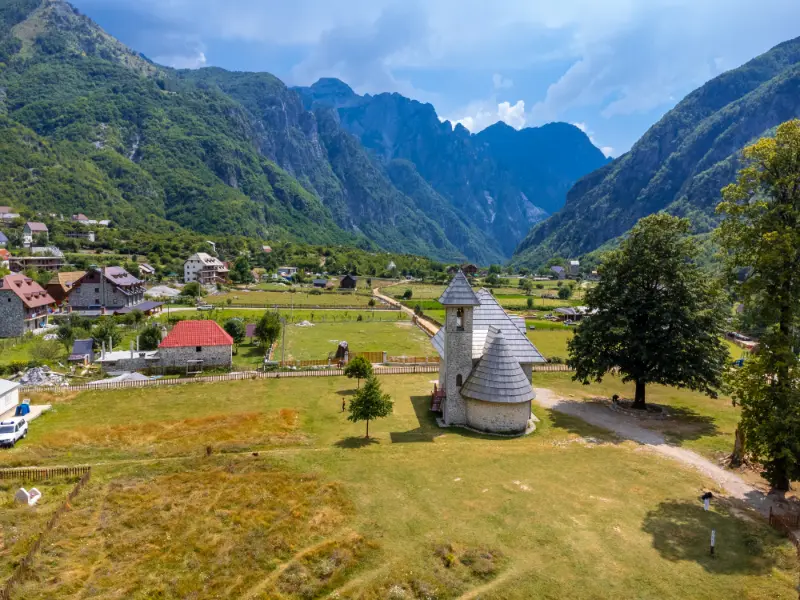
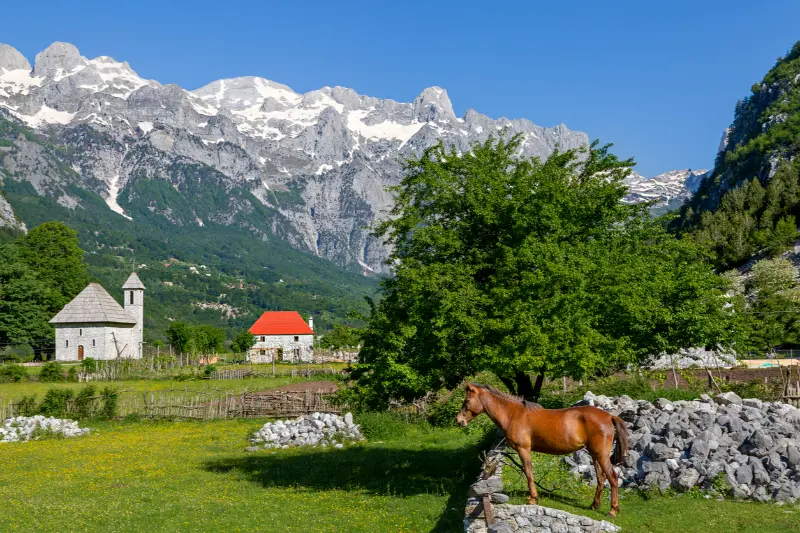
    Aerial View Catholic Church Valley Theth National Park Albania Albanian Alps

    Avoid adding a night simply because the room is inexpensive. Add it because the extra day reduces driving, creates a real rest day, or lets you experience the place at a better time of day. Likewise, do not cut a destination to one night if arrival and departure logistics leave only a few usable hours.

    Useful related guides

    For more detailed planning, continue with Theth with Kids and Theth to Valbona Hike Guide. These pages help you decide what you will actually do after checking in, which is the best way to test whether the accommodation area fits your itinerary.

    Frequently asked questions

    Where is the best place to stay in Theth for a first visit?

    The village center around the church is the easiest because the main sights, transfers and walking routes are close.

    Should I stay in Nderlysa?

    Yes if the Blue Eye and canyon area are central to your plan. It is less convenient for travelers who want to be near the church and the main village hub.

    Do I need a car in Theth?

    No for the classic central stay. Walking is the main way to move around the valley, and shared transfers from Shkoder are common in season.

    What kind of accommodation is typical?

    Family-run guesthouses, often called bujtina, dominate. Meals are an important part of the experience and should be confirmed when booking.

    How far ahead should I book?

    For the main summer hiking period, early booking is sensible because the most convenient and best-reviewed guesthouses can fill quickly.

    Final advice on where to stay in Theth

    The best accommodation decision in Theth is usually the one that removes the most repeated inconvenience. If you will walk to dinner every night, stay where that walk is pleasant. If you are carrying luggage over cobblestones, pay attention to access. If the beach is the whole point, verify the real path to the water. If you are leaving early for a ferry, hike or road trip, choose for the morning departure rather than the sunset photo.
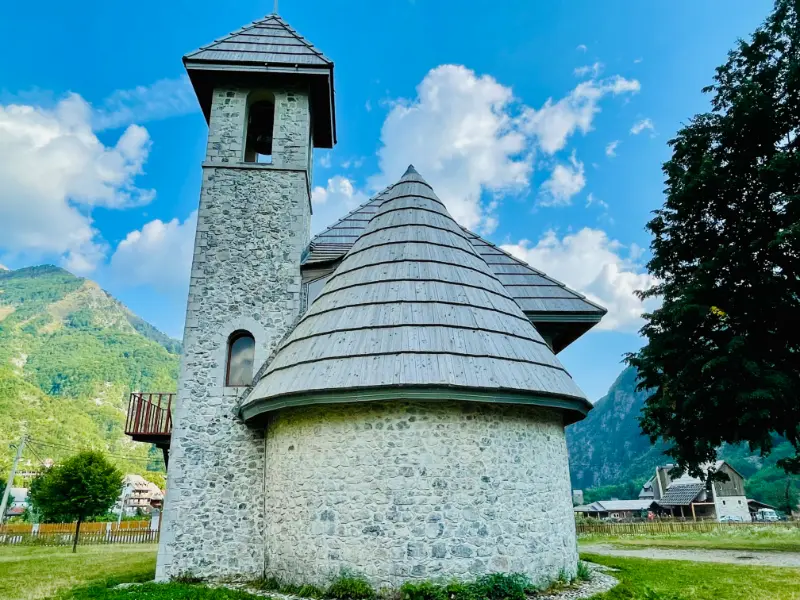
    Theth Church And Albanian Alps Albania

    Once those practical questions are solved, compare room quality and price. That order sounds simple, but it prevents the most common mistake in Albania accommodation planning: booking the prettiest or cheapest property first and only later discovering that its location does not match the trip.

    For couples: this destination couples guide explains which area works best for evenings, views, shared activities and a slower stay.

    Arriving by car: Driving and Parking in Theth: Mountain Road, Guesthouses and Hiking Logistics explains access, parking strategy, hotel logistics and when the car is actually useful.

    Planning excursions: See the best day trips from this base before choosing an area to stay if you plan to drive or use local transport every day.

    Short stay: Use the one-day itinerary if you are choosing accommodation for only one night or a day trip.
  • 14-Day Albania Itinerary: The Best Two-Week Route for a First Trip

    14-Day Albania Itinerary: The Best Two-Week Route for a First Trip

    Two weeks is long enough to see several sides of Albania without treating the country like a race. You can combine a capital, northern mountains, UNESCO cities and the Ionian coast, but the route only works if you respect travel time. My preferred first-trip structure is Tirana → Shkoder → Theth → Berat → Gjirokaster → Saranda/Ksamil → Himare/Riviera → Vlore → Tirana.

    This is a fuller version of the 7-day Albania itinerary. It assumes you want variety and are comfortable changing bases, but it still includes two-night stops in the places where slowing down matters most. If you are travelling with children, use the family guide and remove one region rather than forcing the same pace.

    Day 1: Arrive in Tirana

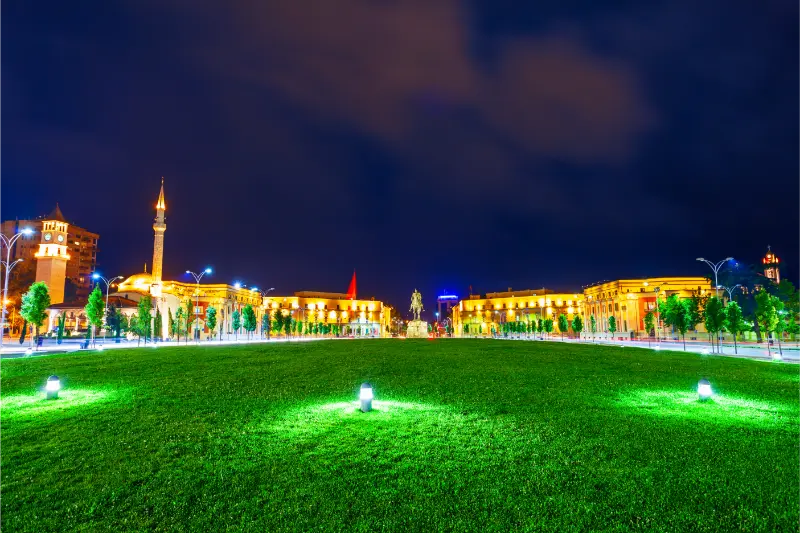
    Use the first day to settle into Tirana. Walk Skanderbeg Square, the central streets and Blloku, but keep the schedule light after a flight. If you arrive early, choose one museum; if you arrive late, focus on dinner and sleep.

    Stay centrally so you can walk. Compare central Tirana accommodation and avoid collecting a rental car until you actually need it if parking is not part of your hotel.

    Day 2: Tirana and Dajti or city culture

    Spend a full day in the capital. History-focused travellers can visit Bunk’Art or the House of Leaves; families may prefer the Grand Park and Dajti cable car. Do not try to see every museum. Tirana is also about cafés, food and observing how quickly the city is changing.

    Prepare for the north by withdrawing some cash, downloading offline maps and confirming transport or your rental-car pickup.

    Day 3: Tirana to Shkoder

    Travel to Shkoder and spend the afternoon in the pedestrian centre, at the Marubi museum or cycling toward the lake. If driving, stop at Kruje only if you leave early and genuinely want the castle; otherwise give Shkoder the time it deserves.

    Aerial Drone View Rozafa Castle Shkoder Walls Albania

    Sleep in Shkoder because it is the practical gateway for Theth and many northern transfers.

    Day 4: Shkoder to Theth

    Move into the Albanian Alps. The road journey itself is part of the experience, so do not plan a major hike on arrival. Check into a guesthouse, walk through the village and use the evening to understand the next day’s route. Read the Theth guide before deciding how ambitious to be.

    Mountain weather can change quickly. Keep a flexible plan and ask your host about current trail conditions.

    Day 5: Theth

    Use a full day for nature. Depending on fitness and conditions, choose the waterfall, canyon viewpoints or a longer hike. You do not have to complete the Theth–Valbona crossing for the mountains to be worthwhile.

    A second night matters because it lets you experience the valley after day visitors leave and removes the pressure to hike immediately after a long transfer.

    Day 6: Theth to Berat

    This is one of the longer transition days. Leave the mountains and head south toward Berat. If the journey feels too long for your travel style, insert a Tirana night or restructure the route with Lake Koman/Valbona instead.

    Aerial Shot Valbona Valley National Park Reflecting Waters Albania

    Arrive in time for an evening walk through Mangalem and Gorica, but save the castle for the next morning.

    Day 7: Berat

    Visit Berat Castle early, explore the historic neighbourhoods and take a long lunch. The city deserves a full day because its appeal is architectural and atmospheric rather than based on one attraction.

    If you want countryside, add a winery or nearby nature excursion, but do not let a day tour erase the time you came to spend in Berat itself.

    Day 8: Berat to Gjirokaster

    Drive south to Gjirokaster. The castle and old bazaar can fill the afternoon, while traditional houses add depth if opening times work. The stone streets are steep, so choose accommodation carefully if carrying luggage.

    This is another night where central location is more useful than a swimming pool outside town.

    Day 9: Gjirokaster to Blue Eye and Saranda

    Leave Gjirokaster and stop at the Blue Eye before continuing to Saranda. This is geographically efficient and avoids a separate excursion later. Arrive on the coast in time for a sunset walk and seafood dinner.

    Stay in Saranda if you want restaurants and ferries, or Ksamil if beach access matters more than evening city life.

    Day 10: Butrint and Ksamil

    Visit Butrint early, then spend the warmer part of the day at the coast. In peak summer, Ksamil can be crowded, so book beach facilities only if you actually want that style of day. Otherwise explore quieter nearby coves.

    Do not combine Butrint, Blue Eye and a full beach day unless you enjoy rushing. Two nights in the Saranda area make the south much easier.

    Day 11: Saranda to Himare via the Riviera

    Begin the northbound Riviera road trip. Stop at viewpoints, beaches or villages depending on season. The route is scenic but slow, and parking around popular beaches can add time.

    Sleep in Himare or nearby. Compare Himare accommodation for a base that lets you walk to dinner.

    Day 12: Himare and beaches

    Dedicate a full day to the coast. Choose one or two beaches from the best beaches in Albania guide instead of driving from cove to cove. If you prefer culture, visit Himare’s old village or a nearby hill settlement.

    This is deliberately a low-transfer day. After more than a week of movement, the itinerary needs a pause.

    Day 13: Himare to Vlore

    Drive over the Llogara area toward Vlore. Stop for views, lunch or a short walk, then continue to the city. In summer, allow extra time for traffic because this section can be busy.

    Spend the evening on the Lungomare. If your return flight is early the following day, you may prefer to continue to Tirana instead.

    Day 14: Vlore to Tirana and departure

    Return to Tirana with a generous buffer for the airport. If your flight is late, Apollonia or Durres can be added, but only if departure time leaves genuine margin. International flights should always take priority over squeezing in one last attraction.

    If you have a fifteenth night, add Apollonia or stay in Tirana and make departure day stress-free.

    Car or buses for this route?

    A rental car makes the southern half much easier and gives flexibility for Blue Eye, beaches and Llogara. Northern mountain transfers can be handled separately. Read the transport guide before booking because keeping a car parked while you are in Theth is not always the most efficient use of the rental.

    Travellers who dislike driving can build a similar route using buses, guesthouse transfers and occasional taxis, but should reduce the number of intermediate stops.

    Final planning notes

    This route is a framework, not a command. In July and August, add time to the coast and remove a city if beaches are the priority. In May, June, September and early October, the balance between hiking, cities and coast is often easier.

    Book the hardest pieces first: mountain guesthouses, peak-summer coastal rooms, ferries and any rental car. Leave ordinary city meals and minor attractions flexible so the trip still feels spontaneous.

    Extra practical advice

    If flights allow, reverse the entire route rather than forcing a one-way sequence that creates a bad final drive. Albania works well clockwise or anticlockwise; what matters is reducing backtracking and keeping the hardest transfer days apart.

    A two-week itinerary also needs unscheduled time. Leave at least one afternoon without tickets or a fixed excursion so weather, fatigue or a place you unexpectedly love can change the plan without causing a chain of cancellations.

    When planning 14 day Albania itinerary, I would also keep the wider route in mind. Albania rewards travellers who leave realistic margins between stops, confirm seasonal services directly and avoid basing an entire day on one old timetable or price. Save addresses and confirmations offline, carry some cash as a backup, and ask accommodation hosts for current local conditions when roads, weather or opening times could affect the plan. The most useful approach is to separate fixed decisions from flexible ones: book transport or accommodation that would be difficult to replace, but leave ordinary meals, viewpoints and minor stops open. That balance keeps the trip organised without making it rigid. It also allows you to change direction when a beach is crowded, a mountain road is slow or a local recommendation sounds better than the original plan.

    Aerial View Of Albanian Riviera Beach And Island

    When planning 14 day Albania itinerary, I would also keep the wider route in mind. Albania rewards travellers who leave realistic margins between stops, confirm seasonal services directly and avoid basing an entire day on one old timetable or price. Save addresses and confirmations offline, carry some cash as a backup, and ask accommodation hosts for current local conditions when roads, weather or opening times could affect the plan. The most useful approach is to separate fixed decisions from flexible ones: book transport or accommodation that would be difficult to replace, but leave ordinary meals, viewpoints and minor stops open. That balance keeps the trip organised without making it rigid. It also allows you to change direction when a beach is crowded, a mountain road is slow or a local recommendation sounds better than the original plan.

    \n\n

    More targeted Albania trip planning

    \n\n\n\n
  • Best Hikes in Theth: Grunas Waterfall, Blue Eye, Valbona Pass and Easy Valley Walks

    Best Hikes in Theth: Grunas Waterfall, Blue Eye, Valbona Pass and Easy Valley Walks

    Theth is a hiking destination first and a sightseeing village second. The valley contains easy walks that almost anyone with reasonable mobility can enjoy, but it also connects to serious Alpine routes where snow, storms and navigation matter. The most important planning decision is not “which trail is most famous?” but “which trail matches today’s conditions and my experience?”

    This guide uses “hike” broadly enough to include easier nature walks and tougher mountain days, but it does not pretend those activities carry the same risk. Distances, weather, trail markings and access roads can change. For remote or high routes, confirm conditions locally before leaving and carry a navigation method that works offline.

    Quick comparison

    RouteDifficultyBest forAccess
    Grunas WaterfallEasy to moderateBest first hike in ThethOn foot from village
    Blue Eye of Theth from NderlysaModerateBest half-day nature hikeWalk/transfer to Nderlysa + trail
    Theth to Valbona PassStrenuousBest classic point-to-point hikeOne-way hike with transport/luggage logistics
    Village, church and lower valley walkEasyBest recovery or arrival-day walkOn foot
    Okol springs / upper valley walkEasy to moderateBest quieter valley sceneryOn foot or guesthouse transfer-assisted

    Which hike should you choose?

    If this is your first outdoor day in the area, choose the route with the simplest access and an obvious turnaround point. Save the highest or most remote objective for a day when the forecast, transport and your energy all line up. I would rather complete a shorter route comfortably than turn a holiday into a rescue problem by chasing a summit because it was on the original itinerary.

    Grunas Waterfall

    Best first hike in Theth. Difficulty: Easy to moderate. Access: On foot from village. Grunas is the easiest classic. The official tourism portal places the waterfall roughly a 30-minute walk from the village, though your total time depends on the guesthouse location and stops. Use the Grunas Waterfall guide and add the canyon viewpoint only if footing and weather are good.

    Man Hat Stays Streams Waterfall Grunas Waterfall Site Inside National Park Theth Albania

    Blue Eye of Theth from Nderlysa

    Best half-day nature hike. Difficulty: Moderate. Access: Walk/transfer to Nderlysa + trail. The Blue Eye route is longer and rougher than Grunas, with rocky terrain near the water. The Blue Eye of Theth guide explains the Nderlysa approach. Start early in peak summer and do not rely on the pool as your drinking-water source.

    Theth to Valbona Pass

    Best classic point-to-point hike. Difficulty: Strenuous. Access: One-way hike with transport/luggage logistics. The Valbona Pass crossing is the famous route, but it is not a casual village walk. Snow can remain into shoulder season, storms arrive quickly and the one-way finish creates luggage/transport issues. Read the Theth–Valbona hike guide and confirm current trail conditions locally.

    Village, church and lower valley walk

    Best recovery or arrival-day walk. Difficulty: Easy. Access: On foot. Link the church, traditional houses and riverside/valley lanes into a gentle loop. This is the right choice after a long transfer or before a major hike, and it gives you a much better sense of the settlement than rushing straight to a trailhead.

    Okol springs / upper valley walk

    Best quieter valley scenery. Difficulty: Easy to moderate. Access: On foot or guesthouse transfer-assisted. The upper valley toward Okol gives you a quieter nature walk among fields, forest and cold springs. The exact route from your guesthouse varies, so ask the host for the current local path and bridge conditions.

    Do you need a guide?

    For an obvious low-elevation walk with clear local directions, most experienced travelers can usually walk independently. A guide becomes much more valuable when the route is high, remote, poorly signed, seasonally snow-covered, canyon-based or dependent on a vehicle pickup at a different endpoint. A guide can also turn a simple walk into a better cultural/nature experience because local place names and private-land boundaries are not always obvious on online maps.

    Never use “there are reviews online” as a substitute for current conditions. A route can be straightforward in July and inappropriate after an October storm or during late spring snowmelt.

    Getting to the trailheads

    A car is unnecessary for most Theth hikes once you are in the valley. In fact, a car can complicate the one-way Valbona Pass because it remains in Theth. Use the Theth driving guide if self-driving.

    Tourist Walking Road Valbona Valley Enjoying Freedom Theth National Park Albanian Alps Valbona Albania

    Best hikes for families

    Grunas and the village/upper-valley walks are best for families. Blue Eye suits active older children. The Valbona Pass should be evaluated as a mountain crossing, not a family attraction.

    Best time of year

    The main hiking period is broadly late spring through early autumn, but high routes do not follow a guaranteed calendar. The official tourism portal notes maintained hiking trails, yet current snow, rain and storm forecasts should decide Valbona Pass and other high objectives. Lower valley walks remain possible in a wider range of conditions.

    Heat, storms and mountain safety

    Start early in warm weather and carry more water than you expect to need. On exposed ridges, thunder is a reason to turn around, not an invitation to wait under the tallest tree. In canyons and near waterfalls, heavy rain upstream can change conditions even if the sky above you looks better. In the Alps and other high ranges, snow, fog and wind can make a familiar summer route a completely different undertaking.

    Tell someone where you are going when the route is remote, keep your phone charged, download offline mapping and do not count on mobile coverage. If the trail is beyond your navigation or scrambling experience, choose a local guide rather than learning those skills in a place you do not know.

    What to pack

    • Shoes with reliable grip rather than smooth city sneakers.
    • At least one extra layer, even on a warm valley day if the route gains altitude.
    • Sun protection: hat, sunscreen and sunglasses.
    • Enough water plus a small snack; do not assume every spring is safe to drink.
    • Offline map, charged phone and small power bank on longer routes.
    • Compact rain/wind shell.
    • Basic first-aid items and any personal medication.
    • Cash for rural cafés, taxis or guesthouse transfers where cards may not be practical.

    Where to stay for hiking

    Compare current accommodation in Theth on Booking.com.

    For area-by-area accommodation advice, read the local Where to Stay guide. For hiking trips I care more about early breakfast, vehicle access, luggage storage and the host’s current trail knowledge than about a small difference in room decoration.

    Guided hikes and outdoor tours

    Guided options are most useful when transport and hiking are bundled together, especially from a city base or on routes where the start and finish are different. Compare the current activity description carefully rather than assuming every tour includes the same trail or difficulty.

    How to plan a two-hike stay

    I use the first outdoor day for the easier route. That gives me a real sense of local heat, trail surfaces, driving and my own energy after travel. I put the harder objective on the second day with a backup plan. If the weather is poor, I swap the order rather than forcing the mountain day. This simple strategy is especially useful in Theth, Valbona, Tomorr, Nëmërçka and the higher Korçë/Pogradec ranges.

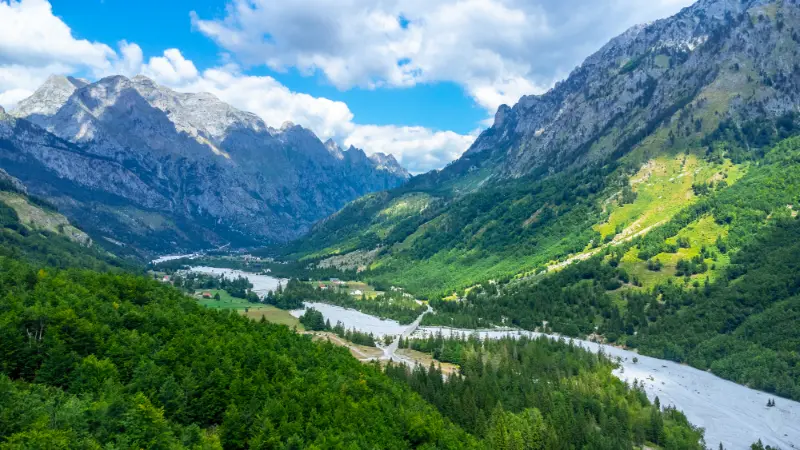
    Panoramic Aerial Drone View Valbona Valley Theth National Park Albanian Alps Albania 2

    Common hiking mistakes

    • Starting too late because the route looks short on a map.
    • Using road-driving time as if it were guaranteed trailhead access.
    • Following an old GPX track without checking closures, private land or changed paths.
    • Carrying too little water on exposed summer routes.
    • Treating a canyon, waterfall or river crossing as safe after heavy rain.
    • Assuming a famous high pass is snow-free because the valley is warm.
    • Wearing sandals on loose rock because the hike ends at a beach or thermal spring.
    • Booking an onward bus or flight too tightly after a mountain day.

    Official and related planning resources

    For the destination overview, see the official Albania tourism page. The national trail overview Best Hiking Trails in Albania is useful for comparing this area with the rest of the country.

    Frequently asked questions

    Can I hike here without a car?

    At least one of the routes in this guide can usually be done without owning a car, but the answer depends on your accommodation and the exact trail. City-adjacent walks are easiest; remote national-park and high-mountain trailheads often require a taxi, driver, shuttle or rental car.

    Do I need hiking boots?

    For easy dry paths, good trail shoes can be enough. For loose rock, wet canyon terrain, snow or a major mountain route, more supportive footwear is a better choice. Grip matters more than brand.

    Can I hike in July and August?

    Yes, but start early, carry substantial water and reduce exposed midday walking. Higher mountain routes may be cooler, while low canyon and coastal paths can become extremely hot.

    Is hiking safe after rain?

    It depends on the route. Rain can make stone, clay and roots slippery, and canyon or river conditions can change rapidly. Choose a lower-risk route or wait when conditions are uncertain.

    Should I download an offline map?

    Yes for anything beyond an obvious short walk. Mobile signal is not a reliable navigation strategy in mountain and canyon terrain.

    Final recommendation

    Build the hiking day around conditions rather than ambition. Choose one route that matches your transport, fitness and the forecast, start earlier than you think you need to, and keep a lower-risk alternative ready. Albania’s best outdoor experiences are not improved by rushing them.

  • Lake Koman and Valbona Travel Guide: How to Plan Albania’s Classic Northern Mountain Route

    Lake Koman and Valbona Travel Guide: How to Plan Albania’s Classic Northern Mountain Route

    The journey from Shkodër through Lake Koman to Valbona is one of the routes that turns transport into part of the attraction. Instead of simply taking a road from one mountain valley to another, you combine vans, a boat journey through steep-sided water landscapes and another transfer into the Albanian Alps. It is beautiful, but it works best when you plan the connections carefully.

    I see this route as an extension of Shkodër and Theth, not as an isolated ferry excursion. If you only have a few days, a simple Shkodër–Theth return is easier. If you have four to six days for the north, Koman and Valbona can make the journey much richer.

    What is the Lake Koman route?

    Lake Koman is a reservoir in northern Albania surrounded by steep mountain terrain. Passenger boats and ferries operate along the water, most famously connecting the Koman area with Fierza. Travellers often use this as the middle section of a longer transfer from Shkodër toward Valbona Valley.

    The appeal is the scenery: narrow sections of water between mountains, changing light and the feeling of travelling through terrain that would be much less memorable by road. But the boat does not magically solve every transport problem—you still need to reach the departure point and continue from the arrival side.

    The classic Shkoder–Koman–Valbona sequence

    1. Sleep in Shkodër the night before.
    2. Take an early transfer from Shkodër toward the Koman departure area.
    3. Board the booked passenger boat or ferry for the journey toward Fierza.
    4. Continue by pre-arranged van, taxi or local transfer into Valbona Valley.
    5. Stay in Valbona rather than trying to add a major hike on arrival day.

    Exact operators, departure times and seasonal schedules can change. I confirm the complete chain with my guesthouse or transport provider shortly before travel and avoid relying on a screenshot from a previous year.

    Should you book the ferry in advance?

    In the main hiking season, I would book the key boat connection and overnight accommodation in advance, especially if the route is essential to a fixed itinerary. Ask exactly where check-in takes place, whether the ticket includes any road transfer and how luggage is handled. Similar-sounding products may include very different services.

    What to expect on the boat

    The journey is scenic rather than luxurious. Depending on the vessel, shade, seating, toilets and food options can vary. Bring water, a light layer for wind, sun protection and something small to eat even if refreshments are advertised. Keep important documents and electronics in a day bag rather than buried in luggage.

    If you are prone to motion sickness, the reservoir is often calmer than open sea, but boat movement and road transfers can still affect you. Prepare based on your own experience rather than assuming a lake journey cannot cause discomfort.

    Valbona Valley: why stay at least two nights

    Valbona is not just a place to sleep before walking to Theth. The valley itself deserves time for shorter walks, mountain views and quiet evenings. Staying two nights gives you a buffer for weather and lets you experience the landscape without every moment being organised around the famous pass.

    Panoramic Aerial Drone View Valbona Valley Theth National Park Albanian Alps Albania 2

    Guesthouses are a major part of the experience. Many include or offer home-cooked meals, and staying near your planned trail access can simplify the morning. Ask about cash payment, packed lunches and luggage arrangements before arrival.

    The Valbona to Theth hike

    The crossing between Valbona and Theth is one of Albania’s best-known hikes, but it is a genuine mountain route rather than a casual sightseeing walk. Distance, elevation, heat, weather and carrying luggage all matter. Trail conditions can change seasonally, and snow may remain or arrive outside peak summer.

    My Theth and Albanian Alps guide covers the hike in more detail. I would not attempt the crossing in poor weather or simply because it is “the famous thing to do.” There are many ways to enjoy both valleys without completing the full route.

    Luggage on the mountain route

    This is where good planning makes the biggest difference. Carrying a full suitcase or heavy travel backpack over a mountain pass can turn a beautiful day into a miserable one. Leave non-essential luggage in Shkodër if you are returning, or arrange a luggage-transfer service when available and reliable.

    Can you do Lake Koman without hiking?

    Absolutely. You can use the boat as a scenic journey and spend time in Valbona without crossing to Theth. This works for families, travellers with limited hiking experience or anyone who simply prefers shorter walks. The north should not be reduced to one famous trek.

    Panoramic Aerial Drone View Valbona Valley Theth National Park Albanian Alps Albania

    Lake Koman as a day trip

    A day trip from Shkodër is possible with the right transport product, but it can involve very early starts and long road transfers around the boat journey. I would choose it only if you cannot dedicate nights to Valbona. The classic multi-day route makes the travel feel purposeful rather than repetitive.

    Best time for the route

    Late spring through early autumn is the main period for most travellers, but mountain conditions are not identical from year to year. The ferry may operate on a different seasonal pattern from hiking conditions. That means “the boat is running” does not automatically mean “the Valbona–Theth pass is safe and snow-free.”

    In midsummer, heat becomes a hiking concern even when the trail is clear. Start early, carry enough water and avoid treating a mountain crossing as an afternoon activity.

    Where to stay in Valbona

    Choose accommodation based on trail access and transport, not just the prettiest photo. Valbona Valley is spread out, and two guesthouses listed under the same destination can be far apart on foot. Ask where your incoming transfer will drop you and how you will reach the next day’s trail.

    You can compare guesthouses in Valbona on Booking.com. This is a sponsored link. Recent reviews about location, meals, heating, road access and host communication are especially useful in a mountain destination.

    Where to stay before the route

    I strongly prefer sleeping in Shkodër the night before rather than arriving from Tirana on the same morning. It gives you a buffer, lets you confirm the pickup and provides somewhere to store extra luggage.

    What to pack

    • A small backpack rather than your full travel luggage.
    • Rain protection even when the forecast looks good.
    • A warm layer for early mornings and changing mountain weather.
    • Sun protection and enough water capacity for the hike you actually plan.
    • Offline maps and accommodation contact details.
    • Cash for guesthouses, meals and local transfers.
    • Proper hiking shoes if crossing the pass.

    A 4-day northern loop

    Day 1: Shkoder

    Explore Shkodër, visit Rozafa Castle and sleep in the city. Confirm the next morning’s pickup before dinner.

    Day 2: Lake Koman to Valbona

    Take the early transfer, complete the boat journey and continue into Valbona. Keep the afternoon light: check in, walk locally and rest.

    Day 3: Valbona

    Use the day for a shorter hike or valley exploration. If your plan is to cross to Theth the next day, prepare your pack and confirm weather.

    Day 4: Valbona to Theth

    Start early for the pass only if conditions are appropriate. Once in Theth, stay overnight rather than expecting a long same-day transfer back to Tirana.

    Common mistakes

    • Booking a ferry ticket without understanding the road transfers on both sides.
    • Arriving in Shkodër the same morning as an early boat connection.
    • Carrying unnecessary luggage over the pass.
    • Assuming published summer hiking advice applies in spring or late autumn.
    • Planning a tight flight immediately after leaving the mountains.

    The Lake Koman–Valbona route works because the transport is part of the story. Give each connection breathing room and the journey becomes one of northern Albania’s highlights.

    Build the route around Shkodër, then continue with Theth. For the rest of the country, use my transport guide and first-time Albania planning guide.

    Final planning checklist

    Before publishing a final itinerary around Lake Koman Valbona travel guide, I recheck three things: the weather, the transport for the next day and the exact location of my accommodation. These small checks prevent most avoidable problems in Albania, especially in summer when traffic is heavier and in mountain regions where conditions can change quickly.

    • Save accommodation addresses and phone numbers offline.
    • Carry some Albanian lek for small businesses and transport.
    • Confirm parking before driving into historic centres or beach resorts.
    • Download offline maps before mountain or rural days.
    • Leave margin between a long transfer and any fixed tour or ferry.

    I also avoid planning every meal, beach and café in advance. Albania is still a destination where local advice can improve the trip significantly. Guesthouse owners often know the current road condition, the best departure time or whether a supposedly quiet beach has become crowded that week.

    Is this destination suitable for a first trip to Albania?

    Yes if it fits the wider route and your interests. The mistake is not choosing the “wrong” destination; it is combining too many good destinations into too few days. Two or three well-planned bases usually create a better first trip than six rushed overnight stops.

    Do I need to book everything in advance?

    In July and August I book accommodation in popular coastal areas and any essential transport connection. Outside peak season I keep more flexibility, while still reserving special guesthouses or small properties that I would be disappointed to miss. Activities that depend on sea or mountain weather are often better confirmed closer to the day when cancellation terms allow it.

    Cash or card?

    Carry both. Cards are increasingly common in larger hotels, supermarkets and restaurants, but cash remains useful for buses, rural guesthouses, parking and small family businesses. Having a backup payment method is more important than trying to make the entire trip cashless.

    For the bigger picture, return to the Albania travel guide and use the travel-cost guide to check how this stop fits your time and budget.

    Related guide: If you want a water-focused day rather than a through ferry journey, read our Shala River guide.

    Related guide: For detailed ferry logistics, tickets and onward connections, use our Lake Koman ferry guide.

    Mountain transport: Shkoder to Theth and Shkoder to Valbona explain the shuttle, ferry and car logistics before you commit to the classic Alps route.

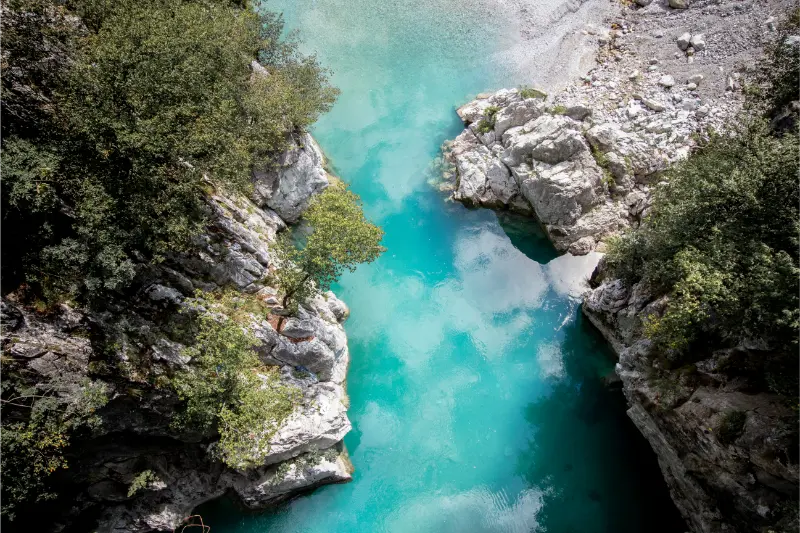
    Aerial Drone View Small Beach Turquoise River Valbona Valley Theth National Park Albanian Alps

    Route planning: Shkodër to Koman Lake: Shuttle, Car, Ferry Connection and What to Book explains bus/shuttle, car, transfer, luggage and seasonal logistics.

    Route planning: Tirana to Valbona: Koman Ferry Route, Direct Road, Shuttle and Car Options explains bus/shuttle, car, transfer, luggage and seasonal logistics.

    Northern Albania route guides

  • Best Hiking Trails in Albania: Theth, Valbona, Korab, Llogara and Tomorr

    Best Hiking Trails in Albania: Theth, Valbona, Korab, Llogara and Tomorr

    Hiking in Albania ranges from gentle village walks to demanding alpine passes and high peaks. The country’s official tourism portal highlights the Albanian Alps, historic routes such as Via Egnatia, Mount Korab, Llogara, Tomorr and many other mountain areas for walking and trekking. That variety is exactly why a single “best trail” ranking is not very useful: the right hike depends on season, fitness, navigation experience and whether you want a village-to-village journey or a summit day.

    The most important planning habit is to separate scenic reputation from current conditions. A route that is famous on social media can still be unsuitable after snow, storms, extreme heat or trail damage. Ask locally, start early and be willing to choose a shorter walk.

    Theth to Valbona Pass

    The Theth–Valbona crossing is Albania’s classic mountain hike, linking two valleys across the Albanian Alps. It belongs in a multi-day northern itinerary rather than as a casual add-on from Tirana. Use our Theth guide and Lake Koman and Valbona guide to organize both sides.

    Aerial Drone View Rustic Homes Hotels Theth National Park Albania Albanian Alps 2

    Snow can remain on higher terrain outside the core hiking season. Confirm the pass condition with guesthouses or guides before setting out and do not assume that an open road into the valley means the high trail is also clear.

    Shorter walks around Theth

    You do not need to cross the pass to enjoy Theth. Grunas Waterfall, canyon viewpoints, village paths and other local walks can create a full mountain stay. The official tourism portal lists Grunas Waterfall and the wider valley among Theth’s major natural attractions.

    Read our waterfall guide if you want a lower-commitment hiking day.

    Mount Korab

    Mount Korab is Albania’s highest summit and a serious mountain objective. Official tourism information describes it as a major destination for mountaineers and hikers on the border with North Macedonia. Use the official Korab page for geographic context.

    A high summit requires an early start, stable weather, sufficient water and navigation confidence. If you are not experienced in mountain terrain, use a local guide rather than choosing the route only from a GPS track.

    Llogara and the coastal mountains

    Llogara offers the unusual combination of mountain walking and Ionian-coast views. Trails and old paths can be incorporated into a Riviera road trip, which makes the area especially attractive for travellers who do not want a separate alpine expedition.

    Summer heat can be intense at lower elevations even when the pass feels cooler. Carry more water than a city walk would require and avoid exposed midday sections during heat waves.

    Mount Tomorr

    Mount Tomorr, above the Berat and Skrapar region, combines hiking with cultural and spiritual significance. The official tourism portal describes a summit area above 2,400 metres and annual religious pilgrimage traditions. See the official Mount Tomorr page.

    Base yourself in Berat or the wider region and confirm road access before planning the approach. Some mountain roads may be more suitable for high-clearance vehicles or local transport.

    Via Egnatia and lower-level hiking

    Not every Albania hike needs to be alpine. The official tourism portal mentions historic routes such as the Via Egnatia, which can offer a combination of walking, archaeology and village landscapes.

    For a cultural walker, these routes can be preferable in spring or autumn when high mountains are snowy. Use local trail information because historic routes may have road crossings and sections with varying waymarking.

    Best seasons for hiking

    Late spring through early autumn is generally the broadest hiking window, but altitude matters. Spring can still mean snow high in the Alps, while summer can be excessively hot on exposed southern routes. Read spring, summer and autumn guides.

    Start times matter as much as month. In hot weather, an early trailhead can transform the experience and reduce exposure to afternoon storms or heat.

    Navigation and mobile coverage

    Download offline maps before leaving your accommodation. Carry a power bank and do not depend on a single phone for a long remote route. A paper overview or second device is useful on major mountain days.

    Trail markings can vary. When a junction is unclear, stop and confirm rather than continuing downhill simply because the path looks more used.

    Gear that is actually useful

    Sturdy footwear, water, sun protection, layers, a rain shell, basic first aid and a charged headlamp cover many day-hike needs. Trekking poles can be helpful on loose descents but are not a substitute for suitable shoes.

    For long alpine routes, add enough food, emergency insulation and navigation backup. If the route may require technical equipment, it is no longer an ordinary hiking day and should be planned accordingly.

    Solo hiking and guides

    If travelling alone, read our solo travel guide and use a more conservative standard in remote terrain. Tell your guesthouse your plan and expected return time.

    A guide is especially valuable for winter conditions, lesser-known trails, summit routes or travellers who want interpretation of local geography and culture rather than only navigation.

    Final planning tips

    The official Albania hiking and trekking overview is a useful starting point, but current trail conditions should always be checked locally.

    Choose the hike that fits the weather and your experience, not the one with the most famous photograph. Albania rewards both ambitious mountain days and slow walks between villages.

    Extra practical advice

    For major hikes, ask your accommodation three questions the evening before: what are conditions now, what time should I start, and where do most visitors make navigation mistakes? Local answers can be more valuable than a generic trail description written months earlier.

    Theth Valley And Albanian Alps

    Keep the itinerary flexible enough to respond to weather, transport changes and local advice. Confirm any service that would materially affect the day, carry offline directions and avoid adding another major stop simply because the map distance looks short. Albania rewards travellers who leave time for the road, the landscape and unplanned discoveries between headline attractions.

    Keep the itinerary flexible enough to respond to weather, transport changes and local advice. Confirm any service that would materially affect the day, carry offline directions and avoid adding another major stop simply because the map distance looks short. Albania rewards travellers who leave time for the road, the landscape and unplanned discoveries between headline attractions.

    Keep the itinerary flexible enough to respond to weather, transport changes and local advice. Confirm any service that would materially affect the day, carry offline directions and avoid adding another major stop simply because the map distance looks short. Albania rewards travellers who leave time for the road, the landscape and unplanned discoveries between headline attractions.

    Keep the itinerary flexible enough to respond to weather, transport changes and local advice. Confirm any service that would materially affect the day, carry offline directions and avoid adding another major stop simply because the map distance looks short. Albania rewards travellers who leave time for the road, the landscape and unplanned discoveries between headline attractions.

    Keep the itinerary flexible enough to respond to weather, transport changes and local advice. Confirm any service that would materially affect the day, carry offline directions and avoid adding another major stop simply because the map distance looks short. Albania rewards travellers who leave time for the road, the landscape and unplanned discoveries between headline attractions.

    Keep the itinerary flexible enough to respond to weather, transport changes and local advice. Confirm any service that would materially affect the day, carry offline directions and avoid adding another major stop simply because the map distance looks short. Albania rewards travellers who leave time for the road, the landscape and unplanned discoveries between headline attractions.

    Keep the itinerary flexible enough to respond to weather, transport changes and local advice. Confirm any service that would materially affect the day, carry offline directions and avoid adding another major stop simply because the map distance looks short. Albania rewards travellers who leave time for the road, the landscape and unplanned discoveries between headline attractions.

    Keep the itinerary flexible enough to respond to weather, transport changes and local advice. Confirm any service that would materially affect the day, carry offline directions and avoid adding another major stop simply because the map distance looks short. Albania rewards travellers who leave time for the road, the landscape and unplanned discoveries between headline attractions.

    Keep the itinerary flexible enough to respond to weather, transport changes and local advice. Confirm any service that would materially affect the day, carry offline directions and avoid adding another major stop simply because the map distance looks short. Albania rewards travellers who leave time for the road, the landscape and unplanned discoveries between headline attractions.

    Keep the itinerary flexible enough to respond to weather, transport changes and local advice. Confirm any service that would materially affect the day, carry offline directions and avoid adding another major stop simply because the map distance looks short. Albania rewards travellers who leave time for the road, the landscape and unplanned discoveries between headline attractions.

    Keep the itinerary flexible enough to respond to weather, transport changes and local advice. Confirm any service that would materially affect the day, carry offline directions and avoid adding another major stop simply because the map distance looks short. Albania rewards travellers who leave time for the road, the landscape and unplanned discoveries between headline attractions.

    Related guide: For rafting, paragliding, kayaking and more, see our broader Albania adventure guide.

    Related guide: For a serious multi-day challenge, see our Peaks of the Balkans trail guide.

    Related guide: For a quieter alpine base in Kelmend, see our Lepushe travel guide.

    Related guide: Experienced hikers considering the highest peak of the Albanian Alps should read our Jezerca guide.

    Aerial Drone View Rustic Homes Hotels Theth National Park Albania Albanian Alps

    Related guide: For a serious southern mountain objective, read our dedicated Mount Nemërçkë hiking guide.

    Hiking guides by base

    These local hiking hubs compare easy nature walks, day hikes and major mountain objectives around the bases travelers use most often.

    Useful Albanian phrases: Albanian Hiking Phrases: Trails, Guesthouses, Water, Weather and Mountain Help.

  • 1 Day in Theth: A Realistic Itinerary for the Village, Grunas Waterfall and Alpine Views

    1 Day in Theth: A Realistic Itinerary for the Village, Grunas Waterfall and Alpine Views

    One day in Theth is enough for the village’s cultural core and one moderate nature walk, but it is not enough for every headline attraction. The smartest plan is to treat the valley itself as the destination: see the church and Lock-in Tower, walk to Grunas Waterfall, enjoy a long local lunch and leave time for the river and mountain views. Trying to add the Blue Eye and the Valbona Pass to the same day turns a beautiful mountain visit into a race.

    Man Hat Stays Streams Waterfall Grunas Waterfall Site Inside National Park Theth Albania

    The schedule below is designed around realistic travel friction rather than the maximum number of pins you can place on a map. In a one-day visit, parking, walking, lunch and the return journey are part of the itinerary. I would rather finish one place properly than spend the afternoon moving between attractions for ten-minute stops.

    One-day itinerary at a glance

    TimePlanWhy it fits
    08:00–09:00Arrive / breakfastSettle into the valley and confirm trail conditions.
    09:00–10:00Theth Church + villageEasy cultural start and classic valley views.
    10:00–10:45Lock-in Tower areaShort cultural stop; verify current opening if entering.
    11:00–13:30Grunas Waterfall walkMain nature activity of the day.
    13:30–15:00LunchGuesthouse-style meal and real rest.
    15:00–17:00River / village walkFlexible low-stress afternoon.
    17:00 onwardSunset / departureStay overnight if possible rather than driving tired.

    Step-by-step itinerary

    Start with the church and the center of the valley

    Theth Church is one of the easiest landmarks to place at the beginning of the day because it gives you an immediate sense of the valley’s scale without using much energy. Walk slowly around the surrounding lanes, look back toward the peaks and resist the urge to start the day with the longest hike. The first hour is also when you can ask your guesthouse about rain, recent trail conditions and any local changes that a generic map will not show. Use the Theth Church Guide if you want the historical context before you arrive.

    Add the Lock-in Tower as a cultural stop

    The Kulla e Ngujimit is important because Theth is not only a mountain backdrop. It connects the village with older social traditions and the Kanun. The outside area is easy to include in a one-day route; if you want to enter, verify the current opening locally rather than building the entire schedule around an old timetable. Read the Lock-in Tower Guide for the background, then keep the visit concise so the best walking hours remain available.

    Make Grunas Waterfall the main hike

    For a one-day visit, Grunas Waterfall is the best single nature objective because it creates a proper hiking experience without committing the whole day to a high alpine route. The path can be rocky and conditions change after rain, so good footwear matters. Give yourself enough time to stop, photograph and return without turning the walk into a speed challenge. The Grunas Waterfall Guide covers the dedicated route. If the weather is unstable, shorten the walk rather than pushing farther into the canyon.

    Have a real lunch instead of eating on the move

    A mountain day improves when lunch is part of the itinerary. A guesthouse or local restaurant meal gives you time to rest, refill water and decide whether the afternoon should remain gentle or include another short walk. This is also the point to reassess the weather. If clouds are building or the trail was harder than expected, the correct decision is often to enjoy the village rather than force the Blue Eye into the remaining hours.

    Use the afternoon for the river and village

    Theth’s landscape works even when you are not ticking off attractions. Walk near the river, cross only established bridges, explore the lanes around the guesthouses and look back toward the surrounding peaks. This flexible block is particularly valuable for families and travelers arriving after a long transfer. It also protects the itinerary from small delays: if Grunas takes longer, you lose only unstructured walking rather than a paid transfer or a second major hike.

    Treat the Blue Eye as an alternative, not an automatic extra

    The Blue Eye of Theth is a worthwhile excursion, but it deserves its own time and transport/walking plan. If it is your priority, replace Grunas rather than stacking both into a short day. The Blue Eye of Theth Guide explains the route. This is particularly important if you are coming from Shkodër and returning the same day, because the road journey already consumes a large part of the daylight.

    Can you do this without a car?

    A car gives flexibility but is not automatically the best tool in Theth. If you are staying overnight and returning by road, it can work well. If your wider plan includes the one-way Theth–Valbona hike, leaving the car in Shkodër is usually simpler. Never treat mountain road conditions as fixed; check locally before driving.

    If you are using buses or shuttles, verify the return before you start the sightseeing day. A one-day itinerary has much less tolerance for a missed last service than a two-night stay. When the final attraction is outside the center, a taxi can be a sensible one-off expense rather than a reason to rent a car for the entire trip.

    One day with children

    With children, shorten the walking target and make the church, river and one nature stop the core. Grunas can work for active families, but the trail surface matters more than the nominal distance. A relaxed valley day is still a complete Theth experience.

    Christian Church Village Theth National Park Albania

    The family version should normally remove one stop, not simply move faster. Build in toilets, shade, food and a place where children can move without worrying about traffic or fragile heritage. On hot coastal days, protect the middle of the afternoon rather than scheduling the most exposed walk at 14:00.

    What to do if the weather changes

    In rain or low cloud, do not replace a cancelled high walk with another exposed trail. Use the village, church, food and short safe walks, then save the main hike for a clearer morning if you stay overnight.

    Check the short-range forecast the evening before and again in the morning. In the mountains, current local advice should outweigh a generic app. On the coast, wind can matter as much as rain because it changes swimming and boat conditions. In heritage towns, wet stone and steep lanes can be the main practical problem.

    Where to stay if you turn the day trip into an overnight

    Compare current accommodation in Theth on Booking.com.

    For location strategy, use the local Where to Stay guide. A one-night stay is often worth more than an extra attraction because it gives you the evening and early morning without the pressure of the return journey.

    Useful planning guides

    If you are driving, also read the driving and parking guide before arrival.

    If you have two days instead

    With an extra day, do not simply repeat the same route more slowly. Use the two-day itinerary to add the major hike, neighboring beach or regional excursion that would make this one-day plan too crowded.

    Tours and activities

    Organized activities can be useful when they solve transport or add a specialist guide, but they are not mandatory for the basic one-day itinerary. Compare the meeting point and total duration with what you can comfortably do independently.

    What to pack for one day

    • Comfortable shoes matched to the terrain rather than only to the weather.
    • Water and sun protection from late spring through early autumn.
    • A light rain/wind layer for mountains, coast and shoulder season.
    • Some Albanian lek for small cafés, parking or local transport.
    • Offline maps and the return transport details saved on your phone.
    • Swimwear only when the itinerary genuinely includes the coast or safe swimming.

    Common one-day mistakes

    • Adding a second major excursion simply because it looks close on the map.
    • Planning the day around an old bus timetable without checking the return.
    • Ignoring parking or the final walk from the road to the attraction.
    • Skipping lunch and then losing time searching for food late in the afternoon.
    • Treating mountain, beach or heritage access as identical in every season.
    • Leaving the most important stop until the final hour before departure.

    Is one day enough?

    If Theth is one of the main reasons for your Albania trip, one day is too little. Two or three nights let you separate Grunas, the Blue Eye and a longer alpine hike instead of forcing them together.

    If you are deciding how to divide a longer Albania trip, use How Many Days in Albania? to compare the value of extra nights across the country. The best itinerary is not the one with the most destinations; it is the one where transfers do not consume the experiences you traveled for.

    Frequently asked questions

    What time should I start?

    For a true one-day visit, start in the morning. On mountain or castle days, an early start also gives you cooler walking and more weather margin. On a pure beach day, arriving early helps with parking and shade.

    Should I book attractions in advance?

    Usually the key bookings are accommodation, major tours, mountain transfers or boat activities rather than every small sight. Verify current opening information for museums, castles or religious interiors before building the day around them.

    Can I do this as a day trip from Tirana?

    That depends on the destination. Elbasan, Lezhë and Golem are much easier than Theth, Valbona or the southern Riviera. A long transfer can turn a technically possible day trip into a poor use of time.

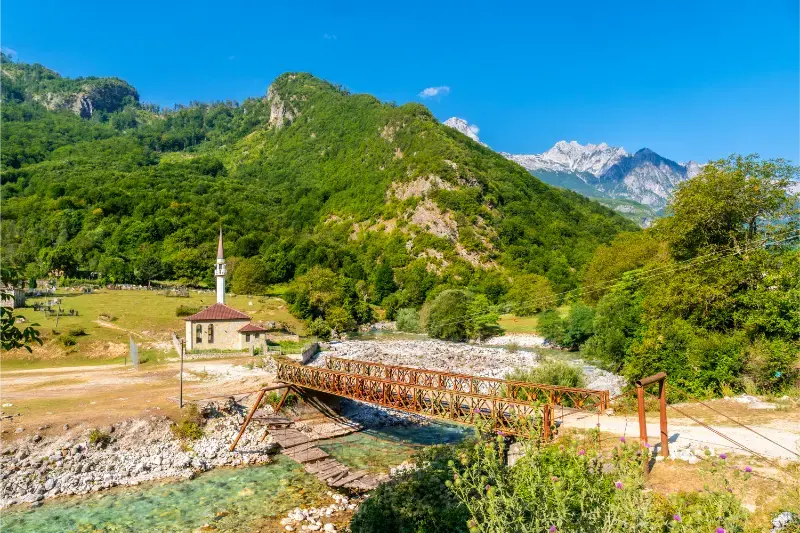
    Small Mosque Dragobi Valbona Valley Theth National Park Albanian Alps Albania

    Is a guided tour worth it?

    It can be when transport is complicated or historical context is important. For a compact beach or village day, independent travel is often enough.

    What if I arrive after lunch?

    Use the first two or three stops only. Do not try to compress a full-day schedule into four hours; choose the destination’s defining experience and protect time for the return.

    Final advice

    A successful one-day itinerary has a clear priority, one flexible block and enough margin to enjoy the place. Start with the activity that would disappoint you most if you missed it, keep lunch and transport realistic, and drop optional stops when the day becomes slower than expected. That is how a short visit still feels like travel rather than logistics.

    If you only have half a day

    Cut the itinerary at the middle rather than rushing every stop. Keep the defining experience, one good meal or break, and enough time for the return journey. A half-day visit works best when you accept that the destination deserves a second visit rather than treating the missing stops as a failure.

  • 25 Best Things to Do in Albania: Cities, Beaches, Mountains and Hidden Corners

    25 Best Things to Do in Albania: Cities, Beaches, Mountains and Hidden Corners

    The best experiences in Albania are spread across very different landscapes, so I would not build a trip around one “top ten” list. Some of my favourite moments are urban, some are historical, and others are simply the result of taking a slower road along the coast or staying overnight in the mountains. The country works best when you mix those experiences rather than chasing only beaches or only famous landmarks.

    The ideas below are arranged as experiences rather than a strict ranking. If this is your first visit, start with the Albania travel guide for practical planning and then use the 7-day itinerary to see how several of these places can fit together without turning the trip into a race.

    1. Spend a full day exploring central Tirana

    Skanderbeg Square is the obvious starting point, but Tirana becomes more interesting when you walk beyond it. I like combining the centre with the New Bazaar, Blloku and at least one museum or historical site. The city changes character between morning coffee, afternoon sightseeing and evening dining. My detailed route is in the Tirana travel guide.

    2. Visit Bunk’Art and confront Albania’s 20th-century history

    Albania’s recent history is essential context for understanding the country you see today. A bunker museum such as Bunk’Art can be emotionally heavy, so I would not squeeze it between several other attractions. Give it enough time, then balance the day with a walk, café or viewpoint.

    3. Ride or drive toward Mount Dajti for a wider view of Tirana

    Tirana feels dense at street level. Getting above the city helps you understand its setting between plains and mountains. Conditions and transport options can change, so I treat Dajti as a flexible half-day rather than an appointment that the rest of the itinerary depends on.

    4. Sleep inside or beside Berat’s old quarters

    Berat is more than the famous “thousand windows” view. The pleasure is in walking between Mangalem, Gorica and the castle, especially early or late in the day when day-trippers thin out. Staying overnight gives the city more depth. See my Berat guide.

    5. Walk through Berat Castle while people are still living their daily lives

    The castle area is not just a sealed monument. That mix of living neighbourhood, churches, viewpoints and historic fabric makes it one of Albania’s most rewarding cultural walks. Wear shoes with grip because polished stone can be slippery.

    6. Cross the Gorica Bridge at blue hour

    One of the simplest experiences in Berat is also one of the most atmospheric. Cross the river around sunset, then look back toward the old houses as the light changes. It is free, easy and more memorable than rushing from one paid attraction to another.

    7. Explore Gjirokastër’s steep stone streets

    Gjirokastër feels heavier and more dramatic than Berat. The grey stone, the steep gradients and the castle above the town create a strong sense of place. I recommend at least one night rather than treating it as a quick stop. Plan it with the Gjirokastër travel guide.

    Aerial View Of Berat Castle Albania

    8. Visit Gjirokastër Castle

    The fortress dominates the town and gives one of the best overviews of the Drino valley. I prefer to visit before the hottest part of the day in summer. Afterward, the old bazaar is an easy place for lunch, coffee and a slower walk.

    9. See Butrint before or after the beach crowds

    Butrint combines archaeology, landscape and lagoon scenery in a way that feels different from a conventional museum visit. The site is one of Albania’s UNESCO properties and works naturally as a day trip from Sarandë or Ksamil. I would allow enough time to walk the route without rushing back to the beach.

    10. Swim in Ksamil early in the day

    Ksamil can be beautiful and busy at the same time. If I want the clear-water experience that made it famous, I go early, choose the beach carefully and accept that July and August are not quiet months. The practical details are in my Ksamil and Sarandë guide.

    11. Use Sarandë as a practical southern base

    Sarandë is not only a beach destination; it is a useful hub for Butrint, Ksamil, the Blue Eye and onward travel. The seafront is lively in summer, but I also value it for logistics: accommodation choice, restaurants, transport links and evening life are easier than in smaller coastal villages.

    Aerial View Butrint Archaeological Site Albania

    12. Follow the Albanian Riviera instead of driving straight through it

    The road between Vlorë and the south is a journey, not just a connection. Llogara, Dhërmi, Himarë, Borsh and smaller coves deserve pauses. I would rather spend three nights along the route than “see” the Riviera through a car window. Use the Riviera road-trip guide to plan the sequence.

    13. Stop at Llogara Pass for the contrast between mountain and sea

    Few transitions in Albania are as dramatic as climbing through the mountains and suddenly seeing the Ionian coast below. Weather can change visibility quickly, so I treat viewpoints as bonuses rather than fixed photo appointments.

    14. Spend a night in Himarë

    Himarë works well if you want a coastal base with beaches, restaurants and access to nearby villages without the scale of Sarandë. The old town above the coast adds a second dimension that many beach-only itineraries miss.

    15. Look beyond the most famous beach clubs

    Some of my best coastal days come from choosing a smaller cove, walking a little farther or asking locally where conditions are good that morning. Albania’s coast changes quickly, and access or development can change from one season to the next. Flexibility is more useful than a rigid list of “secret” beaches.

    16. Hike in Theth

    Theth is the mountain stop that gives first-time visitors the clearest sense of the Albanian Alps. Even if you are not doing a major trek, the valley, traditional houses, church, waterfalls and short walks justify the journey. My planning notes are in the Theth and Albanian Alps guide.

    Theth Valley And Albanian Alps

    17. Consider the Theth–Valbona route only if it matches your ability and conditions

    The classic mountain crossing is famous for good reason, but popularity should not be confused with simplicity. Weather, snow, heat, fitness, luggage and transport logistics all matter. I would check recent trail information locally and never force the hike because it appears on a bucket list.

    18. Use Shkodër as more than a transit point

    Many travellers pass through Shkodër on the way to the Alps, but the city deserves time of its own. The pedestrian centre, cafés, cycling culture and nearby Rozafa Castle make it a comfortable northern base before or after the mountains.

    19. See the landscape from Rozafa Castle

    The elevated position above Shkodër, rivers and lake gives a strong geographic introduction to northern Albania. I prefer late afternoon when the light is softer, but I still allow enough time to descend before dark if I am not using a taxi.

    20. Experience Lake Koman as part of a route, not only a photo stop

    The narrow lake and steep surrounding mountains create one of Albania’s most striking journeys. The experience is most useful when integrated into a northern itinerary, often in combination with Valbona or other mountain stops. Schedules are seasonal, so confirm the current boat timetable before committing accommodation on either side.

    21. Visit Krujë for castle views, history and the old bazaar

    Krujë is close enough to Tirana to work as a day trip, but it has a clear identity of its own. The castle area is associated with Skanderbeg, and the bazaar is a pleasant place to browse crafts and souvenirs. I would combine it with a slower lunch rather than rushing straight back to the capital.

    22. Stop in Korçë for a different Albanian city atmosphere

    Korçë is a useful reminder that Albania is much more than the capital and the coast. It has a calmer urban rhythm, cultural institutions and a strong food tradition. For repeat visitors, I would pair it with southeastern villages and Lake Prespa rather than squeezing it into a first-week north–south route.

    23. Eat a meal in a family-run guesthouse

    A guesthouse dinner can tell you more about regional Albania than another generic restaurant. Dishes vary, but the combination of local produce, cheese, breads, vegetables, meat and homemade preserves is often the point. Ask what is seasonal instead of ordering only what you already recognise.

    24. Slow down for coffee

    Coffee is part of the rhythm of Albanian towns. I learned quickly that trying to optimise every hour works against the way many places are best experienced. A twenty-minute coffee can turn into the moment when you understand where locals spend time, what to see next and which restaurant is actually worth walking to.

    25. Build one unscheduled half-day into your itinerary

    This is the experience I recommend most strongly. Roads, weather, local advice and simple curiosity can all change your plans. Keep half a day with no reservation or timed attraction. Use it for a beach that looks better than expected, an extra old-town walk or simply a long lunch.

    How I would choose among these experiences

    For a first trip of one week, I would choose Tirana, one UNESCO town, one stretch of coast and either Butrint or a nature stop. With ten days, you can add a second historic town or the north. With two weeks, Albania becomes much more flexible and you can include the Riviera and the Alps without sacrificing every rest day.

    If accommodation is the next decision, you can compare hotels and guesthouses across Albania on Booking.com. This is a sponsored link. For the route itself, continue with my one-week itinerary or start from the practical overview in the Albania travel guide.

    Related guide: History lovers can also explore our guide to Albania archaeological sites.

    \n

    Related guide: For sacred architecture and history, see our Albania religious heritage guide.

    Things to do by destination

    These destination hubs connect the main attractions, local experiences, free activities and nearby excursions without repeating the full travel-planning guides.

    Museum guides by city

    These city-by-city guides help you choose museums, historic houses and cultural sites without overloading the itinerary.

  • Best Hikes in Valbona: Rragam, Kukaj, Xhema Lake and the Valbona Pass

    Best Hikes in Valbona: Rragam, Kukaj, Xhema Lake and the Valbona Pass

    Valbona is a long Alpine valley rather than one compact village, and that geography changes hiking planning. Your guesthouse location determines whether a trail begins at the door or requires a taxi/transfer first. The valley offers relaxed riverside walks, village routes and one of Albania’s most famous high crossings to Theth.

    This guide uses “hike” broadly enough to include easier nature walks and tougher mountain days, but it does not pretend those activities carry the same risk. Distances, weather, trail markings and access roads can change. For remote or high routes, confirm conditions locally before leaving and carry a navigation method that works offline.

    Quick comparison

    RouteDifficultyBest forAccess
    Rragam and upper-valley walkEasy to moderateBest first Valbona hikeOn foot or short transfer depending on hotel
    Rragam waterfall outingModerateBest waterfall objectiveWalk + local directions
    Kukaj village walkModerateBest quiet side-valley experienceOn foot/short transfer
    Xhema LakeEasy to moderateBest short nature stopShort walk from road area
    Valbona to Theth via Valbona PassStrenuousBest classic one-way mountain crossingOne-way hike with transport/luggage logistics
    Dragobi area walksEasy to moderateBest lower-valley alternativeCar/taxi + walking

    Which hike should you choose?

    If this is your first outdoor day in the area, choose the route with the simplest access and an obvious turnaround point. Save the highest or most remote objective for a day when the forecast, transport and your energy all line up. I would rather complete a shorter route comfortably than turn a holiday into a rescue problem by chasing a summit because it was on the original itinerary.

    Rragam and upper-valley walk

    Best first Valbona hike. Difficulty: Easy to moderate. Access: On foot or short transfer depending on hotel. Rragam sits toward the upper inhabited end of the valley and gives you the most direct sense of Valbona’s mountain scale. The official tourism material identifies Rragam and its waterfall area as a major natural feature. Keep the day flexible because snowmelt controls water flow.

    Aerial Shot Valbona Valley National Park Reflecting Waters Albania

    Rragam waterfall outing

    Best waterfall objective. Difficulty: Moderate. Access: Walk + local directions. The official tourism portal notes the waterfall west of Rragam and recommends spring after snowmelt for stronger flow, while also warning that cold-season terrain can be difficult. Treat this as a local-conditions hike and ask your guesthouse about the current route.

    Kukaj village walk

    Best quiet side-valley experience. Difficulty: Moderate. Access: On foot/short transfer. Kukaj is a rewarding alternative to the main valley road and gives you a more rural mountain day. Route choices differ depending on where you start, so use current guesthouse directions instead of assuming one online track is universal.

    Xhema Lake

    Best short nature stop. Difficulty: Easy to moderate. Access: Short walk from road area. Xhema Lake is formed by rainfall and snowmelt and can be reached by a relatively short walk from the main road area. Its appearance changes through the year, making spring and autumn especially attractive.

    Valbona to Theth via Valbona Pass

    Best classic one-way mountain crossing. Difficulty: Strenuous. Access: One-way hike with transport/luggage logistics. This is the signature hike and the most demanding logistics problem. Use the Theth–Valbona hike guide. Confirm snow and weather shortly before hiking and avoid committing because an old blog says the pass was clear on the same date in another year.

    Dragobi area walks

    Best lower-valley alternative. Difficulty: Easy to moderate. Access: Car/taxi + walking. The lower valley around Dragobi gives you forest, river and village scenery when high trails are not appropriate. It is also useful on arrival/departure days when you do not have time for a full mountain objective.

    Do you need a guide?

    For an obvious low-elevation walk with clear local directions, most experienced travelers can usually walk independently. A guide becomes much more valuable when the route is high, remote, poorly signed, seasonally snow-covered, canyon-based or dependent on a vehicle pickup at a different endpoint. A guide can also turn a simple walk into a better cultural/nature experience because local place names and private-land boundaries are not always obvious on online maps.

    Never use “there are reviews online” as a substitute for current conditions. A route can be straightforward in July and inappropriate after an October storm or during late spring snowmelt.

    Getting to the trailheads

    A car is useful for moving through the long valley but can be awkward if you hike one-way to Theth. If the pass is central to the trip, leave the car in Shkodër/Bajram Curri or solve retrieval before setting out. Read the Valbona driving guide.

    Small Mosque Dragobi Valbona Valley Theth National Park Albanian Alps Albania

    Best hikes for families

    Xhema Lake, lower-valley walks and short Rragam sections are best for families. Kukaj can work for active older children. The Valbona Pass belongs in a separate category and should only be attempted when conditions and experience fit.

    Best time of year

    The official tourism portal identifies May–September as the most visited period. That does not guarantee a snow-free pass at either edge of the season. Lower valley walking has a wider window; high routes require current mountain information.

    Heat, storms and mountain safety

    Start early in warm weather and carry more water than you expect to need. On exposed ridges, thunder is a reason to turn around, not an invitation to wait under the tallest tree. In canyons and near waterfalls, heavy rain upstream can change conditions even if the sky above you looks better. In the Alps and other high ranges, snow, fog and wind can make a familiar summer route a completely different undertaking.

    Tell someone where you are going when the route is remote, keep your phone charged, download offline mapping and do not count on mobile coverage. If the trail is beyond your navigation or scrambling experience, choose a local guide rather than learning those skills in a place you do not know.

    What to pack

    • Shoes with reliable grip rather than smooth city sneakers.
    • At least one extra layer, even on a warm valley day if the route gains altitude.
    • Sun protection: hat, sunscreen and sunglasses.
    • Enough water plus a small snack; do not assume every spring is safe to drink.
    • Offline map, charged phone and small power bank on longer routes.
    • Compact rain/wind shell.
    • Basic first-aid items and any personal medication.
    • Cash for rural cafés, taxis or guesthouse transfers where cards may not be practical.

    Where to stay for hiking

    Compare current accommodation in Valbona on Booking.com.

    For area-by-area accommodation advice, read the local Where to Stay guide. For hiking trips I care more about early breakfast, vehicle access, luggage storage and the host’s current trail knowledge than about a small difference in room decoration.

    Guided hikes and outdoor tours

    Guided options are most useful when transport and hiking are bundled together, especially from a city base or on routes where the start and finish are different. Compare the current activity description carefully rather than assuming every tour includes the same trail or difficulty.

    How to plan a two-hike stay

    I use the first outdoor day for the easier route. That gives me a real sense of local heat, trail surfaces, driving and my own energy after travel. I put the harder objective on the second day with a backup plan. If the weather is poor, I swap the order rather than forcing the mountain day. This simple strategy is especially useful in Theth, Valbona, Tomorr, Nëmërçka and the higher Korçë/Pogradec ranges.

    Panoramic Aerial Drone View Valbona Valley Theth National Park Albanian Alps Albania 2

    Common hiking mistakes

    • Starting too late because the route looks short on a map.
    • Using road-driving time as if it were guaranteed trailhead access.
    • Following an old GPX track without checking closures, private land or changed paths.
    • Carrying too little water on exposed summer routes.
    • Treating a canyon, waterfall or river crossing as safe after heavy rain.
    • Assuming a famous high pass is snow-free because the valley is warm.
    • Wearing sandals on loose rock because the hike ends at a beach or thermal spring.
    • Booking an onward bus or flight too tightly after a mountain day.

    Official and related planning resources

    For the destination overview, see the official Albania tourism page. The national trail overview Best Hiking Trails in Albania is useful for comparing this area with the rest of the country.

    Frequently asked questions

    Can I hike here without a car?

    At least one of the routes in this guide can usually be done without owning a car, but the answer depends on your accommodation and the exact trail. City-adjacent walks are easiest; remote national-park and high-mountain trailheads often require a taxi, driver, shuttle or rental car.

    Do I need hiking boots?

    For easy dry paths, good trail shoes can be enough. For loose rock, wet canyon terrain, snow or a major mountain route, more supportive footwear is a better choice. Grip matters more than brand.

    Can I hike in July and August?

    Yes, but start early, carry substantial water and reduce exposed midday walking. Higher mountain routes may be cooler, while low canyon and coastal paths can become extremely hot.

    Is hiking safe after rain?

    It depends on the route. Rain can make stone, clay and roots slippery, and canyon or river conditions can change rapidly. Choose a lower-risk route or wait when conditions are uncertain.

    Should I download an offline map?

    Yes for anything beyond an obvious short walk. Mobile signal is not a reliable navigation strategy in mountain and canyon terrain.

    Final recommendation

    Build the hiking day around conditions rather than ambition. Choose one route that matches your transport, fitness and the forecast, start earlier than you think you need to, and keep a lower-risk alternative ready. Albania’s best outdoor experiences are not improved by rushing them.

    \n

    More local Albania guides

    \n
  • Shkoder to Theth: Shuttle, Car, Private Transfer and Mountain Road Guide

    Shkoder to Theth: Shuttle, Car, Private Transfer and Mountain Road Guide

    Traveling from Shkoder to Theth is straightforward once you choose the right transport for your itinerary.

    The key is not to chase one supposedly perfect timetable. Albania’s intercity system works, but departure points, seasonal mountain services and exact times can change. I build the trip around the transport type first, then verify the current departure shortly before travel.

    Quick comparison

    OptionBest forWhat to know
    Bus / shared shuttleBudget travelers and solo travelersCheapest; terminal or pickup logistics matter
    Rental carRoad trips and flexible stopsPlan roughly 2½ to 3 hours by road, depending on stops, weather and mountain traffic by road as a rough reference
    Private transferFamilies, luggage, late arrivalsDoor-to-door but much more expensive
    TaxiShorter routes / small groupsAgree or book the fare before departure

    The short answer

    If you are traveling without a car, I would normally choose the direct bus or organized shuttle. If Theth is part of a wider road trip, the rental car is more valuable because it continues working after arrival. Theth transport is more seasonal and operator-based than a standard city-to-city bus line. In 2026, mountain-transfer operators publish morning and afternoon Shkodër–Theth shuttles, but you should confirm the exact service, pickup point and operating dates for your travel day.

    For current public-transport information, check e-transport Albania. Tirana Municipality explicitly points travelers to that platform for intercity routes and terminal details. For mountain routes, also confirm directly with the accommodation or transport operator because seasonality matters more.

    By bus or shared shuttle

    Shared shuttle is the easiest option for most hikers. It removes parking, lets you finish a one-way Theth–Valbona itinerary without retrieving a car, and usually drops passengers close to guesthouse areas or a common village point.

    Arrive at the terminal or pickup point early enough to find the correct vehicle without stress. I keep the destination name written on my phone and confirm with the driver before loading luggage. If the driver stores bags underneath, keep passports, money, camera gear and medication with you.

    I would not rely on a connection that leaves only a few minutes between separate tickets. Intercity buses and mountain shuttles do not operate like a single protected rail reservation: if the first vehicle is late, the second service may leave without you.

    Where the journey starts

    Theth transport is more seasonal and operator-based than a standard city-to-city bus line. In 2026, mountain-transfer operators publish morning and afternoon Shkodër–Theth shuttles, but you should confirm the exact service, pickup point and operating dates for your travel day.

    Aerial Drone View Rustic Homes Hotels Theth National Park Albania Albanian Alps 2

    The terminal itself may be outside the tourist center, so include the city transfer in your travel time. A bus that leaves at 09:00 does not mean you can leave a central hotel at 08:50. For early departures, ask the hotel the evening before whether taxi availability is reliable at that hour.

    Arrival at the destination

    Theth is spread through a valley rather than around one urban bus terminal. Send your guesthouse the shuttle/company details and ask whether the driver stops at the property or whether a short transfer/walk remains.

    Before departure I save two map pins: the intercity arrival point and the accommodation. That immediately tells me whether I can walk with luggage or should use a taxi. In historic hill towns, a 700-meter distance can be much harder than it looks because of steep streets and cobbles.

    By rental car

    Self-driving gives flexibility, but it is only attractive if you will return to Shkodër by the same route. If you hike to Valbona one-way, your car becomes a logistics problem. Check current road and weather conditions before departure, especially outside peak summer.

    Tourist Walking Road Valbona Valley Enjoying Freedom Theth National Park Albanian Alps Valbona Albania

    As a rough planning reference, allow roughly 2½ to 3 hours by road, depending on stops, weather and mountain traffic. This is not a promised journey time. Tirana traffic, summer beach traffic, road works, fuel stops and weather can all change it. I add a buffer whenever the destination has a fixed check-in, ferry or tour.

    Download the route offline, photograph the rental car before departure and keep fuel above a comfortable margin. Do not let navigation software send you down an obviously unsuitable old-town lane just because it is technically shorter.

    By private transfer or taxi

    A private transfer is useful for families, photographers carrying equipment or travelers arriving at an unusual hour. Mountain transfer times can expand behind slow vehicles or in poor conditions, so do not schedule a tight activity immediately after arrival.

    For a transfer, I want the written booking to show the pickup address, exact destination, total price, luggage allowance and whether waiting is included if the pickup is at the airport. If a driver quotes only a price per person, confirm the total for the whole group.

    Can you do it as a day trip?

    I do not recommend Theth as a Tirana-style quick day trip from Shkodër if your goal is hiking. Stay at least one night; two or three nights are better.

    Christian Church in Theth and Accursed Mountains Albania

    Is there a good stop on the way?

    Qafë e Thorës is the natural scenic pause on the approach when conditions are clear. Stop only where it is safe and do not block the road for photographs.

    A transfer day becomes tiring when every viewpoint is treated as mandatory. If you add a stop, make it one place that genuinely contributes to the trip and keep enough daylight for the final arrival.

    Best season and road conditions

    Transport frequency and road conditions are seasonal. Summer has the most services; shoulder-season travel needs direct confirmation with accommodation and operators. Snow can make assumptions based on calendar dates unreliable.

    Weather matters more than the month name on mountain or highland routes. The evening before departure, check the forecast and ask locally if the road has been affected by snow, heavy rain or temporary works.

    Traveling with luggage

    • Keep passports, cash, medication and electronics in your hand luggage.
    • Use one manageable suitcase or backpack rather than several loose bags on buses and shuttles.
    • Ask old-town or mountain guesthouses for the best vehicle drop-off point before arrival.
    • Do not leave visible luggage in a parked rental car during sightseeing stops.
    • For one-way hiking routes, solve luggage transfer before the morning you start walking.

    Traveling with children

    For families, the private transfer becomes more competitive because it removes terminal changes and luggage handling. If you rent a car, arrange the correct child seat in advance and verify it before leaving the rental desk. On longer journeys, one planned toilet/food stop is better than hoping the next service area appears at exactly the right moment.

    Where to stay after arrival

    Compare current accommodation in Theth on Booking.com.

    Use the local Where to Stay guide before booking if location, parking or walking with luggage matters.

    Useful related guides

    Common mistakes

    • Using an old screenshot of a bus schedule without checking the current service.
    • Confusing the tourist destination with a similarly named lower town or resort strip.
    • Booking a mountain or ferry connection with no buffer.
    • Assuming the intercity bus arrives at the hotel door.
    • Driving into a historic center without parking or drop-off instructions.
    • Turning a simple transfer into an exhausting multi-stop road trip.

    Frequently asked questions

    Is there a shuttle from Shkoder to Theth?

    Yes, seasonal shared shuttles operate; confirm the current schedule and pickup point for your date.

    How long does the road trip take?

    Roughly 2½–3 hours in normal conditions.

    Should I drive my rental car?

    Only if you plan to return to Shkoder by road. For the one-way Theth–Valbona hike, leaving the car in Shkoder is usually easier.

    Can I visit Theth as a day trip?

    You can see the valley, but it is not a good substitute for an overnight hiking stay.

    Where will the shuttle drop me?

    That depends on the operator and guesthouse location; confirm directly before travel.

    Final recommendation

    For most travelers, the best Shkoder–Theth option is the simplest one that matches the rest of the itinerary. Use the bus when the destination itself is walkable, rent a car when the vehicle continues to create value after arrival, and pay for a transfer when luggage, children, timing or mountain logistics make door-to-door travel genuinely useful.

    How I would book the journey

    I first check the official/current transport source, then look at my accommodation location, and only after that decide whether public transport is still the best option. This order matters: a cheap bus plus two long taxi rides can be less convenient than a direct transfer, while a rental car can be wasteful if it will sit parked for three days.

    For a bus, I verify the departure point again the day before. For a rental car, I plan parking at the destination before I leave. For a mountain shuttle or ferry connection, I confirm the full chain in writing because one missing leg can break the whole day.

  • Where to Stay in Valbona: Central Valley, Rragam, Dragobi and Mountain Guesthouses

    Where to Stay in Valbona: Central Valley, Rragam, Dragobi and Mountain Guesthouses

    Valbona is not a compact village where every guesthouse sits beside the same square. Accommodation is spread along a mountain valley, and the difference between the lower and upper sections directly affects hiking, transfers and how much road walking you do.

    For hikers crossing the Valbona Pass, location near the upper valley or Rragam side can save useful morning time. For families and travelers arriving late, a more central or lower-valley guesthouse may be easier.

    Quick answer: which area should you choose?

    AreaBest for
    Central Valbona valleyBest all-round choice for first-time visitors
    Upper valley / Rragam sideBest for the Valbona Pass and serious hiking
    Lower valley / Dragobi areaBest for easy arrival, road access and a quieter base
    Bajram Curri as a practical alternativeBest for logistics, supplies and off-season travel

    How I choose accommodation here

    I start with the activity that will happen most often. If the trip is mostly beach time, walking distance to the water matters more than a slightly cheaper room inland. If the destination is a base for road trips, parking and quick access to the main road can be more valuable than a central balcony.

    I also check the route, not only the straight-line distance. In Albania, a property that looks close can sit above a steep road, behind a pedestrian section or on the opposite side of a busy coastal corridor. The map should be read together with recent reviews and the property’s own arrival instructions.

    Central Valbona valley

    Best all-round choice for first-time visitors. The middle part of the valley gives you the most balanced setup: dramatic scenery, access to guesthouses and restaurants, and a position that works for local walks without feeling completely remote. This is where I would stay if I wanted Valbona itself rather than treating it only as the beginning of the pass hike. Ask the guesthouse whether dinner is included or available because restaurant choice is not like a city.

    Upper valley / Rragam side

    Best for the Valbona Pass and serious hiking. Staying farther up-valley can reduce the road section before the classic hike toward Theth. That advantage matters when you want an early start. The trade-off is less flexibility for shops, transport and non-hiking activities. Confirm whether the guesthouse can arrange luggage transfer, packed breakfast or an early meal if you are crossing the pass.

    Aerial Drone View Small Beach Turquoise River Valbona Valley Theth National Park Albanian Alps

    Lower valley / Dragobi area

    Best for easy arrival, road access and a quieter base. Lower-valley accommodation can be practical for travelers arriving by road, families or anyone who prefers a gentler base. It can also be useful for short local walks and river scenery. The disadvantage is obvious for the pass: you are farther from the upper trail access and may need a transfer in the morning.

    Bajram Curri as a practical alternative

    Best for logistics, supplies and off-season travel. Bajram Curri is not Valbona Valley, but it can be the practical place to sleep if you arrive late, need shops, or travel outside the main hiking season. I would not choose it instead of the valley when scenery and mountain atmosphere are the purpose of the trip. Use it as a logistics base, not a substitute.

    If you are driving

    A car can reach the valley, but many travelers arrive by transfers connected with the Lake Koman route or Shkodër. If you drive, ask the guesthouse about parking and whether you should leave the car there during a Theth crossing. One-way hiking creates vehicle logistics that must be solved before arrival.

    For road trips, I value confirmed parking more than the phrase “parking available.” Ask whether the space is private, reserved, on-site or simply public parking nearby. If the old town or village has narrow streets, ask for the exact final approach before following navigation blindly.

    If you are traveling without a car

    Valbona is very manageable without a car if you pre-arrange transfers. The key is knowing exactly where your guesthouse sits along the valley and whether the driver drops you at the property or at a common point.

    Without a car, I would pay a little more for a walkable location rather than save money on the room and spend the difference on repeated taxis. A central base also makes evenings easier because you can eat, walk and return without thinking about the last bus.

    Best area for families

    Families should prioritize easy road access, meals and short walks over being as close as possible to the Valbona Pass trail. A guesthouse with outdoor space can be more valuable than saving twenty minutes on a hike you are not doing.

    How many nights to stay

    Two nights is ideal for a first valley stay. One night is enough only if Valbona is mainly the staging point for the pass. Three nights works for slower hiking, rest or family travel.

    I would add a night only when it creates a different kind of day: a full beach day, a mountain excursion, a village visit or enough time to enjoy the destination after day-trippers leave. Adding nights simply because accommodation is inexpensive can make a trip slower without making it richer.

    Best season for booking

    Late spring through early autumn is the main hiking season, but snow and storms do not follow fixed calendar dates. In shoulder season, confirm that your chosen guesthouse, transfer and trail plan are operating before paying for a remote property.

    In peak season, location, parking and air-conditioning become more valuable. In low season, year-round restaurants, heating and road access matter more. I therefore do not use the same accommodation criteria for August and December.

    Hotel, guesthouse or apartment?

    • Hotel: easiest for short stays, late arrivals and travelers who value reception and breakfast.
    • Guesthouse: best when local meals, personal advice and atmosphere matter more than standardized facilities.
    • Apartment: useful for families, longer stays and beach trips where a kitchen or washing machine adds real value.
    • Rural stay: worth choosing when scenery and food are part of the experience, but only after checking road access and meals.
    • Beachfront room: valuable only if you will actually use the immediate beach access; a sea view alone is not always worth the premium.

    How to book smarter

    I filter by location first, then read the newest reviews for noise, parking, air-conditioning or heating, mattress comfort and hot-water reliability. Those details affect the trip more than decorative photos. I also compare cancellation conditions because weather-sensitive mountain or coastal plans sometimes need to change.

    Check current accommodation in Valbona on Booking.com.

    Common booking mistakes

    • Booking the cheapest guesthouse without checking where it sits along the long valley.
    • Assuming every Valbona property is near the pass trail.
    • Driving in without a plan for the car if you hike one-way to Theth.
    • Booking a guesthouse without confirming dinner and breakfast arrangements.
    • Treating seasonal trail conditions as guaranteed by the month name.

    Useful related guides

    Frequently asked questions

    Where should hikers stay in Valbona?

    The upper valley or Rragam side is most convenient for the Valbona Pass.

    Where should families stay?

    A central or lower-valley guesthouse with easy road access, meals and outdoor space.

    Do I need a car?

    No. Many travelers use transfers, especially when combining Valbona with Lake Koman and Theth.

    Red Bridge Along River Valbona Valley Theth National Park Albanian Alps Albania

    How many nights are best?

    Two nights for a first visit; one only if you are immediately crossing to Theth.

    Can I stay in Bajram Curri instead?

    Yes for logistics, but it does not provide the same mountain-valley experience.

    Final recommendation

    Choose the area that removes the most repeated friction from your trip. A better location can mean fewer taxi rides, less parking stress, easier dinners and a calmer morning. That practical value is usually worth more than a slightly larger room in the wrong part of the destination.

    What I check before confirming the room

    Before paying, I open the property on a map and trace three real routes: the first sightseeing stop, the place I am most likely to eat dinner, and the road or bus point I will use on departure. If all three require awkward transfers, the room is probably not as convenient as the listing suggests. I also look at street-view-style photos or guest photos when available to understand slopes, stairs and road width.

    I then read recent negative reviews first, not because I expect perfection but because recurring complaints reveal the property’s weak point. One person mentioning noise means little; ten recent guests mentioning nightclub noise, difficult parking or unreliable hot water is a pattern worth taking seriously.

    Budget versus location

    The cheapest room is not always the cheapest stay. A remote apartment can add daily taxi costs, paid parking or wasted driving time. Conversely, a premium first-row hotel may not be worth it if you are leaving early every morning for road trips. I compare the total practical cost of the location, not only the nightly rate.

    For two-night stays I usually pay more for convenience. For a week-long stay, I am more willing to move a little away from the center in exchange for a larger room, kitchen, washing machine or reliable parking. The ideal location changes with trip length.

    Arriving by car: Driving and Parking in Valbona: Valley Road, Guesthouses and Theth Hike Logistics explains access, parking strategy, hotel logistics and when the car is actually useful.

    Aerial View Valbona Valley Theth National Park Albanian Alps Albania

    Planning excursions: See the best day trips from this base before choosing an area to stay if you plan to drive or use local transport every day.

    Short stay: Use the one-day itinerary if you are choosing accommodation for only one night or a day trip.