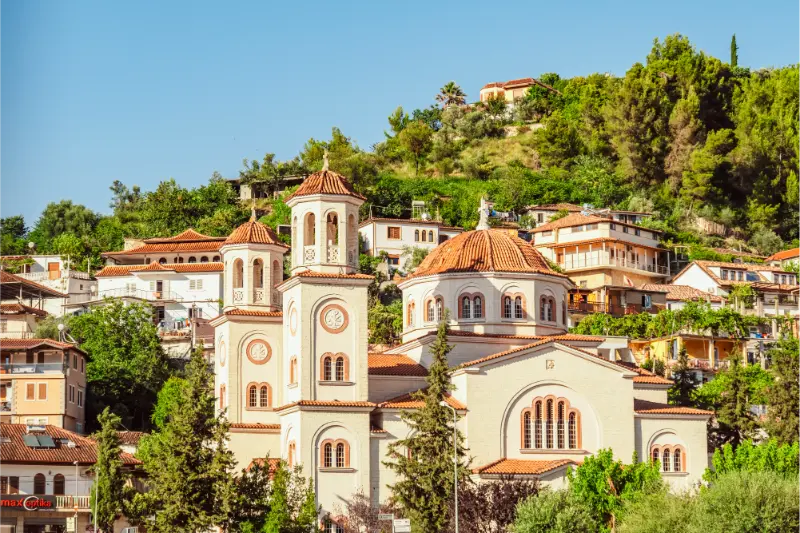
Berat is compact enough that many visitors think they can “finish” it in a few hours. The distance is small, but the city deserves more time because the castle, Mangalem, Gorica, religious heritage and riverfront are best experienced slowly and on foot.
The most useful way to plan Berat is to separate the old city from the surrounding region. Spend the first day on the UNESCO core, then use extra time for Mount Tomorr, Osum Canyon, wineries or rural Berat rather than repeatedly circling the same streets.
Top things to do at a glance
| Experience | Best for |
|---|---|
| Explore Berat Castle | Best essential experience |
| Visit the Onufri Museum | Best art stop |
| Walk Mangalem | Best classic Berat streets |
| Cross Gorica Bridge | Best city panorama in one easy stop |
| Explore Gorica Quarter | Best quieter neighborhood |
| See the Bachelors’ Mosque | Best small landmark in lower Berat |
| Visit the Ethnographic Museum | Best traditional-house context |
| Find the Holy Trinity Church | Best castle church setting |
| Walk the Osum riverfront at sunset | Best easy evening activity |
| Follow the self-guided old-town route | Best for first-time orientation |
How I would prioritize the list
For a first visit, choose one landmark that explains the destination, one neighborhood or public-space experience, one food or cultural activity, and one nature or regional excursion if time allows. That gives the trip variety without turning the day into a checklist.
I also separate “things to do in the destination” from genuine day trips. A place one hour away may be worth visiting, but it should not displace the city or town you actually came to see.
Explore Berat Castle
Best essential experience. Start with Berat Castle. The fortress is not only a viewpoint: people still live inside the historic area, and churches, walls, lanes and museums create a complete district. In summer, go early or use a taxi uphill and walk down.
Visit the Onufri Museum
Best art stop. Inside the castle, the Onufri Museum is the cultural stop I would prioritize. Its icon collection gives context to the Orthodox heritage you see throughout the fortress.
Walk Mangalem
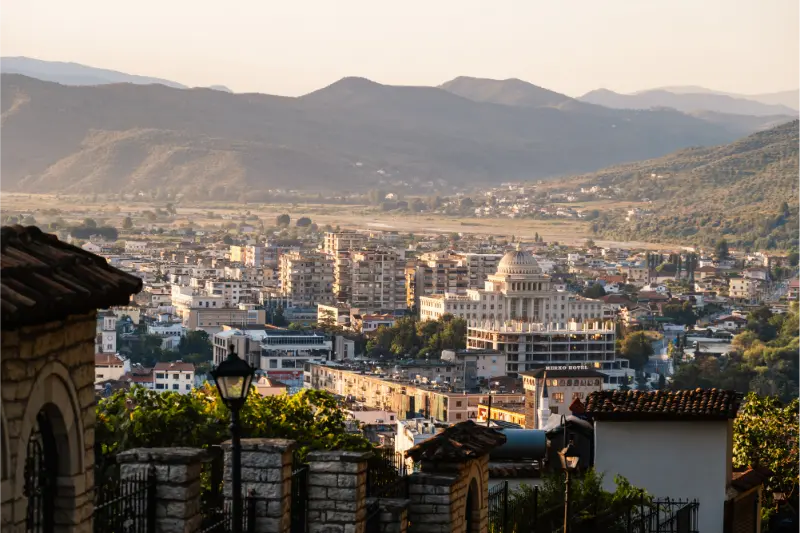
Best classic Berat streets. Mangalem is the hillside neighborhood behind the famous “windows” view. Walk the lower and middle lanes slowly; the district is more interesting as lived architecture than as a single photo.
Cross Gorica Bridge
Best city panorama in one easy stop. The Gorica Bridge links the two historic sides of the Osum and gives one of the clearest views back toward Mangalem.
Explore Gorica Quarter
Best quieter neighborhood. Gorica is calmer than Mangalem and gives you another version of traditional Berat. It is worth more than the bridge photograph: make a short loop through the lanes.
See the Bachelors’ Mosque
Best small landmark in lower Berat. The Bachelors’ Mosque adds Ottoman-era religious and craft history to the riverside walk. It is easy to include without creating a separate transfer.
Visit the Ethnographic Museum
Best traditional-house context. The Berat Ethnographic Museum helps you understand domestic architecture, household life and the urban culture behind the façades.
Find the Holy Trinity Church
Best castle church setting. The Holy Trinity Church is one of the castle area’s most photogenic religious landmarks and gives another reason to explore beyond the main museum.
Walk the Osum riverfront at sunset
Best easy evening activity. After the steep castle section, the riverfront is the right place to slow down. Walk both sides if energy is good, then choose dinner without adding another ticketed stop.
Follow the self-guided old-town route
Best for first-time orientation. The Berat Self-Guided Walking Tour organizes Mangalem, Gorica and the castle while giving an easier downhill alternative.
Eat traditional Berat dishes
Best food-focused activity. Use the Berat Food Guide to look for local dishes, gliko, wine and regional ingredients. A long meal is especially useful between the steep morning and late-afternoon walking.
Visit a winery or rural producer
Best countryside experience. The Berat region is strongly associated with wine and agricultural production. Arrange tastings directly with current producers rather than assuming every rural property accepts walk-ins.
Take a day trip to Osum Canyon
Best dramatic nature excursion. The Osum Canyon Guide explains viewpoints, rafting context and seasonal conditions. Treat it as a separate day or major half-day rather than a quick extension after the castle.
Explore rural Dimal
Best lesser-known cultural extension. Dimal adds ancient history, vineyards and rural Berat-region landscapes for travelers with a car and more than two nights.
Choose one regional day trip
Best use of extra time. Mount Tomorr, Osum Canyon, Apollonia and rural stops are compared in Best Day Trips from Berat. One well-chosen excursion is better than several rushed ones.
Best free things to do
Mangalem, Gorica, Gorica Bridge and the riverfront can fill several hours without a paid attraction. The castle district itself also rewards walking even when you limit museum entries.
Best things to do with children
Families should consider the downhill strategy: taxi to the castle, visit the essential stops, then descend through Mangalem and cross to Gorica. See Berat with Kids.

What to do if it rains
Rain makes Berat’s polished stone slippery. Prioritize the Ethnographic Museum, Onufri Museum, meals and short neighborhood walks rather than forcing the steepest lanes.
How many days do you need?
One day is enough for castle–Mangalem–Gorica. Two days lets you add a winery or countryside. Three days gives space for Osum Canyon or Mount Tomorr without sacrificing the city.
Where to stay
Compare current accommodation in Berat on Booking.com.
Use the main destination guide for transport, neighborhoods, seasonal planning and the wider trip structure.
One-day planning
If you only have one day, start with the dedicated one-day itinerary. It removes the weaker optional stops and keeps the route realistic instead of trying to compress this entire list into one schedule.
Practical planning tips
- Start exposed castles, archaeological sites and long outdoor walks earlier in summer.
- Do not enter every museum simply because it appears on a list; choose the collections that match your interests.
- Keep one meal long enough to be part of the experience rather than a rushed refueling stop.
- Use taxis strategically when they remove an unpleasant uphill road or protect energy for walking where it matters.
- Check current opening information for the one ticketed attraction you would be disappointed to miss.
- For weather-sensitive hikes, boats and mountain roads, verify conditions close to the actual day.
Official destination information
For current official destination context, see the Albania National Tourism Agency page. I use official sources for stable attraction and regional information, then verify opening hours, transport or weather-sensitive access again near the visit.
Frequently asked questions
What should I not miss in Berat?
Berat Castle, Onufri Museum, Mangalem, Gorica Bridge and Gorica Quarter are the core first-time experiences.

Is one day enough?
Yes for the old city, but two nights create a much better pace and allow a regional excursion.
Is Berat very steep?
The castle and upper Mangalem are steep; use a taxi uphill if necessary.
What is the best free activity?
Walking Mangalem, Gorica and the riverfront.
What is the best day trip?
Osum Canyon is the most dramatic, while wineries and rural villages are easier, slower alternatives.
Final advice
The best itinerary is not the one that includes the most entries from this list. Choose the experiences that are genuinely different from one another, keep the route geographically sensible and leave room for the street, waterfront, market, café or view that makes you want to stay longer than planned.
A simple way to build your own itinerary
For one day, pick four anchors: one major sight, one walkable neighborhood or public space, one food stop and one final activity that becomes better in late afternoon. For two days, add a second museum or cultural site plus one nature excursion. With three days, use the extra time for a real day trip rather than extending the city checklist indefinitely.
This structure also protects the trip from weather changes. If rain removes an outdoor activity, replace that block with a museum or long meal. If a museum is unexpectedly closed, use the saved time for the walking route or nearby public space instead of rebuilding the entire day.
What I would skip on a first visit
I would skip any attraction that requires a long transfer but gives you essentially the same experience as something already on the route. The goal of a first visit is contrast: history, everyday life, food and one natural setting. Repetition is what makes a busy itinerary feel shallow.
Morning versus evening strategy
Use mornings for the attraction most affected by heat, queues or crowds. Use late afternoon for promenades, old streets, viewpoints and social districts. This simple timing rule usually improves the trip more than adding another minor attraction.
How to avoid attraction fatigue
The strongest sightseeing days alternate formats. After a museum, choose a street, market, waterfront or park rather than another museum with a similar story. After a castle or uphill viewpoint, schedule a meal or flat walk. This is especially useful in Albania, where historic centers can look compact on a map while steep streets, heat and cobbles make them physically demanding.
I also leave one attraction as optional. If the morning runs long because a museum is better than expected, I remove that optional stop rather than compressing lunch and the rest of the day. The result is usually a more memorable visit and fewer moments spent checking the clock.
How to choose between a guided tour and exploring alone
A guide adds the most value at places where the story is difficult to read from the building alone: archaeological sites, communist-history museums, complex castles and neighborhoods shaped by several historical periods. A self-guided approach is often enough for promenades, bazaars, parks, beaches and compact old-town walks where the atmosphere matters as much as detailed interpretation.
If you book a tour, compare what is actually included: entry tickets, transport, museum time and whether the itinerary duplicates places you can easily walk to independently. I prefer a short specialist tour that gives real context over a full-day checklist that simply moves faster between the same attractions.
Best pace for a first visit
For a first visit I aim for three substantial experiences before dinner, not ten. One can be a major landmark, one can be a neighborhood or nature block, and one can be food, a museum or a local activity. Smaller sights fit naturally between them. This keeps the destination itself visible instead of turning the day into a sequence of entrances and exits.
Looking for less-obvious places? Continue with the local hidden-gems guide after the main attractions.
Free options: the free things to do guide separates no-ticket experiences from paid attractions and services.
If it rains: use the dedicated rainy-day plan to choose indoor attractions and decide what to postpone.
Best views: use the local viewpoints and photo-spots guide to plan the best light and access for the most photogenic locations.
Before you go: read the first-time travel tips for practical planning beyond the attraction list.
Leave a Reply