
Shkodër has one of Albania’s most coherent museum circuits. Photography, civic history, communist repression and the long story of Rozafa Castle can all be explored without turning the day into a generic list of national history.
I would not choose museums only by how famous they are. The best cultural day has variety: one collection with objects, one historic building or memorial, and enough time outside to connect what you saw with the real city. Opening days, temporary exhibitions, restorations and ticket arrangements can change, so verify the current schedule before building a tight itinerary around a smaller institution.
Museums and cultural sites at a glance
| Place | Best for |
|---|---|
| Marubi National Museum of Photography | Best museum in Shkodër for most first-time visitors |
| Site of Witness and Memory | Best for understanding communist repression in northern Albania |
| Historical Museum of Shkodër | Best for local history inside a traditional civic house |
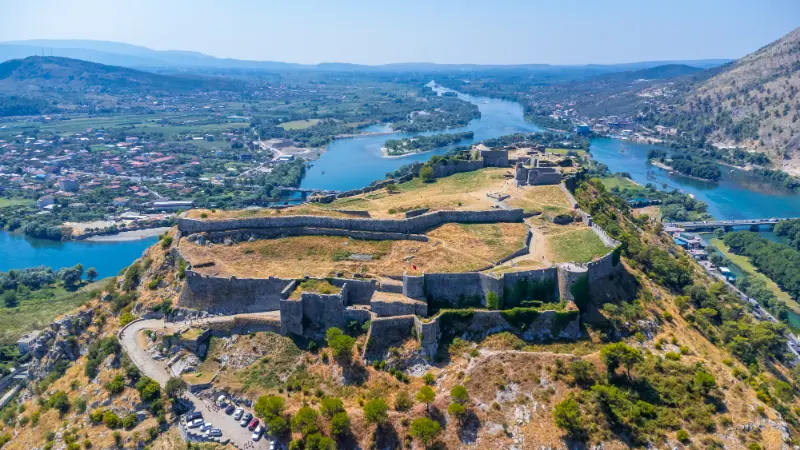
| Rozafa Castle Museum | Best for 2,500 years of strategic history |
| Religious heritage as a living museum of the city | Best for understanding Shkodër’s multi-faith identity |
| Gjuhadol and the pedestrian center | Best open-air context for civic Shkodër |
How to choose what to visit
If you have only a few hours, choose the institution that explains the destination’s defining story. If you have a full day, add a second museum with a different theme instead of another collection that repeats the same period. I also leave a real lunch break between substantial museums; Albania’s best cultural cities are more enjoyable when the day includes streets, food and architecture rather than six hours indoors.
Marubi National Museum of Photography
Best museum in Shkodër for most first-time visitors. Marubi is genuinely distinctive: the archive preserves hundreds of thousands of photographs and negatives that document people, landscapes and events across more than a century. The museum is modern and focused enough to work even for visitors who do not normally choose photography museums. Read the Marubi Museum guide before combining it with the pedestrian center.
Site of Witness and Memory
Best for understanding communist repression in northern Albania. This former prison and interrogation site deals with political persecution and should be visited at a slower pace. It is not a light attraction to squeeze between cafés. Pair it with Marubi only if you want two very different forms of historical memory in one day. See the Site of Witness and Memory guide.
Historical Museum of Shkodër
Best for local history inside a traditional civic house. The Historical Museum occupies the Oso Kuka house and combines the building itself with archaeological, ethnographic and historical collections. It is the most useful choice if you want Shkodër-specific context rather than only national themes. The Historical Museum guide explains what makes the house worth seeing.
Rozafa Castle Museum
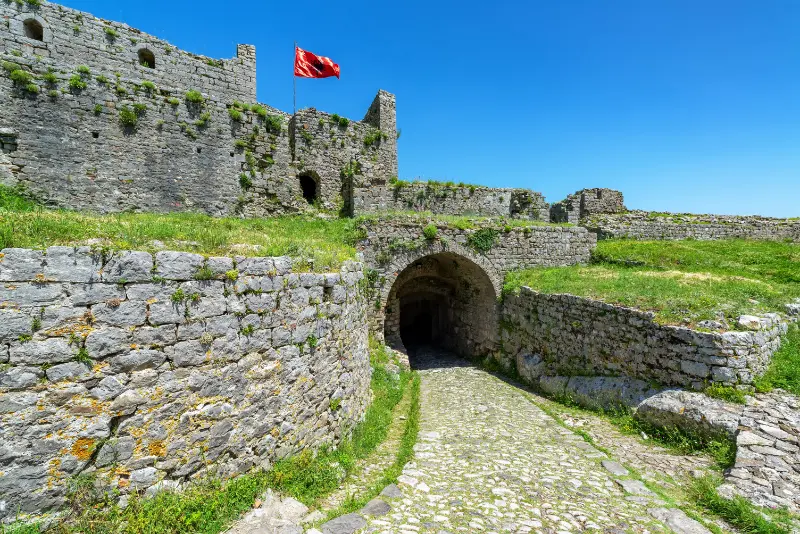
Best for 2,500 years of strategic history. Inside Rozafa, the museum and archaeological context explain why the hill mattered long before modern Shkodër. The fortress is partly an outdoor visit, so weather and heat matter more than at Marubi. Use the Rozafa Castle guide and give the views time rather than treating the museum as a quick add-on.

Religious heritage as a living museum of the city
Best for understanding Shkodër’s multi-faith identity. The mosque, Catholic cathedral, Orthodox church and other religious sites are not museums in the usual sense, but together they explain the city’s cultural identity better than a single display case can. Visit respectfully and work around services. This layer is especially valuable after the Historical Museum.
Gjuhadol and the pedestrian center
Best open-air context for civic Shkodër. The historic streets around Gjuhadol help connect museum objects with the city that produced them. Architecture, cafés and old façades make a useful break between indoor visits. Treat this as cultural context, not simply a restaurant stop.
A realistic museum itinerary
My ideal cultural day starts at Marubi, continues through the pedestrian center, then chooses either the Site of Witness and Memory or the Historical Museum before lunch. Visit Rozafa later when the light is better and the heat is lower. With two days, separate the communist-memory site from the castle so the experience does not feel rushed.
Tickets, opening hours and closures
I avoid putting fixed museum prices and opening hours into a long-term trip plan because they are among the first details to change. Check the official tourism page, the institution’s current channel or your accommodation shortly before visiting. Monday closures, seasonal hours, restoration work and temporary exhibitions can all affect access. If a museum is essential to your trip, verify it before traveling across town.
For current cultural information, see the official Albania tourism information for this destination. Use official information for current access, then use this guide to decide which museums are worth your limited time.
How much time should you allow?
For a focused museum, 45–90 minutes is usually enough for a meaningful first visit; larger bunker, castle or archaeological experiences can take longer. The bigger planning mistake is not the exact number of minutes—it is scheduling several emotionally or visually dense museums back to back. Two important museums plus one open-air cultural site is a strong full day for most travelers.
Museums with children
Marubi can work very well with older children because photography is immediately visual. The Historical Museum is also manageable. The Site of Witness and Memory contains difficult themes; families should decide based on age. Rozafa has uneven surfaces and exposed areas, so it is a different physical experience from a museum hall.
Rainy-day planning
Marubi, the Historical Museum and the Site of Witness and Memory make Shkodër one of the strongest rainy-day cities in Albania. Save Rozafa for a clearer period because the panorama and outdoor walls are a major part of the visit.
Accessibility and mobility
Historic museums in Albania are often housed in castles, old houses, bunkers or protected buildings. That means stairs, thresholds, cobbles and uneven floors can be part of the visit. Do not assume a historic building is step-free because the entrance looks simple in photographs. If step-free access, an elevator, seating or accessible toilets are essential, contact the museum directly before visiting. For broader planning, see Accessible Travel in Albania.
Photography and respectful visiting
Ask before using flash, tripods or photographing sensitive exhibits. In memorial museums, former prisons and places connected with political repression, treat the site as a place of memory rather than a dramatic photo set. In active religious buildings, museum-style curiosity never overrides worship: dress appropriately, keep noise low and follow local instructions.
Where to stay for a cultural visit
A central base is worth paying a little more for when museums are the priority because you can return to the room between visits and avoid unnecessary taxi rides. Compare accommodation in Shkoder on Booking.com. For area-by-area advice, read the local Where to Stay guide.
Tours and guided cultural experiences
A good guide is most useful when the site has layers that are difficult to read from the building alone: archaeology, iconography, communist history or a fortress with several construction periods. A tour is less valuable when you only want a quick museum visit. Compare the cost of a guided experience with the value of having someone connect the objects to the wider city.
Useful related guides
- Main destination travel guide
- Best Things to Do in Albania
- Communist History in Albania
- Byzantine Heritage in Albania
- Ottoman Heritage in Albania
Common museum-planning mistakes
- Assuming every museum follows the same weekly opening pattern.
- Planning too many serious museums in a single day.
- Ignoring the building itself when the museum occupies a historic house, bunker or castle.
- Visiting a castle museum at midday in summer without considering heat and exposed walking.
- Treating a memorial or former prison as a casual photo attraction.
- Relying on an old blog for ticket prices instead of checking current information.
- Forgetting that smaller museums may have limited seasonal or staffing-dependent hours.
Frequently asked questions
What is the best museum in Shkoder?
Marubi is the most distinctive and easiest recommendation for a first visit.
What does the Site of Witness and Memory cover?
It focuses on communist-era imprisonment, interrogation and political persecution.
Is there a museum inside Rozafa Castle?
Yes, museum material inside the fortress helps explain the long history of the site.
How many museums fit in one day?
Two indoor museums plus Rozafa is a good maximum for most travelers.
Which museum is best with children?
Marubi is usually the easiest because of its visual collection.
Final recommendation
Choose quality over quantity. A museum day is successful when you leave with a clearer picture of the destination, not when you have collected the maximum number of ticket stubs. Start with the museum that explains the city’s strongest historical identity, add one contrasting institution or historic house, then spend time outside in the streets, castle, bazaar or waterfront where that history actually unfolded.
How to make the museum day more useful
Before entering the first museum, I read a short timeline of the city so names and dates have somewhere to fit. After the visit, I deliberately walk through one related neighborhood or monument instead of opening another museum immediately. This simple sequence—context, collection, real place—makes the history easier to remember and prevents museum fatigue.
If English interpretation is limited, use the museum’s available guide, audio material or a reputable guided tour rather than guessing at an object’s meaning. Photograph labels only where permitted and use them later to research a topic that interests you. The goal is not to understand every display in one visit.
Combining culture with food and everyday city life
Museums explain a destination best when they are not isolated from ordinary life. Put lunch in the historic center, stop at a local market or old bazaar, and notice the building materials, religious architecture and street plan around you. In Albania, the relationship between museum collections and living neighborhoods is particularly strong because many institutions occupy houses, castles and former state buildings rather than purpose-built galleries.
Leave a Reply