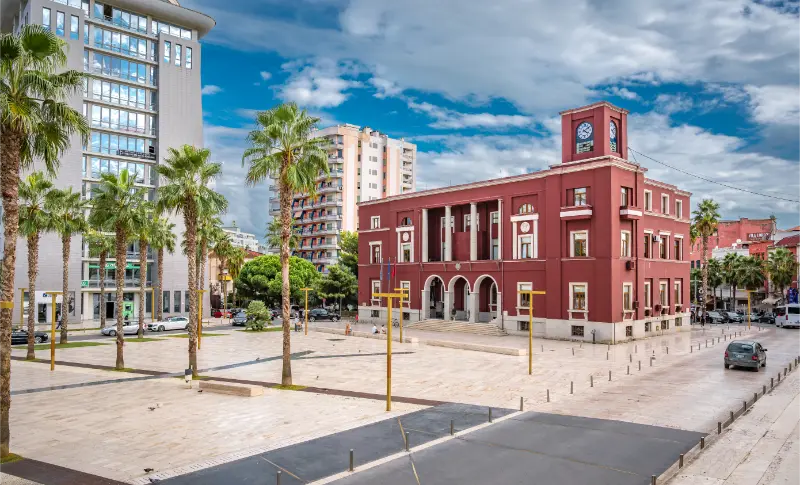
solo female travel Durres is less about following a special “women-only” itinerary and more about controlling the few moments when solo travellers have less backup: arrivals, late returns, remote day trips, swimming with valuables and transport that has not been arranged in advance. Durrës combines three travel environments that behave differently: a working ferry port, a historic centre and a long resort-style beach corridor. That mix is convenient for solo travellers but rewards choosing the right base. A woman arriving from Italy by overnight ferry has different needs from someone spending three quiet days near the amphitheatre or booking a beach hotel toward Golem.
For wider context, start with our Solo Female Travel in Albania guide. For destination logistics, keep the Durrës travel guide, local safety guide, taxi and transfer guide and guide to visiting without a car open while planning.
Is it reasonable to visit alone?
As of 22 September 2026, the U.S. State Department Albania advisory is Level 2 — Exercise Increased Caution due to crime. The UK Albania safety guidance says reports of crime targeting foreigners are rare, while still advising normal precautions against theft and particular care in tourist areas and transport hubs. Those national advisories do not publish a reliable city-by-city or gender-specific risk score, so I would not turn them into a simplistic claim that one Albanian city is “safe” or “unsafe” for women. They are better used as a baseline for practical planning.
My planning approach is to separate city life from remote logistics. Busy central streets, museums, cafés and normal daytime transport usually require ordinary awareness. A deserted trail, late rural transfer or unfamiliar ride after midnight deserves a stronger backup plan. That distinction is more useful than trying to assign a blanket safety label to the whole destination.
Where I would stay in Durrës as a solo woman
For sightseeing and short stays, I prefer the centre/Vollga area because restaurants, the seafront promenade and archaeological sights are close together. For a beach-focused holiday, the Plazh district or Golem can be convenient, but the corridor is more spread out and may require taxis or buses for evening movement. When comparing hotels, look beyond the sea-view photo: check whether reception is staffed when you arrive, whether the entrance is directly on an active street and how far the property sits from the nearest reliable transport.
For price and location research, you can compare accommodation in Durrës on Booking.com. This is a sponsored link. I would filter for recent reviews, central location, private bathroom if that matters to you, 24-hour or clearly arranged check-in, and luggage storage if your arrival/departure times do not match the room schedule.
Arriving alone: make the first hour easy
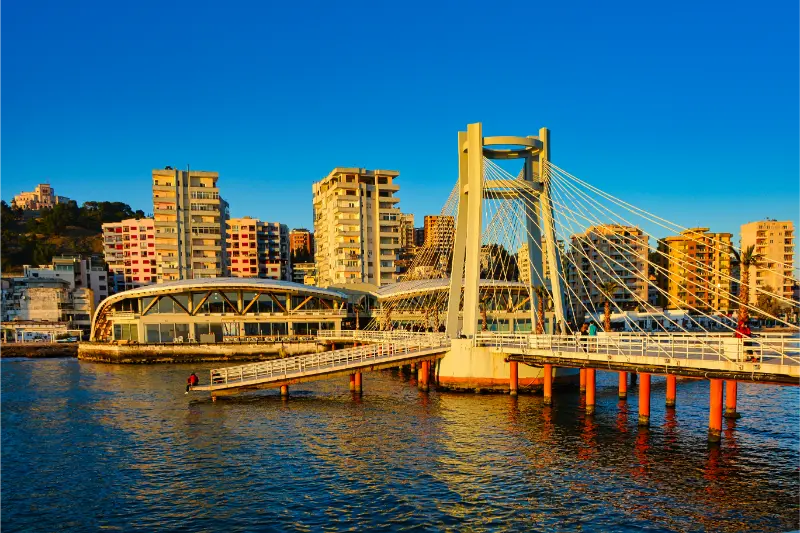
Ferry arrivals can be tiring, especially when disembarkation times shift. Keep your hotel address offline and decide before leaving the port whether you will walk, use a taxi or take local transport. The centre is not far in distance, but luggage, port fencing and traffic can make a seemingly short route awkward. A pre-arranged pickup is worth considering after an overnight crossing, not because the city is inherently unsafe, but because fatigue makes navigation and negotiation harder.
I keep the first-hour plan deliberately boring: working phone, offline address, enough local currency for transport, and one clear route to the hotel. I do not stop to change money with an unsolicited person, accept a ride from someone who cannot explain the fare, or reveal that nobody knows where I am staying. If something feels confusing, stepping into a staffed café, hotel or official counter and resetting the plan is better than continuing while tired.
Getting around during the day
The central seafront, amphitheatre area and Vollga are easy to combine on foot. Along the beach corridor, distances are longer than they appear on a map because blocks, service roads and beach access points repeat for kilometres. Carry only the cash and card you need for the day, and do not leave valuables unattended on the sand while swimming. A small waterproof pouch or a beach setup where one person can watch belongings is easier when travelling with others; solo travellers need a deliberate solution.
Public transport can be useful, but timetables and stopping points may be less formal than in northern Europe. Ask the accommodation where to wait and where to get off, and keep the destination visible on your phone without standing at the road edge. For taxis or private transfers, confirm the destination and price arrangement before leaving. Photographing the licence plate or sharing trip details is a simple habit on longer rides.
Evenings, bars and walking back
Evening promenades are one of Durrës’s strengths. The centre can stay lively, and the beach district is busy in summer, but the experience changes quickly on side roads behind the main strip. Choose a dinner area from which you already know the return route. If your hotel is several kilometres along the beach corridor, a short taxi may be more comfortable than a long walk beside traffic after nightlife winds down.
The UK government’s updated advice for women travelling abroad recommends researching local culture, thinking about the extra risks women may face in some settings and keeping independent-travel safety habits in place. In Albania, that translates into very ordinary decisions: control your own transport, know where you are sleeping before you arrive, avoid becoming dependent on a stranger for the only ride home, keep your drink and phone in your possession and leave an interaction that makes you uncomfortable without worrying about being polite. Unwanted attention is not the same thing as assault, but you do not need to debate intent. A clear “no”, moving toward a staffed business or hotel, calling a taxi and contacting police when necessary are all reasonable responses.
I also avoid a common solo-travel trap: letting a pleasant conversation decide the rest of the evening. You can meet people, join a table or continue to another venue while still keeping your own transport, accommodation address and drink under your control. If plans change, message someone you trust. The goal is not suspicion; it is to avoid becoming dependent on a person you met an hour ago for your only ride or place to sleep.
Beaches, hiking and outdoor activities
The sea itself deserves practical respect. Check local conditions, avoid swimming far from shore alone, and do not assume every beach has lifeguard coverage or identical safety equipment. On crowded summer beaches, agree with yourself on a fixed landmark before entering the water so finding your belongings is easy. In shoulder season, deserted stretches can feel peaceful but offer fewer open businesses and less immediate help.
Outdoor risk is often underestimated because Albania’s landscapes feel accessible from towns. Heat, steep paths, changing sea conditions and limited rescue access matter even when crime is not a concern. Start early, carry more water than you think you need, tell somebody where you are going on remote days, and turn around if the route, weather or transport plan stops matching what you expected.
Day trips: independent or organized?
Tirana is the easiest independent day trip; Krujë can work with a planned transport chain. Cape Rodon is more awkward without a car and becomes a better candidate for an organized excursion or private driver. If a day trip returns after dark, arrange the final ride to your hotel before you leave rather than trying to find transport from an unfamiliar roadside stop at night.
Travelling alone does not mean every excursion needs a tour. I use three questions: Can I reach the place independently in daylight? Is the return transport dependable? Would a guide materially improve safety or understanding? If the first two answers are yes, independent travel is usually fine. If the return depends on an uncertain roadside pickup, a small-group tour or private driver can be the more relaxed choice.
Accommodation safety checklist
- Entrance: choose a property whose entrance is easy to identify and reach from a lit public street.
- Reception: confirm late check-in if your bus, ferry or flight arrives after normal hours.
- Reviews: read recent comments about location, noise, access and staff responsiveness, not only the overall score.
- Room security: check that the room door and windows lock properly when you first arrive.
- Return route: look at the walking route from your likely dinner/nightlife area before booking.
- Backup: save the property phone/WhatsApp and address offline in case mobile data fails.
When I enter the room, I also note the fire exit, reception number and how to open the main door after hours. If a ground-floor room has a window that does not secure properly, ask to move rather than convincing yourself it is probably fine. These checks take a few minutes and are useful for every solo traveller, not only women.
Money, phone and personal information
I split money rather than carrying everything in one wallet. One payment card stays with me, a backup card stays secured at the accommodation, and I carry enough lek for small transport or cafés. At an ATM, complete the transaction before reorganizing cash on the street. Do not show your full travel budget when paying a taxi or market purchase. If a card terminal or ATM offers conversion into your home currency, compare the rate rather than accepting automatically.
Keep mobile data working, but do not make the phone your only plan. Download the hotel pin, important transport screenshots and an offline map. A small power bank is especially useful on beach, mountain and ferry days. Share an itinerary with someone you trust when you are going to a remote place, and send the vehicle plate or operator details if you are taking a long private transfer. Public social posts can wait until after you leave a quiet location if they reveal exactly where you are staying alone.
Harassment, scams and uncomfortable situations
Most awkward interactions can be ended early. Do not feel obliged to answer personal questions about whether you are alone, where you are staying or where you are going next. A neutral answer such as “I am meeting friends” is enough if you prefer not to share. For taxis, tours and rentals, keep the transaction professional: confirm the price, service and return time rather than relying on vague promises.
I would avoid accepting vague port transport offers, leaving a phone visible on an unattended beach towel, and booking a remote bargain apartment without checking the walking route to the promenade. In the beach zone, road safety and late-evening transport are often more relevant than street crime, so choose the base around how you will actually move.
If someone follows you or will not leave you alone, move toward a staffed public place and ask directly for help. If the situation is threatening, call police. Do not prioritize avoiding embarrassment over leaving the situation. On the other hand, ordinary friendliness, conversation or a price negotiation should not automatically be treated as danger; context matters, and practical boundaries are more useful than fear.
Health and emergency planning
For emergencies, the UK government Albania help page lists 112 for police, 127 for ambulance and 128 for fire. Save 112 and your insurer’s assistance number before the trip. If your passport is lost or stolen, contact local police and your embassy/consulate. If you experience sexual assault, prioritize immediate safety and medical care; you can decide how and when to report, and consular services can explain available support. Keep travel-insurance details accessible offline rather than buried in email.
Carry the medications you normally need and keep essential doses in hand luggage rather than in a checked bag or stored suitcase. Summer heat can amplify dehydration and fatigue; winter mountain trips can add cold and road hazards. Travel insurance should match your actual activities, especially hiking, rafting, boat trips or scooter use.
A realistic 2-day solo itinerary in Durrës
Day 1: learn the city before adding complexity
Arrive in daylight if possible, check in, walk the central area described in our Durrës travel guide and identify one taxi pickup point, supermarket/pharmacy area and the route back to the hotel. Spend the evening close to your base. The first night is for orientation, not for proving how much you can fit into a day.

Day 2: one bigger experience with a clear return
Choose the signature excursion that fits this destination — tirana is the easiest independent day trip; krujë can work with a planned transport chain. Confirm the return before departure, keep enough battery and cash for a backup, then finish the evening in a familiar central area. This rhythm gives you the freedom of solo travel without stacking several uncertain transfers into one day.
What I would pack differently for a solo trip
- A small power bank and charging cable that stay in the day bag.
- A cross-body or zipped bag that can be worn in front in crowded transport areas.
- A second bank card stored separately from the main wallet.
- Offline copies of passport, insurance and accommodation confirmations.
- Comfortable shoes with grip for uneven Albanian streets and archaeological sites.
- A lightweight layer or scarf that works for changing weather and visits to religious sites.
- A small amount of cash in lek for buses, taxis or cafés when cards are not accepted.
Frequently asked questions
Is Durrës safe for a woman travelling alone?
There is no trustworthy official city-by-city safety score specifically for solo women. I would use the national advisories, recent accommodation reviews and the practical city factors in this guide. In Durrës, the main planning issues are transport, location, terrain and the type of excursions you choose rather than a reason to avoid the destination solely because you are a woman.
Should I take taxis at night?
Use a taxi when it makes the return simpler: late night, luggage, a remote hotel, poor weather or an unfamiliar road. Walking is not automatically safer or more authentic. Confirm the fare arrangement and destination before leaving, and use a known company, official rank, hotel call or reputable transfer where possible.
Can I eat alone comfortably?
Yes. Albanian cafés, bakeries and restaurants make solo meals easy. Sitting outside with coffee or a meal is normal. If a venue feels too loud or uncomfortable, leave and choose another; you do not need to stay simply because you ordered a drink.
What if I meet other travellers?
Joining others for a hike, beach day or dinner can be one of the best parts of solo travel. Keep your own room, money, phone and return plan under your control until trust develops. For remote activities, use established operators rather than replacing a professional plan with an informal invitation from someone you just met.
Do I need to dress conservatively?
Normal European travel clothing is common in tourist cities and beach areas. For mosques, churches and rural communities, more respectful coverage may be appropriate. The practical rule is to follow the setting rather than assume one dress code for the whole country.
Final advice
Durrës can be a strong stop on a solo-female itinerary when you organize the moments that create dependency: arrival, late transport, remote excursions and valuables during outdoor activities. Choose a base that makes evenings easy, keep your phone and payment backup working, use daylight for unfamiliar terrain and leave uncomfortable situations early. That approach preserves what solo travel is supposed to give you — freedom, flexibility and the confidence to change plans when something better appears.

Leave a Reply