
Krujë without a car is a realistic way to travel if you design the trip around the transport that actually exists instead of trying to reproduce a rental-car itinerary with buses. Krujë is one of the easiest historic towns in Albania to visit without renting a car. The main sights—the old bazaar, castle complex and Skanderbeg Museum area—are concentrated on the hillside above the modern center. The real planning issue is arrival: buses from Tirana, links through Fushë-Krujë and airport transfers do not all use the same route or stop.

For the national picture, start with the Albania without a car guide. This page goes one level deeper and focuses on the decisions that matter specifically in Krujë: where to stay, which journeys are easy by public transport, when a taxi is worth using, and which day trips become frustrating without pre-arranged transport.
Krujë without a car at a glance
| Need | Best option | Planning note |
|---|---|---|
| Historic/central sights | Walk | Group sights into one area rather than crossing town repeatedly |
| Arrival with luggage | Taxi or direct bus | A short arrival transfer can be worth the cost |
| Local longer distance | Urban/local bus where available | Confirm stop and direction locally |
| Intercity travel | Bus/minibus | Check both departure time and exact pickup point |
| Remote attraction | Tour, taxi or arranged transfer | Do not assume the return connection will be easy |
| Late evening | Walk in central areas or taxi | Do not rely on the final daytime bus for a late dinner |
What public transport actually looks like
Krujë Municipality publishes interurban times between Krujë and Tirana and also lists local services between Krujë and Fushë-Krujë. That is valuable because it confirms this is not a destination where you must automatically hire a driver. Still, verify the latest departure at the stop, especially for an afternoon return to Tirana, because missing the final convenient bus can turn a cheap day trip into a taxi ride.
I use Krujë Municipality transport page as a current reference where appropriate, but I still verify locally before a time-sensitive journey. Albanian public transport is functional, inexpensive and widely used, yet stops can be less formal than visitors expect and seasonal services can change. Screenshot the stop, arrive early and ask the driver to confirm the destination before luggage goes underneath.
How much of the destination can you cover on foot?
Once you reach central Krujë, walking is the default. The bazaar climbs toward the castle and the stone surfaces can be slippery in rain. You do not need local transport for the core sights, but luggage changes the experience: if you are staying overnight in a guesthouse high near the castle, ask whether a taxi can approach the property or whether you must carry bags through pedestrian lanes.
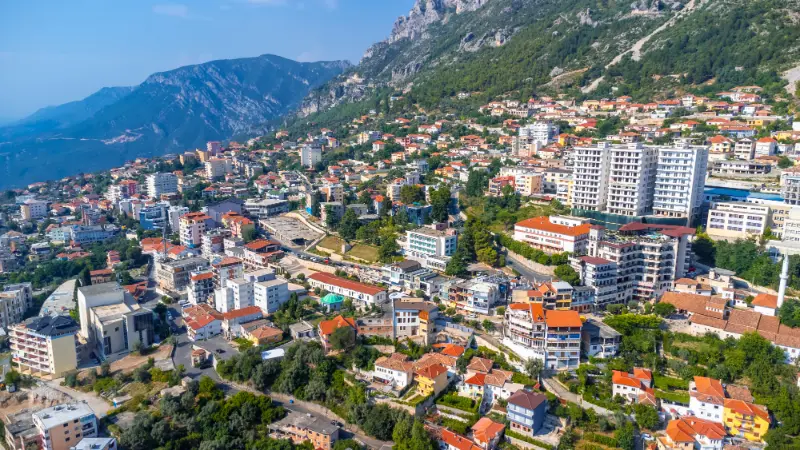
Walking is easiest when you plan geographically. Put museums, old-town lanes and waterfront stops into one half-day instead of bouncing across town. In summer, heat changes the practical distance; in winter, rain and early darkness can do the same. A route that looks like twenty minutes on a map can feel very different with a suitcase, stroller or steep cobblestones.
Where to stay if you do not have a car
Location matters more on a car-free trip than the star rating. I would compare where to stay in Krujë and prioritize a property that is close to either the pedestrian center or the transport corridor you will use most. Compare accommodation in Krujë before booking, but open the map and check the walking route to the bus stop rather than judging distance only by a straight line.
A slightly more expensive central room can save two taxi rides every day. Conversely, a beach or lakefront apartment may be the right choice if most days are deliberately slow and you only plan one or two city visits. The cheapest property is not always the cheapest trip once local transport and time are included.
Arriving by intercity bus
Read Krujë bus station guide before arrival. The critical questions are: where exactly does the bus stop, how far is that from your accommodation, and what is your plan if you arrive after dark? I save the hotel address offline and message the property before travel if the final walk looks confusing. When a station is outside the historic center, I budget for a short taxi instead of carrying luggage along busy roads.
Do not schedule a paid tour immediately after an intercity bus is due to arrive. Traffic, roadside pickups and loading can extend the journey. A generous buffer protects the first day and makes public transport feel less stressful.
Taxis: use them strategically rather than constantly
Taxis are most useful in Krujë for luggage, steep sections, early departures and the last few kilometres to places that do not have frequent service. Read the Albania taxi and ride-app guide before relying on an app. Albania does not have the same ride-hailing coverage in every town, so a hotel-arranged taxi or a licensed local rank can be more dependable.
Agree or confirm the price before departure when the fare is not clearly metered. For a half-day driver, agree the waiting time, number of stops and whether parking or extra waiting is included. Put the destination on your phone so pronunciation is never the only way you identify the place.
Day trips without a car
Sari Salltik is the main place where a taxi becomes useful because it is high above town and not part of the compact castle walk. Fushë-Krujë is connected by local transport and is more of a practical interchange than a sightseeing priority for most visitors. Tirana Airport is geographically close, but public transport is not as direct as the map suggests; a pre-arranged taxi can be the simplest airport link.
For more ideas, compare the best day trips from Krujë. I divide excursions into three groups: direct-bus trips that are easy independently, one-transfer trips that need a timetable check, and rural or multi-stop days that are better with a tour or driver. That simple classification prevents a cheap bus journey from turning into an expensive last-minute taxi back.
The destination-specific trick that makes the trip easier
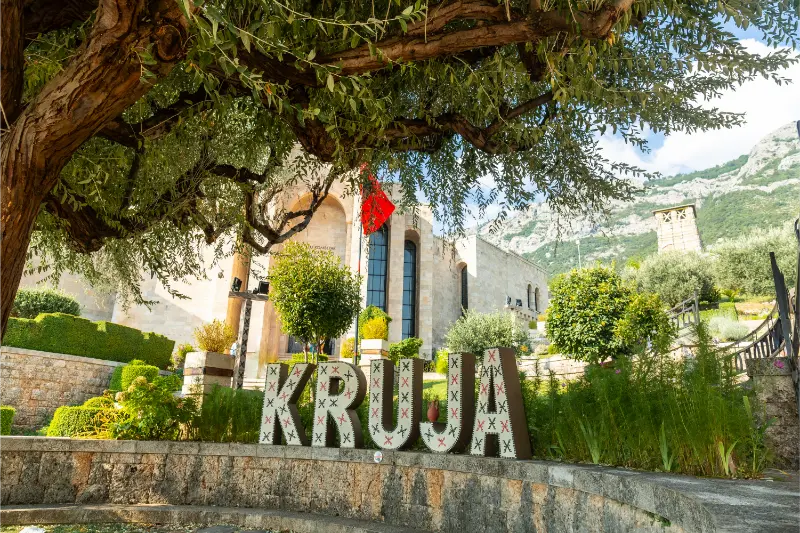
Krujë works particularly well as a car-free day trip from Tirana because parking and hill driving disappear from the equation. The limitation is timetable flexibility. If you want sunset at the castle or dinner after the day-trip crowds leave, staying overnight is easier than relying on the final bus.
Tickets, cash and timetable habits
Carry small lek notes for local transport even if you normally pay by card. Some intercity routes can be booked online, while local buses may still be paid directly. Do not assume the fare or departure frequency you saw in an old blog is current. A five-minute check at your hotel or the station the evening before is more valuable than memorizing a timetable months in advance.
For a critical connection, arrive 15–30 minutes early depending on the route and terminal. Smaller minibuses may load quickly, and the exact boarding point can be a roadside bay rather than a large building. Keep passport, wallet, phone and medicines with you instead of in the luggage compartment.
Using buses with luggage
A soft suitcase or backpack is easier than a huge hard case when vehicles are full. Label checked luggage and photograph it before loading. Keep electronics, documents and anything you need during the ride in a small personal bag. When getting off, stand where you can see the luggage compartment being opened rather than wandering away to search for a taxi.
If your accommodation requires a steep or uneven final walk, ask in advance whether the host can arrange pickup. The most tiring part of a car-free trip is often not the three-hour bus ride but the last 700 meters with bags.
Car-free travel with children, seniors or limited mobility
A no-car itinerary can be easier than driving if you reduce hotel changes and use taxis selectively. Families should avoid connections that depend on the last bus of the day and should confirm child-seat options for private transfers when needed. Older travelers may prefer a central hotel and one paid uphill ride over repeated long walks. Accessibility varies widely, so ask the accommodation and transport provider specific questions rather than relying on a generic “accessible” label.
What to do after the last bus
Evening transport is where travelers most often discover that a daytime plan does not work at night. Keep dinner and evening walks close to your accommodation when possible. Save one trusted taxi contact before you need it, and do not travel to a remote beach or village late in the day unless you already know how you are returning.
A simple two-day car-free plan
Arrive in the morning, walk the bazaar and castle, have lunch in the historic area and decide whether to return to Tirana or stay overnight. If you add Sari Salltik, arrange the taxi before late afternoon so you are not trying to coordinate the mountain road and a bus departure at the same time.
If you have a third day, use it for the excursion that needs the most transport planning. That way a delayed bus or weather change does not threaten your onward travel. Leave the final morning light if you have an intercity connection.
When a rental car is genuinely better
Renting a car makes sense when the trip is built around remote beaches, scattered archaeological sites, mountain villages or several small stops in one day. It makes less sense if the vehicle will sit parked while you walk around a historic center. Compare the full cost—rental, fuel, parking, insurance and your comfort driving unfamiliar roads—with buses plus two or three taxi rides.
A hybrid itinerary is often the best answer: use buses between major cities, then rent a car for only the rural section. This reduces parking stress and avoids paying for a vehicle on days when it adds no value.
Useful WonderfulAlbania guides for Krujë
- Krujë travel guide
- Where to stay in Krujë
- Krujë bus station / transport guide
- Day trips from Krujë
- Albania without a car
Tours and activities in Krujë
An organized excursion is most valuable when it replaces a difficult rural connection rather than a route that already has a simple bus. Check whether pickup is from your hotel or a central meeting point, and verify what transport is included before booking.
Frequently asked questions
Can I realistically visit Krujë without renting a car?
Yes. The central sights are manageable with walking plus buses or taxis. The main limitation is not daily sightseeing but reaching scattered beaches, villages or rural attractions, so plan those separately rather than renting a vehicle automatically.
Should I book bus tickets online?
For busy intercity routes and high-season travel, online booking can be useful when a route is listed. Many local and regional services still work with cash or direct purchase. Always check the actual departure point because a digital ticket is not useful if you wait at the wrong stop.
Are taxis expensive compared with buses?
A taxi costs more than a bus, but one strategic ride can save a long walk with luggage, a steep climb or an unreliable connection. For two to four people, compare the total taxi price with multiple tickets and the value of the time saved.
Can I rely on Google Maps for public transport?
Use map apps for orientation, not as the only timetable source. Albanian bus routes and informal stops are not always represented completely. Confirm with the municipality, operator, booking platform, accommodation host or the driver at the stop.
Is a car-free trip suitable with children or heavy luggage?
Usually, if you choose accommodation carefully. Stay close to the center or the transport corridor, use a taxi for arrival with bags, and avoid building days that require several changes. A short paid transfer is often easier than carrying luggage to save a small fare.
When is renting a car still worth it?
A car becomes more useful when your priority is remote beaches, mountain villages, archaeological sites away from bus corridors or several small stops in one day. For city sightseeing and straightforward intercity travel, public transport plus occasional taxis is often simpler.
Final practical advice
Krujë can be enjoyed without a car if you make transport part of the itinerary instead of an afterthought. Stay near the area you will use most, confirm intercity stops the evening before, use local buses for the routes they serve well, and spend money on a taxi or tour only when it solves a real last-mile problem. That approach keeps the trip flexible without turning every day into a timetable exercise.
Leave a Reply