Tag: Running & Jogging

  • Running in Tirana: Grand Park, Lake Loops, Urban Routes and Practical Jogging Tips

    Running in Tirana: Grand Park, Lake Loops, Urban Routes and Practical Jogging Tips

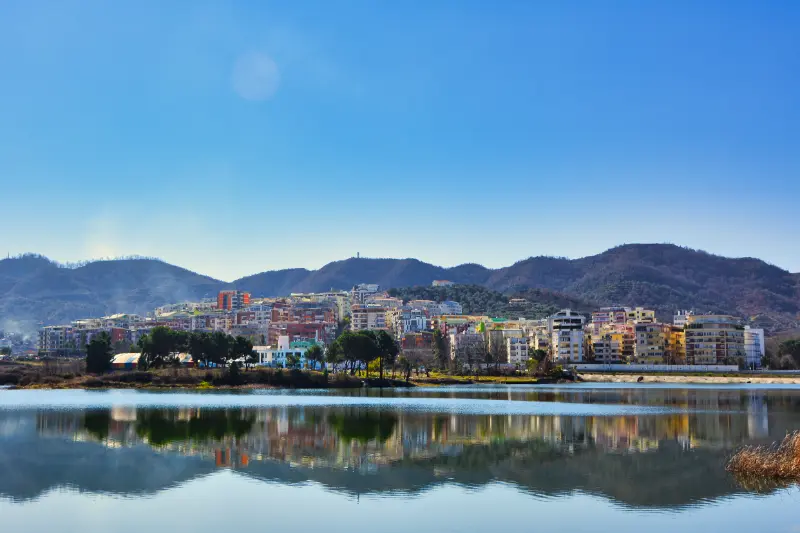
    Albania’s capital gives runners the widest choice of urban routes: shaded park paths, lake loops, flat central streets and hillier options toward Farka or the eastern foothills. The challenge is traffic rather than lack of places to run, so route choice and time of day matter more than raw distance.

    This guide is for travelers who want to keep running while visiting Tirana, whether that means a 25-minute recovery jog, a steady 10K-style session or one longer run between sightseeing days. It does not assume every attractive road is runner-friendly. Traffic, heat, surface, lighting and pedestrian space matter more than what a route looks like on a map.

    For destination logistics, keep the Tirana travel guide open. If you want mountain rather than urban running, the national Trail Running in Albania guide covers navigation, remote terrain and bigger training days.

    Water Jets National Historical Skanderbeg Square Tirana Albania

    Is Tirana good for running?

    Central Tirana is broadly flat, while the Grand Park undulates gently and the city rises toward Farka, Sauk and the Dajti side. Pavements vary from smooth new sections to broken or busy stretches, and large junctions can interrupt rhythm.

    For most visitors, Tirana works best when you separate three goals: an easy sightseeing jog, a fitness session where pace matters, and a scenic long run. Trying to combine all three usually creates a route with too many crossings, photo stops or unsafe road sections. Decide the purpose first, then choose the route.

    Before the trip, check the Tirana Municipality page for the Grand Park for destination context, public-space information and current attractions. Construction, events, seasonal closures and waterfront works can change the most convenient route.

    Running at a glance

    QuestionPractical answer
    Best default sessionEarly-morning easy run on the flattest promenade, park or river/lake corridor.
    Best seasonSpring and autumn for comfortable temperatures; winter can be excellent at low elevation, while summer requires an early start.
    Best time of dayDawn to early morning in warm months; daylight is preferable on unfamiliar roads.
    Main hazardMixed traffic, inconsistent pavement and heat rather than technical running difficulty.
    ShoesNormal road shoes for urban routes; grippier shoes for cobbles, wet stone or trail extensions.
    NavigationDownload an offline map and build out-and-backs when route conditions are uncertain.

    Best running routes in Tirana

    Grand Park and Artificial Lake loop

    The most reliable leisure-running option. Build a loop from the main park entrances around the lake paths, adding internal park spurs when you want more distance. The municipality explicitly describes the park as a place for outdoor running. Expect walkers and families, especially evenings and weekends, so use the quieter early-morning window for tempo work.

    Skanderbeg Square to Grand Park connector

    A useful sightseeing run if you start very early, when the centre is calmer. Link the pedestrian core and boulevard area with the lake park, treating major road crossings as pauses rather than trying to hold pace through traffic.

    Farka Lake longer run

    Farka is useful when you want a more open, less central session. Public-path and construction conditions can evolve, so confirm access locally before relying on a complete loop. It suits an easy long run better than speed work.

    Sauk and Dajti-side hill session

    For hills, move east or southeast rather than repeating busy flyovers in the centre. Choose quiet residential gradients or a supported trail outing toward Dajti, and turn back if road shoulders disappear or traffic becomes uncomfortable.

    How far should you run?

    If you have 20–30 minutes, choose the safest flat option and make it an out-and-back. This is ideal on arrival day, after a long bus or ferry journey, or before a full sightseeing schedule. You learn crossings, surfaces and traffic without committing to a route you do not yet understand.

    For 45–60 minutes, combine the primary route with one extension. Keep the extension optional: if heat rises, the promenade becomes crowded or pavement disappears, turn back. A holiday run should leave enough energy for the rest of Tirana.

    For a long run, avoid stitching together random road segments just to reach a target distance. A repeated safe section is better than a beautiful but stressful highway shoulder. Carry water, a bank card or cash, identification and enough phone battery to change the plan.

    Best time of day

    Early morning is the most reliable window across Albania. It gives lower temperatures, lighter traffic and fewer pedestrians. In July and August, starting after breakfast can turn an easy run into heat training very quickly. If sunrise is too early for your schedule, shorten the run rather than trying to preserve distance in midday heat.

    Evening can be pleasant, especially on waterfronts, but promenades often become social spaces after sunset. That is good for atmosphere and poor for uninterrupted pace. If you run after dark, stay on well-used, well-lit streets you have already seen in daylight and avoid headphones that block traffic sound.

    Best seasons for runners

    April–June and September–October usually give the easiest balance of daylight and temperature. Coastal cities remain mild later into autumn, while inland and southeastern destinations can become much colder in winter. Summer is workable if you start early, reduce intensity and treat hydration as part of the route rather than an afterthought.

    Rain changes more than comfort. Polished stone, painted road markings, metal covers and steep cobbles can become slippery. Strong coastal wind can also transform a flat return leg into hard work. If the surface looks questionable, switch the session to an easy jog or walk and save speed work for another day.

    Traffic, crossings and road safety

    Do not assume drivers will give a runner the same space you expect at home. Use pavements and promenades where practical, cross at predictable points, make eye contact with drivers and stop rather than squeezing around parked cars into traffic. On narrow roads, run only when visibility is good and step off the line early when a large vehicle approaches.

    Headphones should stay low enough that you can hear engines, scooters, dogs and bicycles. A small reflective strip or bright top is useful even in daylight. On rural or coastal extensions, a lightweight rear safety light can improve visibility, but it does not make a dangerous road safe.

    Heat, hydration and sun

    Albanian summer heat can be deceptive near the sea because a breeze makes the first kilometres feel easier. Carry water for longer sessions, especially where public fountains are uncertain, and use sunscreen on exposed waterfronts. If you are sweating heavily before the halfway point, shorten the route rather than rationing the last water.

    Electrolytes are useful after long, hot sessions, but normal food and water are enough for many easy holiday runs. Bakeries, fruit shops and small markets make post-run refuelling simple in towns. The priority is arriving back hydrated enough to enjoy the day, not turning breakfast into emergency recovery.

    Surface and footwear

    Road shoes are sufficient for promenades, parks and modern streets. Historic centres need more grip because stone can be uneven or polished. If your route mixes road and trail, a light trail shoe is more versatile than a very aggressive mountain shoe. Do not bring brand-new shoes for a travel week with more walking than usual; blisters from sightseeing can ruin running before fitness does.

    Solo running and personal safety

    Run the first route in Tirana during daylight so you understand junctions and quiet sections. Share your route when going beyond the urban core, carry your accommodation name offline and keep enough money for a taxi. Solo runners do not need to be alarmed, but unfamiliar shortcuts, isolated construction zones and dark waterfront ends are poor places to improvise.

    Aerial Drone View Tirana Albania 2

    If someone or a situation makes you uncomfortable, change direction or enter a busy café, hotel or shop. Do not protect the workout at the expense of judgement. For an emergency, Albania uses 112 as the general emergency number; medical emergencies can also be reached via 127.

    Dogs and rural edges

    Free-roaming dogs are not a problem on every route, but runners can trigger chasing more easily than walkers. Slow to a walk, avoid sudden sprinting past a dog and give guarding dogs a wide berth near rural property or livestock. If a route is known locally for territorial dogs, choose another road instead of treating it as part of the adventure.

    Running with children or a partner

    For a family jog, choose the flattest traffic-separated option and plan the turnaround around the least experienced runner. A short run followed by breakfast is more realistic than asking everyone to share an adult training schedule. Couples with different paces can use an out-and-back: the faster runner continues for extra minutes while the other turns earlier, then both regroup at a fixed landmark.

    Where to stay if running matters

    Location matters more than hotel category. In Tirana, choose accommodation that lets you reach your preferred running corridor without crossing several high-speed roads. Ask about early breakfast, drinking-water access, stairs and whether wet shoes can be left somewhere sensible.

    You can compare accommodation here: places to stay in Tirana on Booking.com.

    Can you combine a run with sightseeing?

    Yes, but keep the session easy. Carrying a phone, stopping for photos and navigating old streets is not compatible with a quality tempo workout. A sightseeing run works best at conversational effort with deliberate pauses. If you want a harder session, finish it first on a predictable route, shower, then explore normally.

    Air quality and traffic exposure are the main reasons I would favor the park at dawn over a rush-hour roadside route. In summer, the lake area also gives more shade than the formal boulevards. If your hotel is in Blloku or near Skanderbeg Square, walking the first few minutes to a safer running corridor is often smarter than beginning the workout directly outside the door.

    Guided activities and recovery-day ideas

    A guided walking, food, history or nature activity can be a good recovery-day complement to running in Tirana. It also prevents the common mistake of doing a hard run in the morning and then adding another 25,000 sightseeing steps without planning for it.
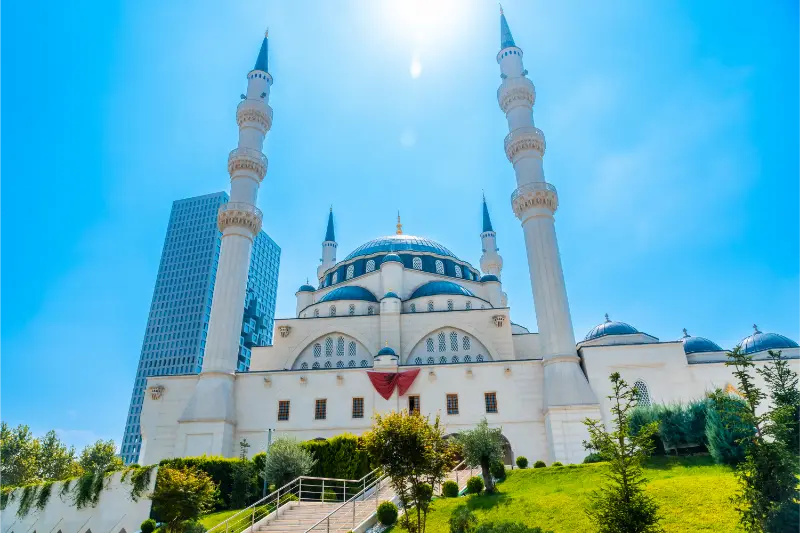
    Impressive Namazgah Mosque Tirana Skanderbeg Square Tirana Albania

    A simple two-day running plan

    Day 1: run 25–45 minutes on the easiest route shortly after sunrise. Keep effort low, learn the crossings and finish feeling underworked. Spend the rest of the day sightseeing and note any route section that looked better than the map suggested.

    Day 2: choose either a longer flat out-and-back or one controlled hill session. Start only if sleep, weather and legs feel normal. If you walked far on day 1, keep day 2 easy rather than forcing a training target during a holiday.

    Common running mistakes to avoid

    • Starting too late on a hot summer morning
    • Choosing the shortest map route instead of the safest one
    • Assuming a scenic coastal or mountain road has a usable shoulder
    • Running fast on wet cobbles or polished stone
    • Wearing headphones so loudly that traffic and dogs disappear
    • Leaving without water because the planned distance looks short
    • Turning a sightseeing day into an accidental high-volume training day
    • Forcing a target distance after traffic, wind or heat changes the route

    FAQ

    Is Tirana safe for an early-morning run?

    Busy central routes are generally the easiest choice, but assess lighting, traffic and local conditions yourself. Run the route in daylight first if you are uncertain.

    Do I need trail shoes?

    Not for normal waterfront, park or street routes. Use trail shoes when you deliberately add rough paths, loose stone or mountain terrain.

    Can I run after dark?

    You can on well-lit, familiar public routes, but daylight is simpler for a first run. Promenades may become crowded at night, while quiet road edges become harder to judge.

    Where should I do speed work?

    Use the flattest, most predictable route with few crossings. Parks, lakefronts and long promenades are usually better than historic centres or coastal highways.

    What if the weather is bad?

    Shorten the run, walk slippery sections or move the session to another day. Travel fitness should be flexible; one missed workout is cheaper than an injury on unfamiliar ground.

    Final thoughts on running in Tirana

    Running in Tirana is most rewarding when it helps you understand the destination rather than competing with it. Start early, choose the safest surface, let steep or crowded sections slow you down and keep enough energy for the trip itself. A calm five-kilometre run with good views is usually a better travel memory than a forced long run on the wrong road.
  • Running in Vlorë: Lungomare, Uji i Ftohtë, Old Town and Riviera Training Routes

    Running in Vlorë: Lungomare, Uji i Ftohtë, Old Town and Riviera Training Routes

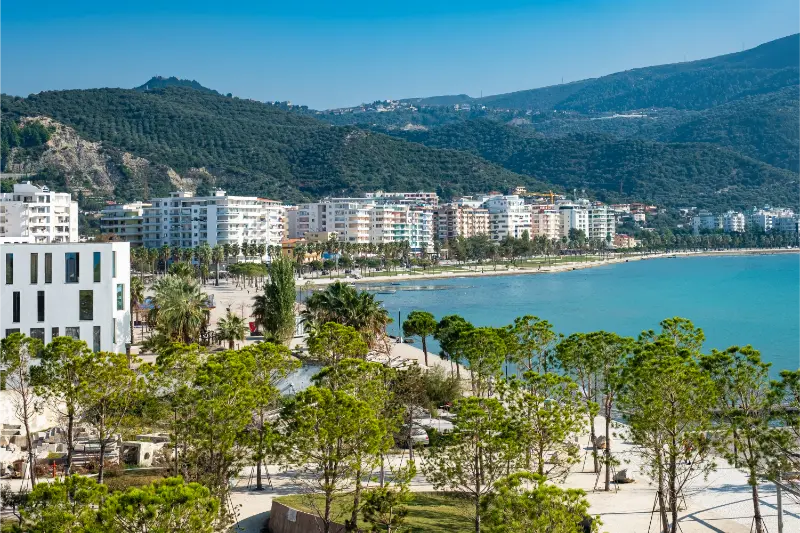
    Vlorë is one of Albania’s best coastal cities for straightforward running because the Lungomare provides a long, visually simple axis beside the water. You can keep a session flat and social or add hills toward Kaninë and the Riviera side, depending on fitness and traffic tolerance.

    This guide is for travelers who want to keep running while visiting Vlorë, whether that means a 25-minute recovery jog, a steady 10K-style session or one longer run between sightseeing days. It does not assume every attractive road is runner-friendly. Traffic, heat, surface, lighting and pedestrian space matter more than what a route looks like on a map.

    For destination logistics, keep the Vlorë travel guide open. If you want mountain rather than urban running, the national Trail Running in Albania guide covers navigation, remote terrain and bigger training days.

    Is Vlorë good for running?

    The Lungomare is largely flat, while the terrain rises quickly inland and south of the city. Coastal wind is a bigger factor than elevation on easy runs; on exposed days, an out-and-back can feel like two different workouts.

    For most visitors, Vlorë works best when you separate three goals: an easy sightseeing jog, a fitness session where pace matters, and a scenic long run. Trying to combine all three usually creates a route with too many crossings, photo stops or unsafe road sections. Decide the purpose first, then choose the route.

    Before the trip, check the official tourism page for Vlorë for destination context, public-space information and current attractions. Construction, events, seasonal closures and waterfront works can change the most convenient route.

    Running at a glance

    QuestionPractical answer
    Best default sessionEarly-morning easy run on the flattest promenade, park or river/lake corridor.
    Best seasonSpring and autumn for comfortable temperatures; winter can be excellent at low elevation, while summer requires an early start.
    Best time of dayDawn to early morning in warm months; daylight is preferable on unfamiliar roads.
    Main hazardMixed traffic, inconsistent pavement and heat rather than technical running difficulty.
    ShoesNormal road shoes for urban routes; grippier shoes for cobbles, wet stone or trail extensions.
    NavigationDownload an offline map and build out-and-backs when route conditions are uncertain.

    Best running routes in Vlorë

    Lungomare sunrise out-and-back

    The obvious first run: flat, scenic and easy to shorten. Start early in summer because the waterfront becomes busy and shade is limited on exposed sections.

    Uji i Ftohtë extension

    Continue south from the main Lungomare only while pedestrian space and visibility remain comfortable. This works well as a steady progression run, but traffic increases toward Riviera roads.

    Old Town to seafront recovery route

    Connect the historic centre with the waterfront at easy pace. It is a useful orientation run, with pauses at road crossings and no pressure to maintain tempo.

    Kaninë hill workout

    Strong runners can use the climb toward Kaninë for controlled elevation. The route requires traffic awareness, heat planning and careful descending; it is not a beginner run.

    How far should you run?

    If you have 20–30 minutes, choose the safest flat option and make it an out-and-back. This is ideal on arrival day, after a long bus or ferry journey, or before a full sightseeing schedule. You learn crossings, surfaces and traffic without committing to a route you do not yet understand.

    For 45–60 minutes, combine the primary route with one extension. Keep the extension optional: if heat rises, the promenade becomes crowded or pavement disappears, turn back. A holiday run should leave enough energy for the rest of Vlorë.

    Aerial View of Vlore City and Mosque Albania

    For a long run, avoid stitching together random road segments just to reach a target distance. A repeated safe section is better than a beautiful but stressful highway shoulder. Carry water, a bank card or cash, identification and enough phone battery to change the plan.

    Best time of day

    Early morning is the most reliable window across Albania. It gives lower temperatures, lighter traffic and fewer pedestrians. In July and August, starting after breakfast can turn an easy run into heat training very quickly. If sunrise is too early for your schedule, shorten the run rather than trying to preserve distance in midday heat.

    Evening can be pleasant, especially on waterfronts, but promenades often become social spaces after sunset. That is good for atmosphere and poor for uninterrupted pace. If you run after dark, stay on well-used, well-lit streets you have already seen in daylight and avoid headphones that block traffic sound.

    Best seasons for runners

    April–June and September–October usually give the easiest balance of daylight and temperature. Coastal cities remain mild later into autumn, while inland and southeastern destinations can become much colder in winter. Summer is workable if you start early, reduce intensity and treat hydration as part of the route rather than an afterthought.

    Rain changes more than comfort. Polished stone, painted road markings, metal covers and steep cobbles can become slippery. Strong coastal wind can also transform a flat return leg into hard work. If the surface looks questionable, switch the session to an easy jog or walk and save speed work for another day.

    Traffic, crossings and road safety

    Do not assume drivers will give a runner the same space you expect at home. Use pavements and promenades where practical, cross at predictable points, make eye contact with drivers and stop rather than squeezing around parked cars into traffic. On narrow roads, run only when visibility is good and step off the line early when a large vehicle approaches.

    Headphones should stay low enough that you can hear engines, scooters, dogs and bicycles. A small reflective strip or bright top is useful even in daylight. On rural or coastal extensions, a lightweight rear safety light can improve visibility, but it does not make a dangerous road safe.

    Heat, hydration and sun

    Albanian summer heat can be deceptive near the sea because a breeze makes the first kilometres feel easier. Carry water for longer sessions, especially where public fountains are uncertain, and use sunscreen on exposed waterfronts. If you are sweating heavily before the halfway point, shorten the route rather than rationing the last water.

    Electrolytes are useful after long, hot sessions, but normal food and water are enough for many easy holiday runs. Bakeries, fruit shops and small markets make post-run refuelling simple in towns. The priority is arriving back hydrated enough to enjoy the day, not turning breakfast into emergency recovery.

    Surface and footwear

    Road shoes are sufficient for promenades, parks and modern streets. Historic centres need more grip because stone can be uneven or polished. If your route mixes road and trail, a light trail shoe is more versatile than a very aggressive mountain shoe. Do not bring brand-new shoes for a travel week with more walking than usual; blisters from sightseeing can ruin running before fitness does.

    Solo running and personal safety

    Run the first route in Vlorë during daylight so you understand junctions and quiet sections. Share your route when going beyond the urban core, carry your accommodation name offline and keep enough money for a taxi. Solo runners do not need to be alarmed, but unfamiliar shortcuts, isolated construction zones and dark waterfront ends are poor places to improvise.

    If someone or a situation makes you uncomfortable, change direction or enter a busy café, hotel or shop. Do not protect the workout at the expense of judgement. For an emergency, Albania uses 112 as the general emergency number; medical emergencies can also be reached via 127.

    Dogs and rural edges

    Free-roaming dogs are not a problem on every route, but runners can trigger chasing more easily than walkers. Slow to a walk, avoid sudden sprinting past a dog and give guarding dogs a wide berth near rural property or livestock. If a route is known locally for territorial dogs, choose another road instead of treating it as part of the adventure.

    Running with children or a partner

    For a family jog, choose the flattest traffic-separated option and plan the turnaround around the least experienced runner. A short run followed by breakfast is more realistic than asking everyone to share an adult training schedule. Couples with different paces can use an out-and-back: the faster runner continues for extra minutes while the other turns earlier, then both regroup at a fixed landmark.

    Where to stay if running matters

    Location matters more than hotel category. In Vlorë, choose accommodation that lets you reach your preferred running corridor without crossing several high-speed roads. Ask about early breakfast, drinking-water access, stairs and whether wet shoes can be left somewhere sensible.

    Blue Eye Water Spring Clear Blue Water View Muzine Vlore Albania

    You can compare accommodation here: places to stay in Vlorë on Booking.com.

    Can you combine a run with sightseeing?

    Yes, but keep the session easy. Carrying a phone, stopping for photos and navigating old streets is not compatible with a quality tempo workout. A sightseeing run works best at conversational effort with deliberate pauses. If you want a harder session, finish it first on a predictable route, shower, then explore normally.

    Vlorë’s long coastline makes it tempting to keep extending a run. Decide the turnaround time before you start, especially with a tailwind on the outward leg. If you are training during a Riviera road trip, use Vlorë for the easy flat session and save harder elevation for a dedicated trail day.

    Guided activities and recovery-day ideas

    A guided walking, food, history or nature activity can be a good recovery-day complement to running in Vlorë. It also prevents the common mistake of doing a hard run in the morning and then adding another 25,000 sightseeing steps without planning for it.

    Zvernec Monastery Island Albania

    A simple two-day running plan

    Day 1: run 25–45 minutes on the easiest route shortly after sunrise. Keep effort low, learn the crossings and finish feeling underworked. Spend the rest of the day sightseeing and note any route section that looked better than the map suggested.

    Day 2: choose either a longer flat out-and-back or one controlled hill session. Start only if sleep, weather and legs feel normal. If you walked far on day 1, keep day 2 easy rather than forcing a training target during a holiday.

    Common running mistakes to avoid

    • Starting too late on a hot summer morning
    • Choosing the shortest map route instead of the safest one
    • Assuming a scenic coastal or mountain road has a usable shoulder
    • Running fast on wet cobbles or polished stone
    • Wearing headphones so loudly that traffic and dogs disappear
    • Leaving without water because the planned distance looks short
    • Turning a sightseeing day into an accidental high-volume training day
    • Forcing a target distance after traffic, wind or heat changes the route

    FAQ

    Is Vlorë safe for an early-morning run?

    Busy central routes are generally the easiest choice, but assess lighting, traffic and local conditions yourself. Run the route in daylight first if you are uncertain.

    Do I need trail shoes?

    Not for normal waterfront, park or street routes. Use trail shoes when you deliberately add rough paths, loose stone or mountain terrain.

    Can I run after dark?

    You can on well-lit, familiar public routes, but daylight is simpler for a first run. Promenades may become crowded at night, while quiet road edges become harder to judge.

    Where should I do speed work?

    Use the flattest, most predictable route with few crossings. Parks, lakefronts and long promenades are usually better than historic centres or coastal highways.

    What if the weather is bad?

    Shorten the run, walk slippery sections or move the session to another day. Travel fitness should be flexible; one missed workout is cheaper than an injury on unfamiliar ground.

    Final thoughts on running in Vlorë

    Running in Vlorë is most rewarding when it helps you understand the destination rather than competing with it. Start early, choose the safest surface, let steep or crowded sections slow you down and keep enough energy for the trip itself. A calm five-kilometre run with good views is usually a better travel memory than a forced long run on the wrong road.

  • Running in Berat: Osum River, Gorica, Mangalem Hills and Safe Training Routes

    Running in Berat: Osum River, Gorica, Mangalem Hills and Safe Training Routes

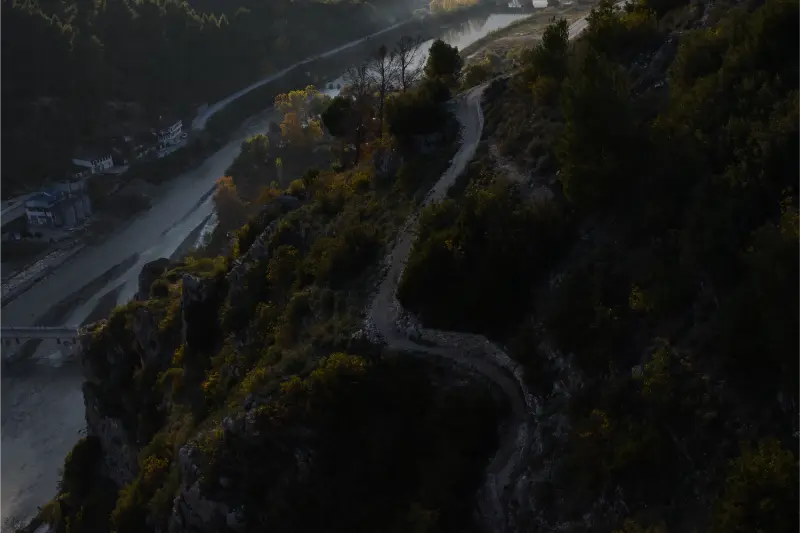
    Berat rewards runners who separate “training terrain” from “heritage terrain.” The Osum corridor and lower city can support a normal easy run, while Mangalem, Gorica and the castle slope are better treated as hill work or run-walk sightseeing because of steep cobbles, steps and pedestrians.

    Osumi River From Berat Castle Albania

    This guide is for travelers who want to keep running while visiting Berat, whether that means a 25-minute recovery jog, a steady 10K-style session or one longer run between sightseeing days. It does not assume every attractive road is runner-friendly. Traffic, heat, surface, lighting and pedestrian space matter more than what a route looks like on a map.

    For destination logistics, keep the Berat travel guide open. If you want mountain rather than urban running, the national Trail Running in Albania guide covers navigation, remote terrain and bigger training days.

    Is Berat good for running?

    The river corridor is the easiest ground. The old quarters rise sharply and cobblestones can be polished or irregular. Summer heat collects in the valley, so morning timing is critical from late spring through early autumn.

    For most visitors, Berat works best when you separate three goals: an easy sightseeing jog, a fitness session where pace matters, and a scenic long run. Trying to combine all three usually creates a route with too many crossings, photo stops or unsafe road sections. Decide the purpose first, then choose the route.

    Before the trip, check the official tourism page for Berat for destination context, public-space information and current attractions. Construction, events, seasonal closures and waterfront works can change the most convenient route.

    Running at a glance

    QuestionPractical answer
    Best default sessionEarly-morning easy run on the flattest promenade, park or river/lake corridor.
    Best seasonSpring and autumn for comfortable temperatures; winter can be excellent at low elevation, while summer requires an early start.
    Best time of dayDawn to early morning in warm months; daylight is preferable on unfamiliar roads.
    Main hazardMixed traffic, inconsistent pavement and heat rather than technical running difficulty.
    ShoesNormal road shoes for urban routes; grippier shoes for cobbles, wet stone or trail extensions.
    NavigationDownload an offline map and build out-and-backs when route conditions are uncertain.

    Best running routes in Berat

    Osum River and Gorica Bridge loop

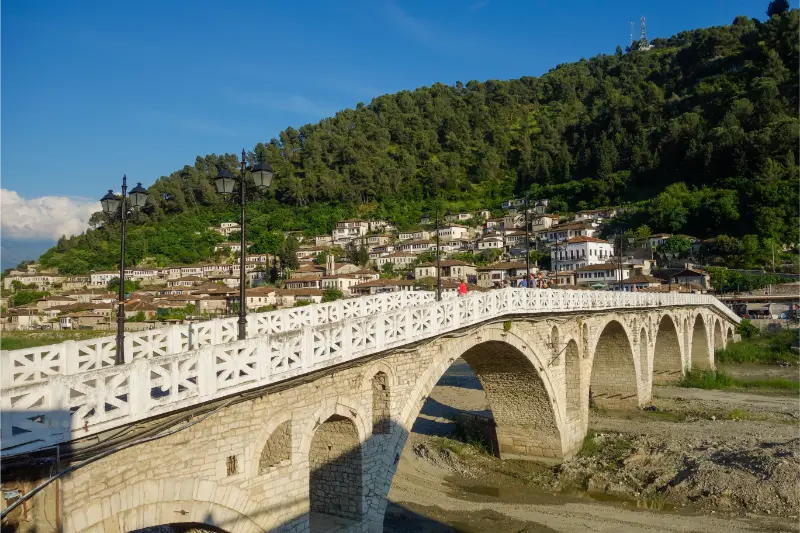
    Build an easy loop along lower roads and river-adjacent pedestrian sections, crossing near Gorica when conditions are calm. This is the best option for maintaining steady aerobic pace.

    Lower Mangalem orientation run

    Jog the flatter approaches and switch to a walk when lanes steepen. The goal is movement and orientation, not pace through a UNESCO neighbourhood.

    Castle hill repeats

    Use the climb as strength training only if footing is dry and traffic is manageable. Run the smoother approach, walk technical cobbles, and descend conservatively.

    Lowland long run outside the old town

    For more distance, head into flatter modern areas and agricultural outskirts rather than forcing repeated laps through tourist streets. Ask your accommodation which local roads have the least traffic that week.

    How far should you run?

    If you have 20–30 minutes, choose the safest flat option and make it an out-and-back. This is ideal on arrival day, after a long bus or ferry journey, or before a full sightseeing schedule. You learn crossings, surfaces and traffic without committing to a route you do not yet understand.

    For 45–60 minutes, combine the primary route with one extension. Keep the extension optional: if heat rises, the promenade becomes crowded or pavement disappears, turn back. A holiday run should leave enough energy for the rest of Berat.

    For a long run, avoid stitching together random road segments just to reach a target distance. A repeated safe section is better than a beautiful but stressful highway shoulder. Carry water, a bank card or cash, identification and enough phone battery to change the plan.

    Best time of day

    Early morning is the most reliable window across Albania. It gives lower temperatures, lighter traffic and fewer pedestrians. In July and August, starting after breakfast can turn an easy run into heat training very quickly. If sunrise is too early for your schedule, shorten the run rather than trying to preserve distance in midday heat.

    Evening can be pleasant, especially on waterfronts, but promenades often become social spaces after sunset. That is good for atmosphere and poor for uninterrupted pace. If you run after dark, stay on well-used, well-lit streets you have already seen in daylight and avoid headphones that block traffic sound.

    Best seasons for runners

    April–June and September–October usually give the easiest balance of daylight and temperature. Coastal cities remain mild later into autumn, while inland and southeastern destinations can become much colder in winter. Summer is workable if you start early, reduce intensity and treat hydration as part of the route rather than an afterthought.

    Rain changes more than comfort. Polished stone, painted road markings, metal covers and steep cobbles can become slippery. Strong coastal wind can also transform a flat return leg into hard work. If the surface looks questionable, switch the session to an easy jog or walk and save speed work for another day.

    Traffic, crossings and road safety

    Do not assume drivers will give a runner the same space you expect at home. Use pavements and promenades where practical, cross at predictable points, make eye contact with drivers and stop rather than squeezing around parked cars into traffic. On narrow roads, run only when visibility is good and step off the line early when a large vehicle approaches.

    Headphones should stay low enough that you can hear engines, scooters, dogs and bicycles. A small reflective strip or bright top is useful even in daylight. On rural or coastal extensions, a lightweight rear safety light can improve visibility, but it does not make a dangerous road safe.

    Heat, hydration and sun

    Albanian summer heat can be deceptive near the sea because a breeze makes the first kilometres feel easier. Carry water for longer sessions, especially where public fountains are uncertain, and use sunscreen on exposed waterfronts. If you are sweating heavily before the halfway point, shorten the route rather than rationing the last water.

    Electrolytes are useful after long, hot sessions, but normal food and water are enough for many easy holiday runs. Bakeries, fruit shops and small markets make post-run refuelling simple in towns. The priority is arriving back hydrated enough to enjoy the day, not turning breakfast into emergency recovery.

    Surface and footwear

    Road shoes are sufficient for promenades, parks and modern streets. Historic centres need more grip because stone can be uneven or polished. If your route mixes road and trail, a light trail shoe is more versatile than a very aggressive mountain shoe. Do not bring brand-new shoes for a travel week with more walking than usual; blisters from sightseeing can ruin running before fitness does.

    Solo running and personal safety

    Run the first route in Berat during daylight so you understand junctions and quiet sections. Share your route when going beyond the urban core, carry your accommodation name offline and keep enough money for a taxi. Solo runners do not need to be alarmed, but unfamiliar shortcuts, isolated construction zones and dark waterfront ends are poor places to improvise.

    If someone or a situation makes you uncomfortable, change direction or enter a busy café, hotel or shop. Do not protect the workout at the expense of judgement. For an emergency, Albania uses 112 as the general emergency number; medical emergencies can also be reached via 127.

    Dogs and rural edges

    Free-roaming dogs are not a problem on every route, but runners can trigger chasing more easily than walkers. Slow to a walk, avoid sudden sprinting past a dog and give guarding dogs a wide berth near rural property or livestock. If a route is known locally for territorial dogs, choose another road instead of treating it as part of the adventure.

    Running with children or a partner

    For a family jog, choose the flattest traffic-separated option and plan the turnaround around the least experienced runner. A short run followed by breakfast is more realistic than asking everyone to share an adult training schedule. Couples with different paces can use an out-and-back: the faster runner continues for extra minutes while the other turns earlier, then both regroup at a fixed landmark.

    Where to stay if running matters

    Location matters more than hotel category. In Berat, choose accommodation that lets you reach your preferred running corridor without crossing several high-speed roads. Ask about early breakfast, drinking-water access, stairs and whether wet shoes can be left somewhere sensible.

    You can compare accommodation here: places to stay in Berat on Booking.com.

    Berat Historic South Albania Night 2

    Can you combine a run with sightseeing?

    Yes, but keep the session easy. Carrying a phone, stopping for photos and navigating old streets is not compatible with a quality tempo workout. A sightseeing run works best at conversational effort with deliberate pauses. If you want a harder session, finish it first on a predictable route, shower, then explore normally.

    The official tourism portal describes Berat on both banks of the Osum under the castle hill, a geography that explains the running strategy perfectly: flat work below, strength above. Respect the historic lanes as living neighbourhoods; slow down around doorways, children, delivery vehicles and tour groups.

    Guided activities and recovery-day ideas

    A guided walking, food, history or nature activity can be a good recovery-day complement to running in Berat. It also prevents the common mistake of doing a hard run in the morning and then adding another 25,000 sightseeing steps without planning for it.

    Old Gorica Bridge Osum River Berat Albania Cityscape As Backdrop

    A simple two-day running plan

    Day 1: run 25–45 minutes on the easiest route shortly after sunrise. Keep effort low, learn the crossings and finish feeling underworked. Spend the rest of the day sightseeing and note any route section that looked better than the map suggested.

    Day 2: choose either a longer flat out-and-back or one controlled hill session. Start only if sleep, weather and legs feel normal. If you walked far on day 1, keep day 2 easy rather than forcing a training target during a holiday.

    Common running mistakes to avoid

    • Starting too late on a hot summer morning
    • Choosing the shortest map route instead of the safest one
    • Assuming a scenic coastal or mountain road has a usable shoulder
    • Running fast on wet cobbles or polished stone
    • Wearing headphones so loudly that traffic and dogs disappear
    • Leaving without water because the planned distance looks short
    • Turning a sightseeing day into an accidental high-volume training day
    • Forcing a target distance after traffic, wind or heat changes the route

    FAQ

    Is Berat safe for an early-morning run?

    Busy central routes are generally the easiest choice, but assess lighting, traffic and local conditions yourself. Run the route in daylight first if you are uncertain.

    Do I need trail shoes?

    Not for normal waterfront, park or street routes. Use trail shoes when you deliberately add rough paths, loose stone or mountain terrain.

    Can I run after dark?

    You can on well-lit, familiar public routes, but daylight is simpler for a first run. Promenades may become crowded at night, while quiet road edges become harder to judge.

    Where should I do speed work?

    Use the flattest, most predictable route with few crossings. Parks, lakefronts and long promenades are usually better than historic centres or coastal highways.

    What if the weather is bad?

    Shorten the run, walk slippery sections or move the session to another day. Travel fitness should be flexible; one missed workout is cheaper than an injury on unfamiliar ground.

    Final thoughts on running in Berat

    Running in Berat is most rewarding when it helps you understand the destination rather than competing with it. Start early, choose the safest surface, let steep or crowded sections slow you down and keep enough energy for the trip itself. A calm five-kilometre run with good views is usually a better travel memory than a forced long run on the wrong road.

  • Running in Sarandë & Ksamil: Promenade Routes, Lekursi Hills, Beach Loops and Summer Tips

    Running in Sarandë & Ksamil: Promenade Routes, Lekursi Hills, Beach Loops and Summer Tips

    Sarandë and Ksamil are beautiful running bases outside the busiest hours, but summer changes the equation completely. Promenades and beach roads that feel relaxed at sunrise can become packed with pedestrians, parked cars, scooters and beach traffic by mid-morning.

    Island Beach Relaxation Ksamil Albania

    This guide is for travelers who want to keep running while visiting Sarandë & Ksamil, whether that means a 25-minute recovery jog, a steady 10K-style session or one longer run between sightseeing days. It does not assume every attractive road is runner-friendly. Traffic, heat, surface, lighting and pedestrian space matter more than what a route looks like on a map.

    For destination logistics, keep the Sarandë & Ksamil travel guide open. If you want mountain rather than urban running, the national Trail Running in Albania guide covers navigation, remote terrain and bigger training days.

    Is Sarandë & Ksamil good for running?

    Sarandë’s waterfront is mostly easy, with sharp climbing as soon as you head inland toward Lekursi or the upper neighbourhoods. Ksamil is lower and more compact but has narrow streets and intense seasonal traffic.

    For most visitors, Sarandë & Ksamil works best when you separate three goals: an easy sightseeing jog, a fitness session where pace matters, and a scenic long run. Trying to combine all three usually creates a route with too many crossings, photo stops or unsafe road sections. Decide the purpose first, then choose the route.

    Before the trip, check the official tourism page for Sarandë for destination context, public-space information and current attractions. Construction, events, seasonal closures and waterfront works can change the most convenient route.

    Running at a glance

    QuestionPractical answer
    Best default sessionEarly-morning easy run on the flattest promenade, park or river/lake corridor.
    Best seasonSpring and autumn for comfortable temperatures; winter can be excellent at low elevation, while summer requires an early start.
    Best time of dayDawn to early morning in warm months; daylight is preferable on unfamiliar roads.
    Main hazardMixed traffic, inconsistent pavement and heat rather than technical running difficulty.
    ShoesNormal road shoes for urban routes; grippier shoes for cobbles, wet stone or trail extensions.
    NavigationDownload an offline map and build out-and-backs when route conditions are uncertain.

    Best running routes in Sarandë & Ksamil

    Sarandë city promenade

    The safest and simplest holiday run. Start at dawn in July or August, use the promenade at conversational pace and expect delivery vehicles or cleaning activity even when crowds are low.

    Lekursi hill climb

    Use the climb toward Lekursi as a strength session if you are comfortable with road traffic and heat. Carry water and descend slowly; there is no prize for completing the whole ascent when conditions feel wrong.

    Ksamil early beach loop

    Link village streets and public-access beach approaches before beach traffic starts. Do not weave through private beach setups or run across crowded sunbed areas later in the day.

    Butrint-direction endurance run

    Only experienced road runners should extend toward Butrint, and even then choose the time carefully. The road can be busy and is not a protected running track. Consider transport to a quieter starting point rather than using the full highway section.

    How far should you run?

    If you have 20–30 minutes, choose the safest flat option and make it an out-and-back. This is ideal on arrival day, after a long bus or ferry journey, or before a full sightseeing schedule. You learn crossings, surfaces and traffic without committing to a route you do not yet understand.

    For 45–60 minutes, combine the primary route with one extension. Keep the extension optional: if heat rises, the promenade becomes crowded or pavement disappears, turn back. A holiday run should leave enough energy for the rest of Sarandë & Ksamil.

    For a long run, avoid stitching together random road segments just to reach a target distance. A repeated safe section is better than a beautiful but stressful highway shoulder. Carry water, a bank card or cash, identification and enough phone battery to change the plan.

    Best time of day

    Early morning is the most reliable window across Albania. It gives lower temperatures, lighter traffic and fewer pedestrians. In July and August, starting after breakfast can turn an easy run into heat training very quickly. If sunrise is too early for your schedule, shorten the run rather than trying to preserve distance in midday heat.

    Evening can be pleasant, especially on waterfronts, but promenades often become social spaces after sunset. That is good for atmosphere and poor for uninterrupted pace. If you run after dark, stay on well-used, well-lit streets you have already seen in daylight and avoid headphones that block traffic sound.

    Best seasons for runners

    April–June and September–October usually give the easiest balance of daylight and temperature. Coastal cities remain mild later into autumn, while inland and southeastern destinations can become much colder in winter. Summer is workable if you start early, reduce intensity and treat hydration as part of the route rather than an afterthought.

    Rain changes more than comfort. Polished stone, painted road markings, metal covers and steep cobbles can become slippery. Strong coastal wind can also transform a flat return leg into hard work. If the surface looks questionable, switch the session to an easy jog or walk and save speed work for another day.

    Traffic, crossings and road safety

    Do not assume drivers will give a runner the same space you expect at home. Use pavements and promenades where practical, cross at predictable points, make eye contact with drivers and stop rather than squeezing around parked cars into traffic. On narrow roads, run only when visibility is good and step off the line early when a large vehicle approaches.

    Headphones should stay low enough that you can hear engines, scooters, dogs and bicycles. A small reflective strip or bright top is useful even in daylight. On rural or coastal extensions, a lightweight rear safety light can improve visibility, but it does not make a dangerous road safe.

    Heat, hydration and sun

    Albanian summer heat can be deceptive near the sea because a breeze makes the first kilometres feel easier. Carry water for longer sessions, especially where public fountains are uncertain, and use sunscreen on exposed waterfronts. If you are sweating heavily before the halfway point, shorten the route rather than rationing the last water.

    Electrolytes are useful after long, hot sessions, but normal food and water are enough for many easy holiday runs. Bakeries, fruit shops and small markets make post-run refuelling simple in towns. The priority is arriving back hydrated enough to enjoy the day, not turning breakfast into emergency recovery.

    Surface and footwear

    Road shoes are sufficient for promenades, parks and modern streets. Historic centres need more grip because stone can be uneven or polished. If your route mixes road and trail, a light trail shoe is more versatile than a very aggressive mountain shoe. Do not bring brand-new shoes for a travel week with more walking than usual; blisters from sightseeing can ruin running before fitness does.

    Solo running and personal safety

    Run the first route in Sarandë & Ksamil during daylight so you understand junctions and quiet sections. Share your route when going beyond the urban core, carry your accommodation name offline and keep enough money for a taxi. Solo runners do not need to be alarmed, but unfamiliar shortcuts, isolated construction zones and dark waterfront ends are poor places to improvise.

    Aerial View Of Ksamil Beach And Islands Albania

    If someone or a situation makes you uncomfortable, change direction or enter a busy café, hotel or shop. Do not protect the workout at the expense of judgement. For an emergency, Albania uses 112 as the general emergency number; medical emergencies can also be reached via 127.

    Dogs and rural edges

    Free-roaming dogs are not a problem on every route, but runners can trigger chasing more easily than walkers. Slow to a walk, avoid sudden sprinting past a dog and give guarding dogs a wide berth near rural property or livestock. If a route is known locally for territorial dogs, choose another road instead of treating it as part of the adventure.

    Running with children or a partner

    For a family jog, choose the flattest traffic-separated option and plan the turnaround around the least experienced runner. A short run followed by breakfast is more realistic than asking everyone to share an adult training schedule. Couples with different paces can use an out-and-back: the faster runner continues for extra minutes while the other turns earlier, then both regroup at a fixed landmark.

    Where to stay if running matters

    Location matters more than hotel category. In Sarandë & Ksamil, choose accommodation that lets you reach your preferred running corridor without crossing several high-speed roads. Ask about early breakfast, drinking-water access, stairs and whether wet shoes can be left somewhere sensible.

    You can compare accommodation here: places to stay in Sarandë & Ksamil on Booking.com.

    Can you combine a run with sightseeing?

    Yes, but keep the session easy. Carrying a phone, stopping for photos and navigating old streets is not compatible with a quality tempo workout. A sightseeing run works best at conversational effort with deliberate pauses. If you want a harder session, finish it first on a predictable route, shower, then explore normally.

    The official tourism portal identifies Sarandë’s city promenade as one of its most frequented public spaces. For running, that makes dawn the premium slot. In peak season I would rather complete 6 calm kilometres early than force a 15-kilometre route through beach traffic later.

    Guided activities and recovery-day ideas

    A guided walking, food, history or nature activity can be a good recovery-day complement to running in Sarandë & Ksamil. It also prevents the common mistake of doing a hard run in the morning and then adding another 25,000 sightseeing steps without planning for it.

    Closed Beach Umbrellas in Ksamil Low Season Albania

    A simple two-day running plan

    Day 1: run 25–45 minutes on the easiest route shortly after sunrise. Keep effort low, learn the crossings and finish feeling underworked. Spend the rest of the day sightseeing and note any route section that looked better than the map suggested.

    Day 2: choose either a longer flat out-and-back or one controlled hill session. Start only if sleep, weather and legs feel normal. If you walked far on day 1, keep day 2 easy rather than forcing a training target during a holiday.

    Common running mistakes to avoid

    • Starting too late on a hot summer morning
    • Choosing the shortest map route instead of the safest one
    • Assuming a scenic coastal or mountain road has a usable shoulder
    • Running fast on wet cobbles or polished stone
    • Wearing headphones so loudly that traffic and dogs disappear
    • Leaving without water because the planned distance looks short
    • Turning a sightseeing day into an accidental high-volume training day
    • Forcing a target distance after traffic, wind or heat changes the route

    FAQ

    Is Sarandë & Ksamil safe for an early-morning run?

    Busy central routes are generally the easiest choice, but assess lighting, traffic and local conditions yourself. Run the route in daylight first if you are uncertain.

    Do I need trail shoes?

    Not for normal waterfront, park or street routes. Use trail shoes when you deliberately add rough paths, loose stone or mountain terrain.

    Can I run after dark?

    You can on well-lit, familiar public routes, but daylight is simpler for a first run. Promenades may become crowded at night, while quiet road edges become harder to judge.

    Where should I do speed work?

    Use the flattest, most predictable route with few crossings. Parks, lakefronts and long promenades are usually better than historic centres or coastal highways.

    What if the weather is bad?

    Shorten the run, walk slippery sections or move the session to another day. Travel fitness should be flexible; one missed workout is cheaper than an injury on unfamiliar ground.

    Final thoughts on running in Sarandë & Ksamil

    Running in Sarandë & Ksamil is most rewarding when it helps you understand the destination rather than competing with it. Start early, choose the safest surface, let steep or crowded sections slow you down and keep enough energy for the trip itself. A calm five-kilometre run with good views is usually a better travel memory than a forced long run on the wrong road.

  • Running in Gjirokastër: Drino Valley, Viroi Lake, Old Bazaar Hills and Training Tips

    Running in Gjirokastër: Drino Valley, Viroi Lake, Old Bazaar Hills and Training Tips

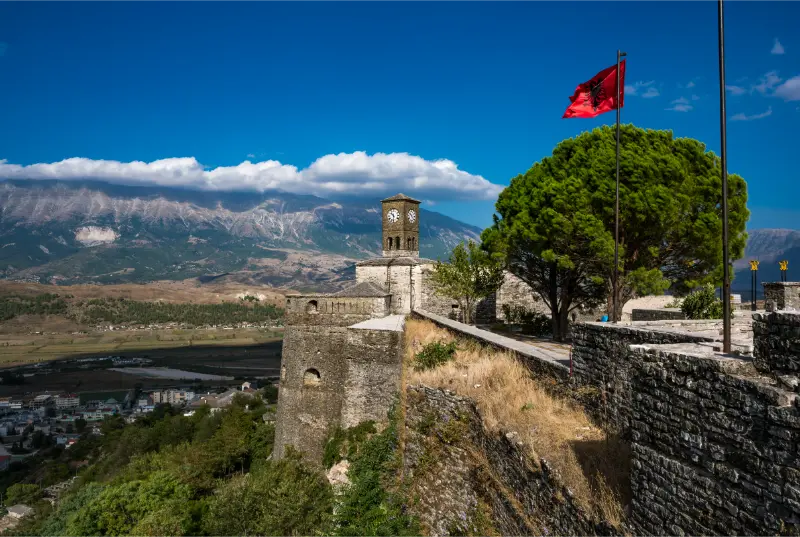
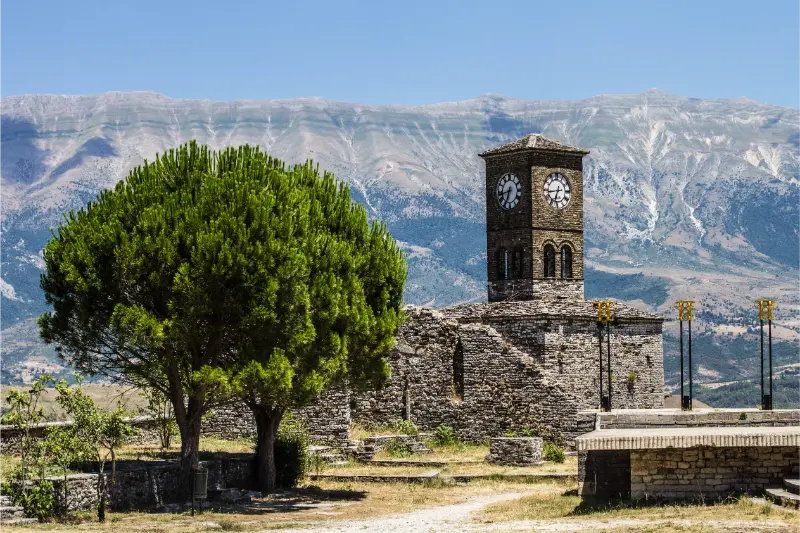
    Gjirokastër is not a classic “flat city run” destination, but it can be excellent for runners who like hills and who are willing to travel a little below the old town for smoother kilometres. The stone centre is visually spectacular and physically demanding, so smart runners use it selectively.

    This guide is for travelers who want to keep running while visiting Gjirokastër, whether that means a 25-minute recovery jog, a steady 10K-style session or one longer run between sightseeing days. It does not assume every attractive road is runner-friendly. Traffic, heat, surface, lighting and pedestrian space matter more than what a route looks like on a map.

    For destination logistics, keep the Gjirokastër travel guide open. If you want mountain rather than urban running, the national Trail Running in Albania guide covers navigation, remote terrain and bigger training days.

    Is Gjirokastër good for running?

    The historic city climbs steeply on the slopes of Mount Gjerë, while the Drino Valley below is much flatter. Wet stone is a serious footing issue, and summer valley heat can be intense.

    For most visitors, Gjirokastër works best when you separate three goals: an easy sightseeing jog, a fitness session where pace matters, and a scenic long run. Trying to combine all three usually creates a route with too many crossings, photo stops or unsafe road sections. Decide the purpose first, then choose the route.

    Before the trip, check the official tourism page for Gjirokastër for destination context, public-space information and current attractions. Construction, events, seasonal closures and waterfront works can change the most convenient route.

    Running at a glance

    QuestionPractical answer
    Best default sessionEarly-morning easy run on the flattest promenade, park or river/lake corridor.
    Best seasonSpring and autumn for comfortable temperatures; winter can be excellent at low elevation, while summer requires an early start.
    Best time of dayDawn to early morning in warm months; daylight is preferable on unfamiliar roads.
    Main hazardMixed traffic, inconsistent pavement and heat rather than technical running difficulty.
    ShoesNormal road shoes for urban routes; grippier shoes for cobbles, wet stone or trail extensions.
    NavigationDownload an offline map and build out-and-backs when route conditions are uncertain.

    Best running routes in Gjirokastër

    Lower-town steady run

    Use the newer lower city around the main transport corridor for a flatter aerobic session, selecting quieter side streets and running early before traffic builds.

    Viroi Lake run

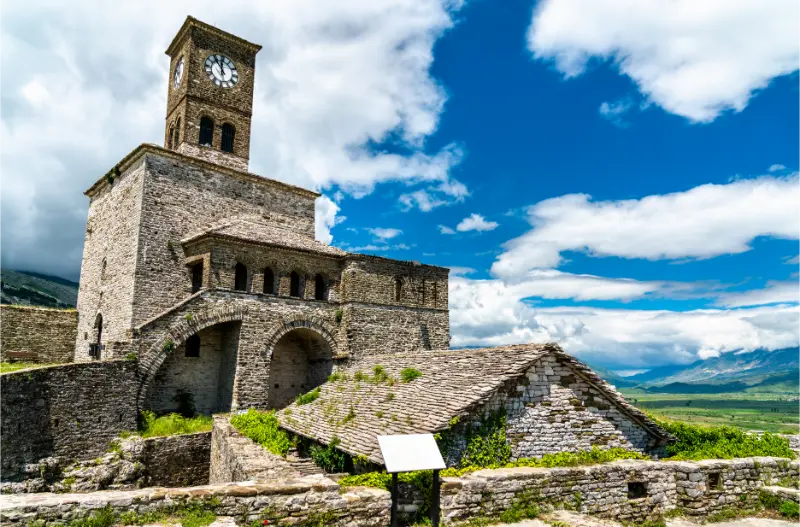
    The official tourism portal places Lake Viroi roughly 3 km northwest of Gjirokastër. Reach it safely by taxi or a carefully chosen route, then use the lake area for a calmer easy run rather than forcing all kilometres through steep old streets.

    Clock Tower Castle Gjirokaster UNESCO World Heritage Albania

    Old Bazaar hill session

    Run short, controlled uphill segments and walk the most polished cobbles. Treat crowds and shopfronts as automatic slow zones.

    Drino Valley longer session

    For endurance, choose open valley roads only after confirming shoulder width and local traffic. An out-and-back is safer than inventing a remote loop from a map.

    How far should you run?

    If you have 20–30 minutes, choose the safest flat option and make it an out-and-back. This is ideal on arrival day, after a long bus or ferry journey, or before a full sightseeing schedule. You learn crossings, surfaces and traffic without committing to a route you do not yet understand.

    For 45–60 minutes, combine the primary route with one extension. Keep the extension optional: if heat rises, the promenade becomes crowded or pavement disappears, turn back. A holiday run should leave enough energy for the rest of Gjirokastër.

    For a long run, avoid stitching together random road segments just to reach a target distance. A repeated safe section is better than a beautiful but stressful highway shoulder. Carry water, a bank card or cash, identification and enough phone battery to change the plan.

    Best time of day

    Early morning is the most reliable window across Albania. It gives lower temperatures, lighter traffic and fewer pedestrians. In July and August, starting after breakfast can turn an easy run into heat training very quickly. If sunrise is too early for your schedule, shorten the run rather than trying to preserve distance in midday heat.

    Evening can be pleasant, especially on waterfronts, but promenades often become social spaces after sunset. That is good for atmosphere and poor for uninterrupted pace. If you run after dark, stay on well-used, well-lit streets you have already seen in daylight and avoid headphones that block traffic sound.

    Best seasons for runners

    April–June and September–October usually give the easiest balance of daylight and temperature. Coastal cities remain mild later into autumn, while inland and southeastern destinations can become much colder in winter. Summer is workable if you start early, reduce intensity and treat hydration as part of the route rather than an afterthought.

    Rain changes more than comfort. Polished stone, painted road markings, metal covers and steep cobbles can become slippery. Strong coastal wind can also transform a flat return leg into hard work. If the surface looks questionable, switch the session to an easy jog or walk and save speed work for another day.

    Traffic, crossings and road safety

    Do not assume drivers will give a runner the same space you expect at home. Use pavements and promenades where practical, cross at predictable points, make eye contact with drivers and stop rather than squeezing around parked cars into traffic. On narrow roads, run only when visibility is good and step off the line early when a large vehicle approaches.

    Headphones should stay low enough that you can hear engines, scooters, dogs and bicycles. A small reflective strip or bright top is useful even in daylight. On rural or coastal extensions, a lightweight rear safety light can improve visibility, but it does not make a dangerous road safe.

    Heat, hydration and sun

    Albanian summer heat can be deceptive near the sea because a breeze makes the first kilometres feel easier. Carry water for longer sessions, especially where public fountains are uncertain, and use sunscreen on exposed waterfronts. If you are sweating heavily before the halfway point, shorten the route rather than rationing the last water.

    Electrolytes are useful after long, hot sessions, but normal food and water are enough for many easy holiday runs. Bakeries, fruit shops and small markets make post-run refuelling simple in towns. The priority is arriving back hydrated enough to enjoy the day, not turning breakfast into emergency recovery.

    Surface and footwear

    Road shoes are sufficient for promenades, parks and modern streets. Historic centres need more grip because stone can be uneven or polished. If your route mixes road and trail, a light trail shoe is more versatile than a very aggressive mountain shoe. Do not bring brand-new shoes for a travel week with more walking than usual; blisters from sightseeing can ruin running before fitness does.

    Solo running and personal safety

    Run the first route in Gjirokastër during daylight so you understand junctions and quiet sections. Share your route when going beyond the urban core, carry your accommodation name offline and keep enough money for a taxi. Solo runners do not need to be alarmed, but unfamiliar shortcuts, isolated construction zones and dark waterfront ends are poor places to improvise.

    Clock Tower Waving Albanian Flag Gjirokaster Citadel Castle Attraction Albania

    If someone or a situation makes you uncomfortable, change direction or enter a busy café, hotel or shop. Do not protect the workout at the expense of judgement. For an emergency, Albania uses 112 as the general emergency number; medical emergencies can also be reached via 127.

    Dogs and rural edges

    Free-roaming dogs are not a problem on every route, but runners can trigger chasing more easily than walkers. Slow to a walk, avoid sudden sprinting past a dog and give guarding dogs a wide berth near rural property or livestock. If a route is known locally for territorial dogs, choose another road instead of treating it as part of the adventure.

    Running with children or a partner

    For a family jog, choose the flattest traffic-separated option and plan the turnaround around the least experienced runner. A short run followed by breakfast is more realistic than asking everyone to share an adult training schedule. Couples with different paces can use an out-and-back: the faster runner continues for extra minutes while the other turns earlier, then both regroup at a fixed landmark.

    Where to stay if running matters

    Location matters more than hotel category. In Gjirokastër, choose accommodation that lets you reach your preferred running corridor without crossing several high-speed roads. Ask about early breakfast, drinking-water access, stairs and whether wet shoes can be left somewhere sensible.

    You can compare accommodation here: places to stay in Gjirokastër on Booking.com.

    Can you combine a run with sightseeing?

    Yes, but keep the session easy. Carrying a phone, stopping for photos and navigating old streets is not compatible with a quality tempo workout. A sightseeing run works best at conversational effort with deliberate pauses. If you want a harder session, finish it first on a predictable route, shower, then explore normally.

    The old city is a poor place to chase pace: steep gradients, stone and pedestrians make effort more meaningful than minutes per kilometre. Save fast work for flatter ground and use the historic climb as controlled strength. After rain, turn the old-town section into a walk.

    Guided activities and recovery-day ideas

    A guided walking, food, history or nature activity can be a good recovery-day complement to running in Gjirokastër. It also prevents the common mistake of doing a hard run in the morning and then adding another 25,000 sightseeing steps without planning for it.

    Gjirokaster Castle Clock Tower UNESCO Site Albania

    A simple two-day running plan

    Day 1: run 25–45 minutes on the easiest route shortly after sunrise. Keep effort low, learn the crossings and finish feeling underworked. Spend the rest of the day sightseeing and note any route section that looked better than the map suggested.

    Day 2: choose either a longer flat out-and-back or one controlled hill session. Start only if sleep, weather and legs feel normal. If you walked far on day 1, keep day 2 easy rather than forcing a training target during a holiday.

    Common running mistakes to avoid

    • Starting too late on a hot summer morning
    • Choosing the shortest map route instead of the safest one
    • Assuming a scenic coastal or mountain road has a usable shoulder
    • Running fast on wet cobbles or polished stone
    • Wearing headphones so loudly that traffic and dogs disappear
    • Leaving without water because the planned distance looks short
    • Turning a sightseeing day into an accidental high-volume training day
    • Forcing a target distance after traffic, wind or heat changes the route

    FAQ

    Is Gjirokastër safe for an early-morning run?

    Busy central routes are generally the easiest choice, but assess lighting, traffic and local conditions yourself. Run the route in daylight first if you are uncertain.

    Do I need trail shoes?

    Not for normal waterfront, park or street routes. Use trail shoes when you deliberately add rough paths, loose stone or mountain terrain.

    Can I run after dark?

    You can on well-lit, familiar public routes, but daylight is simpler for a first run. Promenades may become crowded at night, while quiet road edges become harder to judge.

    Where should I do speed work?

    Use the flattest, most predictable route with few crossings. Parks, lakefronts and long promenades are usually better than historic centres or coastal highways.

    What if the weather is bad?

    Shorten the run, walk slippery sections or move the session to another day. Travel fitness should be flexible; one missed workout is cheaper than an injury on unfamiliar ground.

    Final thoughts on running in Gjirokastër

    Running in Gjirokastër is most rewarding when it helps you understand the destination rather than competing with it. Start early, choose the safest surface, let steep or crowded sections slow you down and keep enough energy for the trip itself. A calm five-kilometre run with good views is usually a better travel memory than a forced long run on the wrong road.